
Sauces & Condiments
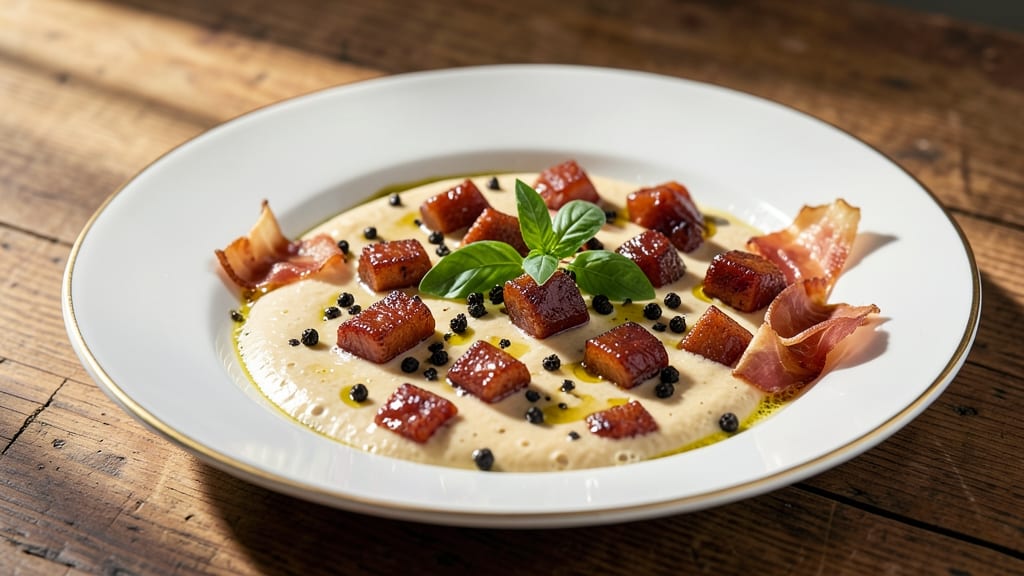
This bacon carbonara sauce recipe delivers the perfect balance of crispy pancetta bites and velvety egg cream that clings to every strand of pasta. The secret lies in proper emulsification—cooking eggs and cheese low and slow while incorporating stovetop pasta water to create that signature silky texture without lumps.
I’ve perfected this technique after years of trial and error, ensuring the sauce remains rich yet light enough to coat al dente pasta beautifully.
The foundation of authentic carbonara is simple: high-quality pancetta (or bacon), fresh eggs, and a mix of Pecorino Romano and Parmesan cheese for that signature sharp, salty depth.
Unlike creamy Alfredo, this sauce relies on eggs and cheese for its luxurious body, with the pancetta adding a crispy contrast that elevates every bite. The key is working quickly once the eggs hit the pan—timing is everything to avoid scrambling.
What sets this sauce apart is its versatility. Use it immediately over freshly cooked spaghetti for the full Roman experience, or store it in the fridge for up to 3 days, reheating gently with a splash of pasta water to restore its silky consistency.
For a modern twist, swap pancetta for mushrooms or add a splash of cream, but the traditional method remains unbeatable for true carbonara lovers.
This sauce is the heart of any pasta dish—rich, indulgent, and impossible to resist. Whether you’re serving it at a dinner party or whipping it up for a weeknight meal, the crispy pancetta and creamy egg mixture will leave everyone asking for seconds. Let’s make it.
Ingredients for bacon carbonara sauce
Eight essential ingredients transform into the ultimate carbonara sauce—rich, crispy, and perfectly balanced.
| Ingredient | Amount | Notes |
|---|---|---|
| Pancetta 🥓 | 6 oz | Diced into 1/4-inch pieces |
| Large Egg Yolks 🥚 | 4 whole | Fresh, room temperature |
| Pecorino Romano Cheese 🧀 | ¾ cup | Freshly grated, coarse |
| Parmesan Cheese 🧀 | ½ cup | Freshly grated, coarse |
| Extra-Virgin Olive Oil 🫒 | ¼ cup | High quality, fruity |
| Fresh Black Peppercorns 🌶️ | 1 tsp | Freshly cracked, coarse |
| Pasta Water 💧 | ½ cup | Reserved from cooking |
| Salt 🧂 | ½ tsp | Kosher or sea salt |
Pancetta is the star here, so look for thick-cut, high-quality at specialty markets or butcher counters—it renders beautifully without turning greasy. Freshly cracked black pepper is non-negotiable; pre-ground loses its punch. For cheese, Pecorino Romano gives that sharp, salty depth while Parmesan adds creaminess. I always buy whole wedges and grate them myself—pre-grated tastes like sawdust. The olive oil should be fruity and peppery; California or Italian varieties work best.
No pancetta? Thick-cut bacon works in a pinch, but render it until crispy. Egg whites? Skip them—yolks are essential for that signature creamy texture. Short on Pecorino? Substitute extra Parmesan, but reduce to 0.6 cup total. The pasta water is critical—it emulsifies the sauce. If you forgot to reserve some, boil a few extra noodles just for this. Freshly cracked pepper can be swapped for red pepper flakes (1/4 tsp), but the flavor won’t be identical.
This sauce is best used immediately, but it keeps for 3 days in the fridge. To reheat, gently warm with a splash of fresh pasta water—never boil. For longer storage, freeze in ice cube trays for up to 3 months. The pancetta stays crispy when cold, so I always serve it straight from the fridge over hot pasta for that perfect contrast. Double the recipe—it disappears faster than you’d think.
Why You'll Love This Recipe
- I’ll be real: the first batch disappears fast, but what’s left? Even better. The sauce thickens slightly overnight, so reheating it just means a quick stir with a splash of water. Budget-friendly, too—pancetta stretches farther than you’d think.
- Pancetta Magic: Between us, that crispy pancetta is the star—no fancy chopping, just dice and render. The fat renders down into pure flavor while you stir, so you’re left with rich, salty bits that cling to every strand of pasta like it’s their job.
- Creamy Without Cream: Honestly, the egg yolks and cheese combo is my secret weapon. No heavy cream here—just a silky, velvety sauce that’s somehow still light. That sharp Pecorino and Parmesan? They cut through the richness like a perfect contrast.
- Weeknight to Weekend: This sauce works for takeout night or a fancy dinner—just adjust the pasta. Toss it with spaghetti for a quick weeknight meal, or drizzle it over roasted chicken for a restaurant-worthy plate. My kids even ask for it at potlucks.
Step-by-step instructions for bacon carbonara sauce
Here's how to create a rich, silky sauce with perfectly crisp pancetta and perfectly cooked eggs.
Cook the Pancetta Until Crispy
Place the 6 oz diced pancetta in a large skillet over medium heat. Cook undisturbed for 8-10 minutes until the fat renders and the pancetta becomes deep golden brown and crispy. I press down gently on the pieces during the first minute to prevent curling and ensure even contact with the pan.
Once the pancetta is crispy, remove it from the skillet with a slotted spoon and transfer to a small plate. Leave the rendered fat in the pan—this is the flavor foundation of your sauce. If the fat looks too dark or smoky, strain it through a fine-mesh sieve to remove any burnt bits before proceeding.
Prepare the Cheese and Pepper Mixture
In a medium bowl, combine the 4 whole large egg yolks, 0.75 cup freshly grated Pecorino Romano cheese, 0.5 cup freshly grated Parmesan cheese, 1 teaspoon freshly cracked black peppercorns, and 0.5 teaspoon salt. Whisk vigorously for 1-2 minutes until the mixture becomes pale yellow and thickened—this ensures a smooth, creamy sauce when combined with the hot pasta.
I like to use a fork for this step because it gives me better control over the whisking motion. The cheese should be fully dissolved, and the mixture should coat the back of the spoon. If it's too thick, add 1 tablespoon of the reserved 0.5 cup pasta water to loosen it slightly, but don't add too much or the sauce will be too thin.
Combine Pancetta and Egg Mixture Off Heat
Return the skillet with the rendered pancetta fat to medium-low heat. Add the crispy pancetta back to the pan and toss to coat in the fat. Let it warm through for 30 seconds—this ensures the pancetta stays crispy while the sauce comes together.
Remove the skillet from heat completely. This is the critical moment—the pan should be hot but not boiling, or the eggs will scramble. Slowly pour the egg mixture into the skillet while whisking constantly. The residual heat from the pancetta fat will gently cook the eggs into a silky sauce. Keep whisking for 1-2 minutes until the mixture thickens and becomes creamy.
Finish with Pasta Water and Serve Immediately
If the sauce is too thick, add 1-2 tablespoons of the reserved 0.5 cup pasta water at a time, whisking constantly until you reach a smooth, coatable consistency. The sauce should cling to the back of a spoon and leave a slight sheen. If it's too thin, let it sit off heat for 30 seconds to thicken slightly.
Toss the sauce with your cooked pasta immediately—this sauce doesn't wait. The crispy pancetta should be evenly distributed throughout, and each strand of pasta should be coated in the rich, creamy sauce. Serve right away while the pancetta is still crispy and the sauce is silky. Garnish with additional freshly cracked black pepper and extra grated cheese if desired.
Pro Tips For Making Bacon Carbonara Sauce
- CRISP THE PANCETTA RIGHT: Cook the pancetta until it’s deep golden, not just pink—think crispy edges, not chewy. I used to stop at "rendered," but that’s where the real flavor hides. Drain on paper towels to remove excess fat, or you’ll end up with a greasy sauce instead of a silky one.
- GRATE CHEESE FINE: Skip the food processor for Pecorino and Parmesan—your fingers are better. A fine, even grate melts smoothly into the egg yolk mix, not clumps that turn your carbonara into a cheesy paste. (Yes, it’s tedious, but worth it.)
- LOW HEAT FOR EGGS: Off the heat, stir the hot pasta into the egg-cheese mix slowly—the residual heat should just warm the eggs, not scramble them. If it looks too thick, add a splash of pasta water, but don’t overdo it. You’re aiming for a ribbon, not soup.
- SALT THE PANCETTA FIRST: Season the pancetta before cooking—it renders faster and tastes more developed. A pinch of salt (and a few grinds of black pepper) while it’s cold ensures it’s flavorful by the time it hits the pan. (Trust me, salty bacon is better bacon.)
Pro cooking tips for great bacon carbonara sauce
Emulsification Secrets
Carbonara’s magic happens when eggs and cheese emulsify with hot pancetta fat—never boil the eggs or you’ll end up with scrambled bits. I always whisk the egg-cheese mixture until it’s pale and thick enough to coat the back of a spoon before combining it with the fat.
This pre-emulsification step ensures a smooth, velvety sauce every time. 💫
Pancetta Perfection
For crispy pancetta, cook it undisturbed over medium heat for 8-10 minutes—this renders the fat slowly without burning. Press down on the pieces during the first minute to prevent curling.
If your pancetta curls up, it won’t crisp evenly. I use a slotted spoon to transfer it to a plate, leaving the golden fat behind for the sauce.
Heat Control Matters
The sauce must cook off heat to avoid scrambling the eggs. After adding the egg mixture to the pancetta fat, whisk constantly for 1-2 minutes—the residual heat is enough to create a silky texture.
If the pan feels too hot, let it cool slightly before combining. I’ve ruined sauces by rushing this step—patience is key!
Pasta Water Rescue
Never skip reserving pasta water—it’s the secret weapon for adjusting sauce consistency. If your sauce thickens too much, add 1-2 tablespoons of starchy pasta water at a time while whisking.
The starch acts as a natural emulsifier, restoring that signature clingy texture. I keep a small bowl of reserved water nearby while cooking.
Timing is Everything
This sauce must be served immediately after tossing with pasta—it doesn’t reheat well. The crispy pancetta loses its crunch when reheated, and the sauce can separate. I always cook the pasta first, drain it, then toss it with the sauce right away.
For large groups, make the sauce in batches and keep the pasta warm in the pot with a splash of water.
Cheese Quality Check
Freshly grated Pecorino Romano and Parmesan make all the difference. Pre-grated cheese contains anti-caking agents that ruin the sauce’s texture. I buy whole wedges and grate them myself using a microplane—this ensures maximum flavor and prevents clumping.
For extra sharpness, let the cheese sit at room temperature for 30 minutes before grating.
Nutrition facts
Frequently asked questions
Can I use regular bacon instead of pancetta?
Yes, but regular bacon works best if it's thick-cut and rendered until crispy. Thin-cut bacon will turn mushy and lose its texture. For a closer match to pancetta, choose bacon with a good fat-to-meat ratio and cook it undisturbed for 10-12 minutes until deeply browned and crispy.
Why did my carbonara sauce get grainy?
Graininess usually happens when the eggs scramble or the cheese isn't fully dissolved. Always whisk the egg-cheese mixture until smooth before combining with hot fat, and work off heat to prevent scrambling. If it happens, whisk in 1 tablespoon of hot pasta water at a time until silky again.
How do I make this sauce ahead of time?
This sauce is best made fresh, but you can prepare components ahead: cook and crisp the pancetta, grate the cheese, and whisk the egg mixture separately. Store them separately in the fridge for 1 day. When ready to serve, combine everything off heat as directed. For longer storage, freeze the cooked pancetta fat and cheese mixture (without eggs) for 1 month.
Can I make this sauce without eggs?
Traditional carbonara requires eggs for its signature texture, but you can make a vegan version using a mix of 1/2 cup nutritional yeast, 1/4 cup cashew cream, and 2 tablespoons olive oil. Whisk these together until smooth before combining with the pancetta fat. The result won't be identical but offers a creamy alternative.
What's the best pasta shape for carbonara?
Classic spaghetti or bucatini work perfectly, but any long, thin pasta works well. For extra sauce cling, try linguine or fettuccine. Avoid thick shapes like penne—the sauce won't coat them evenly. Always cook pasta 1 minute less than package instructions for al dente texture that holds up to the rich sauce.