
Sauces & Condiments
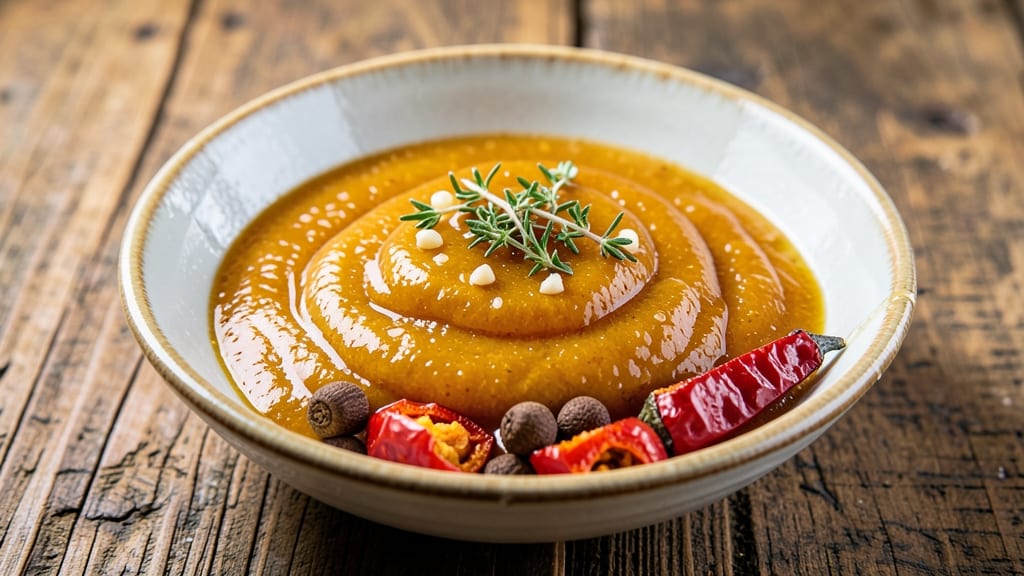
This Bahama Breeze Jerk Sauce recipe delivers a tropical heat that transforms grilled meats, tofu, or seafood into a flavor explosion. 🌴 The secret lies in balancing smoky jerk spices with bright pineapple and a hint of vinegar for tangy depth—no complicated techniques required.
What makes this sauce special is its versatility: use it as a marinade, dipping sauce, or finishing glaze for restaurant-quality results at home.
The foundation starts with a blend of allspice, Scotch bonnet, thyme, and garlic, which infuse the sauce with Caribbean warmth. Pineapple juice and vinegar create that signature tropical brightness, while a touch of honey balances the heat.
The sauce thickens naturally as it simmers, creating a glossy, clingy finish that enhances any protein.
Perfect for grilled chicken, shrimp skewers, or crispy tofu, this sauce delivers bold flavors without overwhelming. The pineapple-fiery kick makes every bite unforgettable—ideal for summer BBQs or weeknight dinners when you crave something exciting. Storage is simple: refrigerate for up to 2 weeks or freeze for 3 months.
Whether you're hosting a beach-themed party or just want to elevate a simple meal, this jerk sauce is your game-changer. Let’s make it—your taste buds will thank you.
Ingredients for bahama breeze jerk sauce
Tropical flavors meet Caribbean heat in this bold jerk sauce—just ten ingredients for restaurant-quality punch.
| Ingredient | Amount | Notes |
|---|---|---|
| Scotch Bonnet Peppers 🌶️ | 2 whole | Seeds removed for mild heat |
| Allspice Berries 🌿 | 1 tbsp | Ground or whole, toasted |
| Fresh Thyme Leaves 🍃 | ¼ cup | Stems removed, chopped |
| Garlic Cloves 🧄 | 4 cloves | Peeled, minced |
| Pineapple Juice 🍍 | ¾ cup | Fresh, unsweetened |
| White Vinegar 💧 | ¼ cup | Distilled preferred |
| Honey 🍯 | 2 tbsp | Wildflower preferred |
| Extra-Virgin Olive Oil 🫒 | ¼ cup | Light, fruity |
| Brown Sugar 🍚 | 2 tbsp | Packed firmly |
| Salt 🧂 | 1 tsp | Diamond Crystal preferred |
The Scotch bonnet is the star here—always wear gloves when handling it, and adjust seeds for heat preference. Whole Foods or Latin markets carry the freshest peppers, but the frozen section works in a pinch. Allspice berries should smell fragrant and aromatic; if they're dusty, toast them whole in a dry pan for 30 seconds before grinding. Fresh thyme is ideal, but dried works at half the amount if you're in a hurry. For the pineapple juice, Dole or Del Monte cans work perfectly, but fresh is unbeatable—just blend and strain.
No Scotch bonnet? Habanero at half the amount gives similar heat, or swap for 1 tbsp hot sauce if you're desperate. White vinegar can be swapped for apple cider vinegar, though it'll have a slightly sweeter tang. The honey balances the heat—agave works too if you prefer vegan. For extra depth, add 1 tsp smoked paprika or a dash of cinnamon. If your sauce seems too thin after simmering, mix 1 tsp cornstarch with 1 tbsp water and stir in at the end. The garlic can be roasted for a sweeter flavor—wrap cloves in foil and char in a 400°F oven for 10 minutes first.
This sauce thickens as it cools, so store it in a sealed jar with a thin layer of olive oil on top to preserve freshness. Keeps for 2 weeks in the fridge or 3 months frozen. For best results, let it sit at room temperature for 10 minutes before using—it'll coat your food beautifully. Freeze in ice cube trays for single-use portions, then transfer to a bag. The flavors actually improve over time, so make extra if you can!
Why You'll Love This Recipe
- No Blender Needed: I swear by this—just a knife, a bowl, and 10 minutes of chopping. The Scotch bonnet’s heat and allspice’s warmth mellow out perfectly when you let them sit with the garlic and thyme, no fancy equipment required.
- Sweet Heat Balance: That pineapple juice isn’t just for color—it cuts through the Scotch bonnet’s fire like a cool breeze after a spicy day. Honestly, the first time I tasted it, I reached for the bottle again before my plate was empty.
- Weeknight to Party Hero: Slather it on grilled chicken for Tuesday dinners or drizzle it over shrimp at a beach BBQ—same sauce, totally different vibes. My roommates still joke about how I “accidentally” made it for every meal last summer.
- Pantry Stays Full: A single jar of allspice and a few bonnets stretch for months of batches. Between us, this sauce’s the reason I stopped buying overpriced hot sauces—it’s cheaper, brighter, and way more versatile.
Step-by-step instructions for bahama breeze jerk sauce
This tropical jerk sauce balances sweet pineapple with fiery Scotch bonnet heat—let's build it layer by layer.
🔥 Step 1: Toast the Spices for Maximum Flavor
Heat a dry skillet over medium heat and add the 1 tablespoon allspice berries. Toast them for 1-2 minutes until fragrant and slightly darkened—you'll smell that warm, earthy aroma that's the soul of jerk seasoning. Immediately transfer the toasted berries to a bowl and let them cool for 5 minutes.
While they cool, add the 4 cloves garlic and 0.25 cup fresh thyme leaves to the same skillet. Cook for 30 seconds until the garlic just begins to turn golden—don't let it brown or it'll turn bitter. Remove from heat and let these aromatics cool completely before grinding.
🍳 Step 2: Blend the Base Ingredients
Transfer the cooled allspice, garlic, and thyme to a high-speed blender. Add the 2 whole Scotch bonnet peppers (seeds removed), 0.75 cup pineapple juice, and 0.25 cup white vinegar. Blend on high for 30 seconds until completely smooth—you want to break down every fiber of the peppers for that perfect heat distribution.
Here's the thing—Scotch bonnet peppers pack serious heat, but blending them thoroughly prevents any single pepper from dominating. Taste the mixture now—you should feel a pleasant warmth building, with bright pineapple acidity cutting through.
🥘 Step 3: Simmer and Balance the Flavors
Pour the blended mixture into a saucepan and add the 0.25 cup extra-virgin olive oil, 2 tablespoons honey, 2 tablespoons brown sugar, and 1 teaspoon salt. Stir over medium-low heat for 10-12 minutes until the sauce thickens slightly and coats the back of a spoon.
This is where the magic happens—the heat from the peppers melds with the sweetness of the honey and brown sugar, while the vinegar brightens everything. Stir occasionally and taste as you go—you're aiming for a balance where the heat doesn't overpower, but still delivers that signature jerk kick. If it's too thin, simmer longer; if too thick, add 1 tablespoon water at a time.
⏰ Step 4: Cool and Thicken for Perfect Texture
Remove from heat and let the sauce cool completely for 30 minutes at room temperature. This resting period allows the flavors to fully meld and the sauce to thicken naturally. The texture should be smooth yet clingy—like a perfect glaze that'll stick to grilled meats.
I know it's tempting to use it immediately, but trust me on this step. The sauce will continue thickening as it cools, and the flavors will develop more depth. Once cooled, transfer to a clean jar and store in the refrigerator for up to 2 weeks. The longer it sits, the more complex the flavors become.
🔥 Step 5: Adjust Heat and Sweetness to Taste
Before using, give the sauce a final taste and adjust as needed. For more heat, add 1-2 teaspoons of the Scotch bonnet pepper seeds (if you saved them). Need more sweetness? Stir in 1 teaspoon honey. Want more tang? Add 1 teaspoon white vinegar.
This sauce shines on grilled chicken, pork, or even as a marinade for shrimp. The tropical sweetness pairs beautifully with the smoky char of grilled meats, while the heat lingers just enough to remind you of Caribbean sunshine. Use it within 2 weeks for peak flavor—after that, the heat may mellow slightly.
Pro Tips For Making Bahama Breeze Jerk Sauce
- Char the Peppers Right: Toss whole Scotch Bonnets directly into a dry, screaming-hot skillet for 30 seconds per side—until blackened in spots. That smoky bitterness is what turns your sauce from good to that tropical-fire depth. (Yes, even if you’re scared of burning them—just shake them out over the trash first.)
- Crush Allspice Like a Pro: Skip the mortar if you’re lazy, but don’t just chop allspice berries—lightly toast them in the dry pan for 1 minute first, then crush them with the flat side of your knife. This releases oils that make the difference between "spiced" and "bursting with warmth." (I learned this after making sauce that tasted almost right.)
- Simmer Low and Slow: Reduce the pineapple juice and blended peppers on medium-low heat, or you’ll end up with a thin, syrupy mess. Stir occasionally and let it bubble gently—about 15-20 minutes total. Rushing this step is how you ruin a perfectly balanced sauce. (Your future self will notice.)
- Strain or Don’t Strain: If you want a silky-smooth sauce, strain out the thyme stems and crushed pepper seeds. If you prefer texture (and a little extra heat), leave them in. Either way, press the solids with a spoon—you’re wasting flavor if you don’t. (This isn’t the prettiest method, but it’s the tastiest.)
Pro cooking tips for this dish
Spice Toasting Secrets
The key to unlocking deep jerk flavor starts with properly toasting your spices. For the allspice berries, toast them in a dry skillet over medium heat for exactly 1-2 minutes—they should darken slightly and release that warm, earthy aroma.
Over-toasting burns them, turning bitter. I like to use a 10-inch stainless steel skillet because it heats evenly and gives me better control. 🔥
While the allspice cools, quickly toast the garlic and thyme in the same skillet for just 30 seconds. The garlic should turn golden but not brown—this prevents bitterness.
Let everything cool completely before blending. Pro tip: If you're short on time, you can pulse the garlic in a food processor after toasting to speed up prep.
Blending for Heat Control
Your high-speed blender is doing double duty here—breaking down the Scotch bonnet peppers completely while emulsifying the liquid ingredients. I recommend using a Vitamix or Ninja for best results. Blend the peppers with seeds removed for mild heat, but save a few seeds if you want to adjust later.
The goal is a completely smooth sauce where no pepper fibers remain—this ensures even heat distribution. 🌶️
After blending, taste immediately. You should feel the heat building but balanced by the bright pineapple acidity. If it's too intense, add 1 tablespoon pineapple juice to dilute.
Remember, the sauce will thicken as it cools, so don't worry if it looks thin at this stage. The texture will develop beautifully during the resting period.
Simmering Like a Pro
When simmering, maintain medium-low heat to prevent the sauce from boiling vigorously—this can cause it to separate. Stir occasionally and taste every 3-4 minutes after the initial 10-minute mark. The sauce should coat the back of a spoon but still be pourable.
If it's too thick, add 1 tablespoon water at a time until you reach the perfect consistency. 🥘
I've found that using a heavy-bottomed stainless steel saucepan gives the most even heat distribution. If you notice any oil separating from the sauce during simmering, whisk vigorously to re-emulsify. The final texture should be glossy yet still clingy—this ensures it'll stick beautifully to grilled meats and vegetables.
Resting for Maximum Flavor
This is where patience pays off. Letting the sauce rest for 30 minutes at room temperature allows the flavors to meld completely and the texture to thicken naturally.
I like to place my jar on the counter and give it a gentle stir every 10 minutes to help distribute the flavors. The sauce will develop a beautiful glossy finish that's perfect for drizzling. ⏳
During this time, the heat from the peppers will mellow slightly while the sweet and tangy elements become more pronounced. This resting period also helps the sauce reach its ideal consistency—thick enough to cling but still pourable.
Trust me, skipping this step means missing out on the sauce's full potential flavor development.
Nutrition facts
Frequently asked questions
Can I make this jerk sauce without Scotch bonnet peppers?
For a milder version, substitute with 1 habanero pepper (seeds removed) or 1 tbsp hot sauce. If you want similar heat without the pepper, try 1 tsp cayenne powder mixed with 1 tsp smoked paprika. The pineapple and vinegar will still give that bright tropical flavor—just adjust the heat to your preference.
How long can I store this jerk sauce in the fridge?
The sauce stays fresh for up to 2 weeks when refrigerated in an airtight container. For longer storage, freeze it in ice cube trays—thaw as needed. The flavors actually improve slightly over time, but the heat may mellow after 3 months. Always store with a thin layer of olive oil on top to preserve freshness.
What's the best way to use this sauce on grilled chicken?
For maximum flavor, use half the sauce as a marinade (2-4 hours before grilling) and the other half as a glaze during the last 5 minutes of cooking. Brush it on while the chicken grills to create a caramelized crust. Works perfectly with boneless thighs or drumsticks—the fat helps distribute the sauce beautifully.
Why does my jerk sauce look too thin after simmering?
This is normal! The sauce thickens as it cools. If it's still too thin after resting, mix 1 tsp cornstarch with 1 tbsp water, stir into the warm sauce, and simmer for 1 more minute. For a smoother finish, blend again briefly. The final texture should coat the back of a spoon but still be pourable.
Can I use this sauce on vegetables or tofu?
Toss grilled eggplant, bell peppers, or tofu cubes in the sauce for 10-15 minutes before serving. The tropical flavors complement plant-based proteins beautifully. For extra richness, add 1 tbsp coconut milk to the sauce before using. The heat works especially well with crispy tofu or charred vegetables.