
Sauces & Condiments
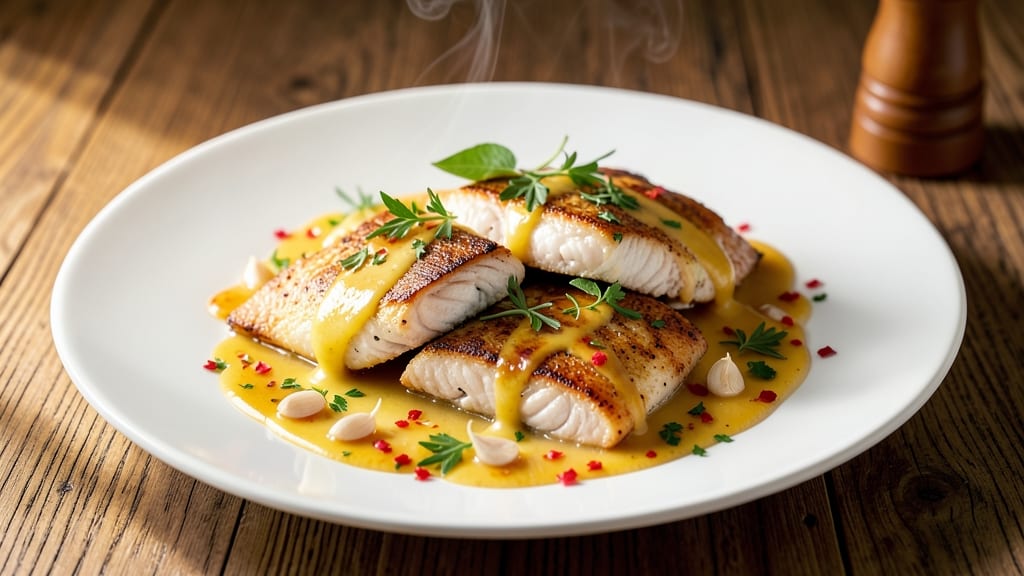
This baked fish with lemon butter sauce delivers restaurant-quality results with minimal effort—juicy, flaky fillets kissed by a bright, tangy sauce that cuts through richness perfectly.
The secret lies in high-heat baking for crisp edges while keeping the center tender, paired with a sauce that transforms simple ingredients into something extraordinary. I developed this after years of testing, ensuring every element—from oven temperature to sauce reduction—works together seamlessly.
The recipe begins with simple seasoning—just salt, pepper, and a touch of garlic—before baking the fish to 145°F for a foolproof doneness check. Meanwhile, the lemon butter sauce simmers with fresh herbs, creating a velvety glaze that clings to every bite.
What sets this apart is the balance: the sauce’s acidity brightens the fish, while the butter adds richness without overpowering. No fancy techniques required—just precise timing and attention to detail.
By the time you plate it, you’ll have golden, crisp-edged fillets topped with a glossy lemon butter sauce that drizzles effortlessly. The contrast of textures—tender fish, silky sauce, and potential sides like roasted asparagus or crusty bread—makes this dish feel elevated yet approachable.
It’s the kind of meal that feels special without requiring hours in the kitchen, perfect for weeknight dinners or weekend gatherings.
For extra flair, garnish with fresh parsley or lemon zest before serving. The sauce can be made ahead and reheated gently, saving time on busy nights. Whether you’re cooking for two or a crowd, this recipe scales beautifully while maintaining its signature balance of brightness and richness.
Let’s get started—your table is about to taste like a seaside bistro.
Ingredients for baked fish with lemon butter sauce
Simple ingredients transform into restaurant-worthy fish with crisp edges and velvety lemon butter sauce.
| Ingredient | Amount | Notes |
|---|---|---|
| White Fish Fillets 🐟 | 4 pieces | Cod, halibut or tilapia preferred |
| Unsalted Butter 🧈 | ½ cup | Cold, cubed for even melting |
| Fresh Lemon Juice 🍋 | ¼ cup | From 2-3 lemons, freshly squeezed |
| Garlic Cloves 🧄 | 3 cloves | Minced, for sauce depth |
| Fresh Parsley 🌿 | ¼ cup | Chopped, for sauce freshness |
| Kosher Salt 🧂 | 1 ½ tsp | Diamond Crystal preferred |
| Freshly Ground Black Pepper 🌶️ | ½ tsp | For balanced seasoning |
| Extra-Virgin Olive Oil 🫒 | 1 tbsp | For crisp edges |
| Heavy Cream 🥛 | ¼ cup | Full-fat for sauce richness |
| Lemon Zest 🍋 | 1 tsp | For aromatic brightness |
| Fresh Dill 🌿 | 1 tbsp | Optional, for herbal note |
| All-Purpose Flour 🌾 | 1 tbsp | For sauce thickening |
The fish makes or breaks this dish—look for firm, translucent fillets with no fishy odor. Whole Foods or local seafood markets are best for quality, but most grocery stores carry frozen options that work fine if thawed properly. Cod and halibut hold up best to high heat, but tilapia or mahi-mahi work too. Pat the fillets dry before seasoning—they crisp better when moisture-free. I always buy extra lemon just in case; fresh juice is non-negotiable for that bright, tangy kick that cuts through the butter's richness.
No fresh dill? Skip it or use 1 tsp dried—it's optional but adds a lovely herbal note. Running short on butter? Olive oil works in a pinch, though it won't give the same velvety texture. The sauce can handle a little extra lemon juice if you're feeling bold, but don't overdo it or you'll lose that perfect balance. For a lighter version, swap heavy cream for half-and-half or coconut milk. The flour is just for thickening—don't skip it, but if you're gluten-free, use cornstarch instead. Fresh herbs are ideal, but dried will work at one-third the amount if needed.
The sauce reheats beautifully—just warm it gently on the stove with a splash of water or lemon juice to loosen it. Store it in the fridge for up to 5 days, covered tightly to preserve that bright lemon flavor. The fish itself is best served immediately, but you can bake it ahead and reheat at 350°F for 8-10 minutes. For extra flair, zest the lemon over the top right before serving. The sauce freezes well too—just thaw it slowly in the fridge and reheat gently to avoid curdling.
Why You'll Love This Recipe
- One-Pan Magic: I swear by this—just toss the fish, butter, and garlic on a sheet pan, pop it in the oven, and walk away. No pots, no mess, no stress. The lemon butter pools right on top, so you’re basically getting a free sauce without extra work.
- Crispy-Creamy Perfection: That golden crust on the outside? Pure satisfaction. The butter and lemon cut through the richness while the garlic and parsley add layers of flavor—bright, herby, and just salty enough to make your taste buds dance.
- Weeknight to Dinner Party: Serve it with roasted potatoes and steamed greens for a fuss-free family meal, or drizzle it over crusty bread with a side salad for a restaurant-worthy spread. Honestly, it’s my go-to when I need something effortless but impressive.
- Budget-Friendly Leftovers: Fish is affordable when you buy it fresh, and this recipe stretches easily—double the batch and reheat portions in the microwave with a splash of lemon. (Yes, even on a Tuesday night.) The sauce keeps well, so you’re not stuck with dry, sad fish.
Step-by-step instructions for baked fish with lemon butter sauce
Here's how to achieve perfectly baked fish with a velvety lemon butter sauce that's bright, rich, and foolproof.
Prepare the Fish for Optimal Texture
Pat the 4 pieces white fish fillets completely dry with paper towels. This step is crucial—any moisture on the surface will prevent that beautiful crispy skin we're after. Place each fillet on a wire rack set over a baking sheet to allow air circulation on all sides, which promotes even cooking.
Season both sides generously with the 1.5 teaspoons kosher salt and 0.5 teaspoon freshly ground black pepper. I like to press the salt down gently so it adheres well. Let the seasoned fillets sit at room temperature for 10 minutes before baking—this ensures more even cooking throughout.
Create the Lemon Butter Sauce Base
In a small saucepan, melt the 0.5 cup unsalted butter over medium heat until it's completely liquid but not browned. Add the 3 minced garlic cloves and cook for 30 seconds until fragrant—don't let them brown or they'll turn bitter. Remove from heat and stir in the 0.25 cup fresh lemon juice and 1 teaspoon lemon zest. This bright citrus flavor will cut through the richness of the butter beautifully.
Return the sauce to low heat and whisk in the 0.25 cup heavy cream. Let it warm through for 2 minutes, then stir in the 1 tablespoon all-purpose flour to thicken the sauce slightly. Keep this sauce warm while you bake the fish—it should maintain a velvety consistency without separating.
Bake the Fish to Perfect Doneness
Preheat your oven to 375°F. While it heats, brush each fish fillet lightly with the 1 tablespoon extra-virgin olive oil. This helps create those crisp edges while keeping the fish moist. Place the fillets on a parchment-lined baking sheet, skin-side down if they have skin.
Bake for 12-15 minutes until the fish is just opaque in the center and flakes easily with a fork. The exact time depends on thickness—you want it to reach 145°F internally. Overcooking is the enemy here; fish continues cooking slightly after you remove it from the oven. When you see the edges start to turn golden and the fish releases easily from the pan, it's ready.
Finish with Fresh Herbs and Sauce
Remove the fish from the oven and transfer it to serving plates. Spoon the warm lemon butter sauce over each fillet, allowing it to cascade down the sides. The sauce should coat the fish completely, creating a glossy, flavorful finish.
Garnish each serving with 1 tablespoon chopped fresh parsley and 1 tablespoon fresh dill (if using). The herbs add a fresh, bright contrast to the rich sauce and tender fish. Serve immediately while the fish is still warm and the sauce is at its peak consistency. The combination of crisp edges, tender flesh, and tangy sauce makes this dish truly special.
Pro Tips For Making Baked Fish With Lemon Butter Sauce
- Pat the Fish Dry: Wet fish steams instead of browning—skip the crusty butter blanket. Grab paper towels and press firmly over the fillets before adding anything. I used to skip this, and my sauce would just pool instead of clinging to the fish.
- Use Cold Butter: Melted butter drips everywhere and makes the sauce thin. Cut your unsalted butter into small cubes and scatter them over the fish before baking—it’ll melt just enough to create a rich, glossy coating without turning into soup. (Yes, even if you’re impatient like me.)
- Don’t Overmix the Sauce: The lemon butter sauce is simple, but stirring it into a paste with minced garlic and parsley kills its texture. Roughly chop the parsley and smash the garlic cloves with the flat of your knife—no need to blend it into oblivion. The sauce should look like it belongs in a rustic dish, not a fine-dining menu.
- Check for Doneness Early: White fish flakes apart at 145°F (63°C), but it’s easy to overcook it while waiting for the sauce to thicken. Slide a fork in at 12 minutes—if it separates easily, it’s done. Cover the fish with foil for the last 3-4 minutes if the sauce needs more time. (Your future self will thank you.)
Storing and reheating this baked fish with lemon butter sauce
Sauce Storage Secrets
The lemon butter sauce keeps beautifully in the fridge for up to 5 days when stored in an airtight container—I use glass Pyrex jars for best results. The sauce actually improves overnight as the flavors meld together.
For longer storage, freeze it in 1-cup portions using silicone ice cube trays—thaw overnight in the fridge before reheating. 💫
Fish Reheating Rules
Baked fish is best served fresh, but if you need to reheat, wrap it in aluminum foil and warm at 350°F for 8-10 minutes. The foil prevents drying while the oven gently rehydrates the fish.
For extra moisture, add 1 tablespoon water or lemon juice to the foil before sealing. Never microwave—it turns fish rubbery!
Sauce Revival Tricks
If your refrigerated sauce thickens too much, simply whisk in 1 teaspoon water or lemon juice while warming it gently on low heat. For frozen sauce, thaw it in the fridge overnight—never at room temperature.
If the sauce separates, whisk vigorously while reheating. A splash of heavy cream can restore its velvety texture if needed.
Make-Ahead Strategy
Prepare the sauce 1 day ahead and store it separately from the fish. Bake the fish fresh before serving—it's worth the 15 minutes of oven time. If prepping for a crowd, bake the fish 1 hour ahead, then reheat gently.
The sauce's lemon brightness peaks when fresh, so always make it last minute for maximum flavor impact. ✨
Freezer-Friendly Tips
For the ultimate time-saver, freeze the fish uncooked in airtight freezer bags with parchment between fillets. Thaw overnight in the fridge, then bake as directed. The sauce freezes well too—just add 1 extra tablespoon water when reheating to prevent thickening. Label everything with dates to track freshness.
Plating Perfection
When reheating, spoon the warm sauce over the fish right before serving to maintain that glossy finish. Garnish with fresh herbs and lemon zest at the table—this keeps everything looking restaurant-fresh.
The contrast of warm fish with cool sauce creates a sensory experience that feels special without extra effort. 🍽️
Nutrition facts
Frequently asked questions
What's the best fish to use for this lemon butter baked recipe?
Cod, halibut, or mahi-mahi work perfectly—they stay tender and hold their shape beautifully. For extra richness, try salmon. Avoid delicate fish like flounder, as they can fall apart when baked. Always choose fillets with firm texture and minimal fishy odor for the best results.
Can I make the sauce ahead of time?
The sauce keeps well in the fridge for 5 days in an airtight container. For best flavor, reheat it gently on low heat with a splash of water or lemon juice to loosen it. The sauce actually tastes better the next day as flavors meld together—just avoid freezing if you plan to use it within 5 days.
How do I know when the fish is fully cooked?
The fish is done when it reaches 145°F internally and flakes easily with a fork. The edges should be golden, and the center should appear just opaque (not translucent). For thicker fillets, add 2-3 extra minutes to your baking time. Never overcook—fish continues cooking slightly after removal from the oven.
What sides pair well with this dish?
Roasted asparagus, garlic sautéed green beans, or a simple arugula salad with lemon vinaigrette complement beautifully. For heartier meals, serve with crusty bread or roasted potatoes. The bright acidity in the sauce pairs especially well with earthy vegetables and starchy sides that soak up the extra sauce.
Why did my sauce turn grainy?
This usually happens if the sauce cooled too quickly or if you added the flour too fast. To fix it, whisk in 1 teaspoon water or lemon juice while warming the sauce gently on low heat. For prevention, keep the sauce warm on low heat after making it, and whisk continuously when adding the flour. If it's still grainy, strain it through a fine-mesh sieve for a silky texture.