
Sauces & Condiments
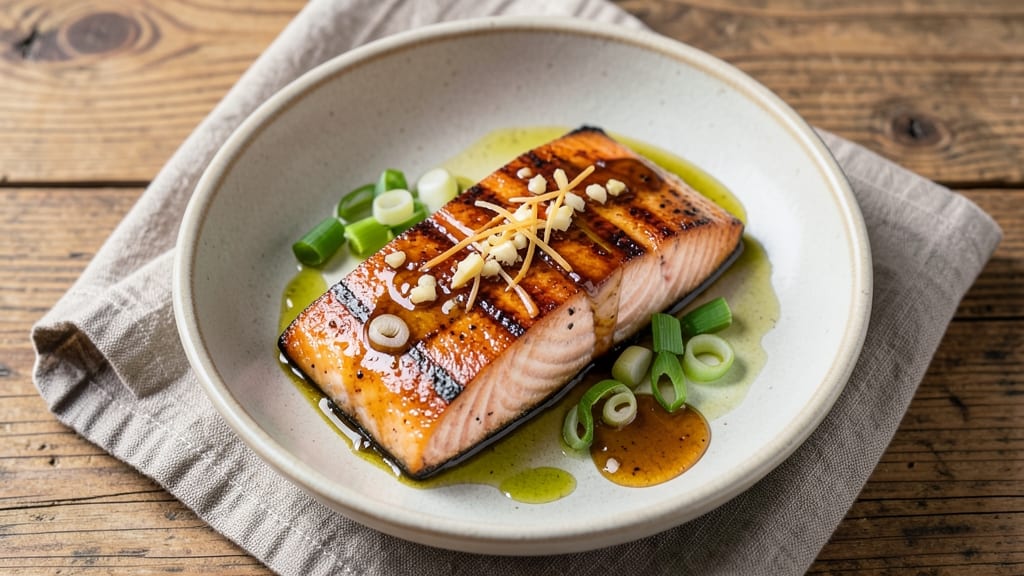
This baked salmon recipe with soy sauce and honey delivers restaurant-quality flavor in just 25 minutes, balancing sweet and savory perfection. The honey creates a caramelized glaze while soy sauce adds depth, transforming simple ingredients into a dish that feels special without requiring advanced techniques.
I first discovered this combination while working in Charleston, where seafood and bold flavors come together effortlessly.
The secret lies in the marinade—just a few minutes of prep before baking at 400°F ensures crispy skin and tender flesh with every bite. The soy sauce provides that signature umami punch, while the honey caramelizes beautifully, creating pockets of sweetness that complement the salmon's natural richness.
This recipe proves you don't need complicated methods to achieve impressive results.
What you'll end up with is perfectly baked salmon with a glossy, caramelized crust that's impossible to resist. The inside remains moist and flaky, while the glaze adds just the right amount of stickiness to every bite.
The balance of flavors is what makes this dish so special—sweet enough to satisfy cravings but savory enough to feel substantial.
Serve with steamed jasmine rice and roasted asparagus for a complete meal that's both elegant and approachable. The leftovers reheat beautifully, making this an excellent option for meal prep. Let's get started on creating this flavorful, foolproof salmon dish that will become a regular on your dinner table.
Ingredients for baked salmon recipe soy sauce honey
Eight simple ingredients transform into restaurant-quality salmon with crispy skin and sticky-sweet glaze.
| Ingredient | Amount | Notes |
|---|---|---|
| Fresh Atlantic Salmon Fillets 🐟 | 4 whole | Skin-on, 6-8 oz each |
| Honey 🍯 | ¼ cup | Wildflower or clover preferred |
| Low-Sodium Soy Sauce 🍶 | ¼ cup | Kikkoman or San-J preferred |
| Extra-Virgin Olive Oil 🫒 | 2 tbsp | For crispy skin |
| Fresh Ginger 🌿 | 1 tbsp | Finely grated, aromatic |
| Garlic Cloves 🧄 | 3 cloves | Minced, fresh preferred |
| Sesame Oil 🫒 | 1 tsp | Toasted sesame preferred |
| Diamond Crystal Kosher Salt 🧂 | 1 tsp | For seasoning |
| Ground Black Pepper 🌶️ | ½ tsp | Freshly cracked |
| Toasted Sesame Seeds 🌾 | 1 tbsp | For garnish |
| Lemon Juice 🍋 | 1 tbsp | Freshly squeezed |
| Jasmine Rice 🍚 | 1 ½ cups | Uncooked, for serving |
The salmon is everything here—look for fresh, skin-on fillets at your local seafood counter or grocery store's fish department. Trader Joe's and Whole Foods carry excellent frozen options if fresh isn't available. The skin should be intact and the flesh should glisten slightly—never dry or discolored. For the honey, local wildflower adds subtle floral notes that complement the soy sauce beautifully. I always grab Kikkoman soy sauce for its clean umami flavor, but any low-sodium brand works in a pinch. The ginger and garlic are non-negotiable for that authentic Charleston-inspired depth—freshly grated and minced makes all the difference.
No sesame oil? Toasted peanut oil at half the amount works in a bind, though it lacks that nutty aroma. Short on honey? Maple syrup or agave nectar can substitute, but expect slightly different caramelization. The olive oil is crucial for crispy skin—don't skip it! For extra richness, add 1 tbsp unsalted butter under the salmon before baking. The rice? Jasmine rice is ideal, but basmati or even instant rice will do if you're short on time. Pro tip: Pat the salmon completely dry before seasoning—this ensures maximum crispiness.
This dish reheats beautifully—just 5 minutes at 350°F with a splash of water to keep it moist. Store leftovers in an airtight container for up to 3 days in the fridge. For meal prep, portion the glaze separately and reheat it with the salmon to maintain that glossy finish. The sesame seeds keep for 6 months in a cool, dark place, while the soy sauce stays fresh indefinitely once opened. Make extra glaze—it's perfect for drizzling over rice or noodles!
Why You'll Love This Recipe
- One-Pan Magic: I swear by this recipe when I’m too tired to scrub pots—just toss the salmon, honey, and soy sauce on a sheet pan, add a few slices of ginger, and bake. The sticky glaze does all the work while I pretend I’m not cooking.
- Sweet-Savory Balance: That honey-soy glaze? It’s the kind of flavor combo that makes you pause mid-bite. The ginger adds a little kick, but the salmon stays tender enough to melt in your mouth—no dry, overcooked fish here.
- Meal Prep Hero: Between us, this is my go-to for busy weeks. Bake a tray on Sunday, and I’ve got lunch or dinner covered for three days. The salmon reheats beautifully, and the glaze keeps it tasting fresh—no sad, rubbery leftovers.
- Budget-Friendly Luxury: Fresh salmon feels fancy, but this recipe stretches it like a pro. A single fillet feeds two, and the honey-soy mix costs pennies compared to store-bought marinades. Plus, the leftovers? They disappear fast, so you’re not wasting a thing.
Step-by-step instructions for glazed salmon with soy-honey crisp
This method delivers perfectly caramelized salmon with a sticky-sweet glaze in just 25 minutes—no fuss, all flavor.
Prepare the Glaze and Season the Salmon
In a small bowl, whisk together the 0.25 cup honey, 0.25 cup low-sodium soy sauce, 1 tbsp fresh ginger, and 3 cloves minced garlic until fully combined. The mixture should be smooth with no visible ginger strings. Set aside while you prep the salmon.
Pat each of the 4 whole fresh Atlantic salmon fillets completely dry with paper towels—this is critical for crispy skin. Place them skin-side down on a clean work surface and season both sides generously with 1 tsp kosher salt and 0.5 tsp freshly cracked black pepper. The salt will draw out moisture, helping the skin crisp beautifully.
Sear the Salmon for Maximum Crisp
Preheat your oven to 400°F. Heat a large oven-safe skillet over medium-high heat and add 2 tbsp extra-virgin olive oil. Once the oil shimmers, carefully place the salmon fillets skin-side down in the pan. Press down gently on each fillet for 5 seconds to ensure full contact with the hot surface.
Sear for 3-4 minutes until the skin is golden brown and crispy. You'll see the edges curl slightly—that's your signal to flip. Cook skin-side up for another 2-3 minutes until the flesh is opaque throughout and flakes easily with a fork. Remove the salmon from the pan and set aside on a plate.
Glaze and Finish in the Oven
Pour the prepared glaze into the same skillet (no need to wipe it clean—the browned bits add depth) and bring to a gentle simmer over medium heat. Let it reduce for 2-3 minutes until slightly thickened and syrupy. Stir in 1 tsp sesame oil and 1 tbsp freshly squeezed lemon juice, then remove from heat.
Return the salmon fillets to the skillet, spooning the glaze evenly over the top of each piece. Transfer the entire skillet to the preheated 400°F oven and bake for 8-10 minutes until the glaze bubbles and caramelizes. Watch closely—you want it to turn a deep amber color without burning.
Garnish and Serve
Remove the salmon from the oven and let it rest for 2 minutes before garnishing. Sprinkle each fillet with 1 tbsp toasted sesame seeds and serve immediately over 1.5 cups cooked jasmine rice. The glaze should be glossy and sticky, clinging perfectly to the salmon with each bite.
For extra flair, drizzle any remaining pan sauce from the skillet over the rice. The contrast of the warm, crispy salmon with the light, fluffy rice creates a balanced plate that's both elegant and satisfying. The soy-honey glaze adds a perfect balance of sweet, salty, and umami flavors that complement the natural richness of the salmon.
Pro Tips For Making Baked Salmon Recipe Soy Sauce Honey
- Preheat Pan First: I learned this the hard way—cold salmon on a hot pan sticks like glue. Give that baking dish a good 5 minutes in the oven at 400°F (200°C) before adding the fish. The oil will spread evenly, and the salmon won’t fight you when you flip it later.
- Grate Ginger Fine: Sounds weird, but it works: finely grated ginger (not minced) blends into the glaze smoothly without clumps. Use about 1 teaspoon—enough to taste, but not enough to overpower the honey-soy balance. (Yes, even if you’re impatient like me.)
- Skip the Overmixing: The glaze should coat the salmon, not turn into a sticky paste. Mix the honey, soy sauce, and olive oil just until combined—about 10 seconds with a fork. Overmixing makes it cling like syrup, and the salmon ends up soggy instead of caramelized.
- Test Doneness Early: Salmon’s done when it hits 125°F (52°C) internally, but pull it out at 120°F (49°C) if you prefer it juicier. The residual heat finishes the cook. Use a meat thermometer—guessing leads to dry fish, and nobody wants that with this sweet-savory glaze.
Best sauces and condiments for this recipe
Classic Soy-Honey Glaze
This is the star of the show—a perfect balance of sweet honey and umami-rich soy sauce that caramelizes beautifully. I use Kikkoman low-sodium soy sauce for its clean flavor, but any good-quality brand works.
The honey should be wildflower or clover for subtle floral notes that pair perfectly with the salmon's natural richness. For extra depth, I add 1 tbsp freshly grated ginger and 3 minced garlic cloves to the glaze—these aromatics elevate the dish from good to restaurant-quality. 🍯
Sesame Oil Finish
After reducing the glaze, stir in 1 tsp toasted sesame oil and 1 tbsp fresh lemon juice just before serving. The sesame oil adds nutty aroma that cuts through the sweetness, while the lemon brightens everything up.
I always use toasted sesame oil (not the regular kind) for that authentic, toasty flavor. If you're short on time, a splash of rice vinegar works in a pinch, though it lacks the same depth. The lemon juice also helps balance the richness of the salmon and glaze.
Spicy Variations
For a kick, add ½ tsp red pepper flakes or 1 tsp gochujang to the glaze before reducing. The heat pairs beautifully with the sweet-savory flavors. I love this version when serving to guests who enjoy a little spice—it adds complexity without overpowering.
For a milder heat, try ½ tsp sriracha instead. The key is to add the spice early in the glaze-making process so it distributes evenly throughout the caramelization.
Sweet Variations
Want to make it even sweeter? Swap 1 tbsp of the honey for maple syrup or agave nectar. The maple adds a subtle earthiness that works surprisingly well with the soy sauce.
For a fruity twist, stir in 1 tbsp orange zest or ½ tsp vanilla extract at the end—both add layers of flavor that complement the salmon beautifully. I've also experimented with ½ tsp cinnamon in the glaze for a warm, cozy note that's perfect for fall dinners.
Herb-Infused Glaze
Fresh herbs can take this glaze to the next level. After reducing the glaze, stir in 1 tbsp finely chopped cilantro or thyme leaves for a bright, aromatic finish. The herbs add freshness that cuts through the richness of the salmon.
I especially love this with thyme—it's a classic pairing in French cuisine that works beautifully here. For a more Mediterranean touch, add 1 tsp dried oregano to the glaze while reducing. The herbs should be added at the very end so they stay vibrant and fragrant.
Make-Ahead Glaze
You can prepare the glaze up to 3 days ahead and store it in an airtight container in the fridge. When ready to use, simply reheat it gently in a small saucepan over low heat until warmed through.
This is perfect for meal prep—just store the salmon separately and assemble when ready to serve. The glaze will keep its flavor, though the texture might thicken slightly. If it gets too thick, thin it with 1 tsp water or rice vinegar before using.
The salmon itself can be marinated in the glaze for up to 4 hours before baking for even deeper flavor.
Nutrition facts
Frequently asked questions
Can I use frozen salmon instead of fresh?
Thaw frozen salmon overnight in the fridge before using. For best results, pat it completely dry with paper towels—this helps the skin crisp up beautifully. Never thaw at room temperature, as this creates unsafe bacteria growth zones. The texture difference is minimal when cooked properly.
What if my glaze burns before caramelizing?
Watch closely during the final 8-10 minutes in the oven—this is when it happens most often. If it starts to darken too quickly, remove it immediately and finish under a broiler for 1-2 minutes (watch constantly!). The glaze should be amber, not black. For extra insurance, reduce the oven temp to 375°F during this step.
How do I adjust this for a honey allergy?
Swap the honey for 0.25 cup maple syrup or agave nectar—both work beautifully with soy sauce. For a neutral sweetener option, try 0.25 cup brown sugar dissolved in 1 tbsp water (simmered until syrupy). The caramelization will be slightly different but still delicious. The key is maintaining that sweet-savory balance.
Can I make this in a conventional oven instead of toaster oven?
Yes, but use a light-colored baking sheet (not dark) to prevent over-browning. Line it with parchment paper for easy cleanup. The cooking time remains the same (25 minutes total), but check the salmon at 18 minutes to ensure it doesn't overcook. The skillet method in the recipe actually gives better glaze adhesion.
What's the best way to reheat leftovers?
Reheat gently in a 350°F oven for 5-7 minutes with a splash of water in the pan. This keeps the glaze glossy and prevents drying. For microwave reheating, cover with a damp paper towel and heat in 20-second bursts until warmed through. Never reheat salmon above 145°F—it's delicate and can become rubbery if overcooked.