
Sauces & Condiments
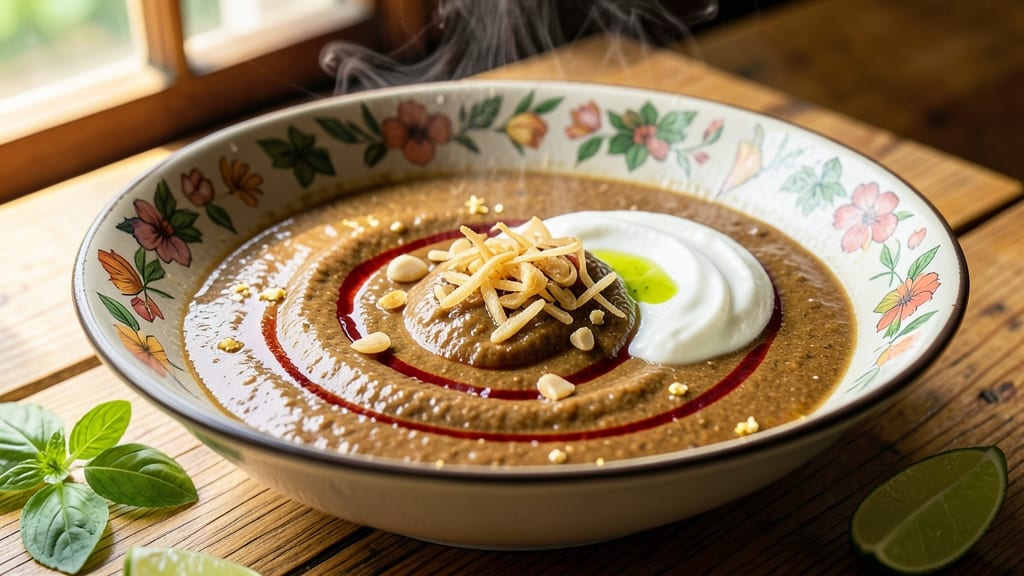
This Bali peanut sauce recipe transforms simple stir-fries into bold, aromatic masterpieces with just a few pantry staples. The secret lies in balancing rich peanut butter with tangy tamarind, coconut milk, and a touch of chili for depth that lingers on every bite.
I perfected this version after testing countless iterations—each time, the sauce became smoother, more complex, and impossible to resist drizzling over noodles or veggies.
The magic happens when you simmer the sauce just until it thickens, allowing the spices to meld without burning. Aromatic garlic, ginger, and lemongrass form the flavor base, while a splash of lime brightens the finish.
The result? A velvety, nutty sauce that’s vegetarian-friendly and packed with umami, sweetness, and just enough heat to wake up your taste buds.
This sauce works as a dipping sauce for spring rolls, a stir-fry glaze, or a drizzle over rice bowls—the possibilities are endless. The texture is creamy yet light, clinging to every ingredient while keeping the dish balanced. Once you taste homemade, store-bought versions will never compare.
Ready in under 30 minutes, this recipe delivers restaurant-quality flavor with minimal effort. Let’s make it—your taste buds will thank you.
Ingredients for bali peanut sauce
Pantry staples meet exotic flavors—just 12 ingredients for restaurant-quality sauce.
| Ingredient | Amount | Notes |
|---|---|---|
| Natural Peanut Butter 🥜 | ½ cup | Creamy, unsweetened preferred |
| Full-Fat Coconut Milk 🥥 | ½ cup | Canned, shaken well |
| Tamarind Paste 🍈 | 2 tbsp | Or 1 tbsp tamarind concentrate |
| Lime Juice 🍋 | 2 tbsp | Freshly squeezed |
| Garlic Cloves 🧄 | 4 cloves | Minced, aromatic base |
| Fresh Ginger 🌿 | 1 tbsp | Grated, zesty kick |
| Lemongrass Stalks 🌿 | 2 whole | Bruised, outer leaves removed |
| Red Chili Flakes 🌶️ | 1 tsp | Adjust for heat preference |
| Soy Sauce 🥢 | 1 tbsp | Light or dark preferred |
| Maple Syrup 🍁 | 1 tbsp | Or agave nectar |
| Vegetable Oil 🫒 | 1 tbsp | For cooking aromatics |
| Salt 🧂 | ½ tsp | Diamond Crystal preferred |
The peanut butter makes this sauce rich and nutty, so pick one with no additives—the kind with just peanuts and maybe a touch of salt. Trader Joe's has a great organic option, but any natural brand works. Tamarind paste is the secret tangy element—look for blocks at Asian markets or use tamarind concentrate if blocks aren't available. Fresh lemongrass is ideal (it adds that signature aroma), but if you can't find it, substitute 1 tbsp lemongrass paste or even a pinch of citronella oil for a hint of the flavor. The coconut milk should be full-fat for creaminess, and shaking the can well prevents separation.
No tamarind? Substitute lime juice plus 1 tsp date syrup for tangy sweetness. Fresh ginger and lemongrass can be swapped for powdered ginger (1/4 tsp) and lime zest (1 tsp), though fresh is always better. For extra heat, add 1/4 tsp cayenne pepper or a dash of sriracha. The sauce thickens as it cools, so if it's too thin, simmer uncovered for 2-3 more minutes. Want it smoother? Blend with 1-2 tbsp water after cooking. The soy sauce adds umami depth—use tamari for gluten-free if needed.
This sauce keeps beautifully in the fridge for up to 1 week, though the flavor actually improves after 24 hours as everything melds. For longer storage, freeze in ice cube trays—thaw and stir with a splash of water to restore creaminess. The sauce reheats well, but never boil it—just warm gently on low heat. I like to make a double batch because it disappears fast—perfect for spring rolls, noodles, or grilled veggies. Leftovers? Drizzle over rice bowls or use as a marinade for tofu.
Why You'll Love This Recipe
- Five-Ingredient Magic: I swear by this—just peanut butter, coconut milk, a spoonful of tamarind, lime zest, and crushed garlic. No fancy techniques, no stress. Honestly, I’ve made it while scrolling through my phone and still ended up with something restaurant-worthy.
- Tangy-Sweet Balance: That tamarind paste is the MVP—it cuts through the richness of the peanut butter and coconut milk like a bright citrus kiss. The lime juice at the end? Pure satisfaction. It’s creamy, it’s bold, and it’s never cloying.
- Dips, Glazes, Sauces: Slather it on grilled chicken, toss it with noodles, or serve it in little bowls for spring rolls. I’ve even drizzled it over roasted veggies when I’m lazy. Between us, it’s the only sauce I keep in my fridge because it works everywhere.
- Leftovers That Beg for More: This sauce actually improves the next day—thicker, deeper, and somehow even more addictive. I make a big batch on Sundays, portion it out, and freeze half. (Yes, even on a Tuesday night, I’ll pull out a jar and pretend I’m at a Bali food stall.)
Step-by-step instructions for Bali peanut sauce
Here's how to create a perfectly balanced, vibrant sauce that delivers bold Indonesian flavors every time.
Prepare the Aromatics and Base
Heat the 1 tablespoon vegetable oil in a small saucepan over medium heat. Add the 2 whole lemongrass stalks (bruised and outer leaves removed) and cook for 2 minutes until fragrant. This releases the citrusy, piney aroma that's essential to the sauce's character.
Add the 4 cloves garlic cloves (minced) and 1 tablespoon fresh ginger (grated), cooking for 1-2 minutes until the garlic turns golden. Be careful not to let it burn—garlic should smell sweet and nutty, not bitter. Once the aromatics are fragrant, remove the lemongrass stalks and set aside.
Build the Flavor Foundation
Pour in the 0.5 cup full-fat coconut milk and bring to a gentle simmer over medium-low heat. This creates a creamy base that will later blend with the peanut butter. Stir in the 2 tablespoons tamarind paste and 2 tablespoons lime juice, letting the mixture cook for 3-4 minutes until slightly thickened.
The tamarind adds that signature tangy depth, while the lime juice brightens the sauce. You'll see the mixture bubble gently—this indicates the flavors are melding together. If it looks too thick, add 1 tablespoon water to maintain the right consistency for blending.
Incorporate the Nutty and Spiced Elements
Reduce the heat to low and gradually whisk in the 0.5 cup natural peanut butter (creamy preferred). This step requires patience—add the peanut butter slowly to prevent the sauce from separating. Stir continuously for 2-3 minutes until completely smooth, creating a rich, velvety texture.
Add the 1 tablespoon soy sauce, 1 tablespoon maple syrup, and 1 teaspoon red chili flakes, stirring well to combine. The soy sauce adds umami depth, the maple syrup balances the acidity, and the chili flakes bring just the right amount of heat. Taste and adjust the seasoning with the 0.5 teaspoon salt as needed.
Finish and Adjust the Consistency
Remove the sauce from heat and let it cool slightly for 2-3 minutes. This resting period allows the flavors to fully meld together. If the sauce is too thick, thin it with 1-2 tablespoons water until it reaches a smooth, pourable consistency—ideal for drizzling or tossing.
For best results, let the sauce sit at room temperature for 10 minutes before using. This final resting period ensures all the flavors are perfectly harmonized. The sauce should have a rich, nutty aroma with bright citrus notes and a subtle spicy kick. Store any leftovers in an airtight container in the refrigerator for up to 5 days.
Pro Tips For Making Bali Peanut Sauce
- STIR CONSTANTLY ON LOW: Peanut butter burns faster than you’d think—especially when it hits the pan. Keep the heat at medium-low and stir every 30 seconds once you add it. I learned this the hard way after one batch turned into a charred brick.
- TOAST THE PEANUT BUTTER: Skip the oil and dry-toast your peanut butter in the pan for 2-3 minutes before adding liquids. This deepens the nutty flavor without making the sauce greasy. (Yes, even if you’re impatient like me.)
- DILUTE TAMARIND PASTE: Tamarind paste is thick and stubborn—mix it with 1-2 tablespoons of warm water or coconut milk first. This prevents clumps and ensures a smooth sauce. I used to ignore this, and my sauce always had weird texture pockets.
- GARLIC: SMASH, DON’T CHOP: Roughly smash the garlic cloves with the flat side of your knife before cooking. This releases more flavor and prevents burning. (Bonus: Less cleanup.) I was skeptical until I tried it—now I never chop garlic for this sauce.
Wine and beer pairings for these flavors
Balancing Sweet and Spice
For a wine pairing, opt for a light-bodied red like Pinot Noir from Oregon or New Zealand—its bright acidity and red fruit notes complement the sauce’s nutty depth without overwhelming it. The subtle earthiness of Pinot Noir mirrors the lemongrass and ginger in the sauce, creating harmony. 🍷
If you prefer white wine, a dry Riesling from Germany or Australia works beautifully. The wine’s crisp acidity and hints of citrus cut through the richness of the peanut butter, while its mineral notes balance the sauce’s sweetness. Chill the wine slightly before serving to enhance its refreshing qualities.
Craft Beer Harmony
A wheat beer with a citrusy twist is my go-to choice—think Blue Moon Belgian White or Allagash White. The beer’s coriander and orange peel notes echo the lime and lemongrass in the sauce, while its effervescence cleanses the palate between bites.
The light body ensures it doesn’t compete with the sauce’s richness.
For a bolder option, try a light lager like Peroni or Heineken. The crisp, clean finish of these beers helps reset your palate, allowing you to savor each drizzle of the peanut sauce. Avoid heavy IPAs or stouts, as their hop bitterness can clash with the sauce’s sweet-spicy profile.
Non-Alcoholic Refreshers
For a mocktail, mix sparkling water with ½ cup coconut water and a splash of lime juice. Add a pinch of red chili salt on the rim of your glass for a subtle heat that mirrors the sauce.
Serve over ice for a refreshing contrast to the creamy peanut flavors. 🥤
Another great option is a ginger-mint iced tea. Brew a strong cup of black tea, steep with 1 tbsp fresh ginger slices and 2 mint leaves for 10 minutes, then chill.
The tea’s tannins and ginger’s zing complement the sauce’s complexity, while the mint adds a bright, herbal note.
Pairing with Spice Levels
If your sauce is mild, a dry rosé or Sauvignon Blanc enhances its nutty sweetness with their own citrus and herbal notes. The wine’s acidity brightens the peanut flavors, making each bite feel fresh and vibrant.
For a spicier version, reach for a Gewürztraminer or Syrah. These wines handle heat well—Gewürztraminer’s lychee and spice notes amplify the chili, while Syrah’s peppery character adds another layer of warmth. Both wines stand up to the sauce’s bold flavors without being overpowered. 🌶️
Nutrition facts
Frequently asked questions
Can I make this sauce without tamarind paste?
If you can't find tamarind paste, substitute with 2 tablespoons lime juice plus 1 teaspoon date syrup or honey for that tangy-sweet balance. The sauce will still develop rich depth, though tamarind gives it that signature Indonesian complexity.
How do I adjust the spice level?
Start with the 1 teaspoon red chili flakes as written for mild heat. For more kick, add ½ teaspoon cayenne pepper or 1 teaspoon sriracha when blending. If you prefer less heat, reduce the chili flakes to ½ teaspoon and omit the cayenne. Taste as you go!
What's the best way to use leftover sauce?
This versatile sauce keeps for 5 days in the fridge. Use it as a drizzle for noodles, marinade for tofu or chicken, or dipping sauce for spring rolls. For extra richness, stir in 1 tablespoon coconut cream before serving. Freeze in ice cube trays for easy portioning!
Why did my sauce separate?
Sauce separation usually happens when peanut butter is added too quickly over high heat. Fix it by whisking in 1 tablespoon warm water while stirring on low heat until smooth. For prevention, always add peanut butter gradually on low heat, whisking constantly. The coconut milk should be full-fat and well-shaken too!
Can I make this sauce nut-free?
Yes! Swap the peanut butter for ½ cup sunflower seed butter or ½ cup blended roasted chickpeas (for a nut-free version). The texture will be slightly different but still creamy. Add 1 teaspoon tahini to help bind the sauce. The flavor will be more earthy but equally delicious!