
Sauces & Condiments
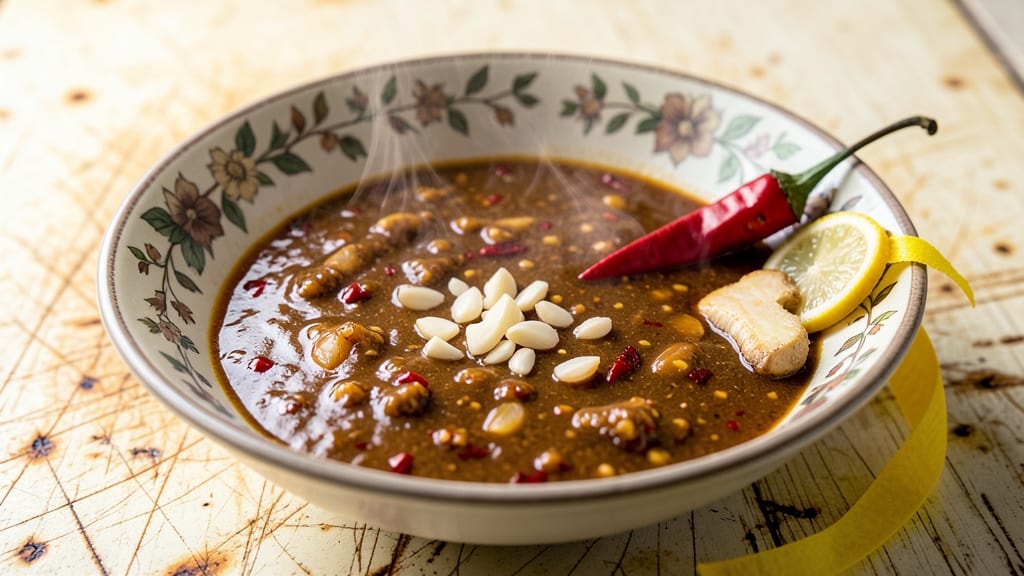
This Balinese sauce recipe transforms simple ingredients into a complex, aromatic condiment that bridges sweet, spicy, and nutty flavors in every bite.
The secret lies in balancing traditional elements like shrimp paste (terasi), turmeric, and lemongrass with the rich depth of toasted peanuts and coconut milk—a harmony that elevates everything from grilled meats to noodles.
I developed this version after years of experimenting with regional variations, refining it to deliver that signature Balinese tang without sacrificing ease.
The foundation starts with a fragrant paste of garlic, shallots, and chili, toasted until fragrant, then blended with shrimp paste for its unmistakable umami punch. Coconut milk adds creaminess, while tamarind and palm sugar create that signature tangy-sweet balance.
The sauce thickens beautifully when simmered, developing layers of flavor that only intensify over time—perfect for drizzling, dipping, or braising.
What makes this sauce truly special is its versatility. Use it as a marinade for chicken or pork, a dipping sauce for spring rolls, or a finishing touch for stir-fries. The nutty depth from toasted peanuts and the warmth of ginger ensure every spoonful delivers complexity.
Best of all, it keeps well in the fridge for up to 2 weeks, so you can make a big batch and enjoy it throughout the week.
For those new to Balinese flavors, don’t skip the shrimp paste—it’s the heart of the sauce’s depth. If you’re avoiding it, substitute with a pinch of miso paste for umami, though the flavor will differ slightly.
The key is patience: let the sauce simmer until it thickens naturally, and the aromatics meld into something truly irresistible. This isn’t just a sauce; it’s a flavor experience.
Ingredients for balinese sauce
Nine bold flavors blend into this aromatic Balinese sauce—nutty, tangy, and spicy all at once.
| Ingredient | Amount | Notes |
|---|---|---|
| Shrimp Paste (Terasi) 🦐 | 2 tbsp | Traditional umami base |
| Garlic Cloves 🧄 | 8 cloves | Peeled, roughly chopped |
| Shallots 🧅 | 4 whole | Peeled, roughly chopped |
| Red Chili Peppers 🌶️ | 2 whole | Seeds removed for mild heat |
| Fresh Turmeric 🌿 | 1 tbsp | Freshly grated, vibrant color |
| Fresh Ginger 🌿 | 1 tbsp | Freshly grated, aromatic |
| Lemongrass 🌿 | 3 tbsp | Finely chopped, tender stems |
| Toasted Peanuts 🥜 | ½ cup | Lightly toasted, chopped |
| Coconut Milk 🥥 | 1 cup | Full-fat for creaminess |
| Palm Sugar 🍯 | 2 tbsp | Or substitute brown sugar |
| Tamarind Paste 🍈 | 1 tbsp | Adjust for tang preference |
| Fish Sauce 🍶 | 1 tbsp | Traditional umami balance |
| Olive Oil 🫒 | 2 tbsp | For toasting aromatics |
| Salt 🧂 | ½ tsp | Adjust to taste |
The shrimp paste is non-negotiable—look for terasi at Asian markets or substitute with a pinch of miso paste if avoiding it. Fresh turmeric and ginger should be vibrant and aromatic—skip the powdered versions here. For lemongrass, grab the tender inner stems (about 3 tbsp chopped) from the freezer section at Whole Foods if fresh isn't available. Toast the peanuts in a dry pan until golden—they're the secret to that nutty depth everyone loves. If you can't find palm sugar, brown sugar works in a pinch, though it'll be slightly less refined.
No fish sauce? Soy sauce or extra miso paste gets you close, though the flavor will shift slightly. Short on tamarind? Lime juice at half the amount adds tang, but you'll lose that signature depth. The coconut milk should be full-fat—canned brands like Thai Kitchen are perfect for this. For a quicker version, blend all the dry ingredients first, then stir them into the coconut milk. The sauce thickens as it simmers, so don't rush it—patience is key here. If it gets too thick, a splash of water or more coconut milk brings it back.
This sauce keeps beautifully—up to 2 weeks in the fridge sealed in a jar. The flavors actually deepen over time, so making a big batch is worth it. For leftovers, reheat gently on the stove with a splash of water to restore that silky texture. Freezes well for up to 3 months if you want to prep ahead. I always double the batch—one for immediate use, one to stash in the freezer for lazy weeknights. The sauce pairs perfectly with grilled meats, noodles, or even as a dipping sauce for spring rolls.
Why You'll Love This Recipe
- Five-Ingredient Magic: I swear, this sauce comes together with just a knife, a pan, and zero stress. The terasi and turmeric do all the heavy lifting—no fancy techniques, no waiting for hours.
- Umami Bomb: That first whiff of shrimp paste frying with garlic? Instant flavor explosion. The chili and shallots deepen into something rich and complex, but it’s still bright enough to wake up any dish.
- Weeknight & Party: Slap this on grilled fish, stir it into noodles, or drizzle it over rice—it’s my go-to for lazy nights and when I’m hosting. (Yes, even on a Tuesday night.)
- Budget Powerhouse: A little terasi goes a long way, and the rest of the ingredients are pantry staples. I’ve made this for $3 a serving, and it still tastes like I spent an hour in the kitchen.
Step-by-step instructions for Balinese sauce
Here's how to build this aromatic, complex sauce with layers of umami, spice, and nutty depth.
Toast the Aromatics for Maximum Flavor
Heat the 2 tablespoons olive oil in a medium saucepan over medium heat until shimmering. Add the 2 tablespoons shrimp paste (terasi) and stir constantly for 30 seconds until it melts and releases its deep, funky aroma. This is your flavor foundation—don't rush this step.
Add the 8 cloves garlic cloves, 4 whole shallots, 2 whole red chili peppers (seeds removed), 1 tablespoon fresh turmeric, and 1 tablespoon fresh ginger. Stir frequently for 5-6 minutes until the shallots soften and the garlic turns golden brown. You'll smell the aromatics transform—this is when the magic happens. Watch carefully to avoid burning the garlic.
Build the Spice Base with Lemongrass and Peanuts
Reduce heat to medium-low and add the 3 tablespoons lemongrass and ½ cup toasted peanuts. Stir for 2 minutes until the lemongrass releases its citrusy aroma and the peanuts turn golden. The peanuts add that signature nutty crunch and richness that makes this sauce special.
Here's where it gets interesting—press the aromatics against the pan with a wooden spoon to extract every last bit of flavor. You want the sauce to develop a thick, paste-like consistency at this stage. If it looks too dry, add 1-2 tablespoons water to help it blend smoothly.
Balance with Sweet, Tangy, and Umami Elements
Pour in the 1 cup coconut milk and stir vigorously to combine. Add the 2 tablespoons palm sugar, 1 tablespoon tamarind paste, 1 tablespoon fish sauce, and ½ teaspoon salt. Taste and adjust—you're aiming for a perfect balance of sweet, tangy, and savory. The tamarind should brighten the sauce, while the fish sauce adds that essential umami depth.
Bring the mixture to a gentle simmer over medium-low heat and let it cook uncovered for 10-12 minutes. Stir occasionally, scraping up any browned bits from the bottom of the pan. You'll see the sauce thicken and develop a glossy sheen. The peanuts should be fully incorporated, adding both texture and flavor.
Finish and Adjust to Perfection
Once the sauce reaches your desired consistency—it should coat the back of a spoon but still be pourable—remove it from heat. Let it cool slightly for 5 minutes while you taste and make final adjustments. Need more tang? Add a bit more tamarind paste. Too sweet? Balance with an extra splash of fish sauce.
For the best texture, transfer the sauce to a blender and purée until smooth. If you prefer some texture, leave it slightly chunky. The sauce should be vibrant in color with a rich, complex aroma that makes your kitchen smell like Bali. Serve immediately over grilled meats, noodles, or rice for the full experience.
Pro Tips For Making Balinese Sauce
- Bloom the Turmeric First: Toss the sliced fresh turmeric in a splash of water or oil for 2-3 minutes before adding to the pan—this softens the fibers and prevents that stubborn stringy texture. I used to skip this and ended up with a sauce that looked like it had been through a blender war.
- Toast the Terasi Low: Cook the shrimp paste on low heat for 30 seconds until fragrant but not browned—high heat burns it fast and turns the sauce bitter. Sounds counterintuitive, but trust me: this is where the umami magic happens without the smoke alarm.
- Slice Shallots Paper-Thin: Use a sharp knife and cut the shallots into paper-thin slices (almost translucent) so they caramelize in seconds, not minutes. Thick slices turn mushy and water down the sauce—your future self will curse you if you skip this.
- Reserve Chili Seeds: Remove half the seeds from the chilies before blending—they add heat, but the sauce’s depth comes from the flesh. I was skeptical until I tried it: the flavor stays vibrant without overwhelming spice. (Save the seeds for a backup hot sauce.)
Flavor customization for balinese sauce
Spicy Heat Level
Adjust the heat by controlling the chili peppers. For a mild sauce, remove all seeds and membranes from the 2 red chilis and chop them finely. If you prefer medium heat, keep the seeds but reduce the total to 1 chili.
For fiery kick, add 1 tbsp of red chili flakes after simmering—this is my go-to for spicy stir-fries. Always taste before serving! 🌶️
Sweet-Tangy Balance
The palm sugar and tamarind paste create that signature tangy-sweetness. For a more tangy sauce, increase tamarind to 1.5 tbsp or add 1 tsp lime juice. Need less sweetness? Reduce palm sugar to 1 tbsp and add ½ tsp salt to enhance natural flavors.
I often adjust these ratios based on the dish—I use a slightly sweeter version for grilled pork and tangier for seafood.
Nutty Depth Variations
Swap the ½ cup toasted peanuts for other nuts to change the flavor profile. Cashews add creaminess (great for desserts), while macadamias bring buttery richness. For a crunchier texture, toast ¼ cup peanuts separately and sprinkle them on top before serving.
If avoiding nuts entirely, replace with 2 tbsp peanut butter (unsweetened) for a smoother sauce.
Umami Boosters
Enhance the umami depth with these swaps: Replace 1 tbsp fish sauce with 1 tsp soy sauce (milder) or ½ tsp miso paste (earthier). For extra richness, add 1 tbsp shrimp paste (if avoiding shrimp) or 1 tsp oyster sauce.
I love adding 1 tsp fermented black beans for a funky, authentic Balinese touch—find them in the Asian aisle.
Creamy or Chunky Texture
For a smoother sauce, blend everything until silky after simmering. Prefer texture? Leave the peanuts and lemongrass slightly chunky. Need it thicker? Simmer uncovered for 5-10 extra minutes or add 1 tsp cornstarch mixed with water.
For a lighter version, replace ½ cup coconut milk with ½ cup light coconut milk—it’ll still taste rich but won’t be as heavy. 🥥
Vegetarian Adaptations
Skip the shrimp paste and fish sauce—replace with 1 tbsp soy sauce + ½ tsp miso paste for umami. Use vegetable oil instead of olive oil (neutral flavor). The sauce will still pack flavor, though the depth will differ slightly.
I’ve tested this version with tofu stir-fries, and it works beautifully when balanced with extra tamarind for brightness.
Nutrition facts
Frequently asked questions
What makes this Balinese sauce different from regular peanut sauce?
This sauce blends nutty depth with tangy, spicy, and umami layers that traditional peanut sauces often miss. The shrimp paste (terasi) and fish sauce create that signature Balinese funk, while tamarind and palm sugar add a bright, sweet-tart balance. It's creamier from coconut milk but still has texture from toasted peanuts—perfect for marinades, dips, or stir-fry finishes.
Can I make this sauce without shrimp paste?
Yes! For umami depth, substitute with ½ tsp miso paste or 1 tsp soy sauce plus ½ tsp oyster sauce. The flavor will differ slightly but still deliver rich, savory notes. If you want to stay closer to traditional flavors, look for terasi at Asian markets—it's worth the search for that authentic taste!
How do I adjust the heat level for kids or sensitive palates?
Remove all seeds and membranes from the 2 chili peppers and chop them finely for mild heat. For extra mild, reduce to 1 chili with seeds removed. If you want to eliminate heat entirely, skip the chilis and add ½ tsp sweet paprika for color instead. The sauce will still have complex flavors without the spice!
What's the best way to store and reheat this sauce?
Store in an airtight container in the fridge for up to 2 weeks, or freeze for 3 months. To reheat, warm gently on the stove with 1-2 tbsp water to restore its silky texture. The flavors actually improve over time, so leftovers taste even better the next day!
Can I use this sauce in non-Balinese dishes?
It works beautifully with Thai curries, Vietnamese pho, or even as a marinade for grilled chicken. The nutty-sweet-spicy combo pairs well with rice dishes, noodles, or as a dipping sauce for spring rolls. For a fusion twist, try it on tacos or pizza—just adjust the heat to your preference!