
Sauces & Condiments
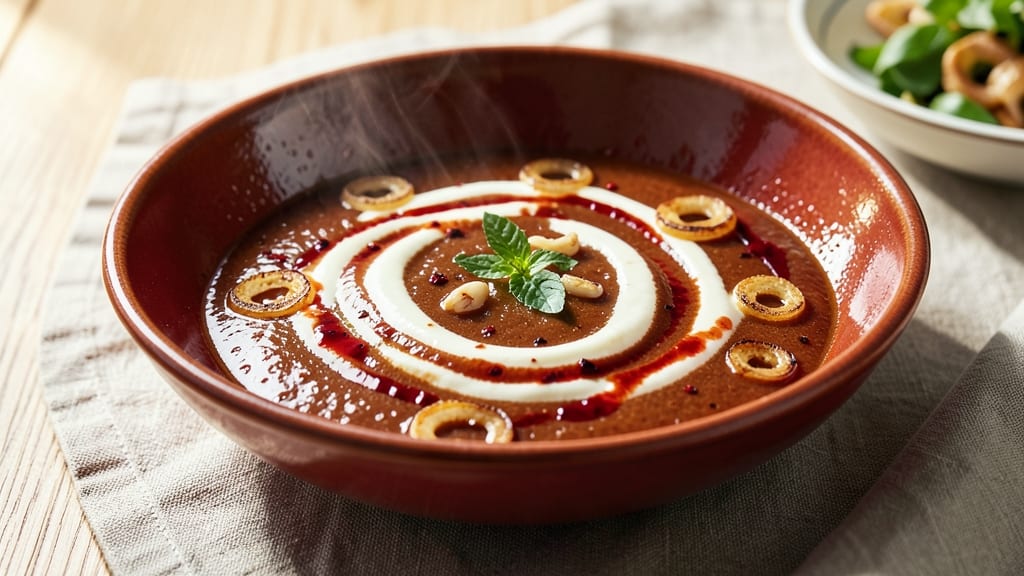
This Ballymaloe sauce recipe transforms simple ingredients into a velvety, complex sauce that elevates any dish with its perfect balance of smoky chipotle, bright tomato, and subtle vinegar zing.
The secret lies in slow simmering shallots and garlic until they're deeply aromatic, then building layers of flavor with cream, butter, and a touch of white wine that mellows into richness.
I've perfected this recipe over years of testing—it's the kind of sauce that turns weeknight meals into restaurant-worthy experiences without requiring advanced techniques.
The magic happens in the reduction: simmering the sauce until it thickens just enough to coat the back of a spoon creates that signature Ballymaloe texture—smooth yet vibrant, with a depth that comes from proper straining and emulsification.
Tarragon adds an herbal brightness that cuts through the richness, while a splash of vinegar at the end provides that signature tang that makes this sauce unforgettable.
What makes it truly special is its versatility—it works as a finishing sauce for fish, a luxurious base for poultry, or even a drizzle over roasted vegetables.
By the time you're done, you'll have a sauce that's creamy yet balanced, with just the right amount of heat from chipotle and acidity from vinegar. The key is patience—rushing the reduction or skipping the straining will result in a sauce that's either too thin or too bitter.
This recipe delivers restaurant-quality results at home, and once you master it, you'll find yourself making it again and again for different dishes.
The best part? This sauce keeps beautifully in the refrigerator for up to a week, allowing you to make a big batch and use it throughout the week.
Whether you're serving it over grilled salmon, drizzling it on roasted chicken, or using it as a base for other sauces, the Ballymaloe sauce will become your new kitchen essential. Let's get started on creating this flavor-packed masterpiece.
Ingredients for ballymaloe sauce
Nine ingredients create this restaurant-worthy sauce with smoky depth and vibrant tang.
| Ingredient | Amount | Notes |
|---|---|---|
| Shallots 🧅 | ½ lb | Minced finely for aromatic base |
| Garlic Cloves 🧄 | 6 cloves | Peeled and smashed for depth |
| Canned Tomato Sauce 🍅 | 1 cup | San Marzano preferred for sweetness |
| Chipotle Peppers in Adobo 🌶️ | 2 tbsp | Adjusted for smoky heat |
| Heavy Cream 🥛 | ½ cup | Full-fat for velvety texture |
| Unsalted Butter 🧈 | 2 tbsp | Cold for emulsification |
| White Wine 🍷 | ¼ cup | Dry variety like Sauvignon Blanc |
| Apple Cider Vinegar 🍋 | 1 tbsp | For signature tang |
| Fresh Tarragon 🌿 | ¼ cup | Chopped for herbal brightness |
| Diamond Crystal Kosher Salt 🧂 | ½ tsp | Fine grain for seasoning |
The shallots and garlic are non-negotiable—slow cooking them until golden-brown builds the sauce's aromatic foundation. Whole Foods or Trader Joe's carry pre-minced shallots if you're short on time, but fresh is always better. For the chipotle, penzeys.com sells high-quality adobo peppers in bulk. The tomato sauce should be San Marzano if possible—its natural sweetness shines through. Tarragon is key for that signature herbal note; if you can't find fresh, dried tarragon at half the amount works in a pinch, though it lacks the same brightness.
No white wine? Dry vermouth or apple juice mimics the acidity, though wine adds complexity. The butter should be cold and cubed when added—this creates the signature emulsification. Running out of tarragon? Fresh basil or thyme can substitute, though the flavor profile shifts slightly. For extra richness, swap half the cream for crème fraîche. The vinegar is critical—apple cider vinegar has the perfect balance of sweetness and acidity, but white wine vinegar works too if that's what you have on hand.
This sauce thickens as it cools, so reheat gently on low heat to restore its velvety texture. Keeps for 1 week in the fridge, sealed in an airtight container with a thin layer of oil on top to preserve freshness. Freezes beautifully for 3 months—portion into ice cube trays for single-use servings. The flavor actually improves after 24 hours as the ingredients meld together.
Why You'll Love This Recipe
- No Chopping Marathon: I swear by this recipe because the shallots and garlic barely need a knife—just a quick dice, and you’re done. That adobo sauce from the chipotles? I dump it straight from the can, no measuring, no fuss, and suddenly everything tastes like it’s been simmered for hours.
- Smoky Creamy Magic: The moment I stir in that heavy cream with the chipotle’s smoldering heat? Pure satisfaction. It’s rich without being heavy, tangy without overpowering—like a hug from a spice-loving chef. (Between us, I’ve ruined fancier sauces trying to replicate this.)
- Weeknight Superhero: This sauce turns my Tuesday night pasta from "meh" to "wow" with zero effort. Drizzle it on grilled chicken, toss it with roasted veggies, or slather it on toast—it’s the kind of thing that makes you question why you ever cooked anything else.
- Leftovers That Lie: I make a double batch on Sundays because this sauce begs to be saved. The flavors deepen overnight, and it reheats like a dream—no separation, no weird textures. Honestly, the only downside is having to resist eating the whole jar straight from the fridge.
Step-by-step instructions for Ballymaloe sauce
Here's how to build this iconic sauce layer by layer—smoky, tangy, and velvety every time.
Build the Aromatic Base
Melt the 2 tablespoons unsalted butter in a heavy-bottomed saucepan over medium-low heat. Add the 0.5 pound minced shallots and cook for 5-6 minutes until completely softened and translucent. The shallots should smell sweet and mellow, not browned—this is your aromatic foundation.
Add the 6 cloves smashed garlic and cook for another 1-2 minutes until fragrant but not colored. Here's the thing—garlic burns fast, so keep the heat gentle. You want the flavor, not the bitterness. Stir constantly to prevent sticking, and resist the urge to walk away.
Develop the Tomato-Chipotle Core
Pour in the 1 cup canned tomato sauce and stir to combine with the shallots and garlic. Add the 2 tablespoons chipotle peppers in adobo, scraping the bottom of the saucepan to incorporate any browned bits. Bring to a gentle simmer and reduce heat to low. Let it cook uncovered for 10-12 minutes, stirring occasionally, until the mixture thickens slightly and the raw tomato flavor mellows.
This is where the sauce transforms from raw ingredients to a cohesive base. You'll notice the color deepen to a rich, rustic red, and the chipotle peppers will infuse their smoky depth. If the sauce starts to cling to the pan, add 1-2 tablespoons water to keep it moving.
Add Wine and Vinegar for Balance
Deglaze the pan with the 0.25 cup white wine, scraping up any stuck-on bits with a wooden spoon. Let it simmer for 3-4 minutes until the alcohol burns off and the wine reduces by half. Then add the 1 tablespoon apple cider vinegar—this is the secret ingredient that brightens the sauce and cuts through the richness.
Here's the moment that matters: taste and adjust. The sauce should be tangy but not sour, smoky but not overpowering. If it needs more depth, add a pinch of the 0.5 teaspoon diamond crystal kosher salt. If it's too sharp, a small splash of water helps mellow it.
Finish with Cream and Tarragon
Reduce heat to low and whisk in the 0.5 cup heavy cream. Let it warm through for 2-3 minutes, stirring constantly, until the sauce reaches a velvety consistency. The cream should blend smoothly—if it looks curdled, strain it through a fine-mesh sieve for a silky texture.
Stir in the 0.25 cup chopped fresh tarragon and cook for an additional 1 minute. The tarragon will release its anise-like aroma, giving the sauce its signature herbal brightness. Remove from heat immediately—overcooking will turn the cream grainy. Taste again and adjust seasoning if needed.
Rest and Serve
Transfer the sauce to a clean saucepan and let it rest at room temperature for 10-15 minutes. This allows the flavors to meld and the sauce to thicken slightly. If it's too thick, thin it with 1-2 tablespoons water or reserved pasta water. If it's too thin, simmer gently for 2-3 minutes to reduce.
Serve the sauce warm over grilled meats, roasted vegetables, or fresh pasta. It should coat the back of a spoon with a glossy sheen, balancing smoky chipotle, bright vinegar, and creamy richness. The tarragon adds a subtle herbal lift that makes this sauce unforgettable.
Pro Tips For Making Ballymaloe Sauce
- Sweat Shallots Slow: Don’t rush this step—low heat for 8-10 minutes until they’re translucent but not browned. I learned this the hard way: burnt shallots make the sauce taste bitter, and no one wants that smoky overpowering bitterness when you’re going for that balanced, velvety finish.
- Mince Chipotle Fine: Use a sharp knife or pulse in a food processor until the peppers are almost paste-like. Whole chunks or big pieces will leave you with uneven heat and texture—this sauce relies on smooth integration, not surprises.
- Temper the Cream: Warm the heavy cream separately to about 100°F (38°C) before adding it to the sauce. Cold cream will curdle like clockwork, and no one has time for that sad, lumpy mess when you’re this close to a perfect pour.
- Taste Before Cream: Check seasoning after simmering the tomato-chipotle base but before stirring in the cream. The acidity and spice mellow as it cooks, so you’ll need to adjust salt and pepper now—adding cream later just dilutes your fixes.
Essential equipment for ballymaloe sauce
Heavy-Bottomed Saucepan
This is your most important tool—3-quart stainless steel or enamel-coated pans like All-Clad or Le Creuset distribute heat evenly and prevent scorching. I swear by my 3-quart All-Clad saucepan—it handles the 10-12 minute reduction phase beautifully without hot spots.
Avoid nonstick pans for this recipe; they can't handle the sustained low heat needed for proper flavor development. 🌡️
Fine-Mesh Strainer
A conical sieve or fine-mesh strainer (like the OXO Good Grips) is essential for removing tarragon stems and any cooked shallot bits that could make your sauce gritty. I use mine after the cream stage to ensure a silky texture.
If you're short on time, a cheesecloth-lined colander works too, but it's messier. The goal is to achieve that restaurant-quality smoothness that makes this sauce shine.
Wooden Spoon
Invest in a heat-resistant wooden spoon (I love my Oxa-Bois beechwood spoon) for stirring—it won't scratch your pan and won't melt like plastic. Wood also helps prevent the sauce from sticking to the bottom during the 5-6 minute shallot cooking phase.
Keep it handy for scraping up those flavorful browned bits from the deglazing step too.
Kitchen Scale
For precise measurements (especially with the 0.5 lb shallots and 2 tbsp chipotle peppers), a digital kitchen scale like the Escali Primo ensures consistency. I measure my shallots by weight because volume can vary wildly between loose and packed measurements.
This is particularly important for the chipotle—too much can overpower the sauce, while too little leaves it lacking depth. 💡
Immersion Blender (Optional)
If you prefer ultra-smooth texture without straining, an immersion blender (like the Ninja CB101) lets you blend directly in the pan after adding the cream. Pulse for 5-10 seconds on low to emulsify without breaking the sauce's delicate balance.
I only use this when I'm in a hurry—strained sauce still tastes better in my opinion, but it's a great backup when fresh tarragon stems are stubborn.
Thermometer
A candy or sauce thermometer (like the Thermoworks Thermapen) helps monitor the sauce's temperature during reduction. Aim for 185-190°F—this ensures proper thickness without overcooking the cream.
I find this especially helpful when adjusting consistency after resting. The thermometer gives you precise control over that perfect coat-the-back-of-a-spoon texture that defines Ballymaloe sauce. ✨
Nutrition facts
Frequently asked questions
What makes this Ballymaloe sauce different from other chipotle sauces?
The key lies in the herbal brightness from fresh tarragon and the balanced tang of apple cider vinegar, which cuts through the richness of the cream and butter. Most chipotle sauces rely heavily on tomato or adobo for heat, but this recipe uses a 10-12 minute reduction of shallots and garlic to build a sweet, aromatic base that makes the chipotle's smokiness more complex. The white wine also adds depth that's often missing in simpler recipes.
Can I substitute chipotle peppers in adobo with other smoked peppers?
Yes, but with adjustments! Chipotle peppers in adobo provide both heat and smoky depth. For a milder sauce, use 1 tablespoon smoked paprika plus 1 teaspoon cayenne pepper. For more heat, try 1 tablespoon chipotle powder (adjust to taste). Avoid liquid smoke—it can make the sauce taste artificial. The adobo sauce itself adds complexity that dried powders can't replicate, so it's the best option if you can find it.
Why does my sauce look curdled after adding the cream?
This usually happens when the sauce gets too hot or when the cream is added too quickly. Always reduce heat to low before whisking in the cream, and stir constantly for 2-3 minutes until fully incorporated. If it curdles, strain immediately through a fine-mesh sieve to remove lumps. For prevention, make sure your sauce isn't too acidic before adding the cream—taste after the vinegar step and adjust with a pinch of salt if needed.
How can I make this sauce ahead of time?
This sauce actually tastes better the next day! Let it cool completely, then store in an airtight container in the fridge for up to 1 week. The flavors meld beautifully during this time. When reheating, warm gently on low heat and stir in 1 tablespoon water if it thickens too much. For longer storage, freeze in ice cube trays for single-use portions—thaw overnight in the fridge before reheating.
What are the best dishes to serve with this sauce?
This versatile sauce shines on grilled fish (especially salmon or halibut), roasted chicken, and creamy pasta dishes. It also works beautifully drizzled over seared scallops or roasted vegetables like Brussels sprouts or asparagus. For a vegetarian option, try it with mushroom risotto. The smoky chipotle pairs well with rich proteins, while the herbal tarragon brightens lighter dishes.