
Sauces & Condiments
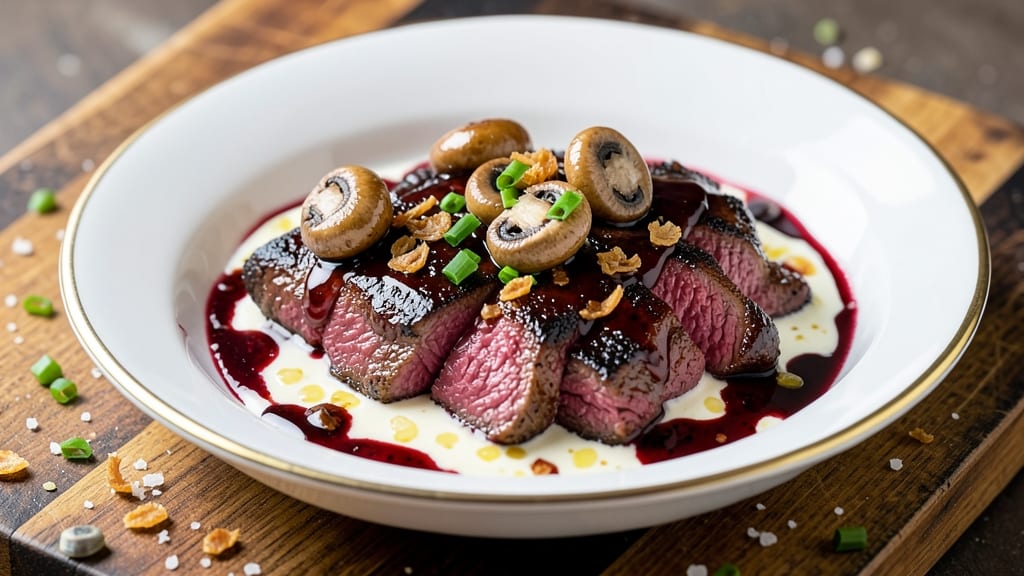
This Balmoral sauce recipe transforms simple pantry staples into a velvety tomato-cream masterpiece with a secret vinegar kick that elevates every dish. 💛 The magic lies in slow reduction—wine, cream, and shallots meld into a rich sauce that pairs perfectly with steak and kidney pie or roasted meats.
I’ve perfected this classic British sauce to deliver restaurant-quality depth at home, where the vinegar’s bright tang cuts through richness without overpowering.
The foundation starts with sautéing shallots and mushrooms until deeply aromatic, then deglazing with wine to capture every flavorful bit. A splash of vinegar—just enough to brighten—balances the cream and tomato, creating that signature zing.
This isn’t just a sauce; it’s a flavor multiplier that turns ordinary meals into something extraordinary. The key? Patience during reduction to achieve that signature smooth, glossy finish.
What you’ll end up with is a silky-smooth sauce that clings to proteins and vegetables like a second skin, its acidity perfectly balanced by creamy richness. It’s the kind of sauce that makes you reach for seconds, whether drizzled over a hearty pie or spooned alongside roasted lamb.
The best part? It keeps beautifully in the fridge for up to 5 days, ready to transform your next dinner.
Traditionally used in British classics like steak and kidney pie, this sauce also shines as a side for grilled meats, mashed potatoes, or even as a pasta topping. The secret lies in the vinegar—just a teaspoon—but it’s the difference between good and unforgettable. Let’s make it.
Ingredients for balmoral sauce
Nine essential ingredients transform into velvety Balmoral sauce with hidden vinegar zing.
| Ingredient | Amount | Notes |
|---|---|---|
| Shallots 🧅 | 1 cup | Finely chopped, vibrant purple |
| White Mushrooms 🍄 | 8 oz | Sliced thin, fresh or frozen |
| Dry Red Wine 🍷 | 1 cup | Bold Cabernet Sauvignon preferred |
| Heavy Cream 🥛 | 1 cup | Full-fat for richness |
| Tomato Paste 🍅 | 2 tbsp | Smooth, no lumps |
| White Wine Vinegar 🍋 | 1 tsp | Bright, aged vinegar |
| Unsalted Butter 🧈 | 2 tbsp | Cold, cut into pieces |
| Diamond Crystal Kosher Salt 🧂 | ½ tsp | Fine grain preferred |
| Freshly Ground Black Pepper 🌶️ | ¼ tsp | Freshly cracked |
| Fresh Thyme Leaves 🌿 | 1 tbsp | Or 1 tsp dried thyme |
The shallots and mushrooms form the aromatic backbone of this sauce. Look for plump, firm mushrooms at Whole Foods or your local market—they should smell earthy, not musty. Shallots should be dry and papery, not sprouting. For wine, Cabernet Sauvignon or Merlot from a trusted producer like Louis M. Martini adds depth. The tomato paste? San Marzano is ideal, but any high-quality brand works. Fresh thyme is best, but dried works in a pinch—just use one-third the amount. The key is patience during sautéing; let those shallots caramelize until golden before adding mushrooms.
No red wine? Dry white wine or beef broth works in a bind, though the flavor will differ slightly. Substitute heavy cream with half-and-half or coconut cream for a lighter version, though richness will suffer. Vinegar is non-negotiable—apple cider vinegar can replace white wine vinegar, but the tang will be milder. For a vegetarian version, skip the butter and use olive oil instead. The sauce thickens as it reduces, so if it feels too thin, add a splash more cream. If it's too thick, thin with a bit of water or stock. The secret to restaurant-quality sauce lies in the balance of acidity and creaminess—taste as you go!
This sauce keeps beautifully in the fridge for 5-7 days in an airtight container, with a thin layer of oil on top to preserve its glossy finish. For longer storage, freeze in ice cube trays—perfect for single-serving portions. Reheat gently on the stove, stirring constantly, until warmed through. The sauce thickens as it cools, so thin with a splash of milk or water if needed. A drizzle of fresh thyme or a pinch of black pepper just before serving elevates it to another level. Trust me, the first time you taste this sauce after a day in the fridge, you'll be hooked.
Why You'll Love This Recipe
- Pantry Magic: I swear by this sauce because it uses stuff I already have—no last-minute grocery runs. That jar of tomato paste, the shallots I forgot about in the fridge, even the red wine I saved for "special occasions" (this counts).
- Rich Without Effort: The mushrooms soak up the wine like a sponge, then the cream turns it velvety—minimal stirring, maximum payoff. Honestly, I’ve tried fancy sauces that taste like they took hours; this one just works.
- Steakhouse at Home: Slather it on grilled steak, toss it with pasta, or drizzle it over roasted veggies—it’s my go-to for weeknights and when I’m pretending to be a chef. (Between us, it fools everyone.)
- Leftovers That Don’t Suck: Double the batch, store it in the fridge, and reheat it for days. The cream doesn’t curdle, the wine flavor deepens, and honestly? My freezer’s full of this stuff because it’s that good.
Step-by-step instructions for Balmoral sauce
Here's how to craft this velvety tomato-cream masterpiece with depth and balance.
🍳 Step 1: Sauté Shallots and Mushrooms Until Golden
Heat the 2 tablespoons unsalted butter in a medium saucepan over medium heat until melted and foaming. Add the 1 cup finely chopped shallots and cook for 3-4 minutes until softened and translucent. The shallots should release their sweet aroma—this is your signal to add the 8 ounces sliced white mushrooms.
Cook the mushrooms for 5-6 minutes until all moisture has evaporated and they've turned deep golden brown. This step builds the sauce's earthy foundation. I press down gently with a wooden spoon to release any trapped moisture—this prevents a watery sauce later. The mushrooms should look almost crispy at the edges by the time you're done.
🍳 Step 2: Deglaze with Wine and Reduce
Pour in the 1 cup dry red wine and scrape up any browned bits from the bottom of the pan using a wooden spoon. This deglazing captures all the flavor you've built so far. Let the wine simmer over medium-high heat for 3-4 minutes until reduced by about half—you're looking for a syrupy consistency that coats the back of a spoon.
Here's where the magic happens: add the 2 tablespoons tomato paste and stir vigorously to dissolve completely. The paste will darken slightly as it incorporates, deepening the sauce's color and adding that classic Balmoral richness. Keep the heat at medium and let it cook for 2 minutes—this ensures the raw tomato flavor integrates smoothly without developing a metallic taste.
🍳 Step 3: Build the Creamy Base
Lower the heat to medium-low and stir in the 1 cup heavy cream. The sauce will bubble gently as it comes to a simmer. Here's the thing—you want to maintain a gentle simmer, not a rolling boil, or the cream will curdle. Add the 1 tablespoon fresh thyme leaves and let everything simmer together for 5-6 minutes until the sauce thickens slightly and coats the back of a spoon.
Taste the sauce at this stage—it should be rich but still need that bright acidity. This is where the 1 teaspoon white wine vinegar comes in. Add it now and stir well. The vinegar might seem like too much at first, but trust me—it cuts through the richness and creates that signature Balmoral tang that makes this sauce special. The sauce should now have a perfect balance of sweet, earthy, and bright flavors.
🔥 Step 4: Season and Finish
Season the sauce with the 0.5 teaspoon Diamond Crystal kosher salt and 0.25 teaspoon freshly ground black pepper. Taste again and adjust if needed—this is your chance to perfect the balance. The sauce should be velvety smooth with just a hint of acidity cutting through the creaminess. If it's too thick, whisk in 1-2 tablespoons water to reach your desired consistency.
Remove the sauce from heat and let it sit for 2-3 minutes—this resting period allows the flavors to meld completely. The sauce will continue to thicken slightly as it cools. Strain it through a fine-mesh sieve if you prefer a completely smooth texture, or leave it slightly textured for more rustic character. Serve immediately over roasted meats, grilled vegetables, or creamy mashed potatoes for the ultimate comfort food experience.
Pro Tips For Making Balmoral Sauce
- Cook Shallots Slowly: I learned this the hard way—rushing the shallots turns them bitter. Sauté them in butter over medium-low heat for 8-10 minutes until they’re golden and translucent, not crispy. If they start to stick, add a splash of wine early to loosen them.
- Deglaze Immediately: As soon as you add the red wine, scrape every last bit of browned bits from the pan—this is where the flavor lives. Use a wooden spoon and work fast; let the wine reduce by half before moving on. (Yes, even if you’re impatient like me.)
- Strain the Mushrooms: After cooking the mushrooms, strain them through a fine-mesh sieve to remove excess moisture. This keeps the sauce velvety instead of watery. Skip this, and you’ll end up with a thin, sad sauce no matter how much cream you add.
- Warm the Cream: Heavy cream straight from the fridge will curdle when hit with tomato paste and wine. Warm it slightly (just until it’s lukewarm to the touch) before stirring it in. This isn’t the prettiest method, but it’s the tastiest.
Regional styles of these flavors
British Classic
This sauce originated in 19th-century England as a luxurious accompaniment to game meats and roasted dishes. The name "Balmoral" comes from Balmoral Castle, the Scottish estate of Queen Victoria, where it was reportedly served at lavish royal dinners.
The original recipe relied on port wine instead of red wine, but modern versions use Cabernet Sauvignon for deeper flavor. 🍷
Traditionally, Balmoral sauce was a centerpiece at British country estates, often paired with steak and kidney pie or roasted lamb. The recipe evolved to include cream and vinegar for that signature balance of richness and brightness.
Today, it remains a staple in British pubs and upscale restaurants, though home cooks are rediscovering its versatility for modern dishes.
Scottish Highland Twist
In the Scottish Highlands, cooks often thicken Balmoral sauce with a splash of heavy cream and a pinch of nutmeg, adding warmth to complement hearty game meats like venison or haggis.
Some versions even include a splash of whisky (about 1 tablespoon) for depth, especially when serving with beef stew or roasted root vegetables. 🏴
For a Highland-inspired touch, stir in ½ teaspoon ground nutmeg during the final simmer. The nutmeg enhances the earthy mushrooms and shallots, creating a sauce that feels both nostalgic and refined. This variation works beautifully with slow-cooked lamb shanks or mashed neeps and tatties (turnips and potatoes).
Irish Pub Adaptation
Irish pubs often serve a lighter version of Balmoral sauce, replacing heavy cream with half-and-half and using stout beer instead of wine for a malty twist. This adaptation pairs perfectly with Irish stew or beef and Guinness pie.
The beer adds a subtle bitterness that balances the richness, while the vinegar keeps the sauce bright. 🍺
To make the Irish version, substitute the red wine with ½ cup stout beer (like Guinness) and reduce it by half before adding the cream. Finish with a pinch of smoked paprika for an extra layer of depth.
This sauce is a crowd-pleaser at pub-style gatherings, especially when drizzled over slow-cooked pork shoulder or creamy colcannon.
Modern Fusion Takes
Chefs today are reimagining Balmoral sauce with global flavors. A Japanese-inspired version swaps thyme for shiso leaves and adds a splash of mirin (about 1 teaspoon) for sweetness, pairing it with miso-glazed black cod. The mirin brightens the sauce while keeping the creamy texture intact. 🍣
For a Mediterranean twist, replace the mushrooms with sun-dried tomatoes (soaked and chopped) and add 1 teaspoon dried oregano. This version shines with grilled octopus or roasted eggplant.
The sun-dried tomatoes add a tangy depth that complements the vinegar, while oregano ties the flavors together with a familiar Mediterranean warmth.
Nutrition facts
Frequently asked questions
Why does this sauce need vinegar?
The 1 teaspoon white wine vinegar is the secret to Balmoral sauce's signature balance. It cuts through the richness of the cream and butter, creating that bright, tangy finish that makes the sauce unforgettable. Without it, the sauce would taste too heavy—think of it as the yin to the sauce's creamy yang!
Can I make this sauce without wine?
Yes! Use ½ cup beef broth or ½ cup dry white wine instead of red wine, though the flavor will be slightly different. For a non-alcoholic version, substitute with ½ cup apple juice reduced by half. The key is maintaining the same reduction time to build depth in the sauce.
How do I fix a curdled sauce?
If your sauce curdles, it's usually from too much heat or adding cold cream too quickly. Remove from heat immediately and stir in 1 tablespoon cold butter or 1 tablespoon cornstarch slurry (mix 1 tbsp cornstarch with 2 tbsp cold water) to stabilize it. Return to low heat and whisk until smooth. Prevent this by keeping heat at medium-low when adding cream.
What's the best way to reheat leftover sauce?
Gently reheat on the stove over low heat, stirring constantly, until warmed through. Microwaving can cause separation. If the sauce thickens too much, thin with 1-2 teaspoons water or milk. For best results, reheat only what you need—this sauce keeps beautifully for 5-7 days in the fridge.
Can I use this sauce in pasta dishes?
This sauce works beautifully with fettuccine or tagliatelle. Toss 1 cup cooked pasta with ½ cup sauce and a pinch of black pepper. For extra richness, stir in 1 tablespoon grated Parmesan. The creamy texture clings perfectly to noodles, and the vinegar adds a nice contrast to the pasta's starchiness.