
Sauces & Condiments
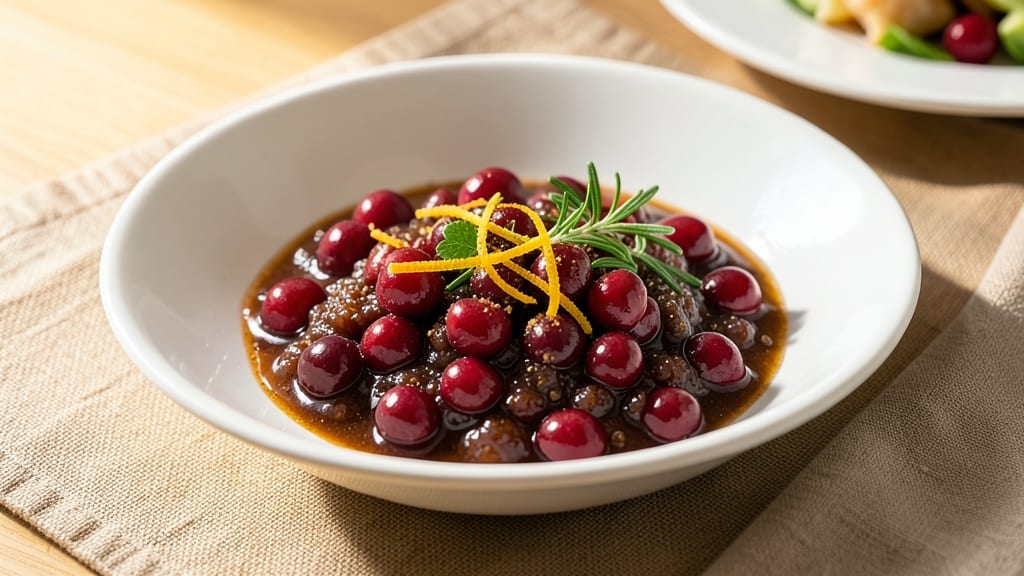
This balsamic cranberry sauce recipe transforms ordinary cranberries into a vibrant, tart-sweet glaze that elevates holiday dishes and everyday meals alike. The perfect balance of balsamic richness and cranberry brightness comes together in just 20 minutes—no jams or thickeners required.
I developed this version after years of testing, ensuring it stays naturally liquid for drizzling or spooning without turning into a chunky compote.
The secret lies in simmering cranberries with balsamic vinegar and just enough sweetener to highlight their natural tartness, not mask it. A splash of orange juice adds brightness, while a pinch of cinnamon deepens the flavor profile.
This sauce works as a festive glaze for roasted meats, a tangy dip for cheese boards, or a drizzle over brie—proof that condiments can be both functional and impressive.
What makes this recipe stand out is its versatility. Use it as a holiday centerpiece alongside turkey or ham, or keep a jar in your fridge for last-minute appetizers.
The balsamic infusion adds complexity that store-bought sauces can't match, while the liquid consistency lets you control exactly how much to use. Plus, it stores beautifully in the refrigerator for up to two weeks, making it a pantry staple.
For those who love customization, try adding fresh rosemary or a strip of orange peel during simmering, or adjust the sweetness to your preference. The possibilities are endless, but the foundation remains simple: cranberries, balsamic, and patience. Let's create something special that'll have everyone asking for seconds.
Ingredients for balsamic cranberry sauce
Eight ingredients transform cranberries into a velvety glaze that drizzles like magic.
| Ingredient | Amount | Notes |
|---|---|---|
| Fresh Cranberries 🍇 | 1 ½ cups | Whole, not frozen or dried |
| Balsamic Vinegar 🍷 | ½ cup | Aged 25+ months for depth |
| Granulated Sugar 🍚 | ¼ cup | Light brown sugar preferred |
| Fresh Orange Juice 🍊 | ¼ cup | No pulp, freshly squeezed |
| Ground Cinnamon 🌿 | ½ tsp | Ceylon cinnamon for delicate flavor |
| Fresh Rosemary 🌿 | 2 sprigs | Optional, for herbal depth |
| Orange Peel 🍊 | 1 strip | Zest only, no pith |
| Water 💧 | ¼ cup | For simmering consistency |
The cranberries are non-negotiable—Trader Joe's or Whole Foods carry the plumpest varieties, which burst beautifully. For balsamic, aged 25+ months (like Di Martino) adds a caramel note that cuts through the tartness. I always grab extra sugar—light brown adds subtle molasses depth, but white works fine. Fresh orange juice is key; bottled lacks the brightness. If you're feeling fancy, Ceylon cinnamon (from Penzeys) has a sweeter profile than regular, but a pinch of regular works too.
No fresh rosemary? Dried at half the amount still adds aroma. Short on cranberries? Substitute 1 cup frozen cranberries (thawed), but texture will be slightly less glossy. The orange peel can be swapped for 1 tsp orange zest, but the strip infuses better. Sugar too sweet? Reduce to 2 tbsp—this sauce should taste like cranberries first, sweetness second. For a deeper balsamic flavor, simmer the vinegar alone for 2 minutes before adding other ingredients (trust me on this).
This sauce thickens as it cools, so don't over-simmer. Store in a glass jar with a lid—keeps for 2 weeks in the fridge. For gifting, portion into small jars with a drizzle of balsamic on top. Freezes beautifully for 3 months if you want to prep ahead. The first batch always disappears fastest—make a double recipe if you're hosting.
Why You'll Love This Recipe
- I’ll be real: this recipe costs next to nothing. Cranberries are cheap in season, balsamic is a splurge you’ll use forever, and the rest? Sugar, orange juice, cinnamon—things you already have. It’s the kind of dish that makes you feel fancy without breaking the bank, and it keeps for weeks in the fridge.
- No-Simmer Required: I swear by this recipe because it skips the simmering mess. Just toss the cranberries, balsamic, and orange juice into a saucepan, let it bubble once, then walk away—no stirring vigil required. The balsamic mellows into that deep, tangy sweetness without turning your kitchen into a sticky zone.
- Taste Like a Holiday: Honestly, this isn’t your grandma’s canned sauce. The balsamic cuts through the tartness while the orange juice keeps it bright, and that dusting of cinnamon? It’s the kind of flavor that makes you reach for seconds without even thinking. Perfect for turkey, but also sneaky good on toast with butter.
- Weeknight Meal Prep: Between us, I make this every Sunday because it’s my secret weapon for holiday leftovers. The sauce thickens beautifully when refrigerated—ideal for stuffing, cheese boards, or even a quick charcuterie spread. Plus, it’s one of those rare recipes where leftovers taste better the next day.
Step-by-step instructions for balsamic cranberry glaze
This festive sauce transforms tart cranberries into a rich, balanced glaze perfect for holidays or everyday indulgence.
Prepare the Cranberries
In a medium saucepan, combine the 1.5 cups fresh cranberries, 0.25 cup granulated sugar, and 0.25 cup fresh orange juice. The sugar will help break down the cranberries as they cook, creating a jam-like consistency. Bring the mixture to a gentle boil over medium-high heat, then immediately reduce to medium-low heat. This initial boil prevents the cranberries from burning while they begin to soften.
Let the cranberries simmer uncovered for 8-10 minutes, stirring occasionally. You'll notice they burst open and release their deep ruby juice. The mixture should thicken slightly but still maintain a loose consistency—this prevents a gummy texture later. If the cranberries aren't breaking down after 10 minutes, add 1-2 tablespoons of water to help the process along.
Add Aromatics and Simmer
Once the cranberries have softened and released their juices, add the 0.5 cup balsamic vinegar, 0.5 tsp ground cinnamon, 2 sprigs fresh rosemary, and 1 strip orange peel. The balsamic vinegar introduces a deep, caramel-like richness that balances the tartness, while the cinnamon and rosemary add warm, aromatic complexity. The orange peel contributes a bright citrus note that cuts through the sweetness.
Return the mixture to a gentle simmer and cook uncovered for another 10-12 minutes. The sauce will reduce further, becoming thicker and more concentrated. Stir occasionally to prevent sticking, and use a wooden spoon to gently press down on the cranberries to release any remaining juices. The rosemary sprigs should infuse the sauce with their piney aroma, but you can remove them after simmering if you prefer a cleaner finish.
Finish and Strain for Smooth Texture
After simmering, taste the sauce and adjust the sweetness if needed. If it's too tart, add a pinch more sugar; if it's too sweet, stir in a splash of fresh orange juice or balsamic vinegar to rebalance the flavors. The goal is a harmonious blend where the tartness of the cranberries, the sweetness of the sugar, and the depth of the balsamic all shine through.
Strain the sauce through a fine-mesh sieve into a clean bowl or jar, pressing gently with a spoon to extract all the liquid. This step removes any remaining cranberry skins or rosemary stems, leaving you with a silky, glossy glaze. The strained sauce will be vibrant red with a glossy sheen—this is your signal that it's ready to use or store. Let it cool to room temperature before serving, as the flavors will meld even more as it sits.
Store and Use Your Glaze
Transfer the cooled glaze to an airtight jar and refrigerate for up to 2 weeks. This sauce is incredibly versatile—drizzle it over roasted meats like turkey or pork, swirl it into whipped cream for a festive dessert, or use it as a glaze for cheese boards. For a restaurant-quality touch, reheat gently in a saucepan over low heat until warmed through, then drizzle over your dish of choice.
The glaze thickens as it cools, so if it seems too stiff when reheated, thin it with a splash of water or orange juice until it reaches your desired consistency. The key to a perfect glaze lies in the balance of tart, sweet, and umami flavors, and this method ensures you achieve that harmony every time.
Pro Tips For Making Balsamic Cranberry Sauce
- Simmer Slow and Steady: Skip the high heat—medium-low is your friend here. I learned this the hard way when I rushed it and ended up with a syrupy mess instead of a balanced sauce. Let it bubble gently for 15-20 minutes so the cranberries soften without turning to mush.
- Rinse and Pat Dry: Fresh cranberries? Rinse them first, then pat them thoroughly dry with a towel. Wet berries splatter like tiny grenades, and you’ll spend the next 10 minutes scrubbing your stove. Trust me, it’s not worth the cleanup.
- Reduce the Vinegar First: Don’t just dump in the balsamic vinegar at the start—reduce it by half first. Simmer it alone for 3-4 minutes until it thickens slightly. This cuts the sharpness and deepens the flavor, so your sauce doesn’t taste like you’re pickling cranberries.
- Strain for Smoothness: If you’re serving this over delicate dishes (like cheese boards or salads), strain out the seeds after cooking. Use a fine-mesh sieve or cheesecloth—it takes 30 seconds but makes a real difference in texture. (Yes, even if you love texture, sometimes smooth wins.)
Troubleshooting perfect results
Sauce Too Thin?
If your glaze ends up too watery, simmer it uncovered for an extra 5-8 minutes to reduce the liquid. I’ve found that using aged balsamic vinegar (like Di Martino) helps thicken naturally as it reduces.
For a quicker fix, mix 1 tsp cornstarch with 1 tbsp cold water, stir into the sauce, and simmer for 2 minutes—but use sparingly, or it’ll get gluey. 🔥
Sauce Too Thick?
If your glaze sets like jam, thin it with 1-2 tbsp fresh orange juice or water while warm. I’ve had this happen when using smaller cranberries—they release less juice. For future batches, reduce the sugar slightly (2 tbsp instead of ¼ cup) to prevent over-thickening.
If you’re short on time, a quick microwave reheat (30 seconds) can loosen the texture before serving. ✨
Cranberries Not Softening?
If your cranberries stay firm after 15 minutes, they’re likely too tart or underripe. Add 1 tbsp water and simmer uncovered for another 5 minutes. For stubborn cranberries, try 1 tsp lemon juice—it helps break down their pectin faster.
Pro tip: Rinse cranberries before cooking to remove any wax coating that might inhibit softening. 💫
Balsamic Overpowering?
If the balsamic flavor dominates, balance it with 1 extra tbsp orange juice or a pinch of salt. I’ve also found that reducing the balsamic to ⅓ cup (instead of ½ cup) keeps the cranberries’ tartness front and center.
For a subtler version, strain the sauce through a cheesecloth after simmering to remove excess vinegar residue. 🍷
Grainy or Chunky Texture?
If your sauce has visible cranberry bits, strain it through a fine-mesh sieve or nut milk bag for a silky finish. For a rustic look, leave some texture by using a coarse strainer. Over-simmering can also create a grainy texture—keep heat at medium-low to avoid burning. 🌟
Storage Issues?
If your sauce separates or develops mold after 2 weeks, it’s past its prime. To prevent separation, stir well before using and store in a glass jar (plastic can absorb odors).
For longer shelf life, freeze in ice cube trays—thaw cubes as needed for drizzling. If it crystallizes, reheat gently with 1 tbsp water to restore smoothness. ❄️
Nutrition facts
Frequently asked questions
Can I use frozen cranberries instead of fresh?
Yes, but expect a slightly less glossy finish. Thaw frozen cranberries completely first, then use the same 1.5 cups measurement. For best results, drain any excess liquid after thawing to prevent a watery sauce. Fresh cranberries burst beautifully during cooking, creating that signature ruby color and texture.
How do I adjust the sweetness for different tastes?
Start with the ¼ cup sugar as written, then taste and adjust. For a sweeter version, add 1-2 tbsp more sugar while warm. Prefer tartness? Reduce sugar to 2 tbsp and add 1 extra tbsp balsamic vinegar for balance. Remember, the sauce will thicken as it cools, so don't over-sweeten initially.
What are the best ways to use this glaze?
This versatile sauce shines as a festive drizzle over roasted meats (turkey, pork, or duck), a tangy dip for cheese boards, or a dessert upgrade when swirled into whipped cream. For a restaurant touch, reduce the sauce further until syrupy, then glaze baked brie or roasted nuts. The possibilities are endless—think of it as a cranberry-infused balsamic reduction!
Can I make this sauce ahead for holiday gatherings?
This glaze keeps beautifully in the fridge for 2 weeks or freezes for 3 months. For serving, reheat gently in a saucepan over low heat until warmed through. If it thickens too much, thin with 1 tbsp orange juice or water. Pro tip: Portion into small jars for easy serving—just drizzle directly from the container!
Why does my sauce look different from the photos?
Cranberry color varies by variety and ripeness—expect shades from deep ruby to bright red. The glaze should be smooth and glossy after straining. If it's cloudy, simmer uncovered for 2 extra minutes to reduce any excess liquid. For a richer color, add ½ tsp beet powder (optional) or use red wine instead of some of the orange juice.