
Sauces & Condiments
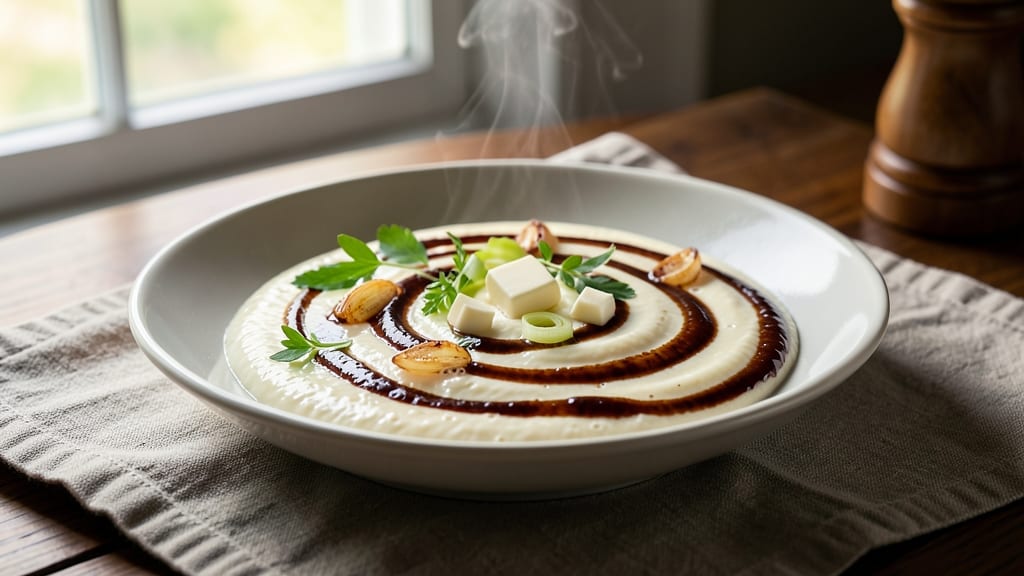
This balsamic cream sauce recipe transforms simple ingredients into a luxurious drizzle that elevates everything from grilled chicken to roasted vegetables. The secret lies in balancing tangy balsamic with velvety cream, creating a sauce that's both rich and bright—perfect for adding depth without overpowering.
I developed this version after years of perfecting the ratio of reduction time to cream incorporation, ensuring it stays silky-smooth while maintaining that signature balsamic complexity.
The cooking method is straightforward but critical: simmering balsamic vinegar until thickened creates a concentrated base, while tempering it with warm cream prevents curdling. Optional aromatics like shallots or garlic add layers of flavor, but even without them, the sauce delivers restaurant-quality results.
What makes this version special is the optional celery crown crunch—those crispy, caramelized bits add a textural contrast that turns a simple drizzle into a showstopper.
By the time you're done, you'll have a sauce that's versatile enough for weeknight dinners or elegant entertaining. It clings beautifully to pasta, enhances grilled meats, and transforms roasted vegetables into a gourmet side.
The best part? It keeps well in the fridge for up to a week, so you can make a batch and use it all week without stress.
Whether you're drizzling it over seared scallops, tossing it with al dente linguine, or using it as a finishing sauce for roasted Brussels sprouts, this balsamic cream sauce delivers restaurant-quality flavor with minimal effort.
The key is patience—letting the balsamic reduce properly and gradually incorporating the cream ensures a sauce that's velvety, balanced, and impossible to resist.
Ingredients for balsamic cream sauce
Eight ingredients transform into a velvety drizzle that turns simple dishes into restaurant-quality masterpieces.
| Ingredient | Amount | Notes |
|---|---|---|
| Balsamic Vinegar 🍷 | 1 cup | High-quality aged variety preferred |
| Heavy Cream 🥛 | 1 cup | Full-fat for optimal richness |
| Shallots 🧅 | 2 whole | Minced for aromatic base |
| Garlic Cloves 🧄 | 2 cloves | Minced for subtle depth |
| Unsalted Butter 🧈 | 2 tbsp | Cold for finishing drizzle |
| Celery Stalk 🥬 | 1 whole | Thinly sliced for crown crunch |
| Granulated Sugar 🍚 | 1 tbsp | Balances acidity in reduction |
| Salt 🧂 | ½ tsp | Diamond Crystal preferred |
| Black Pepper 🌶️ | ¼ tsp | Freshly cracked for finish |
| Fresh Thyme Leaves 🌿 | 2 tbsp | Optional aromatic touch |
The balsamic vinegar is non-negotiable here—aged balsamic from Trader Joe's or a specialty shop delivers that deep, complex flavor. I always grab the 25-year-aged variety when I can afford it, but even a good 10-year works. The heavy cream needs to be full-fat—none of that low-fat nonsense. For the celery crown, look for stalks with crisp, pale green leaves—they caramelize beautifully. Shallots are better than onions here; their mild sweetness shines through without overpowering. Fresh thyme leaves add a subtle herbal note that elevates the sauce, but it's optional if you're in a hurry.
No aged balsamic? Regular balsamic vinegar plus 1 tsp maple syrup gets you close, though it'll lack depth. Swap heavy cream for half-and-half or coconut cream, but texture will differ slightly. Short on shallots? One small yellow onion, finely minced, works in a pinch. The celery crown can be made with leeks or fennel if you're feeling adventurous. For a dairy-free version, use coconut cream and omit the butter. The sugar is crucial—it prevents the reduction from tasting too sharp, but if you're watching carbs, reduce by half and watch the sauce closely.
This sauce keeps beautifully—up to 1 week in the fridge sealed in a jar. For longer storage, freeze portions in ice cube trays, then transfer to a bag. The celery crown stays crisp for 3 days if stored separately in a sealed container. Reheat gently on low heat, stirring constantly to prevent curdling. I always make a double batch—one for immediate use, one to freeze. The flavor actually improves after a day or two as the ingredients meld together. Perfect for drizzling, tossing, or finishing—just don't overdo it, or you'll lose that delicate balance.
Why You'll Love This Recipe
- Five-Ingredient Magic: I swear by this—just butter, shallots, garlic, cream, and a splash of balsamic. That’s it. No fancy gadgets, no stress, no last-minute grocery runs. Honestly, I’ve made it while waiting for pasta to boil.
- Rich Without Effort: The heavy cream makes it velvety, but the balsamic cuts through with that tangy depth. That crispy-sweet finish? It’s the kind of sauce that makes you pause mid-bite—like a fancy restaurant trick, but with ingredients you already own.
- Weeknight to Dinner Party: Slather it on grilled chicken for Tuesday takeout vibes, or drizzle over roasted veggies for a crowd. My in-laws asked for the recipe after one taste—no joke. It’s the kind of sauce that works in a hurry or when you’re pretending you planned this.
- Leftovers That Lie: Make a double batch and refrigerate it. Cold, it’s even better—thick, rich, and ready to transform last night’s chicken into tomorrow’s panini. Between us, I’ve used it to “freshen up” forgotten proteins for days.
Step-by-step instructions for balsamic cream sauce
This velvety-smooth sauce marries rich cream with tangy balsamic—here's how to balance it perfectly.
Sauté Aromatics Until Fragrant
Heat 2 tablespoons unsalted butter in a medium saucepan over medium heat. Add the 2 minced shallots and cook for 3-4 minutes until they soften and become translucent. This is where the sauce builds its aromatic foundation—don't rush this step or the flavor will be flat.
Add the 2 minced garlic cloves and cook for another 30 seconds until fragrant but not browned. Garlic burns quickly, so keep an eye on it. Here's the thing—if you smell something nutty, it's perfect. If you smell bitter, you've overcooked it. Remove the pan from heat immediately after the garlic releases its aroma.
Reduce Balsamic Vinegar with Sugar
Return the pan to medium heat and pour in the 1 cup balsamic vinegar. Add the 1 tablespoon granulated sugar and stir to dissolve. Bring to a simmer and reduce the heat to low, letting it bubble gently for 8-10 minutes until reduced by about half—you're looking for a syrupy consistency that coats the back of a spoon.
The sugar helps balance the acidity of the vinegar, creating a smoother finish. You'll know it's ready when the mixture darkens slightly and thickens. If it reduces too quickly, cover the pan loosely with a lid to slow the process. This reduction step is critical—it transforms raw vinegar into a complex, caramelized base.
Incorporate Cream and Season
Remove the pan from heat and let it cool slightly for 1 minute. Then, slowly whisk in the 1 cup heavy cream, being careful not to create any lumps. Return the pan to low heat and simmer gently for 3-4 minutes until the sauce thickens slightly but remains silky smooth.
Season with ½ teaspoon salt and ¼ teaspoon freshly cracked black pepper. Taste and adjust—you want the acidity of the balsamic to shine without overpowering the cream. This is where the sauce comes together. If it's too thick, whisk in 1-2 tablespoons water to reach your desired consistency. The goal is a velvety drizzle that clings beautifully.
Finish with Celery and Thyme
Add the thinly sliced celery stalk and 2 tablespoons fresh thyme leaves to the sauce. Simmer for another 1-2 minutes just to infuse the flavors—don't overcook or the celery will turn mushy. The celery adds a subtle crunch and freshness that cuts through the richness, while the thyme brings an earthy depth.
Strain the sauce through a fine-mesh sieve into a clean bowl to remove any thyme stems and celery pieces, if desired. The result should be a glossy, velvety sauce with just a hint of celery's bright bite. For extra shine, cover the surface with plastic wrap and chill for 30 minutes before serving—this lets the flavors meld even more. The sauce keeps well in the fridge for up to 5 days, making it perfect for batch cooking.
Pro Tips For Making Balsamic Cream Sauce
- Sweat Shallots Slow: Don’t rush the shallots—cook them in butter over medium-low heat for 8-10 minutes until soft and translucent, not browned. I learned this the hard way when I burned them twice and had to start over; patience here means no bitter aftertaste.
- Reduce Vinegar First: Simmer the balsamic vinegar alone for 2-3 minutes before adding cream—this concentrates the flavor without overpowering. Skip this, and your sauce will taste sharp and unfinished, no matter how much cream you add.
- Temper the Cream: Warm the heavy cream separately to room temperature before mixing it in; cold cream will curdle the sauce faster than you can say "ruined dinner." I was skeptical until I tried it—now I never skip it.
- Finish with Butter: Stir in a pat of cold butter at the very end to coat the sauce and add richness. This isn’t just for flavor—it also makes the sauce silkier and more stable. (Yes, even if you’re impatient like me.)
Wine and beer pairings for this balsamic cream sauce
Red Wine Pairings
For this rich, velvety sauce, I always reach for a dry Italian red like Chianti Classico or Sangiovese. The medium body and bright acidity cut through the sauce's creaminess while complementing the balsamic's depth.
A glass of 2018 Badia a Passignano Chianti Classico from Tuscany has been my go-to—its cherry notes and earthy undertones mirror the sauce's complexity beautifully. 🍷
If you prefer something lighter, a Pinot Noir from Oregon or Burgundy works wonderfully. The red fruit flavors in a 2019 Domaine Drouhin Oregon Pinot Noir enhance the sauce's subtle sweetness without overpowering it. For a budget-friendly option, Freixenet Somontano (a Spanish red blend) offers great value with similar balance.
White Wine Pairings
Don't overlook white wines—dry, crisp whites like Vermentino or Pinot Grigio are perfect. I love pairing this sauce with a 2021 Vermentino di Sardegna from Sardinia; its citrus notes and mineral finish create a refreshing contrast to the sauce's richness.
For a richer white, try a Chardonnay with subtle oak, like 2020 La Crema Monterey Chardonnay—the buttery notes complement the cream without clashing.
Avoid heavy, oaky whites or sweet wines—they'll make the sauce taste flat. Instead, opt for wines with bright acidity and clean finishes to let the balsamic cream sauce shine. Pro tip: Chill your white wine slightly before serving—it enhances the sauce's velvety texture.
Beer Pairings
For beer lovers, a crisp Italian lager like Peroni or Moretti is ideal. The light, effervescent quality cleanses your palate between bites, letting the sauce's flavors stand out.
If you prefer craft beer, a Belgian witbier (like Hoegaarden) adds a fun citrusy twist that pairs surprisingly well with the balsamic's tang.
Avoid heavy stouts or IPAs—they'll overpower the delicate balance of the sauce. Instead, try a German Helles Lager (like Weihenstephaner Original) for a refreshing, slightly malty contrast. For a seasonal option, a wheat beer with a touch of spice works beautifully, especially in warmer months.
Non-Alcoholic Options
Don't drink alcohol? No problem! A sparkling apple cider like Martinelli's adds a festive touch with its crisp acidity. For something more sophisticated, try a sparkling water infused with lemon slices and fresh mint—it mirrors the sauce's brightness without alcohol.
I also love ginger beer (like Feather Ginger Ale) for its spicy kick, which cuts through the sauce's richness.
Avoid flat sodas—they lack the acidity to complement the sauce. Instead, opt for effervescent drinks with citrus or herbal notes to enhance the balsamic cream's natural flavors. For a creamy non-alcoholic pairing, coconut water with a splash of lime adds a refreshing contrast.
Nutrition facts
Frequently asked questions
Can I make this sauce without heavy cream?
For a lighter version, substitute heavy cream with half-and-half or coconut cream—just know the texture will be slightly thinner. For a dairy-free alternative, use cashew cream (blend soaked cashews with water) or silken tofu blended with lemon juice to mimic the richness. The sauce will still taste delicious but may separate slightly when reheated.
How do I prevent the sauce from curdling?
Curdling happens when cream hits hot vinegar. To avoid it, cool the reduced balsamic slightly before adding cream, and whisk it in gradually while keeping heat on low. If it starts to separate, whisk in 1 teaspoon cornstarch mixed with 1 tablespoon water to stabilize it. Never boil the cream after adding it to the sauce.
What’s the best way to store leftovers?
Store in an airtight container in the fridge for up to 5 days. For longer storage, freeze in ice cube trays or small jars—thaw overnight in the fridge. The celery crown should be stored separately in a sealed container (lasts 3 days) to maintain its crunch. Reheat gently on low heat, stirring constantly to preserve that velvety texture.
Can I use this sauce on non-meat dishes?
This sauce elevates roasted vegetables, grilled halloumi, or even crispy polenta. For veggie dishes, add a pinch of smoked paprika to the sauce for extra depth. It’s also fantastic as a dip for warm breadsticks or a finishing sauce for seared mushrooms. The key is balance—use it sparingly on delicate flavors like fish or greens.
Why does my sauce taste too sweet or sour?
Too sweet? You likely reduced the balsamic too much—next time, aim for half the original volume (not fully evaporated). Too sour? The cream wasn’t incorporated long enough or the sugar wasn’t fully dissolved. Taste as you go: the sauce should have a tangy brightness with just a hint of sweetness. Adjust with a pinch of sugar or a splash of vinegar as needed.