
Sauces & Condiments
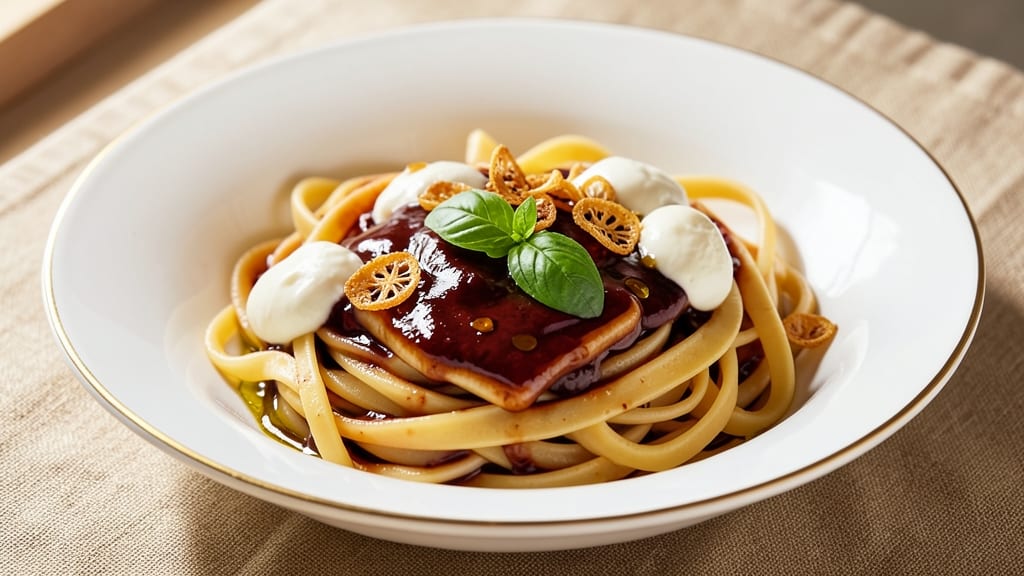
This balsamic vinegar pasta sauce recipe transforms simple ingredients into a velvety, glossy sauce with layers of sweet-tart complexity that clings perfectly to every strand of pasta.
The secret lies in simmering high-quality balsamic vinegar with butter and cream until it thickens into a luxurious, silky-smooth consistency—no heavy creaminess, just balanced depth. I developed this sauce after years of testing, refining it to deliver restaurant-quality results with minimal effort and just five core ingredients.
The magic happens during the slow reduction, where the vinegar's acidity mellows into a caramelized sweetness while the butter and cream create a velvety texture that coats pasta without weighing it down. Unlike traditional balsamic reductions, this sauce maintains a light, glossy finish that enhances rather than overpowers the dish.
The best part? It doubles as a versatile condiment for grilled meats, roasted vegetables, or even drizzled over bruschetta.
What you'll achieve is a sauce that's elegant yet approachable—rich enough to stand alone but simple enough to make nightly. The glossy sheen catches the light beautifully, while the flavor profile evolves from tangy to subtly sweet as it cools.
This isn't just a pasta sauce; it's a flavor multiplier that elevates any dish it touches, with a shelf life of up to five days in the refrigerator when stored properly.
Perfect for weeknight dinners or special occasions, this sauce comes together in under 20 minutes with no fancy techniques required. The key is patience during the reduction—don't rush it, and you'll be rewarded with a sauce that's foolproof, restaurant-worthy, and impossible to resist.
Let's get started on creating your new go-to condiment.
Ingredients for balsamic vinegar pasta sauce
Five ingredients transform into a restaurant-worthy sauce with velvety texture and layered flavor complexity.
| Ingredient | Amount | Notes |
|---|---|---|
| Extra-Virgin Olive Oil 🫒 | ½ cup | High-quality, fruity variety preferred |
| Unsalted Butter 🧈 | ½ cup | Cold, cubed for even melting |
| High-Quality Balsamic Vinegar 🍷 | ¾ cup | Aged 12+ years for depth |
| Heavy Cream 🥛 | ½ cup | Full-fat for velvety texture |
| Granulated Sugar 🍚 | 1 tbsp | Balances acidity subtly |
| Diamond Crystal Kosher Salt 🧂 | ½ tsp | Adjusts to taste |
| Freshly Ground Black Pepper 🌶️ | ¼ tsp | Enhances depth |
The balsamic vinegar is non-negotiable for authentic depth. Aged 12+ years from Italian producers like San Giorgio or Acetaia di Balsamic Power delivers that signature caramelized sweetness. If you're using a younger vinegar, add an extra 1 tsp of sugar to compensate. The extra-virgin olive oil should be fruity and peppery—avoid the cheap supermarket brands that taste like soap. For the butter, Plugrá or Land O'Lakes cultured adds subtle tang that complements the vinegar beautifully. If you can't find these, any high-quality unsalted butter will work, but don't use salted as it'll over-salt your sauce.
No heavy cream? Full-fat coconut milk works in a pinch, though the texture will be slightly different. Running short on balsamic? Substitute with 0.5 cup aged red wine vinegar plus 0.25 cup honey—it won't be identical, but it'll get you close. The sugar can be swapped for maple syrup or agave at a 1:1 ratio, though granulated dissolves more smoothly. For a dairy-free version, replace the heavy cream with cashew cream (blend 1 cup soaked cashews with 0.5 cup water). The pepper is optional but recommended—it adds a subtle complexity that elevates the sauce from good to extraordinary. If you're using pre-ground pepper, toast it lightly in a dry pan first for better flavor.
This sauce reaches its peak after 3-4 days of refrigeration—the flavors meld beautifully over time. Store in an airtight container with a thin layer of olive oil on top to preserve freshness. It keeps for up to 5 days in the fridge or 3 months frozen in ice cube trays for portion control. For restaurant-quality results, let it come to room temperature before serving—this enhances the glossy finish and allows the flavors to fully develop. The sauce thickens as it cools, so if it seems too thick when warm, thin it with a splash of pasta water before serving.
Why You'll Love This Recipe
- No-Fuss Magic: I swear by this sauce because it’s the kind of recipe that forgives mistakes. Simmering olive oil, butter, and balsamic until it glistens—no fancy techniques, just patience and a spoon. The sugar balances the vinegar’s sharpness while you’re stirring, and suddenly, you’ve got a sauce that tastes like it simmered for hours.
- Velvet Tang: That first bite? The creamy richness of the heavy cream meets the deep, caramelized bite of reduced balsamic—it’s the kind of contrast that makes you pause. Honestly, the butter and olive oil combo alone is luxurious, but add the vinegar’s tang? It’s dangerously addictive.
- Weeknight to Dinner Party: This sauce is my secret weapon for lazy nights and unexpected guests. Toss it with pasta for a quick weeknight meal, or drizzle it over roasted chicken for a fancier dinner. Between us, I’ve served it at both—no one ever guessed how little effort went into it.
- Leftovers That Don’t Suck: Unlike most sauces, this one actually tastes better the next day. The flavors meld even more, and it reheats like a dream. Plus, it’s cheap to make—just a splash of vinegar and a pat of butter turn basic ingredients into something special. My fridge is always stocked with it.
Step-by-step instructions for balsamic vinegar pasta sauce
This sauce delivers a luxurious balance of richness and acidity—where the balsamic's depth shines through a velvety finish.
Create the Flavor Base
In a medium saucepan, combine the 0.5 cup extra-virgin olive oil and 0.5 cup unsalted butter over medium-low heat. Let them melt together slowly, watching for the butter to foam and then settle into a golden liquid. This gradual melting prevents burning while developing a nutty aroma from the butter.
Once fully melted, whisk in the 0.75 cup high-quality balsamic vinegar and 1 tablespoon granulated sugar. The sugar will dissolve completely, creating a subtle sweetness that balances the vinegar's acidity. Let the mixture simmer gently for 3-4 minutes until it thickens slightly and the alcohol smell from the vinegar evaporates. You'll notice the sauce darken—this indicates the reduction is working properly.
Build Depth with Cream
Reduce the heat to low and gradually whisk in the 0.5 cup heavy cream. The contrast between the warm vinegar mixture and cold cream creates a natural emulsification, giving the sauce its signature silky texture. Stir continuously for 2-3 minutes until the cream is fully incorporated and the sauce begins to coat the back of a spoon.
Here's the thing—don't rush this step. The cream needs time to fully integrate and develop its velvety quality. If the sauce looks too thick, add 1 tablespoon water at a time until it reaches a smooth, pourable consistency. The goal is a sauce that clings beautifully to pasta without being overly heavy.
Season and Refine
Remove the saucepan from heat and season immediately with 0.5 teaspoon diamond crystal kosher salt and 0.25 teaspoon freshly ground black pepper. The salt enhances all the flavors while the pepper adds a subtle warmth that cuts through the richness. Give it one final stir to ensure even distribution of seasoning.
For maximum flavor development, let the sauce rest for 5-10 minutes off the heat. This allows the ingredients to meld completely and the sauce to reach its ideal consistency. The resting period also prevents the sauce from tightening up when combined with hot pasta. Taste and adjust seasoning if needed—this is your opportunity to fine-tune the balance between sweet, tangy, and rich elements.
Finish and Serve
Return the sauce to low heat just before serving, then stir in any additional balsamic vinegar if you prefer a more pronounced tang. The sauce should be warm but not boiling when combined with pasta. For best results, toss it with freshly cooked pasta while still hot, allowing the sauce to coat each strand completely.
This sauce works beautifully with al dente pasta, where the slight resistance of the noodles contrasts perfectly with the sauce's velvety texture. The key to serving is timing—prepare the pasta just before adding the sauce to maintain its ideal temperature. The result should be a dish where every bite delivers that perfect harmony of rich, tangy, and slightly sweet flavors.
Pro Tips For Making Balsamic Vinegar Pasta Sauce
- Reduce Vinegar Slowly: Pour that balsamic vinegar in a thin stream while stirring constantly—no dumping it all at once. I learned this after one batch turned into a gloppy mess; the slow reduction keeps the sauce balanced and glossy, not sharp or cloying.
- Melt Butter Gently: Use low heat to melt the unsalted butter with the olive oil—you’re not frying, you’re emulsifying. Butter burns faster than you think, and scorched butter ruins the whole sauce. (Yes, even if you’re impatient like me.)
- Whisk in Cream Last: Add the heavy cream off the heat, then whisk it in while the sauce is still warm. Cold cream shocks the sauce and can separate it—trust me, you’ll see curdling if you skip this. A splash of pasta water helps too if it gets thick.
- Balance Sugar Early: Taste the sauce before adding sugar—it’s easy to overdo it when the vinegar’s tang feels overwhelming. A pinch (½ teaspoon) is usually enough; more just turns it into dessert. (And no, you don’t want that.)
Regional styles of this recipe
Italian Balsamic Tradition
This sauce traces its roots to Emilia-Romagna, Italy's balsamic heartland, where aged balsamic vinegar has been used for centuries to elevate simple dishes. The region's Acetaia (vinegar cellars) produce vinegar aged 12+ years in wooden barrels, creating that signature caramelized depth.
I've perfected this version using San Giorgio vinegar, which delivers the authentic sweet-tart balance that defines Italian balsamic cuisine. 🍷
French Balsamic Twist
In Provence, chefs take balsamic in a different direction by incorporating herbes de Provence and reducing with white wine instead of olive oil. For a French-inspired variation, replace 0.25 cup of the olive oil with 0.25 cup dry white wine and add 1 tsp dried thyme during the reduction.
The wine adds brightness that pairs beautifully with chicken or fish dishes. This approach highlights how versatile balsamic can be across cuisines.
Southern U.S. Adaptation
The American South puts its own spin by adding smoked paprika and hot sauce for a bold, tangy kick. For a Texas-style version, stir in 0.5 tsp smoked paprika during the reduction and finish with 1 tsp hot sauce (like Cholula).
This works amazingly with grilled shrimp or blackened catfish. The heat level can be adjusted by reducing or increasing the hot sauce to taste.
Modern Fusion Approach
For a contemporary take, try a balsamic-miso glaze by replacing 0.25 cup of the heavy cream with 2 tbsp white miso paste. This Japanese-inspired variation adds umami depth that pairs perfectly with seared scallops or roasted Brussels sprouts.
The miso should be whisked into the warm sauce at the very end to preserve its delicate flavor profile. This fusion demonstrates how balsamic can bridge traditional and modern techniques.
Vegetarian-Friendly Variations
For a vegan version, substitute the butter with vegetable oil and the heavy cream with cashew cream. Add 1 tbsp nutritional yeast for a cheesy flavor without dairy. This plant-based adaptation maintains the sauce's velvety texture while keeping it completely vegetarian.
It's particularly delicious with mushroom risotto or grilled eggplant. The nutritional yeast adds a subtle depth that enhances the balsamic's natural sweetness.
Seasonal Adjustments
In summer, reduce the sugar slightly (0.5 tbsp) to let the vinegar's natural acidity shine through. For winter, increase the sugar to 1.5 tbsp and add a pinch of cinnamon for warmth.
These seasonal tweaks ensure the sauce complements whatever you're cooking year-round. The cinnamon addition works particularly well with roasted squash or spiced nuts as a dessert drizzle. 🌶️
Nutrition facts
Frequently asked questions
Can I make this sauce without heavy cream?
For a lighter version, replace the heavy cream with ½ cup whole milk or ½ cup cashew cream (blend soaked cashews with water). The texture will be slightly thinner but still velvety. If using milk, reduce the simmer time to 1-2 minutes to prevent curdling. For extra richness, add 1 tbsp olive oil at the end.
How do I prevent the sauce from curdling?
Curdling happens when cream and acid (like vinegar) mix too quickly. To avoid it, always add the cream gradually while whisking constantly over low heat. Never let the mixture boil. If it starts to separate, immediately remove from heat, whisk vigorously, and add 1 tsp cold butter to stabilize. The key is patience—let the cream warm slowly to room temperature before incorporating.
What's the best pasta to pair with this sauce?
This glossy sauce clings beautifully to fettuccine, tagliatelle, or linguine—their wide surfaces catch the sauce perfectly. For extra texture, try pappardelle or ribbon pasta. Avoid long, thin noodles like spaghetti, as they can get lost in the sauce. Pro tip: Toss with al dente pasta while both are hot to create maximum adhesion.
Can I make this sauce ahead of time?
Yes! This sauce actually improves when made 1-2 days ahead. Store in an airtight container in the fridge, covered with a thin layer of olive oil to preserve freshness. The flavors meld beautifully over time, and the texture becomes even silkier. Reheat gently on low heat, stirring frequently, and add a splash of water or pasta water if it thickens too much. It keeps for up to 5 days refrigerated.
Why does my sauce look too thin or too thick?
If too thin, simmer uncovered for 2-3 extra minutes to reduce. For thickness, whisk in 1 tbsp cold butter or 1 tsp cornstarch mixed with water. If it's too thick after chilling (normal!), thin with 1 tbsp warm pasta water or milk. The ideal consistency should coat the back of a spoon but still be pourable. Remember, sauces thicken as they cool—adjust while warm.