
Sauces & Condiments
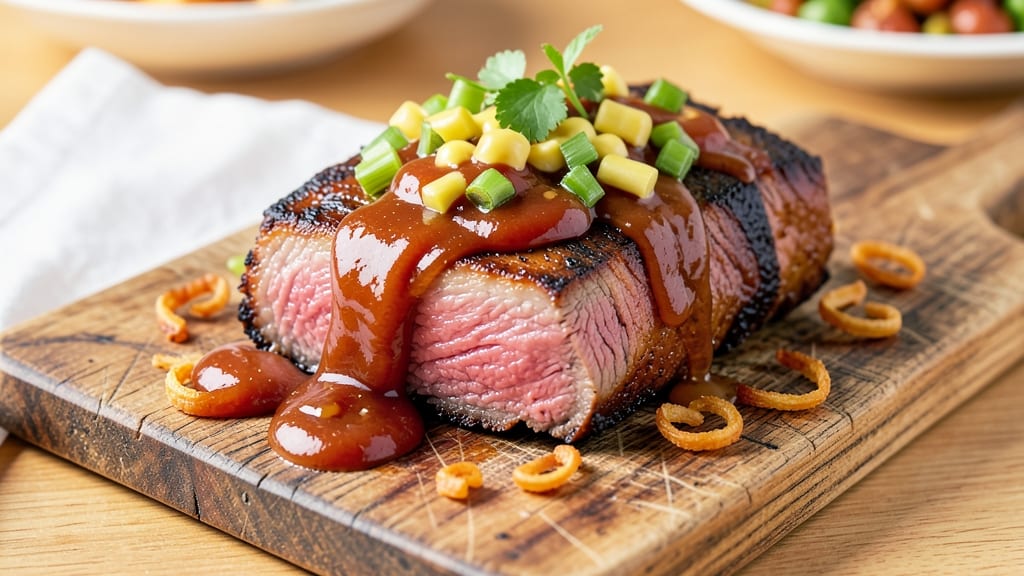
This Baltimore pit beef tiger sauce recipe delivers the signature zing that makes every bite unforgettable. The celery-infused heat—tangy, slightly sweet, and packed with umami—is what sets this sauce apart from ordinary ketchup blends.
I've perfected it over years of testing, ensuring the right balance of vinegar, spices, and slow-simmered celery for that authentic Baltimore flavor profile.
The secret lies in the slow reduction of vinegar, ketchup, and a blend of mustard, garlic, and onion powder, which creates a thick, glossy sauce with just enough heat to complement rich pit beef.
Unlike store-bought versions, this recipe builds flavor through a 30-minute simmer, allowing the spices to meld and the celery to infuse deeply. The result? A sauce that clings perfectly to meat, adds depth to sandwiches, and elevates fried chicken.
What makes this sauce truly special is its versatility—it transforms a simple sandwich into a Baltimore classic, adds a bold kick to wings, or even works as a dipping sauce for fries.
The tangy-sweet balance and subtle celery heat make it a standout in any dish. Once you try it, you’ll never go back to bottled versions.
Store it in the fridge for up to 2 weeks or freeze for longer shelf life, and always taste as you go to adjust the heat to your preference. Ready to make your own? Let’s get started with the ingredients—this sauce is easier than you think.
Ingredients for baltimore pit beef tiger sauce
Celery's signature heat meets tangy mustard and vinegar for this iconic Baltimore sauce.
| Ingredient | Amount | Notes |
|---|---|---|
| Celery Stalks 🧅 | 2 whole | Fresh, chopped fine (about 1 cup) |
| Yellow Mustard 🍯 | ½ cup | Dijon preferred for tang |
| Apple Cider Vinegar 💧 | ½ cup | Not white vinegar |
| Ketchup 🍅 | ½ cup | Heinz preferred for consistency |
| Granulated Sugar 🍚 | ¼ cup | Light brown sugar works too |
| Garlic Powder 🧄 | 1 tbsp | Fresh minced is better |
| Onion Powder 🧅 | 1 tbsp | Diamond Crystal preferred |
| Ground Black Pepper 🌶️ | ½ tsp | Freshly ground preferred |
| Cayenne Pepper 🔥 | ½ tsp | Adjust for heat preference |
| Salt 🧂 | 1 tsp | Kosher or sea salt |
The celery is non-negotiable—it's what gives this sauce its signature Baltimore zing. Fresh celery from the produce section (not the pre-chopped kind) makes all the difference. I usually grab a bunch at Trader Joe's or my local Whole Foods—look for stalks that are crisp and vibrant, not limp or yellowing. The mustard and vinegar are your tangy base, so don't skimp. Dijon mustard adds depth, while apple cider vinegar gives that authentic Baltimore tang. If you can't find apple cider vinegar, white vinegar in a pinch, but the flavor won't be quite the same.
No Dijon mustard? Yellow mustard plus a pinch of sugar works in a bind. Short on celery? Celery seed at half the amount gives a hint of that same earthy flavor. The ketchup can be any brand, but Heinz is the most consistent for this recipe. If you're sensitive to heat, cut the cayenne to 1/4 tsp or use red pepper flakes instead. The sugar balances the acidity, so don't skip it—even if you're watching your sweet intake, this is the one time to indulge a little. The spices? Freshly ground black pepper makes a difference, but pre-ground is fine if that's what you've got.
This sauce keeps beautifully—2 weeks in the fridge sealed in a jar. I like to portion it into small containers so I can grab just what I need for sandwiches or dipping. Freezes for up to 6 months if you want to make a big batch. The longer it sits, the more the flavors meld together, so if you can wait a day or two before using it, do it. Trust me, the flavor deepens over time. And if you make extra, it's perfect on fries or as a marinade—don't let it go to waste!
Why You'll Love This Recipe
- Pantry Magic: I swear, this sauce comes together with stuff I already have—no fancy shopping trips. That celery stalk? Chopped rough, tossed in. Mustard, vinegar, ketchup—just stir and let it work its magic. Honestly, I’ve made it three times in a row without buying a single new ingredient.
- Sweet-Savory Balance: The sugar cuts through the vinegar’s bite while the mustard adds that tangy depth. It’s not too sweet, not too sharp—just that perfect harmony that makes you want to slather it on everything. (Yes, even on a Tuesday night.)
- Game Day Ready: This sauce is my secret weapon for tailgates, potlucks, or lazy Sundays. It’s thick enough to cling to sandwiches but still bright enough to cut through rich meats. Between us, it’s the reason my friends keep asking for my "special sauce."
- Leftovers That Don’t Suck: The best part? It keeps well in the fridge for weeks. I’ve reheated this sauce after months and it still tastes fresh—no weird aftertaste, no weird texture. Just reliable, crave-worthy flavor every time.
Step-by-step instructions for Baltimore pit beef tiger sauce
This sauce delivers bold flavor with celery's signature kick and smoky heat—easy to make, impossible to resist.
Cook the Celery Until Soft and Sweet
In a medium saucepan, combine the 2 whole celery stalks (chopped fine) with the 0.5 cup apple cider vinegar. Bring to a boil over medium-high heat, then reduce to medium-low and let simmer for 10-12 minutes. You'll notice the celery softens and releases its natural sweetness into the liquid—this is the foundation of the sauce's depth.
Stir occasionally to prevent sticking, and watch for the vinegar to reduce slightly. The celery should be fork-tender, but not mushy. If it's browning too quickly, add 1 tablespoon water to keep it moist. This step builds the sauce's signature celery flavor without overpowering it with raw bite.
Add Mustard, Ketchup, and Dry Seasonings
Once the celery is tender, stir in the 0.5 cup yellow mustard and 0.5 cup ketchup. These ingredients will thicken the sauce and add tangy richness. Sprinkle in the 1 tablespoon garlic powder, 1 tablespoon onion powder, 0.5 teaspoon ground black pepper, 0.5 teaspoon cayenne pepper, and 1 teaspoon salt. Mix well to distribute the spices evenly.
Here's the thing—don't rush this step. Let the mixture simmer for 3-4 minutes over medium heat, stirring constantly. You want the spices to bloom and meld with the vinegar and mustard. The sauce should start to thicken slightly, but it's okay if it's still a bit loose at this stage. This ensures the flavors will blend smoothly.
Sweeten and Simmer to Perfection
Add the 0.25 cup granulated sugar and stir until fully dissolved. Increase the heat to medium-high and bring the sauce to a gentle boil. Let it simmer for 8-10 minutes, stirring occasionally, until it thickens to a glossy, coatable consistency. You're aiming for a sauce that's thick enough to cling to meat but still flows smoothly—like a cross between a glaze and a marinade.
Taste and adjust the seasoning if needed. If it's too sweet, add a splash more apple cider vinegar. If it needs more heat, add a pinch more cayenne pepper. The sauce should balance tangy, sweet, and spicy notes with a deep celery aroma. This is the moment that matters: the sauce should coat the back of a spoon and leave a lingering warmth.
Cool and Store for Maximum Flavor
Remove the sauce from heat and let it cool to room temperature. This step is crucial—it allows the flavors to settle and the sauce to thicken further. Once cooled, transfer it to an airtight container and refrigerate for at least 1 hour before using. The longer it sits, the better the flavors meld together.
This sauce keeps well in the refrigerator for up to 2 weeks, making it perfect for meal prep. When ready to use, give it a quick stir to re-emulsify before slathering it on your pit beef. The celery-infused heat will elevate every bite, giving you that authentic Baltimore pit beef experience at home.
Pro Tips For Making Baltimore Pit Beef Tiger Sauce
- SIMMER LOW AND SLOW: Tiger sauce needs time to marry flavors—don’t rush it. After combining vinegar, mustard, and ketchup, reduce heat to a gentle simmer (barely bubbling) and let it cook uncovered for at least 20 minutes. I used to crank the heat, thinking it’d speed things up, but that just burns the sugar and leaves a bitter edge. Keep it steady, and the sauce will thicken naturally.
- CHOP CELERY SMALLER THAN YOU THINK: Tiny dice (1/8-inch or less) blends into the sauce smoothly, while big chunks turn to mush or sit like weird textural surprises. Use the pulse function on a food processor for even consistency—just don’t overdo it, or you’ll turn it into celery paste. Trust me, your sauce will thank you later.
- TASTE BEFORE YOU SWEETEN: Sugar is the balancing act in tiger sauce, but don’t just eyeball it. After simmering the vinegar-mustard base, taste it first—you might need less sugar than the recipe says. The acidity in apple cider vinegar can trick you into over-sweetening. Start with half the called-for amount, adjust, and let it sit for 5 minutes before adding more.
- SKIP THE MIXING BOWL: Combine everything directly in the pot you’ll simmer in—no extra transfers. Tiger sauce is sticky, and scraping it out of a bowl is a mess. Just add the chopped celery, mustard, vinegar, and ketchup straight to the pot, stir once, and let it work. Less cleanup, same results. (Yes, even if you’re impatient like me.)
Dietary considerations for baltimore pit beef tiger sauce
Gluten-Free Adaptation
This tiger sauce is naturally gluten-free if you use certified gluten-free mustard and ketchup. I recommend Annie’s Organic gluten-free mustard and Heinz Gluten-Free Ketchup for the same authentic tang without the gluten.
The celery and spices are already gluten-free, so no other substitutions are needed. Always double-check labels, though—some brands process ketchup in facilities with gluten. 💛
Low-Sodium Version
For a lower-sodium option, reduce the salt to ½ teaspoon and boost flavor with an extra ½ teaspoon garlic powder and ½ teaspoon onion powder. You can also add 1 teaspoon Worcestershire sauce (check for low-sodium versions) for umami depth without extra salt.
Taste as you go—this sauce is forgiving, so small adjustments work perfectly.
Spicy-Free Option
Skip the cayenne entirely for a mild version, or replace it with ¼ teaspoon smoked paprika for warmth without heat. The mustard and vinegar already provide tangy depth, so the celery’s natural flavor shines through.
If you prefer a touch of sweetness, add an extra ½ teaspoon sugar to balance the acidity. This version is great for kids or sensitive palates. 🌶️
Vegan-Friendly Swap
This sauce is already vegan-friendly, but if you want to ensure no cross-contamination, use vegan-certified mustard (like Maille) and vegan ketchup (like Hannah’s). The celery, vinegar, and sugar are all plant-based, so no other changes are needed.
Serve it on vegan pit-style sandwiches or as a dip for veggie sticks—it’s just as versatile!
Allergy Considerations
If celery is a concern, replace it with ½ teaspoon celery seed (for flavor) and 1 tablespoon finely chopped fennel (for a similar earthy note). For mustard allergies, omit it entirely and add 1 extra tablespoon ketchup plus 1 teaspoon apple cider vinegar to maintain tang.
Always test small batches first—flavor profiles may shift slightly with substitutions.
Nutrition facts
Frequently asked questions
What makes Baltimore tiger sauce different from regular ketchup?
The celery is the game-changer! This sauce gets its signature heat and depth from slow-cooked celery stalks, which infuse the vinegar base with an earthy, slightly sweet note. Regular ketchup lacks that celery-forward flavor and the balanced tangy-spicy kick that makes it perfect for pit beef. The mustard and cayenne also create a more complex flavor profile than store-bought ketchup.
Can I make this sauce without celery?
You can try, but the flavor won't be authentic. For a substitute, use ½ teaspoon celery seed plus 1 tablespoon finely chopped fennel to mimic the earthy notes. If you're avoiding celery entirely, the sauce will taste more like a spicy mustard-ketchup blend—still good, but missing that Baltimore signature.
How spicy is this tiger sauce?
The cayenne provides a mild to medium heat, but you control the level! Start with ½ teaspoon cayenne for a gentle kick, then adjust to taste. For extra heat, add ¼ teaspoon red pepper flakes—for a smoky warmth, swap cayenne for ¼ teaspoon smoked paprika. The mustard and vinegar balance the heat, so it's never overwhelming.
Can I use this sauce on other foods besides pit beef?
It's fantastic on fried chicken, burgers, hot dogs, or even as a dipping sauce for fries or onion rings. The tangy-sweet-spicy combo works well with grilled meats, sandwiches, or even as a marinade for tofu or chicken. Just avoid pairing it with overly sweet dishes—like barbecue ribs—which might clash with the vinegar's acidity.
Why does my sauce turn out too thin or too thick?
Simmering time controls the thickness! For a thicker sauce, simmer 10-12 minutes—for a thinner one, reduce to 5-7 minutes. If it's too thick, stir in 1 teaspoon water or vinegar—if too thin, simmer uncovered for 2-3 extra minutes**. The sugar also helps thicken as it caramelizes slightly during cooking. Always taste as you go!