
Sauces & Condiments
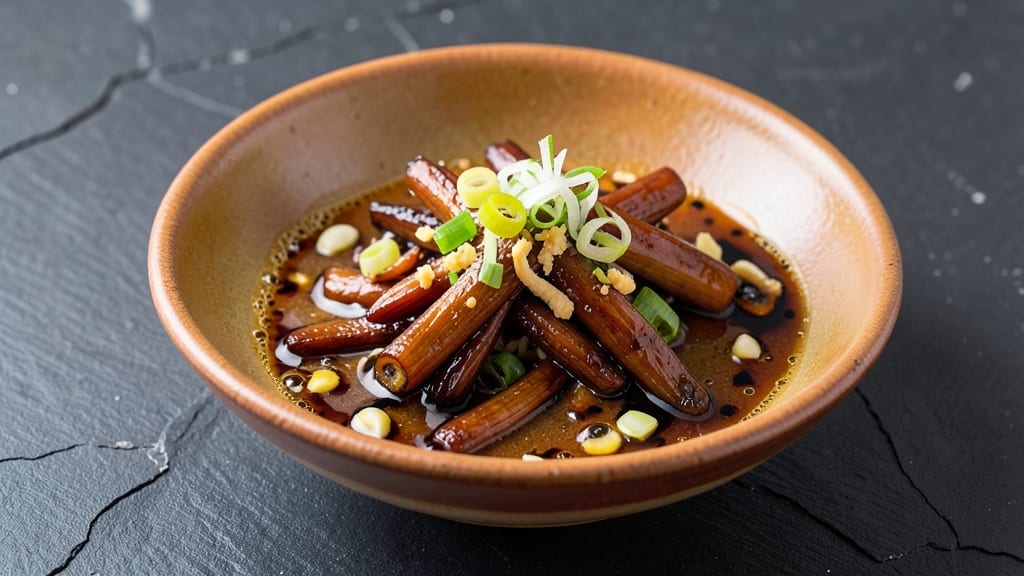
This bamboo sauce recipe transforms humble ingredients into a silky-spiced condiment that elevates dumplings, noodles, and grilled meats with its umami depth. Inspired by East Asian traditions, the sauce blends fermented bamboo shoots with soy, garlic, and spices for a complex flavor profile that's both bold and balanced.
The key lies in simmering the mixture just until the aromatics meld, creating a glossy, aromatic sauce that clings beautifully to food.
Traditionally used in Chinese and Japanese cuisine, bamboo sauce delivers a fermented tang that brightens rich dishes without overpowering them. While authentic versions require fermented bamboo shoots (available in Asian markets or online), a quick substitute uses canned bamboo shoots with a splash of vinegar to mimic the tang.
The process is straightforward: combine ingredients in a saucepan, simmer until thickened, then let it cool to develop its signature depth.
What makes this sauce exceptional is its versatility—drizzle it over steaming dumplings, toss with stir-fried noodles, or use it as a marinade for grilled meats. The savory-sweet balance and subtle heat from chili flakes make it a standout condiment that pairs equally well with hearty dishes or delicate sushi.
Once made, it keeps in the refrigerator for up to two weeks, making it a perfect pantry staple for home cooks.
The beauty of this recipe lies in its adaptability. Adjust the sugar to taste—more for sweetness, less for a sharper tang—and add a pinch of white pepper for warmth. For a modern twist, blend in a spoonful of sesame paste or a splash of rice vinegar.
Whether you're recreating a classic dish or experimenting with fusion flavors, this sauce will become your go-to secret weapon in the kitchen.
Ingredients for bamboo sauce
Nine essential ingredients blend into a silky-spiced sauce that transforms ordinary dishes into extraordinary ones.
| Ingredient | Amount | Notes |
|---|---|---|
| Fermented Bamboo Shoots 🌱 | 1 cup | Fresh or canned, rinsed well |
| Light Soy Sauce 🍶 | ½ cup | Kikkoman preferred for balance |
| Dark Soy Sauce 🍶 | 1 tbsp | For deeper umami richness |
| Garlic Cloves 🧄 | 4 cloves | Minced for aromatic depth |
| Fresh Ginger 🌿 | 1 tbsp | Finely grated, peeled |
| Green Onions 🧅 | 2 whole | White and green parts separated |
| White Sugar 🍚 | 2 tbsp | Adjust to taste for sweetness |
| Sesame Oil 🫒 | 1 tbsp | Toasted for nutty aroma |
| Red Chili Flakes 🌶️ | ½ tsp | Adjust for heat preference |
| White Peppercorns 🌶️ | ¼ tsp | Freshly ground for warmth |
Fermented bamboo shoots are the heart of this sauce, delivering that signature tang. Asian markets carry fresh or canned versions—look for jars labeled 'pickled bamboo shoots' if fresh aren't available. The difference between light and dark soy sauce is crucial: light provides the base flavor while dark adds depth. For the garlic, peeling and mincing fresh cloves yields the best aroma, though jarred minced garlic in a pinch works too. Ginger should be peeled and grated just before adding to preserve its freshness. Green onions add brightness—separate the white and green parts for maximum effect during cooking.
No fermented bamboo shoots? Canned bamboo shoots with a splash of rice vinegar mimic the tang, though the flavor will be slightly milder. Substitute dark soy sauce with an extra tablespoon of light soy plus a teaspoon of molasses for depth. For a sweeter profile, honey or maple syrup can replace sugar, though white sugar maintains the traditional balance. Sesame oil can be omitted if nutty flavors aren't desired, but it's worth including for that authentic touch. The chili flakes are optional but recommended for subtle heat—adjust to taste. White peppercorns add warmth without color, making them ideal for this sauce's silky appearance.
This sauce thickens as it cools, so resist the urge to over-simmer. Store in an airtight container in the refrigerator for up to two weeks. The flavors deepen over time, so making a batch ahead is ideal. For longer storage, freeze in ice cube trays—thaw and stir before use. The sauce pairs beautifully with steamed dumplings, stir-fried noodles, or grilled meats, making it a versatile pantry staple. Always stir well before using, as ingredients may settle.
Why You'll Love This Recipe
- Few Ingredients, Big Payoff: I swear by this recipe because it’s that simple—just chop garlic, slice ginger, and toss in the bamboo shoots. No peeling, no dicing mountains of veggies, no stress. Honestly, the hardest part is waiting for it to simmer.
- Umami Bomb: That fermented bamboo shoot? It’s the secret weapon—tangy, funky, and packed with flavor. Pair it with the deep caramel notes of dark soy sauce and fresh ginger, and you’ve got a sauce that turns bland stir-fries into something dangerously addictive.
- Pantry Staple Flex: This sauce keeps like a champ in the fridge for weeks, so I always have it on hand. Drizzle it over noodles, toss it with tofu, or slather it on grilled meats—it’s my go-to for lazy nights or when I’m feeding a crowd without breaking the bank.
- Budget Magic: Fermented bamboo shoots last forever, and a little goes a long way. Between us, I’ve made this sauce stretch for four meals without feeling like I’m skimping. Plus, the soy sauces and ginger are cheap but add layers of flavor that make it feel special.
Step-by-step instructions for silky bamboo sauce
This method balances umami depth with delicate sweetness for a sauce that elevates any dish.
🍳 Step 1: Prepare the Bamboo Shoots and Aromatics
Rinse the 1 cup Fermented Bamboo Shoots thoroughly under cold water to remove any residual saltiness. Drain well and pat dry with paper towels. In a small bowl, combine the minced 4 cloves Garlic Cloves and finely grated 1 tbsp Fresh Ginger. Set aside—the garlic should be finely minced so it dissolves completely during cooking, while the ginger should be grated to release its essential oils without becoming fibrous.
Separate the 2 whole Green Onions into white and green parts. The white portions will be cooked into the sauce for subtle onion flavor, while the green tops will be reserved for garnish. This separation prevents the sauce from becoming too assertive with onion flavor while still allowing for fresh garnish at serving.
🔥 Step 2: Build the Sauce Base with Soy Sauces
In a medium saucepan, combine the 0.5 cup Light Soy Sauce and 1 tbsp Dark Soy Sauce over medium heat. Bring to a gentle simmer and let cook for 2-3 minutes until the mixture reduces slightly and the aromas intensify. This reduction concentrates the flavors and removes any raw soy taste.
Add the prepared garlic-ginger mixture and stir constantly for 30 seconds until fragrant. The garlic should dissolve completely, creating a smooth base rather than distinct pieces. If you notice the mixture darkening too quickly, reduce the heat slightly to prevent burning—you want the aromatics to infuse without developing bitterness.
🥘 Step 3: Incorporate Bamboo Shoots and Sweetness
Add the drained 1 cup Fermented Bamboo Shoots to the saucepan and stir to combine. Increase heat to medium-high and bring to a boil. Once boiling, reduce heat to medium-low and simmer for 5-6 minutes until the bamboo shoots soften and the liquid reduces by about 25%. You'll see the sauce thicken slightly and the bamboo shoots become tender when pierced with a fork.
Stir in the 2 tbsp White Sugar and the white portions of the Green Onions. Simmer for an additional 2 minutes, stirring occasionally. The sugar should dissolve completely, balancing the sauce's acidity and adding subtle sweetness. Taste the sauce at this stage—it should be tangy with developing umami, but not yet fully balanced.
🍲 Step 4: Finish with Oil and Spices
Remove the saucepan from heat and stir in the 1 tbsp Sesame Oil. The oil should be toasted for maximum aroma, so if you're using untoasted sesame oil, warm it separately for 30 seconds before adding. Add the 0.5 tsp Red Chili Flakes and 0.25 tsp White Peppercorns, stirring until evenly distributed. The chili flakes will add subtle heat, while the peppercorns contribute a warm, earthy note.
Return the sauce to low heat and let it simmer gently for 1-2 minutes to allow all the flavors to meld. The final sauce should be silky in texture with a glossy sheen, balancing sweet, salty, umami, and slightly spicy flavors. If the sauce is too thick, thin it with 1-2 tablespoons of hot water; if too thin, simmer uncovered for an additional minute to reduce further.
⏰ Step 5: Rest and Adjust for Perfect Texture
Transfer the sauce to a clean bowl and let it rest at room temperature for 10 minutes. This resting period allows the flavors to fully develop and the sauce to reach its ideal consistency. During this time, taste the sauce again and make any final adjustments—add a pinch more sugar if it needs sweetness, or a splash more light soy sauce if it needs saltiness.
The finished sauce should coat the back of a spoon with a velvety texture, ready to drizzle over steamed dumplings, noodle bowls, or grilled meats. For best results, use the sauce immediately, though it will keep in an airtight container in the refrigerator for up to 5 days. Reheat gently before serving to maintain its silky texture.
Pro Tips For Making Bamboo Sauce
- SOAK BAMBOO SHOOTS FIRST: Fermented bamboo shoots are salty and tough—give them a quick 10-minute soak in cold water before cooking. This cuts the saltiness by half and softens them just enough to melt into the sauce instead of fighting for texture. (Yes, even if the jar says "ready to use.")
- STIR LOW AND SLOW: After adding soy sauces and ginger, keep the heat at a simmer—not a boil. I learned this the hard way: boiling dark soy sauce turns it bitter, and you’ll end up with a muddy, overcooked mess instead of that glossy, caramelized depth.
- GINGER: GRATE, DON’T SLICE: Thinly sliced ginger burns fast and turns bitter. Use a microplane or fine grater for fresh ginger—it releases flavor evenly and disappears into the sauce without leaving chunks. (Pro move: Add it with the garlic at the very end for maximum aroma.)
- DARK SOY SAUCE LAST: Toss in the dark soy sauce in the final 30 seconds of cooking—it’s sensitive to heat and burns faster than light soy. This keeps its rich color and deep umami intact, giving the sauce that signature glossy sheen. (Your future self will notice the difference.)
Essential equipment for bamboo sauce
Small Saucepan
For this recipe, a medium-sized saucepan with sloped sides is ideal—it gives you enough surface area to stir efficiently while preventing spills when the sauce reduces. I use my 3-quart stainless steel saucepan from All-Clad because it heats evenly and resists warping.
If you don’t have stainless steel, a heavy-bottomed enamel pan works just as well. Avoid thin aluminum pans, as they can cause hot spots and uneven cooking. 🔥
Fine-Mesh Strainer
A fine-mesh strainer is essential if you’re using canned bamboo shoots to mimic fermented ones. The strainer helps remove any grit or sediment from the canned shoots, ensuring your sauce stays silky smooth.
I keep a 3-inch stainless steel strainer from OXO in my kitchen—it’s durable, easy to clean, and gets the job done without letting anything slip through. If you’re using fresh fermented shoots, skip this step, but keep the strainer handy for other sauces like chimichurri or pestos.
Microplane or Grater
Fresh ginger and garlic are the backbone of this sauce’s flavor, so proper prep is key. A Microplane or box grater ensures you get finely grated ginger and minced garlic without any fibrous bits. I prefer the Microplane because it’s fast and gives me consistent results.
For garlic, press the cloves through the grater’s fine holes, then stir them into the sauce while warm—they’ll dissolve completely for a smooth texture. 🌿
Wooden Spoon
A wooden spoon is a must for stirring this sauce. Unlike metal utensils, wood won’t scratch your pan or react with the acidic soy sauce, which could alter the flavor.
I reach for my olive wood spoon from Lodge—it’s heat-resistant, gentle on pans, and adds a subtle earthy note to the sauce over time. If you don’t have wood, a heatproof silicone spatula is a great alternative, though it won’t impart any flavor.
Small Mixing Bowl
A small mixing bowl (about 8-inch diameter) is perfect for prepping the garlic-ginger mixture before adding it to the saucepan. I use a glass bowl from Pyrex because it’s easy to clean and lets me see the ingredients clearly.
This step keeps your workspace organized and prevents cross-contamination with other spices or ingredients. Pro tip: Use the same bowl to separate green onion whites from greens—it saves on dishes and keeps everything tidy. 🧅
Air-Tight Container
Once your sauce is ready, store it in an airtight container to preserve its freshness and prevent absorption of fridge odors. I love using glass jars with silicone seals from Le Parfait—they’re leak-proof, microwave-safe, and stackable.
For short-term storage (up to 5 days), a small glass jar works perfectly. If you’re freezing the sauce, transfer it to freezer-safe containers with at least 1 inch of headspace to account for expansion. Label the container with the date to track freshness! ❄️
Nutrition facts
Frequently asked questions
Can I make bamboo sauce without fermented bamboo shoots?
Yes! Use canned bamboo shoots drained well, then add 1 tbsp rice vinegar to mimic the tang. For extra depth, simmer with ½ tsp fish sauce (traditional in many Asian sauces). The texture will be slightly softer, but the flavor remains rich and aromatic.
How long does homemade bamboo sauce keep?
Store in an airtight container in the fridge for up to 5 days. For longer storage, freeze in ice cube trays—thaw and stir before using. The sauce thickens when chilled, so reheat gently on low heat with 1 tbsp water to restore silky texture.
What’s the best way to use leftover bamboo sauce?
Drizzle over steamed dumplings, toss with cold noodles, or use as a marinade for grilled pork or tofu. For extra richness, blend 1 tbsp sesame paste into the sauce before serving. It also works as a dipping sauce for spring rolls or fresh spring vegetables.
Why did my sauce turn bitter?
Overcooking or using too much dark soy sauce can cause bitterness. Reduce heat to medium-low and simmer gently—never boil vigorously. For balance, add ½ tsp honey or 1 tsp sugar to counteract the bitterness. Fresh ginger and garlic should be added at the end of cooking to preserve their bright flavors.
Can I adjust the spice level?
Omit the chili flakes for a mild version or add ½ tsp extra for heat. For smoky depth, stir in ¼ tsp smoked paprika at the end. The white peppercorns add warmth without color—reduce to ¼ tsp if you prefer a milder finish.