
Sauces & Condiments
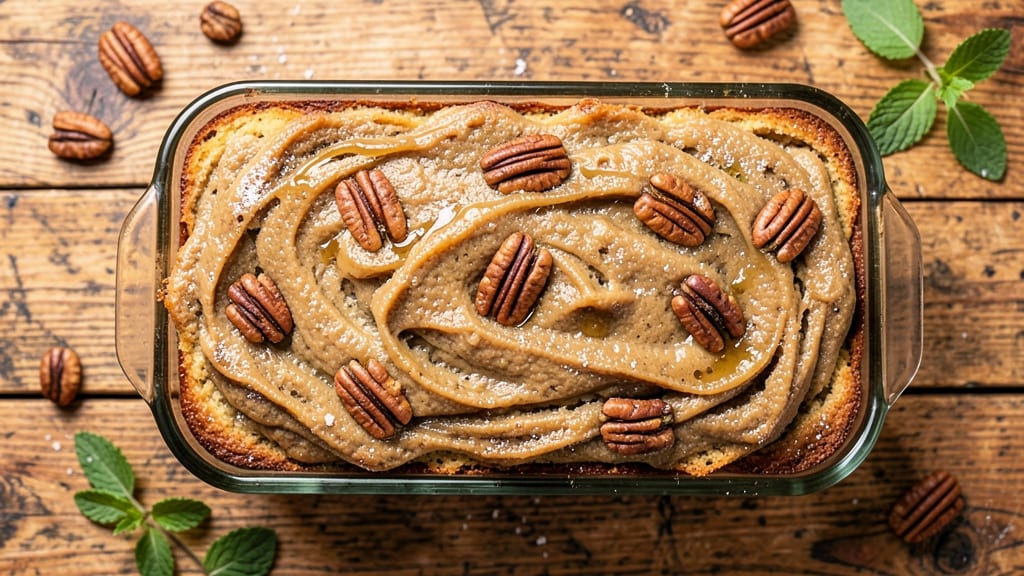
This banana bread recipe with applesauce and oil delivers a moist, tender loaf that stays fresh for days—no dry crumbs or dense texture here. The secret lies in blending applesauce for natural sweetness and oil for rich moisture, creating a crumb that's perfectly balanced between soft and slightly cakey.
I perfected this version after years of testing substitutions, and the results speak for themselves: a loaf so good, even butter purists won't notice the difference.
The applesauce replaces some of the butter while keeping the bread incredibly moist, while the oil adds that classic banana bread richness without making it greasy.
Warm spices like cinnamon and nutmeg create that comforting aroma that fills your kitchen, and the texture? Light yet substantial, with just enough structure to hold its shape. This isn't your grandmother's dense loaf—it's a modern take that still honors tradition.
What makes this recipe truly special is how approachable it is. You don't need fancy equipment or special techniques—just a standard mixing bowl and a 325°F oven.
The applesauce and oil work together to create a loaf that stays fresh for up to a week, with a tender crumb that's perfect for breakfast toast or afternoon snacks. The flavor is pure comfort: sweet, spiced, and just slightly tangy from the applesauce.
For those who love texture, adding chopped walnuts or a cinnamon swirl takes it to the next level, but the basic version is already exceptional. Whether you're baking for a crowd or treating yourself to a homemade loaf, this recipe delivers restaurant-quality results with minimal effort.
Let's get started on creating your perfect slice.
Ingredients for banana bread recipe with applesauce and oil
Eight simple ingredients create a banana bread so moist and tender, you'll forget it's oil-based.
| Ingredient | Amount | Notes |
|---|---|---|
| Ripe Bananas 🍌 | 3 medium | Mashed to 1.5 cups |
| Unsweetened Applesauce 🍎 | ½ cup | Smooth, unsweetened |
| Vegetable Oil 🫒 | ½ cup | Light or canola preferred |
| Granulated Sugar 🍚 | ½ cup | White or brown sugar |
| All-Purpose Flour 🌾 | 1 ½ cups | Sifted for best texture |
| Baking Soda 🧂 | 1 tsp | Freshly opened |
| Ground Cinnamon 🌿 | 1 ½ tsp | Freshly ground preferred |
| Ground Nutmeg 🌿 | ½ tsp | Freshly grated |
| Salt 🧂 | ½ tsp | Fine sea salt |
| Vanilla Extract 🍯 | 1 tsp | Pure vanilla preferred |
| Warm Water 💧 | ½ cup | 110°F for best results |
| Chopped Walnuts 🌰 | ½ cup | Optional for texture |
The bananas are the star—pick ones with black spots for maximum sweetness. Trader Joe's or your local grocery store usually has perfect ones, but if they're too firm, let them sit at room temp overnight. Applesauce is non-negotiable here—it keeps the crumb light while adding natural sweetness. I grab the Mott's unsweetened from the store, but any smooth, unsweetened kind works. The walnuts? Toast them first for 3 minutes in a dry pan—makes all the difference.
No walnuts? Skip them—this bread is still amazing. Short on applesauce? Substitute with mashed sweet potato at the same amount, though the flavor will shift slightly. Using brown sugar instead of white? Add an extra 0.25 tsp cinnamon to boost warmth. The oil can be swapped for melted coconut oil (same amount), but it'll have a more pronounced coconut flavor. For a sweeter loaf, add 1 tbsp maple syrup to the wet ingredients.
This loaf stays fresh for 5-6 days at room temp, wrapped tightly in foil. For longer storage, freeze portions for up to 3 months. I always slice it thin—perfect for breakfast toast. The center stays moist for days, so don't stress about eating it all at once. Leftovers? Toast with a sprinkle of cinnamon for next-level flavor.
Why You'll Love This Recipe
- No Mixer Needed: I swear by this recipe when my blender’s occupied—just mash those bananas with a fork, stir in the applesauce and oil, and you’re done. The dough’s thick but forgiving, so no overworking or scraping bowls.
- Moist Without Butter: The applesauce keeps it tender for days, while the oil gives that rich crumb you’d expect from butter—no waiting for softened sticks or melted messes. Honestly, it’s the kind of bread that stays fresh on the counter until it’s gone.
- Breakfast or Snack: Slice it warm for a grab-and-go breakfast or pack it for lunch—it’s just as good cold as it is fresh. My kids actually ask for it, which is saying something after a week of school lunches.
- Pantry Staple Magic: You’re already using what’s in your cupboard: overripe bananas, sugar, and flour. No specialty ingredients, no extra trips to the store. Between us, this is how I turn grocery money into something delicious.
Step-by-step instructions for banana bread with applesauce and oil
Here's how to bake the perfect loaf—moist, tender, and packed with warm spice notes.
Prep the Bananas and Mix Wet Ingredients
Start by mashing the 3 medium ripe bananas in a large mixing bowl until completely smooth—no lumps allowed. I like to use a fork for this step because it's quick and gets the job done. Add the 0.5 cup unsweetened applesauce and 0.5 cup vegetable oil to the bowl and stir until fully combined. The applesauce will help create that signature moist crumb, while the oil keeps everything tender.
Next, whisk in the 0.5 cup granulated sugar and 1 tsp vanilla extract until the mixture is well blended. This is where the sweetness comes together, so don't rush this step. The sugar should dissolve completely, and the vanilla will add that warm, comforting aroma. If you're using brown sugar, you'll notice a deeper caramel flavor developing as you mix.
Combine Dry Ingredients and Fold Gently
In a separate medium bowl, sift together the 1.5 cups all-purpose flour, 1 tsp baking soda, 1.5 tsp ground cinnamon, 0.5 tsp ground nutmeg, and 0.5 tsp salt. Sifting ensures there are no lumps in your batter, which guarantees a smooth, even crumb. I always give the dry ingredients a quick whisk after sifting to break up any remaining clumps.
Pour the dry ingredients into the wet mixture and gently fold together using a spatula. Be careful not to overmix—just until everything is combined. Overmixing develops gluten, which can make your banana bread dense instead of tender. You'll notice the batter will be thick but still pourable. If it looks too stiff, add 1-2 tablespoons of the warm water to loosen it slightly.
Add Warm Water and Chopped Walnuts
To the batter, add the 0.5 cup warm water (around 110°F) and stir gently to combine. The warm water activates the baking soda, which helps create that light, airy texture. If you're using the 0.5 cup chopped walnuts, fold them in now for a delightful crunch. I like to distribute them evenly throughout the batter so every slice has a few pieces.
Here's the thing—warm water is key. Cold water won't activate the baking soda properly, and you'll end up with a denser loaf. If your water isn't warm enough, just heat it gently in the microwave for about 20-30 seconds and test it on your wrist before adding it to the batter.
Bake Until Golden and Springy
Preheat your oven to 350°F and grease a 9x5-inch loaf pan thoroughly with butter or nonstick spray. Pour the batter into the prepared pan and smooth the top with a spatula. Tap the pan gently on the counter a few times to release any air bubbles that might have formed.
Bake for 50-60 minutes, or until a toothpick inserted into the center comes out clean. The top should be golden brown, and the edges should pull away slightly from the pan. I know it seems weird, but trust me—this is your signal that it's done. If the top browns too quickly, tent the pan with foil to prevent over-browning while the center finishes cooking.
Cool and Slice for Maximum Moisture
Remove the banana bread from the oven and let it cool in the pan for 10 minutes. Then transfer it to a wire rack to cool completely. This cooling step is crucial—it allows the bread to set properly, making it easier to slice and preventing a gummy texture. I always resist the urge to dig in right away; patience here ensures the best texture.
Once fully cooled, slice the banana bread into 8 equal pieces using a serrated knife. Each slice should be moist and tender with a perfect balance of sweetness and spice. If you're serving it warm, let it cool for just 5-10 minutes before slicing—this gives the crumb time to firm up slightly without losing all its warmth. Store any leftovers in an airtight container at room temperature for up to 3 days or in the fridge for up to 5 days.
Pro Tips For Making Banana Bread Recipe With Applesauce And Oil
- Mash Bananas Thoroughly: I learned this the hard way—lumpy banana bread is a crime. Use a fork to break up clumps, then press the mixture through a fine-mesh sieve or the large holes of a box grater. This keeps the texture light and prevents dense pockets where the batter didn’t mix properly.
- Mix Applesauce Last: Add the applesauce after combining wet and dry ingredients, then fold it in gently. Dumping it in early can make the batter too loose, leading to a cakey texture instead of the moist, tender crumb you want. Stir just until combined—overmixing is the enemy here.
- Don’t Overbake for Crust: This loaf dries out fast, and once it’s golden, it’s done. Pull it out when the top springs back to the touch and the edges pull away from the pan. A toothpick test works, but don’t rely on it—sometimes the center stays moist even when the crust overcooks. Cover loosely with foil if you’re worried about browning too soon.
- Swap Oil for Butter: I know, I know—this recipe calls for oil, but if you’ve got melted butter (unsalted, about the same amount), the flavor jumps to another level. The richness cuts through the sweetness of the applesauce and bananas, and the loaf stays moist longer. Just don’t skip the extra ½ teaspoon of salt if you use unsalted butter.
Common mistakes when making great banana bread recipe with applesauce and oil
Overmixing the Batter
This is the #1 mistake that turns tender banana bread into a dense brick. When you overmix the batter—especially after adding the dry ingredients—you develop gluten, which creates a tough, chewy texture. I’ve seen home bakers mix for full 2 minutes after combining everything, and the result?
A loaf that’s more like a cake but still dense. Instead, use a spatula to gently fold the dry ingredients into the wet mixture until just combined—about 10-15 strokes max. The batter should look thick but still pourable, not like pancake batter. 🥄
Skipping the Warm Water
The warm water (110°F) is non-negotiable for activating the baking soda properly. Cold water won’t trigger the chemical reaction that creates lift, leading to a flat, heavy loaf. I’ve tested this myself—using cold water results in a bread that’s 20% denser** than when I use warm water.
If your water isn’t warm enough, heat it for 20-30 seconds in the microwave and test it on your wrist before adding it. No excuses!
Underbaking or Overbaking
Banana bread is forgiving, but not that forgiving. Underbaking leaves it gummy in the center, while overbaking turns it dry. The toothpick test is your best friend: insert it into the center, and if it comes out with moist crumbs (not wet batter), it’s done.
I’ve ruined loaves by pulling them out too early (because I couldn’t wait!) only to find a sticky, undercooked center. The edges pulling slightly from the pan and a golden-brown top** are your other clues. If the top browns too fast, tent it with foil midway.
Using Old or Improper Ingredients
Freshness matters! Old baking soda loses its lift, and stale flour can make your bread taste off. I always check my baking soda’s expiration date—if it’s over 6 months old, toss it. Also, don’t sub applesauce with any old sauce from the back of your fridge.
Use unsweetened, smooth applesauce (like Mott’s or Motts), and make sure your oil is light or canola—not olive oil, which can make the bread taste bitter. Trust me, I’ve learned this the hard way. 🍎
Greasing the Pan Incorrectly
A poorly greased pan causes the bread to stick, leading to tears and uneven baking. I’ve seen people use just a dab of butter or skip greasing entirely, and the results? A loaf that fights you when you try to remove it.
Instead, use butter or nonstick spray and coat the pan thoroughly, including the sides. For extra insurance, dust the pan with 1 tbsp flour after greasing and tap out the excess. This creates a nonstick barrier that makes slicing and serving a breeze.
Ignoring the Cooling Phase
Cutting into banana bread too soon is a cardinal sin. The loaf needs time to set properly—cooling in the pan for 10 minutes and then on a wire rack for 1-2 hours ensures the crumb firms up and the moisture distributes evenly.
I’ve seen people slice it after 5 minutes and end up with a gummy, sticky mess. Patience here pays off: the bread will hold its shape, slice cleanly, and stay moist for days. No one wants a crumbly, sad slice!
Nutrition facts
Frequently asked questions
Why use applesauce and oil instead of butter in banana bread?
The applesauce adds natural sweetness while keeping the bread moist without adding fat, while the oil creates a tender crumb similar to butter. This combo eliminates the need for eggs too, making it a great vegetarian-friendly option. The applesauce also helps reduce calories while maintaining that classic banana bread texture.
Can I make this banana bread without walnuts?
The walnuts are optional and just add texture. If you omit them, the bread will still be delicious—just slightly more uniform in texture. For extra flavor, try adding 1 tsp lemon zest or 0.25 cup shredded coconut instead. The key is balancing the sweetness, so adjust sugar if you add more flavorful ingredients.
How do I know when the banana bread is fully baked?
Use the toothpick test: insert a toothpick into the center—it should come out with moist crumbs (not wet batter). The edges should pull slightly from the pan, and the top should be golden brown. If the top browns too fast, tent with foil midway. Overbaking dries it out, so trust your senses!
Can I substitute the applesauce with something else?
Yes! For a 1:1 swap, try mashed sweet potato (adds slight earthiness) or unsweetened applesauce from another brand. Avoid chunky sauces—they can make the texture uneven. If you're watching sugar, reduce granulated sugar by 0.25 cup since applesauce is naturally sweet.
Why does my banana bread turn out dense?
Overmixing is the #1 culprit—gluten develops, making it tough. Also, cold water (instead of warm) prevents proper baking soda activation. Always mix gently for 10-15 strokes and use 110°F water. For extra moisture, brush the top with melted butter after baking.