
Sauces & Condiments
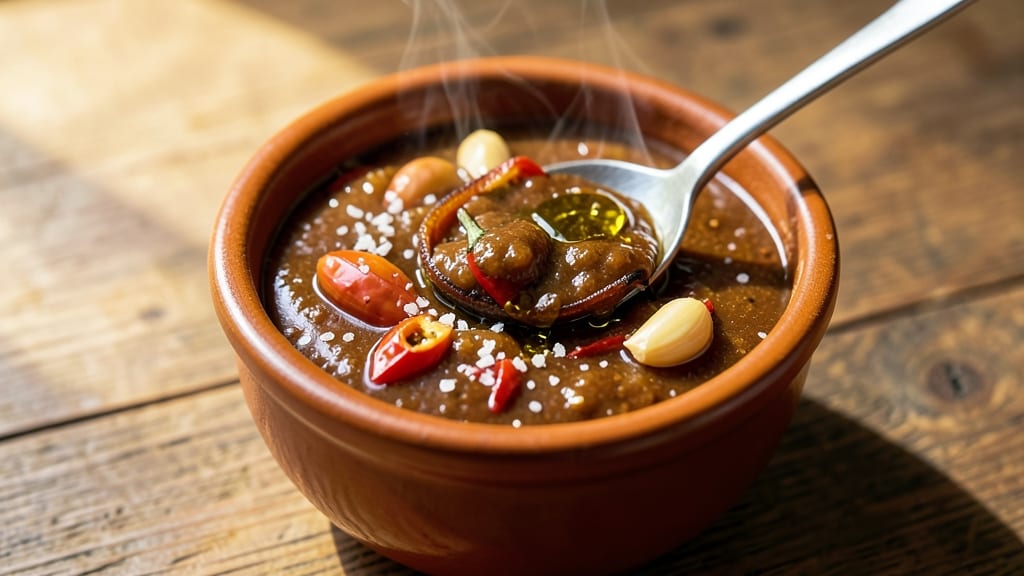
This banana habanero hot sauce delivers a bold balance of tropical sweetness and fiery heat that elevates everything from tacos to grilled meats. The key lies in fermenting banana peels with habanero peppers—creating a complex, umami-rich base that's far more nuanced than store-bought versions.
I developed this recipe after experimenting with Caribbean flavors, where sweet and spicy coexist perfectly.
The process begins with fermenting banana peels and habanero peppers for 5-7 days, which develops deep, tangy notes while preserving the fruit's natural sweetness. After fermentation, we blend the mixture with garlic, vinegar, and a touch of celery salt for that signature crunch.
The result is a smooth yet vibrant hot sauce with layers of flavor—caramelized banana, smoky habanero, and bright acidity.
What makes this sauce truly special is its versatility—drizzle it over grilled shrimp, mix it into marinades, or use it as a dip for chips. The sweetness mellows the habanero's heat over time, making it approachable yet still packing a punch.
Plus, the fermentation process means it only gets better with age, developing richer flavors the longer it sits.
Ready in just 10 minutes of active prep (plus fermentation time), this hot sauce is perfect for batch cooking and gifting. Store it in the refrigerator for up to 3 months, or extend its shelf life with proper canning.
The balance of sweet and heat is what sets this recipe apart—once you try it, you'll never reach for store-bought again.
Ingredients for banana habanero hot sauce
Fermented banana peels and habanero peppers create this vibrant, complex hot sauce with balanced sweet heat.
| Ingredient | Amount | Notes |
|---|---|---|
| Ripe Bananas 🍌 | 4 whole | Peels only, organic preferred |
| Habanero Peppers 🌶️ | 4 whole | Seeds removed for milder heat |
| White Vinegar 💧 | 1 cup | Distilled or apple cider vinegar |
| Garlic Cloves 🧄 | 6 cloves | Fresh, peeled, roughly chopped |
| Celery Salt 🧂 | 1 tbsp | Diamond Crystal preferred |
| Extra-Virgin Olive Oil 🫒 | ½ cup | High-quality, fruity variety |
| Sea Salt 🧂 | 1 tsp | Fine grain, for fermentation |
| Granulated Sugar 🍚 | 1 tbsp | For balancing heat |
| Fresh Cilantro Leaves 🌿 | ¼ cup | Stems removed, optional garnish |
The banana peels are the secret weapon here—organic is ideal (they're less waxy), but any ripe bananas work. Trader Joe's often has organic bananas at great prices, or check the produce section for overripe ones marked down. Habaneros vary wildly in heat, so taste one first—if it's too intense, reduce to 3 peppers. For fermentation, use a clean glass jar with a loose lid to allow gases to escape. The peels should be fully submerged in the vinegar brine. If you're nervous about fermentation, start with a 5-day ferment—shorter time means brighter banana flavor, longer time adds depth.
No habanero? Scotch bonnet or jalapeño work in a pinch, but the flavor profile changes dramatically. The celery salt is non-negotiable—Diamond Crystal has a more pronounced celery flavor than Morton's. Short on vinegar? Lemon juice at half the amount works, though it'll be less tangy. The olive oil adds richness, but avocado oil has a higher smoke point if you're searing anything with the sauce. For a smokier version, add 1/2 tsp smoked paprika to the final blend. And if you're feeling adventurous, ferment the peels for 10 days instead of 7—you'll get deeper umami notes, almost like a light miso flavor.
This sauce only gets better with time—1 week in the fridge is ideal before first use, as flavors meld beautifully. Store in a clean glass jar with a tight lid. It'll keep for 3-4 months refrigerated, or up to 6 months if you can it properly. For gifting, use small amber bottles—preserves flavor and looks stunning. The heat mellows slightly over time, so don't be afraid to ferment longer if you prefer milder sauce. And if you make a big batch, freeze portions in ice cube trays for easy single-use servings.
Why You'll Love This Recipe
- No Blender Needed: I swear by this—just mash the bananas and peppers with a fork, then strain through a cheesecloth. The texture’s smooth without the hassle, and honestly? The extra effort of a blender isn’t worth it for this.
- Sweet Heat Balance: That ripe banana mellows the habanero’s bite into something complex—like a spicy caramel with a garlicky kick. It’s the kind of heat that lingers but doesn’t punch you in the gut.
- Pantry Staple Magic: White vinegar and celery salt? You’re probably already using them. This sauce turns basic ingredients into a crowd-pleaser that costs pennies per batch—no specialty shopping required.
- Lasts for Weeks: I’ve had a jar of this sitting in my fridge for three weeks, and it’s still vibrant. The vinegar preserves it, so you can make a big batch once and have it ready for tacos, eggs, or even grilled cheese—no last-minute stress.
Step-by-step instructions for banana habanero hot sauce
This sweet and fiery sauce comes together through careful fermentation and blending—let's make it shine.
Prepare the Fermentation Base
In a food processor, combine the peels from the 4 whole ripe bananas, the 4 whole habanero peppers (seeds removed), the 6 cloves garlic, and the 1 tablespoon granulated sugar. Pulse until you achieve a smooth, thick paste—this should take about 30 seconds of processing. The texture should be like a thick, vibrant puree with no visible chunks.
Transfer this mixture to a clean, sterilized quart-sized mason jar, pressing down gently to remove any air pockets. The jar should be about ¾ full. This paste will form the fermented foundation of your sauce, developing complex flavors as it breaks down over time.
Create the Brine and Ferment
In a separate bowl, whisk together the 1 cup white vinegar, the 1 tablespoon celery salt, and the 1 teaspoon sea salt until fully dissolved. Slowly pour this brine over the banana-habanero mixture in the jar, filling it to the top. Seal the jar tightly with the lid.
Place the jar in a cool, dark location (like your pantry) and let it ferment for 7-10 days. You'll know it's ready when the mixture develops a tangy aroma and the peels begin to soften significantly. I like to give mine a gentle shake each day to help distribute the flavors evenly. The fermentation process is what transforms this into something truly special.
Blend the Fermented Mixture
After fermentation, carefully open the jar and transfer the entire contents to a high-speed blender. Add the 0.5 cup extra-virgin olive oil and blend until completely smooth. You may need to scrape down the sides once or twice to ensure everything incorporates evenly. The result should be a thick, vibrant sauce with a perfect balance of sweet and heat.
Taste the sauce at this stage—it should be intensely fruity with a deep habanero heat balanced by the banana sweetness. If you find it too acidic, you can add a touch more sugar (up to 1 teaspoon) to mellow the flavor. The olive oil helps create that silky texture that makes this sauce so luxurious.
Strain and Finish
Line a fine-mesh strainer with cheesecloth or a coffee filter and place it over a clean bowl. Pour the blended mixture through the strainer, pressing gently with a spoon to extract all the liquid. This step removes any remaining solids, giving you a perfectly smooth sauce. Discard the solids or compost them—they're still packed with flavor.
Once strained, transfer the sauce to sterilized bottles or jars. The sauce will keep in the refrigerator for up to 3 months, developing even more complex flavors as it ages. For best results, let it sit at room temperature for 1-2 hours before using to allow the flavors to meld completely.
Garnish and Serve
Just before serving, stir in the 0.25 cup fresh cilantro leaves, reserving a few leaves for garnish if desired. The cilantro adds a bright, herbaceous note that cuts through the richness of the sauce. Drizzle this vibrant hot sauce over tacos, grilled meats, or even use it as a marinade for chicken or pork.
For an extra touch, sprinkle the reserved cilantro leaves over the top before serving. The contrast of the green against the deep orange-red of the sauce makes it look as good as it tastes. This sauce delivers a perfect balance of sweet, spicy, and tangy—each bite is a flavor adventure.
Pro Tips For Making Banana Habanero Hot Sauce
- Peel Bananas First: I learned this the hard way—mashing unpeeled bananas in a hot sauce blend leaves you with a sticky, uneven mess that’s a nightmare to blend. Peel them first, chop into chunks, and freeze for 10 minutes if you’re worried about browning. Trust me, your blender will thank you.
- Toast Habaneros Dry: Skip the raw habanero’s slimy texture by toasting the peppers whole over a gas flame (or under a broiler) for 2–3 minutes per side until charred in spots. The heat deepens the smoky flavor and mellows the sharpest edge—just don’t walk away; you’ll regret it.
- Simmer Vinegar Slow: Dumping vinegar into a hot blend and walking away? Bad move. Bring the sauce to a gentle simmer first, then add vinegar in stages while stirring. This keeps the garlic from burning and lets the acid integrate smoothly—no harsh, separate tang here.
- Strain for Smoothness: Blend until it’s silky, then strain through a fine-mesh sieve lined with cheesecloth. You’ll catch seeds and fibrous bits that turn your sauce into a textured disaster. Yes, it’s extra work, but the result is restaurant-quality—no one wants to chew habanero pulp.
Creative variations of these flavors
Tropical Twist
Swap the habanero for Scotch bonnet peppers to amplify the Caribbean vibe while keeping the sweet-spicy balance. Use 2-3 Scotch bonnets (seeds removed) instead of habaneros—they bring a fruity, floral heat that pairs beautifully with banana.
For extra depth, add 1 teaspoon grated ginger to the fermentation blend. This version works perfectly with jerk-seasoned meats or coconut-based dishes. 🌴
Smoky Chipotle Fusion
Infuse the sauce with smoky depth by adding 2 chipotle peppers in adobo sauce to the fermentation jar. After blending, stir in 1 teaspoon smoked paprika> and let it sit overnight to meld flavors.
The result is a rich, smoky-sweet sauce that’s ideal for BBQ rubs or drizzling over grilled corn. The chipotle adds complexity without overpowering the banana's natural sweetness.
Citrus Brightener
Boost freshness by fermenting the banana peels with zest from 1 lime and 1 orange> instead of plain vinegar. After blending, add 2 tablespoons fresh lime juice> to brighten the sauce.
This citrusy twist pairs exceptionally well with seafood, especially grilled shrimp or ceviche. The acidity cuts through the richness, creating a balanced, vibrant flavor profile.
Spiced Rum Infusion
For a boozy twist, replace ¼ cup of the vinegar> with ¼ cup spiced rum> (like Captain Morgan) during fermentation. After blending, reduce the sugar to ½ tablespoon> since the rum adds natural sweetness.
This version is perfect for cocktails or drizzling over tropical desserts like grilled pineapple. The rum enhances the caramelized banana notes while adding a warm, aromatic depth.
Herb-Forward Variation
Elevate the sauce with 1 tablespoon fresh thyme leaves> and 1 tablespoon fresh basil> added during fermentation. After blending, stir in 1 teaspoon lemon thyme> for an extra herbal kick.
This herbaceous version shines in pasta dishes or as a marinade for herb-roasted chicken. The thyme and basil complement the banana’s sweetness while adding a fresh, aromatic layer.
Sweet Heat Marinade
For a marinade version, blend the fermented mixture with 2 tablespoons honey> and 1 tablespoon soy sauce> after straining. Use this to marinate chicken or pork for 4-6 hours> before grilling.
The honey deepens the sweetness, while the soy sauce adds umami. This marinade creates caramelized, sticky edges on grilled meats that are irresistible. 🔥
Nutrition facts
Frequently asked questions
Why ferment banana peels for this hot sauce?
Fermenting banana peels unlocks their natural sweetness and umami depth while balancing the habanero's heat. The process creates tangy, complex flavors that wouldn't develop otherwise—think of it as a natural flavor enhancer. Plus, fermentation preserves the banana's nutrients while mellowing its natural bitterness.
Can I adjust the heat level in this sauce?
For milder heat, reduce habanero peppers to 2-3 or remove seeds entirely. For extra spice, add 1-2 more peppers or include seeds. Remember: fermentation naturally mellows the heat over time, so longer fermenting (up to 10 days) creates a smoother, less intense sauce.
What's the best way to use this hot sauce?
This versatile sauce shines on tacos, grilled meats, or as a dipping sauce for chips. Try it in marinades (especially for pork or chicken) or mix into dressings. The sweet-spicy balance makes it perfect for balancing rich dishes. Start with small amounts—it's more potent than you might expect!
How do I store and preserve this hot sauce?
Store in sterilized glass jars in the fridge for up to 3 months. For longer storage, can the sauce using proper water bath canning methods. The sauce actually improves with age, developing deeper flavors. Freeze portions in ice cube trays for single-use servings—just thaw before using.
What if my fermentation smells bad?
If you detect foul odors (like rotten eggs), discard the batch immediately. Proper fermentation should smell tangy and fruity, never putrid. Always use sterilized equipment and keep the peels submerged in brine. For safer fermentation, reduce time to 5 days or add 1 extra teaspoon of salt to the brine.