
Sauces & Condiments
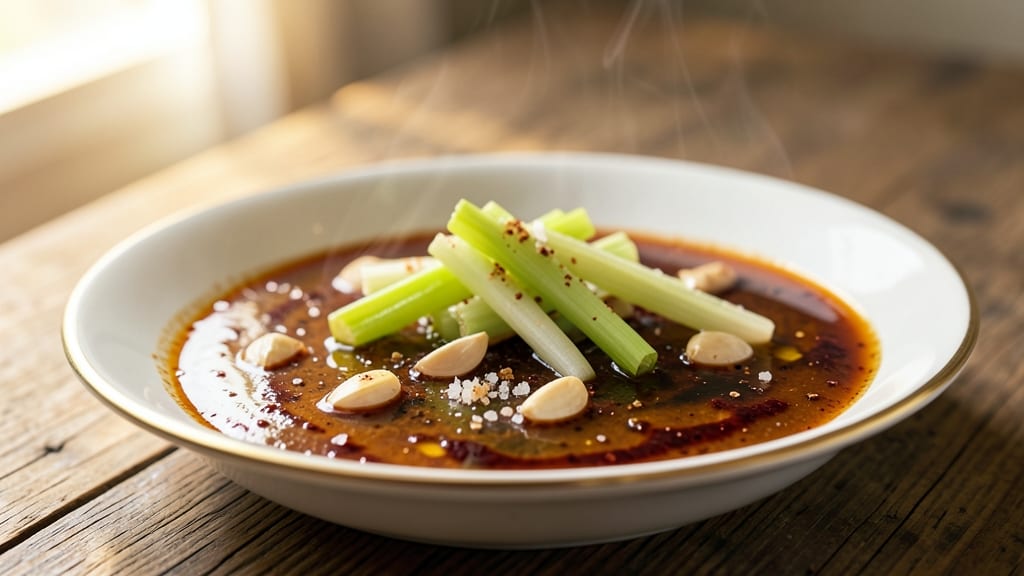
This banzai sauce recipe transforms simple pantry staples into a velvety, celery-infused condiment with a perfect balance of smoky chipotle and umami depth. The secret lies in simmering celery with soy sauce and vinegar until it dissolves into a rich, aromatic base—no fancy techniques required.
What sets this sauce apart is its versatility, elevating everything from grilled meats to fresh spring rolls with just a drizzle.
The process is straightforward: combine celery, soy sauce, vinegar, and sugar in a saucepan, then reduce until thickened and fragrant. A touch of chipotle powder adds that signature smoky kick, while garlic and ginger deepen the flavor profile.
The sauce develops even more complexity when refrigerated, making it ideal for meal prep.
Once cooled, this banzai sauce delivers a silky, slightly tangy finish that clings beautifully to proteins or vegetables. It’s the perfect dipping sauce for spring rolls, a marinade for grilled chicken, or a glaze for stir-fries.
The celery infusion adds a subtle freshness that brightens every bite without overpowering the dish.
Store leftovers in an airtight container for up to a week, allowing flavors to meld further with each passing day. Whether you’re recreating a classic Asian dish or experimenting with modern fusion recipes, this sauce is a game-changer that turns simple meals into something extraordinary.
Ingredients for banzai sauce
Celery transforms into aromatic silk when simmered with soy and vinegar—this sauce’s secret ingredient.
| Ingredient | Amount | Notes |
|---|---|---|
| Celery Stalks 🧅 | 1 lb | Fresh, tough strings removed |
| Light Soy Sauce 🥢 | ½ cup | Kikkoman preferred for balance |
| Rice Vinegar 🍶 | ¼ cup | Seasoned for depth |
| Granulated Sugar 🍚 | ¼ cup | White or light brown |
| Chipotle Powder 🌶️ | 1 tbsp | Smoked, not adobo paste |
| Garlic Cloves 🧄 | 4 cloves | Freshly minced |
| Fresh Ginger 🌿 | 1 tbsp | Finely grated, peeled |
| Sesame Oil 🫒 | 1 tbsp | Toasted, for aroma |
| Water 💧 | ½ cup | Filtered preferred |
| Diamond Crystal Kosher Salt 🧂 | ½ tsp | For seasoning |
The celery is non-negotiable—Kroger’s organic celery or Whole Foods fresh stalks work best, with vibrant green cores and crisp texture. Avoid wilted or yellowing stalks, which yield bitter, watery results. For chipotle powder, Penzeys brand delivers the most authentic smoky depth, though any smoked paprika will suffice in a pinch. The rice vinegar should be seasoned with a touch of salt—unseasoned vinegar lacks the necessary complexity. When shopping for sesame oil, prioritize toasted varieties from Asian markets, as they offer a richer, nuttier profile compared to the neutral supermarket options.
No light soy sauce? Dark soy sauce at half the amount adds color but intensifies the flavor, so adjust to taste. Fresh ginger can be swapped for powdered ginger at one-third the quantity, though the texture will differ slightly. Sesame oil unavailable? Avocado oil at a quarter teaspoon mimics the neutral base, though it lacks the toasted aroma. For a quicker version, blend all ingredients in a high-speed blender instead of simmering, though the sauce will be less refined. If you prefer a sweeter profile, increase the sugar to 0.375 cup—just remember the sauce will thicken further upon cooling.
This sauce thickens as it cools, so strain through a fine-mesh sieve before storing to achieve maximum silkiness. Transfer to an airtight container and refrigerate for up to 10 days, allowing flavors to meld further. For long-term storage, freeze in 1-tablespoon portions—perfect for drizzling over finished dishes. The sauce’s versatility shines when used as a marinade for grilled proteins or a dipping sauce for spring rolls, where its celery-forward brightness contrasts beautifully with fried textures.
Why You'll Love This Recipe
- Five-Ingredient Magic: I swear by this—just chop celery, toss it in a pan, and let the soy and vinegar work their alchemy. No blenders, no strainers, no fancy techniques. The chipotle powder adds heat without overpowering, and honestly? I’ve made it while scrolling through emails.
- Sweet Heat Balance: That first bite of tangy, smoky depth? The sugar and vinegar cut through the soy’s saltiness while the chipotle lingers like a warm hug. It’s the kind of flavor that makes you pause mid-bite—wait, is this really just celery? (Yes, it is.)
- Pantry Staple Power: Between us, this sauce turns boring proteins into showstoppers. Drizzle it over grilled chicken for a weeknight win, toss it with rice for instant takeout vibes, or even slather it on sandwiches. I’ve even used it in place of BBQ sauce—no one’s complained yet.
- Lasts All Week: Make a double batch and thank me later. The flavors deepen overnight, and it keeps in the fridge for at least 5 days. My go-to for lazy nights: dump leftover sauce into a jar, grab it cold for next Tuesday’s stir-fry. Zero waste, maximum flavor.
Step-by-step instructions for celery-infused cream sauce
This method delivers a velvety sauce with celery's natural sweetness and smoky chipotle depth.
Blanch and Process the Celery
Trim the tough strings from the 1 lb celery stalks and cut them into ½-inch pieces. Place them in a medium saucepan with ½ cup water and bring to a boil over medium-high heat. Once boiling, reduce heat to medium and simmer for 10 minutes until the celery softens and releases its flavor into the water.
Drain the celery, reserving the liquid, and transfer it to a food processor. Add the 4 cloves garlic cloves and 1 tbsp freshly grated ginger. Pulse until finely minced, scraping down the sides as needed. This creates the aromatic base that will infuse the sauce with bright, fresh flavors.
Build the Sauce Foundation
Return the processed celery mixture to the same saucepan. Add ½ cup light soy sauce, ¼ cup rice vinegar, ¼ cup granulated sugar, and ½ tsp Diamond Crystal kosher salt. Stir well to combine, then increase heat to medium-high and bring to a gentle boil.
Once boiling, reduce heat to medium-low and let the mixture simmer uncovered for 10-12 minutes, stirring occasionally. You're looking for the liquid to reduce by about half—this concentrates the flavors and creates a thicker base. The sauce should smell rich and aromatic, with the vinegar cutting through the sweetness.
Incorporate Smoky Depth
Lower the heat to low and stir in 1 tbsp chipotle powder and 1 tbsp toasted sesame oil. The chipotle powder will dissolve into the sauce, adding a subtle smoky heat that balances the bright acidity of the vinegar. Taste the sauce at this stage—it should be tangy, slightly sweet, and developing complexity.
Simmer for an additional 5 minutes, stirring constantly to ensure the chipotle powder fully integrates and the sauce thickens slightly. If the sauce becomes too thick, add 1-2 tablespoons of the reserved celery liquid to reach your desired consistency. The final texture should be smooth and creamy, coating the back of a spoon.
Strain and Finish
Line a fine-mesh strainer with cheesecloth or a coffee filter and place it over a clean bowl. Pour the sauce through the strainer, pressing gently on the solids with a spoon to extract every bit of flavor. This step removes any fibrous texture, leaving you with a silky, velvety sauce.
Transfer the strained sauce to a clean saucepan and let it simmer gently for 3-4 minutes to ensure it's heated through. Taste again and adjust seasoning if needed—add a pinch more salt if the sauce tastes flat, or a splash more rice vinegar if it needs more brightness. Serve warm over noodles, dumplings, or grilled meats for a restaurant-quality finish.
Pro Tips For Making Banzai Sauce
- SIMMER LOW AND SLOW: That chipotle powder burns faster than you’d think—keep the heat at a gentle simmer (no higher than medium-low) once everything’s combined. I learned this the hard way when my sauce turned bitter; now I let it cook for 10 minutes instead of rushing it.
- CHOP CELERY FINE: Tiny dice, not thick slices—this sauce needs the celery to dissolve into the mix, not sit as chunks. Use a sharp knife and go for 1/8-inch pieces; if you’re lazy, pulse it in a food processor for 2 seconds.
- TASTE AS YOU GO: Balance is everything here. After simmering 5 minutes, taste and adjust: more sugar for sweetness, vinegar for tang, or a pinch of chipotle for heat. Skipping this step means guessing—and guessing ruins the sauce.
- USE WARM VINEGAR: Cold rice vinegar makes the sauce clump and separate. Heat it in a separate pan for 30 seconds before mixing—it blends smoother and cuts through the soy sauce better. (Yes, even if you’re impatient like me.)
Dietary considerations for banzai sauce
Gluten-Free Adaptations
Traditional banzai sauce relies on soy sauce, which contains gluten, but you can easily adapt this recipe for gluten-free diets. Swap the ½ cup light soy sauce with ½ cup gluten-free tamari—brands like San-J Tamari or Edamame Tamari work perfectly.
The flavor remains rich and umami-driven, though tamari tends to be slightly less salty, so you may need to adjust the ½ tsp Diamond Crystal kosher salt to taste. 🌱
Low-Sodium Options
If you're watching your sodium intake, reduce the soy sauce to ¼ cup and compensate with extra ¼ cup rice vinegar to maintain brightness. Add a pinch of white miso paste (½ tsp) for umami depth without extra salt.
For a salt-free version, omit the kosher salt entirely and rely on the natural flavors of the celery, garlic, and ginger. Taste as you go—this sauce is forgiving, but balance is key.
Vegan-Friendly Adjustments
This recipe is already vegan, but if you're using store-bought ingredients, double-check that your light soy sauce and rice vinegar are plant-based. Some vinegars are filtered through animal charcoal, so opt for certified vegan brands like Annie's Organic vinegar.
The sesame oil and chipotle powder are naturally vegan, and the celery provides a fresh, plant-forward base. For extra richness, stir in 1 tbsp nutritional yeast after simmering—it adds a cheesy, savory note. 🌿
Allergen-Free Substitutions
For those with sesame allergies, omit the 1 tbsp toasted sesame oil and replace it with ½ tbsp avocado oil or neutral coconut oil. If you're avoiding garlic, use 1 tsp garlic powder instead of the 4 cloves fresh garlic, though the flavor will be milder.
For ginger-sensitive palates, reduce the 1 tbsp grated ginger to ½ tbsp or use ¼ tsp ground ginger. Always taste as you go—these swaps can alter the sauce’s balance.
Sugar-Free Versions
To make this sauce diabetic-friendly or lower in sugar, replace the ¼ cup granulated sugar with ¼ cup monk fruit sweetener or 2 tbsp erythritol. These alternatives dissolve easily and won’t crystallize during simmering. The sauce will still develop depth, though the caramelization from sugar will be absent.
For a natural sweetness boost, add 1 tbsp date syrup or 2 tbsp unsweetened applesauce—both add subtle sweetness without refined sugar. ✨
Nutrition facts
Frequently asked questions
What’s the best way to store homemade banzai sauce?
Transfer your finished sauce to an airtight container and refrigerate for up to 10 days. The flavors actually improve as it sits! For longer storage, freeze in 1-tablespoon portions—perfect for drizzling. Thaw overnight in the fridge before using.
Can I make this sauce without celery?
Yes, but the celery is key for that signature fresh, slightly sweet depth. Replace it with ½ cup finely chopped fennel or ¼ cup celery seed (toasted in oil first). The texture will differ slightly, but you’ll still get aromatic complexity. For a quicker version, blend 1 cup celery leaves (from your stalks) with the other ingredients—no straining needed!
How spicy should the chipotle powder make the sauce?
The 1 tbsp chipotle powder adds subtle smoky heat—not overwhelming. Taste after simmering: it should have a warm, earthy kick, not fiery. For milder heat, reduce to ½ tbsp or swap for ½ tsp smoked paprika + pinch of cayenne. Adjust to your preference—this sauce is versatile for both kids and adults!
What’s the best way to thin out thickened banzai sauce?
If your sauce thickens too much, stir in 1-2 tablespoons of warm water or the reserved celery liquid. For a smoother texture, blend briefly with 1 tbsp neutral oil (like avocado oil) to emulsify. Avoid vinegar—it can make the sauce too tangy. Always reheat gently to maintain silkiness.
How can I use banzai sauce in non-Asian dishes?
This sauce shines on grilled chicken or pork, roasted vegetables, or even as a marinade for shrimp skewers. Drizzle it over tacos or nachos for a smoky-sweet twist, or mix it into mayonnaise (1:3 ratio) for a creamy dip. The celery’s brightness pairs well with barbecue ribs or cornbread too!