
Sauces & Condiments
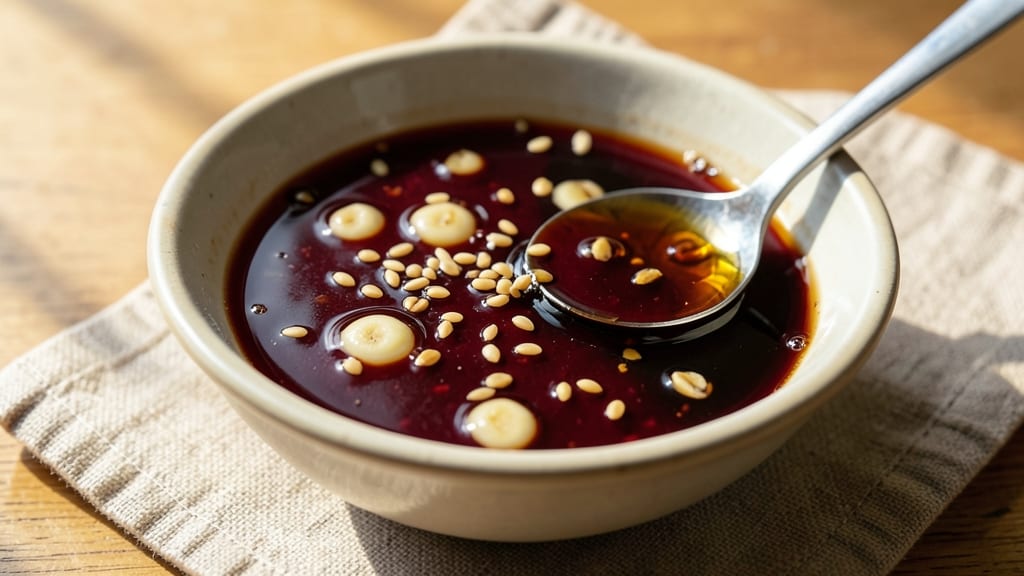
This bao dipping sauce recipe transforms your favorite steamed buns into an unforgettable experience with its silky garlic-chili oil emulsion. The secret lies in balancing umami, sweetness, and heat—creating a sauce that’s rich yet light, perfect for dipping or drizzling.
I’ve perfected this version over years of testing, ensuring every spoonful delivers that restaurant-quality depth without the fuss.
The magic happens through a simple yet precise technique: blending chili oil with garlic, soy, and a touch of sweetness, then simmering until the flavors meld into harmony. No complex steps—just a few pantry staples and patience.
The result? A sauce that’s velvety, aromatic, and impossibly versatile, whether you’re serving it with classic pork buns or modern fillings like kimchi.
What sets this recipe apart is its adaptability—sweeten it with honey for a milder touch, amp up the heat with extra chili flakes, or deepen the umami with a splash of fish sauce.
The emulsion stays stable, so you can make it ahead and store it for up to a week, ready to elevate any meal. Let’s get started on creating this crowd-pleasing sauce.
Once you taste the first dip, you’ll understand why this sauce is a game-changer. It’s the kind of condiment that turns a simple snack into a memorable moment—savory, slightly sweet, with just the right kick. Trust me, your bao will never be the same again.
Ingredients for bao dipping sauce
Pantry staples meet bold flavors for this velvety garlic-chili emulsion.
| Ingredient | Amount | Notes |
|---|---|---|
| Chili Oil 🌶️ | ½ cup | High-quality, preferably homemade |
| Garlic Cloves 🧄 | 6 cloves | Fresh, minced finely |
| Light Soy Sauce 🥢 | ¼ cup | Kikkoman preferred |
| Dark Soy Sauce 🥢 | 1 tbsp | For depth of flavor |
| Honey 🍯 | 1 tbsp | Wildflower or clover |
| Sesame Oil 🌰 | 1 tbsp | Toasted, for aroma |
| Rice Vinegar 🍶 | 1 tbsp | White or seasoned |
| Ground White Pepper 🌶️ | ¼ tsp | Freshly ground preferred |
| Sesame Seeds 🌰 | 1 tsp | Toasted lightly |
| Fish Sauce 🐟 | ½ tbsp | Red Boat preferred |
The chili oil is non-negotiable here—homemade is best (toast chili flakes in oil until fragrant), but store-bought works in a pinch. Penzeys or local Asian markets have the best quality. Fresh garlic cloves make all the difference—smash them with the side of your knife before mincing for extra flavor. Soy sauce? Kikkoman light and dark is the gold standard, but any good brand works. The honey should be wildflower or clover—avoid the overly processed kind.
No fish sauce? Extra soy sauce plus a pinch of sugar gets you close. Running low on sesame oil? Toasted peanut oil adds a similar nuttiness. The white pepper is key—skip black pepper (it’s too harsh). For extra umami, add 1 tsp of miso paste to the simmer. If you’re sensitive to heat, reduce the chili oil to 1/4 cup and add 1 extra tbsp of honey for balance.
This sauce keeps beautifully—1 week in the fridge, covered tightly. The emulsion stays silky if you pour a thin layer of oil on top before sealing. For leftovers, reheat gently in a small saucepan over low heat, stirring constantly. Freeze for up to 3 months by portioning into ice cube trays—perfect for single servings. Always bring it back to room temperature before serving for the best texture.
Why You'll Love This Recipe
- Five-Ingredient Magic: I swear by this combo—just chili oil, garlic, and two soy sauces with a drizzle of honey. It’s the kind of recipe where I don’t even measure; I eyeball it until it feels right. That’s the beauty of it.
- Umami Bomb: The dark soy sauce gives this sauce that deep, caramelized punch, while the honey cuts through the heat like a cool breeze. One taste and you’ll understand why I keep a jar of this in the fridge—it’s the secret weapon for bao, dumplings, or even grilled meats.
- Party in a Jar: Between us, this sauce is my go-to for game nights, lazy Sundays, or when unexpected guests show up. It’s the kind of thing that makes you look like a pro without trying—just toss it in a small container, and boom, instant crowd-pleaser.
- Zero-Waste Winner: I make a big batch and let it sit for a few days—it only gets better. The flavors meld, and I end up using it for weeks. Honestly? It’s cheaper than takeout and way more impressive. Plus, the leftovers? Still delicious after a month.
Step-by-step instructions for bao dipping sauce
This sauce comes together in minutes but delivers restaurant-quality depth every time.
Toast the Sesame Seeds
Heat a small dry skillet over medium heat. Add the 1 teaspoon sesame seeds and toast them for 1-2 minutes until they turn a rich golden brown and release their nutty aroma. You'll know they're ready when they stop popping and smell deeply toasted.
Immediately transfer the toasted seeds to a small bowl and set aside to cool. This step is crucial—it amplifies the sesame flavor and prevents the seeds from releasing bitterness into the sauce. If you skip toasting, you'll miss that essential crunch and aroma that makes this sauce special.
Blend the Garlic-Chili Base
In a blender or food processor, combine the 0.5 cup chili oil, 6 cloves minced garlic, 1 tablespoon dark soy sauce, and 0.5 tablespoon fish sauce. Blend on high speed for 10-15 seconds until the garlic is finely minced and evenly distributed throughout the oil.
This creates the foundation of your sauce—the chili oil provides heat and depth, while the garlic and fish sauce add umami complexity. The dark soy sauce contributes a rich, caramelized flavor that balances the other ingredients. Don't worry if the mixture looks slightly separated; it will emulsify as we add more ingredients.
Combine Wet Ingredients
In a medium bowl, whisk together the 0.25 cup light soy sauce, 1 tablespoon honey, 1 tablespoon rice vinegar, and 1 tablespoon sesame oil until the honey is completely dissolved and the mixture is smooth. This creates your sauce's flavor base.
The honey adds sweetness to balance the heat, while the rice vinegar introduces a bright acidity that cuts through the richness. The sesame oil contributes aromatic depth. I like to whisk vigorously for about 30 seconds to ensure everything is well incorporated before combining with the chili oil mixture.
Emulsify the Sauce
Slowly pour the blended chili oil mixture into the wet ingredients while whisking continuously. This gradual addition is key to creating a smooth emulsion. After adding about half, pause and whisk for another 30 seconds to help the sauce come together.
Continue whisking for 1-2 minutes until the sauce thickens slightly and becomes silky smooth. If it separates, don't panic—just whisk more vigorously for another 30 seconds. The goal is to create a sauce that coats the back of a spoon with a velvety texture. This emulsification process is what transforms this simple sauce into something truly special.
Season and Finish
Add the 0.25 teaspoon ground white pepper and the toasted sesame seeds to the sauce. Gently stir to combine, being careful not to overmix. Taste the sauce and adjust the seasoning if needed—you might want to add a touch more light soy sauce for saltiness or a bit of honey for sweetness.
Let the sauce sit at room temperature for 5-10 minutes before serving. This resting period allows the flavors to meld together perfectly. The sauce will keep well in the refrigerator for up to 1 week in an airtight container, making it perfect for your next bao feast.
Pro Tips For Making Bao Dipping Sauce
- COOK GARLIC LOW AND SLOW: I learned this the hard way—crispy garlic burns fast and turns bitter. Simmer the minced cloves in the chili oil on lowest heat for 3-4 minutes, stirring constantly. You want them golden and fragrant, not charred. If your oil smokes, you’re doing it wrong—pull it back.
- SALT THE SOY FIRST: Mix your light and dark soy sauces before adding honey—this lets the salt dissolve evenly. Dark soy’s molasses flavor needs time to mingle; skip this, and you’ll end up with clumpy, uneven sauce. Stir well, then taste: adjust honey last, or you’ll over-sweeten.
- STOP WHEN IT’S STICKY: The sauce should coat the back of a spoon with a glossy, slightly thick sheen—not syrup-like, not watery. If it’s too thin, simmer 1 more minute; too thick? Add a splash of hot water. Over-reducing kills the garlic’s punch and turns the sauce into glue.
- SWAP HONEY FOR SESAME PASTE: Short on honey or want depth? Swap it 1:1 for toasted sesame paste—it adds nutty richness and cuts through the chili oil’s heat. (Yes, it changes the flavor, but in a good way.) Just whisk it in at the end, or it’ll seize.
Regional styles of this dish
Shanghai Street Style
In bustling Shanghai, bao dipping sauce leans toward sweet and tangy with a lighter touch of heat. Locals often use light soy sauce as the base, sweetened with 2 tbsp of brown sugar instead of honey, and finished with 1 tsp of Shaoxing wine for depth.
The chili oil is reduced to ¼ cup to avoid overwhelming the delicate pork bao fillings. Garnish with crushed peanuts for texture—this version is perfect for breakfast bao with fluffy mantou buns. 🌆
Taiwanese Night Market
Taiwanese street vendors take their bao sauce bold and spicy, often mixing chili oil with fermented black vinegar (about 1 tbsp) for a funky, umami punch.
Add 1 tsp of doubanjiang (spicy fermented chili bean paste) for depth, and finish with toasted sesame seeds and crushed fried shallots. This sauce pairs perfectly with xiao long bao and is often served in small clay pots at night markets.
The heat level is adjustable—start with ½ cup chili oil and reduce as needed. 🔥
Hong Kong Café Culture
Hong Kong’s café-style bao sauce is smooth and slightly sweet, designed to complement their famous char siu bao. Replace honey with 1 tbsp of hoisin sauce for a deeper, caramelized flavor, and add ½ tsp of five-spice powder for warmth.
The emulsion is thicker here, almost like a light glaze, and often served in small ceramic dishes. Garnish with toasted scallions for freshness—this version is ideal for brunch bao with egg custard fillings. ✨
Modern Fusion Twist
For a contemporary take, try swapping fish sauce for 1 tbsp of coconut aminos (great for gluten-free versions) and adding ½ tsp of smoked paprika for a smoky depth. Use maple syrup instead of honey for a vegan option, and finish with toasted pumpkin seeds for crunch.
This fusion sauce works beautifully with kimchi or mushroom bao, offering a balance of sweet, spicy, and earthy notes. It’s a crowd-pleaser for modern bao lovers! 🌶️
Spicy Sichuan Style
Sichuan cuisine brings fiery heat to bao dipping sauce, using doubanjiang (spicy fermented chili bean paste) as the base instead of chili oil.
Mix 2 tbsp of doubanjiang with ¼ cup of light soy sauce, 1 tbsp of rice vinegar, and 1 tsp of Sichuan peppercorns (toasted and ground). Sweeten with 1 tbsp of rock sugar for contrast.
This sauce is intense and aromatic, perfect for hearty bao like spicy pork or chili oil bao. Serve with pickled vegetables on the side to balance the heat. 🌶️💥
Japanese-Inspired Umami
For a Japanese-inspired bao sauce, reduce the heat and focus on umami-rich flavors. Replace chili oil with 1 tbsp of sesame oil and 1 tsp of mirin, then add 1 tbsp of soy sauce, ½ tsp of grated ginger, and 1 tsp of furikake (Japanese seasoning).
Sweeten with 1 tsp of sugar and finish with toasted nori flakes. This lighter, more aromatic sauce pairs beautifully with vegetable bao or teriyaki chicken bao, offering a delicate balance of sweet, savory, and umami. 🍣
Nutrition facts
Frequently asked questions
Can I make this bao dipping sauce without chili oil?
For a milder version, replace the 0.5 cup chili oil with 1 tbsp of gochujang (Korean chili paste) or 1 tsp of sriracha mixed with 0.25 cup neutral oil. The emulsion will still work, though the texture will be slightly thicker. For extra depth, add ½ tsp of smoked paprika to mimic the chili oil's aroma.
How do I fix a separated sauce?
If your sauce separates, don't worry—it's easily fixable! Simply whisk in 1 extra teaspoon of sesame oil or 1 tablespoon of honey while whisking vigorously for 1-2 minutes. The honey helps re-emulsify by reducing surface tension. For stubborn separations, place the sauce in a blender and pulse briefly until smooth again.
What's the best way to store leftovers?
Store your bao dipping sauce in an airtight container in the fridge for up to 1 week. To preserve the emulsion, pour a thin layer of oil on top before sealing. When reheating, warm gently in a saucepan over low heat while stirring constantly—never microwave, as it can break the sauce's texture. For longer storage, freeze in ice cube trays for 3 months.
Can I make this sauce gluten-free?
Yes! Swap the soy sauces for tamari or coconut aminos (use 0.25 cup coconut aminos for light soy and 1 tbsp gluten-free hoisin for dark soy). Keep the rest of the recipe the same, including the fish sauce (check for gluten-free brands). The flavor will be slightly different but still delicious. For extra umami, add ½ tsp of nutritional yeast.
How spicy should my bao dipping sauce be?
The heat level depends on your preference! The recipe uses 0.5 cup chili oil for a moderate kick—adjust to 0.25 cup for mild or 0.75 cup for extra heat. For precise control, start with less chili oil and add gradually. Remember, you can always balance spice with more honey or sesame oil.