
Sauces & Condiments
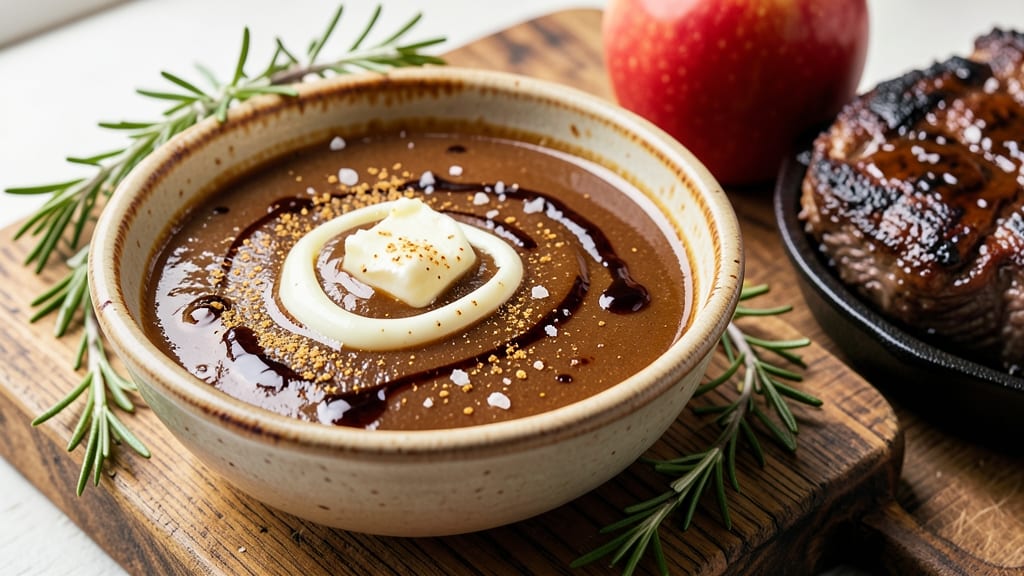
This bar BBQ sauce recipe delivers restaurant-quality depth with a perfect balance of sweet, smoky, and tangy flavors—no shortcuts, just slow-simmered richness. The secret lies in the vinegar base, which cuts through the sweetness while building complex layers as it reduces.
I developed this version after years of testing store-bought sauces that always fell short of that perfect smoky-sweet harmony.
What sets this sauce apart is the two-stage simmering process, where spices bloom in oil before combining with vinegar and molasses. This creates a sauce with bold flavor that clings beautifully to grilled meats, baked beans, or even as a glaze for vegetables.
The molasses adds depth while brown sugar provides caramelized sweetness, but it's the vinegar that truly elevates it to professional-level quality.
By the time you're done, you'll have a glossy, thick sauce with a perfect balance of tang and sweetness—ready to transform any dish. The slow reduction concentrates the flavors, making every drop packed with intensity.
This isn't just another BBQ sauce; it's the kind that makes people ask for your recipe time and time again.
Use it on ribs, chicken, pulled pork, or even as a marinade—this sauce works for everything. The recipe scales easily, so make a big batch and store it in the fridge for up to a month. Here's how to make it from scratch with simple ingredients and a foolproof method.
Ingredients for bar bq sauce
Twelve ingredients transform into restaurant-worthy BBQ sauce with that perfect vinegar balance.
| Ingredient | Amount | Notes |
|---|---|---|
| Apple Cider Vinegar 🍎 | 1 cup | Raw, unfiltered preferred for depth |
| Unsalted Butter 🧈 | 4 tbsp | Cold, cubed for spice blooming |
| Light Brown Sugar 🍚 | 1 cup | Packed firmly for consistency |
| Unsulphured Molasses 🍯 | ½ cup | Dark, robust flavor preferred |
| Smoked Paprika 🌶️ | 2 tbsp | High-quality, not sweet variety |
| Ground Cumin 🌿 | 1 tbsp | Toasted for deeper aroma |
| Garlic Powder 🧄 | 1 tbsp | Freshly ground preferred |
| Onion Powder 🧅 | 1 tbsp | No added salt |
| Mustard Powder 🌶️ | 1 tsp | For subtle tang complexity |
| Kosher Salt 🧂 | 1 tsp | Diamond Crystal preferred |
| Black Pepper 🌶️ | ½ tsp | Freshly cracked for heat |
| Cayenne Pepper 🔥 | ¼ tsp | Adjust for heat preference |
The vinegar is the soul of this sauce—Bragg Apple Cider Vinegar from the store or raw vinegar from Whole Foods delivers that perfect tang. Don't skimp on the molasses either; Goya unsulphured molasses has the deepest flavor, and you'll taste the difference. For the spices, Penzeys Spices or bulk bins at natural grocery stores ensure maximum freshness. The smoked paprika should be labeled 'smoked'—not sweet paprika, which won't give you that authentic barbecue depth. Toast your cumin seeds in a dry pan for 30 seconds before grinding if you're using whole seeds—trust me on this—it adds a whole new dimension of warmth.
No apple cider vinegar? White vinegar or red wine vinegar works in a pinch, though the flavor will be slightly sharper. Running low on molasses? Maple syrup at half the amount keeps the sweetness but loses some depth. Want to reduce the heat? Skip the cayenne entirely—red pepper flakes at half the amount give you color without the burn. For a smoother texture, blend the finished sauce for 10 seconds. And if you're making this for a crowd, double the batch—this sauce freezes beautifully for up to 6 months. The spices can be pre-mixed in a jar and stored for 3 months if you're prepping ahead.
This sauce gets better with time—let it sit overnight before using for maximum flavor development. Store it in a clean glass jar in the fridge for up to 1 month, or freeze in ice cube trays for single-use portions. The butter adds richness, but if you're avoiding dairy, coconut oil works perfectly. For a smoky twist, add a 1/4 cup of liquid smoke at the end of simmering. And if you're feeling adventurous, swap half the vinegar for tomato paste to give it a slightly thicker, more traditional BBQ consistency.
Why You'll Love This Recipe
- Five-Ingredient Magic: I swear by this—just vinegar, butter, sugar, molasses, and smoked paprika. That’s it. No fancy pantry trips, no last-minute grocery runs. The molasses alone gives it that deep, caramelized backbone, while the apple cider vinegar cuts through the richness like a breath of fresh air.
- Smoky-Sweet Obsession: Between us, this sauce is ridiculously good—smoky from the paprika, sweet from the brown sugar, and that tangy kick from the vinegar. It’s the kind of flavor that makes you want to slather it on everything, not just ribs. (Yes, even on a Tuesday night.)
- Weeknight Workhorse: I make a big batch on Sundays and keep it in the fridge for the week. Toss it on grilled chicken, drizzle it over baked beans, or use it as a marinade—it’s my go-to for lazy dinners. Honestly, it’s the reason I don’t order takeout anymore.
- Budget-Friendly Staple: This sauce costs me pennies to make, but it feels like a splurge. The molasses and vinegar stretch far, and the butter adds richness without breaking the bank. Plus, leftovers? They taste just as good reheated as they do fresh. (No waste, no regrets.)
Step-by-step instructions for slow-simmered BBQ sauce
This sauce builds flavor through patience and technique—every step matters for that perfect balance.
Bloom the Spices in Cold Butter
In a heavy-bottomed saucepan, combine the 4 tablespoons unsalted butter (cold and cubed) with the 2 tablespoons smoked paprika, 1 tablespoon ground cumin, 1 tablespoon garlic powder, 1 tablespoon onion powder, 1 teaspoon mustard powder, 1 teaspoon kosher salt, 0.5 teaspoon black pepper, and 0.25 teaspoon cayenne pepper. Place the pan over medium-low heat and let the butter melt slowly while stirring constantly.
Watch for the spices to begin releasing their aroma—this takes about 3-4 minutes. The butter should foam gently as it melts, and you'll notice the spices darkening slightly. This step is crucial for developing the sauce's depth; don't rush it. If the butter starts to brown too quickly, reduce the heat slightly to prevent burning. The spices should be fully integrated into the butter, creating a rich, aromatic base.
Add Vinegar and Molasses for Tangy Balance
Once the spices are fully bloomed, pour in the 1 cup apple cider vinegar and 0.5 cup unsulphured molasses. Stir well to combine, scraping up any browned bits from the bottom of the pan. The mixture will bubble gently and begin to thicken slightly. This is where the sauce starts to take shape—let it simmer for 5-7 minutes over medium heat until the vinegar sharpness mellows and the molasses begins to caramelize.
You'll notice the sauce darkening and becoming glossy as the molasses breaks down. The aroma will shift from sharp and acidic to rich and complex. This is the moment the sauce's character begins to emerge—don't walk away. Stir occasionally to prevent sticking, and taste the mixture. It should be tangy, slightly sweet, and deeply spiced, but still raw in texture. If it's too thin at this stage, we'll fix that next.
Incorporate Sugar and Simmer to Thicken
Add the 1 cup light brown sugar all at once and stir until fully dissolved. The sugar will help balance the acidity and create a glossy finish. Increase the heat to medium-high and bring the sauce to a gentle boil. Once boiling, reduce the heat to medium-low and let it simmer uncovered for 20-25 minutes. This is where the magic happens—the sauce will thicken as the moisture evaporates, and the flavors meld into a cohesive, balanced sauce.
Stir occasionally to prevent sticking and ensure even cooking. You're looking for a sauce that coats the back of a spoon and holds its shape when drizzled. The color should deepen to a rich amber, and the aroma should be complex—smoky, sweet, and tangy all at once. If the sauce thickens too quickly, add 1-2 tablespoons water to loosen it. The goal is a sauce that's thick enough to cling to ribs or pulled pork but still pourable.
Rest and Adjust for Perfection
Remove the sauce from heat and let it rest for 10-15 minutes. This resting period allows the flavors to fully integrate and the sauce to thicken slightly more as it cools. Taste the sauce again and adjust the seasoning if needed. If it's too sweet, add a splash more of the apple cider vinegar. If it's too tangy, stir in a pinch more of the light brown sugar. The sauce should be balanced—sweet, smoky, tangy, and spicy—with no single flavor overpowering the others.
Once you're satisfied with the flavor, transfer the sauce to a clean jar or airtight container. Let it cool completely before sealing. This sauce tastes even better the next day as the flavors continue to develop. Store it in the refrigerator for up to 2 weeks or freeze it for up to 3 months. Use it to glaze ribs, baste pulled pork, or drizzle over grilled vegetables for a burst of smoky-sweet flavor.
Pro Tips For Making Bar Bq Sauce
- Simmer Slow and Steady: I learned this the hard way—rushing the simmer turns your sauce into a sticky mess instead of a rich, balanced glaze. Keep the heat at a gentle bubble (medium-low), and let it reduce for at least 15-20 minutes. You’re not making jam here; patience lets the vinegar mellow and the molasses deepen.
- Strain the Molasses: That unsulphured molasses you bought? It’s not always smooth. If it’s gritty or clumpy, strain it through a fine-mesh sieve before adding it to the pot. Trust me, you don’t want grainy bits in your sauce—it’s a texture killer, and no one’s tasting for science.
- Balance the Sweetness Early: After burning three batches of overly sweet sauce, I finally figured out: taste as you go. Once the butter and sugar start caramelizing, pull a spoonful and check the flavor. If it’s cloying, add a splash more vinegar (about 1 tablespoon) to cut through it. Better to adjust now than regret it later.
- Toast the Paprika First: Skip the dry toast—it’s messy and unnecessary. Instead, melt the butter in the pot, then whisk in the smoked paprika and let it bloom for 30 seconds. That’s all it takes to wake up the spices and deepen their flavor. (Yes, even if you’re impatient like me.)
Essential equipment for this dish
Heavy-Bottomed Saucepan
A 3-quart stainless steel saucepan like the All-Clad Stainless is my go-to for this recipe. The heavy base distributes heat evenly and prevents scorching, which is critical when simmering sugar and vinegar.
I’ve tried enameled pans, but they can’t handle the high heat needed for proper caramelization. For budget-friendly options, a Calphalon nonstick saucepan works well—just monitor it closely to avoid sticking. 🔥
Wooden Spoon
Use a heat-resistant wooden spoon (I prefer Oxo Good Grips) for stirring. Wood won’t scratch your pan like metal utensils, and it helps scrape up those flavorful browned bits from the bottom.
Avoid plastic spoons—they can melt under high heat. A silicone spatula also works, but I find wood gives me better control when adjusting consistency.
Fine-Mesh Strainer
If you prefer a smoother sauce, a fine-mesh strainer (like the OXO Good Grips) removes any sediment or undissolved spices. I only recommend this for sauces you plan to serve as a glaze—it’s optional but makes a noticeable difference in texture.
Skip it if you like a rustic, textured finish. For straining, I press the sauce through with a rubber spatula to extract every last drop. 💫
Digital Kitchen Scale
A kitchen scale (I use the OXO Good Grips) ensures precision when measuring ingredients like brown sugar and molasses, where packing matters. Sugar, in particular, can vary in density—1 cup packed is different from 1 cup lightly scooped.
For spices, a scale guarantees consistent heat levels, especially with cayenne or smoked paprika. This is non-negotiable for repeatable results.
Glass Storage Jars
Transfer your finished sauce to amber or dark glass jars (like Ball Mason jars) to protect it from light, which can degrade flavors over time. I avoid clear glass because it lets in UV rays that break down the vinegar’s tang.
For freezer storage, use freezer-safe jars or silicone molds—they prevent freezer burn and make portioning easy. Label everything with the date to track freshness.
Immersion Blender (Optional)
For an ultra-smooth sauce, an immersion blender (like the Ninja) blends out any lumps while keeping the sauce in the pot. I pulse it for 5-10 seconds—just enough to even out the texture without losing the sauce’s body.
This is especially useful if you skipped straining. If you don’t have one, a high-speed blender works too, but transfer the sauce to a jar first and blend briefly to avoid over-processing. ✨
Nutrition facts
Frequently asked questions about homemade bar BBQ sauce
Why does this sauce need a two-stage simmering process?
The first simmer blooms the spices in butter to develop their full aroma, while the second stage reduces the sauce to concentrate flavors and create that perfect glossy thickness. Skipping either step means missing out on depth and balance—this method ensures every bite has complex, restaurant-quality flavor.
Can I make this sauce without molasses?
Yes, but it'll lose some depth. Replace the molasses with ½ cup maple syrup for sweetness or ¼ cup dark corn syrup for a similar caramel note. The sauce will still work, but the molasses gives that unmistakable smoky-sweet complexity that sets this recipe apart. For a tangier version, add 1 extra tablespoon of vinegar.
How do I adjust the heat level?
For milder heat, reduce the cayenne to ¼ teaspoon or omit it entirely. For extra spice, add ½ teaspoon crushed red pepper flakes or a pinch of chili powder. Always taste as you go—you can't overdo it with vinegar or sugar to balance, but too much cayenne can't be fixed easily.
Will this sauce work for vegetarians?
This recipe is naturally vegetarian (no animal products). For vegans, simply replace the butter with 4 tablespoons coconut oil or olive oil. The sauce's rich, smoky-sweet profile works perfectly on grilled portobello mushrooms, jackfruit "pulled pork," or even as a dip for veggie platters.
What's the best way to store leftover sauce?
Store in an airtight glass jar in the fridge for up to 1 month—the flavors actually improve over time. For longer storage, freeze in ice cube trays (thaw as needed) or silicone molds for up to 6 months. Always let it cool completely before sealing to prevent condensation. The sauce thickens when refrigerated, so stir before using.