
Sauces & Condiments
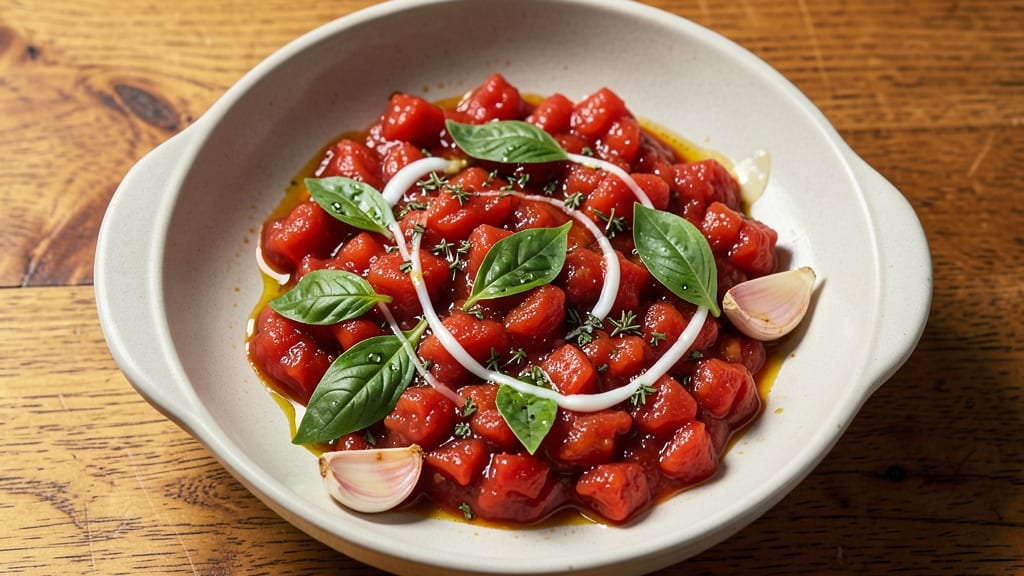
This bar pizza sauce recipe delivers that iconic, tangy-sweet flavor with just five simple ingredients—no fancy techniques required. The secret lies in balancing canned tomatoes with fresh herbs and a touch of garlic, creating a sauce that’s rich yet bright enough to let toppings shine.
I developed this version after years of testing, and it’s now my go-to for everything from quick weeknight pizzas to homemade marinara jars.
The beauty of this sauce is its versatility—use it as a pizza base, dip for garlic bread, or even a marinade for grilled meats.
The fresh basil and oregano add an herbal freshness that sets it apart from store-bought versions, while the slow simmer deepens the tomato flavor without overpowering it. Best of all, it takes just 20 minutes to make and keeps for up to a week in the fridge.
What makes this recipe truly classic is its balance—sweet from the tomatoes, tang from the vinegar, and depth from the garlic and herbs. The texture is smooth but not overly thick, ensuring it spreads evenly on dough without making it soggy.
Whether you’re a pizza pro or a beginner, this sauce will elevate your dish with minimal effort.
For extra flavor, try adding a pinch of red pepper flakes or a splash of balsamic vinegar. Store leftovers in an airtight container, and reheat gently on the stove before using. Here’s how to make it—simple, foolproof, and always delicious.
Ingredients for bar pizza sauce
Five simple ingredients create the iconic tangy-sweet bar pizza sauce everyone loves.
| Ingredient | Amount | Notes |
|---|---|---|
| Canned San Marzano Tomatoes 🍅 | 1 can | 28 oz, crushed by hand |
| Extra-Virgin Olive Oil 🫒 | ¼ cup | High quality, fruity flavor |
| Fresh Basil Leaves 🌿 | ½ cup | Packed, stems removed |
| Fresh Oregano Leaves 🍃 | 2 tbsp | Or 1 tbsp dried oregano |
| Garlic Cloves 🧄 | 4 cloves | Minced or finely chopped |
| White Vinegar 💧 | 1 tbsp | For tangy brightness |
| Kosher Salt 🧂 | 1 tsp | Diamond Crystal preferred |
| Black Pepper 🌶️ | ¼ tsp | Freshly ground preferred |
| Red Pepper Flakes 🔥 | ½ tsp | Optional for heat |
San Marzano tomatoes are the gold standard here—their sweetness and low acidity make all the difference. Trader Joe's and Whole Foods carry them, but any good-quality canned tomatoes work in a pinch. The olive oil should be extra-virgin, not the cheap stuff—it adds richness that makes the sauce sing. Fresh basil and oregano are non-negotiable for that classic bar pizza flavor, but if you're using dried herbs, cut the amount by half. Look for vibrant green basil leaves with no yellowing—those are fresher and more flavorful. The garlic can be pre-minced from a jar, but fresh is always better if you've got it.
No fresh basil? Dried works at half the amount, but it won't have that same bright freshness. Short on oregano? Italian seasoning in a pinch, though it's not exactly the same. The vinegar is key for that tangy kick—white vinegar is classic, but apple cider vinegar adds a nice depth. Want extra richness? Add a splash of balsamic vinegar at the end. The red pepper flakes are optional but add that subtle heat you find in many bar-style sauces. If you're sensitive to spice, start with just a pinch and adjust to taste.
This sauce tastes even better the next day as the flavors meld. Store it in an airtight container in the fridge for up to 1 week. For longer storage, freeze in ice cube trays—perfect for single-use portions. The texture will thicken slightly when refrigerated, so stir it gently before using. If it gets too thick, just add a splash of water or a bit more olive oil to loosen it up. It reheats beautifully on the stove, so keep some in the fridge for quick pizza nights.
Why You'll Love This Recipe
- No Chopping Nightmare: I swear by this sauce because it’s the only one where I don’t even bother chopping the basil—just tear those leaves right into the pot. The San Marzano tomatoes do all the heavy lifting, so you’re left with a silky, no-fuss base that still tastes like you slaved over it.
- Garlic-Basil Bomb: That first hit of raw garlic sizzling in olive oil? Chef’s kiss. Then the basil and oregano bloom in the heat, turning the sauce into something bright and complex—like summer in a jar. Honestly, my husband asks for seconds just to taste the sauce alone.
- Weeknight & Party Star: This is my go-to for both lazy Tuesdays and game-day spreads. Thin it with water for a quick marinara, or let it reduce until sticky for a bold topping. Between us, I’ve served it at potlucks, frozen it for emergencies, and even drizzled it over grilled chicken—it never lets me down.
- Pantry Hero: A single can of tomatoes and a handful of herbs stretch into enough sauce for four meals. I make a double batch, freeze half, and still have leftovers that taste better the next day. Not the prettiest, but the taste makes up for it—and my wallet thanks me.
Step-by-step instructions for classic bar pizza sauce
Here's how to make a rich, balanced tomato sauce that captures the soul of classic bar pizza.
Crush the Tomatoes by Hand
Pour the contents of the 1 can Canned San Marzano Tomatoes into a large bowl. Using your hands, gently crush the tomatoes against the sides of the bowl, breaking them down into large chunks but leaving some texture. This preserves the natural sweetness and prevents a mushy sauce. I like to work in batches if needed—just don't over-crush or the sauce will turn out too thin.
The San Marzano variety is key here; its natural sweetness and low acidity create a perfect balance. If you're using whole tomatoes, avoid the watery juice at the bottom of the can—it can make your sauce watery. Transfer the crushed tomatoes to a medium saucepan and set aside.
Sauté Garlic and Herbs in Olive Oil
Heat the 0.25 cup Extra-Virgin Olive Oil in the same saucepan over medium-low heat. Add the 4 cloves Garlic Cloves and sauté for 1-2 minutes until fragrant but not browned—garlic burns quickly, and you want to preserve its sweetness, not bitterness. Remove the pan from heat and stir in the 0.5 cup Fresh Basil Leaves and 2 tbsp Fresh Oregano Leaves. Let the herbs steep in the warm oil for 5 minutes to infuse their flavors.
This step is where the magic happens—the aromatic herbs and garlic mingle with the olive oil, creating a fragrant base. If you're using dried oregano, add it now with the garlic instead of fresh. Return the pan to medium heat and add the crushed tomatoes, stirring to combine.
Simmer and Season the Sauce
Bring the sauce to a gentle simmer over medium heat. Stir in the 1 tbsp White Vinegar, 1 tsp Kosher Salt, 0.25 tsp Black Pepper, and 0.5 tsp Red Pepper Flakes. The vinegar brightens the tomatoes and balances the richness. Let the sauce simmer uncovered for 20-25 minutes, stirring occasionally, until it thickens slightly. You're looking for a consistency that coats the back of a spoon but isn't gluey.
Taste as you go—this is where you can adjust seasoning. If the sauce needs more acidity, add a splash more vinegar. If it's too tangy, a pinch of sugar or a pinch more salt can help. The red pepper flakes are optional, but they add a subtle heat that mimics classic bar pizza sauce. Once thickened, remove from heat and let it cool slightly before using.
Blend for Silky Smoothness (Optional)
For a ultra-smooth sauce, transfer the cooled sauce to a blender or food processor. Pulse until the herbs are finely incorporated but the sauce retains some texture—this gives it that authentic bar pizza look. If you prefer a chunkier sauce, simply stir in the herbs by hand with a wooden spoon. The choice is yours, but blending ensures every bite is packed with herbaceous flavor.
This sauce is best used fresh, but it keeps well in the refrigerator for up to 5 days or frozen for 3 months. The flavors deepen over time, making it perfect for meal prep. Serve it warm over your favorite pizza dough, topped with mozzarella and your choice of toppings for a taste of classic bar pizza right at home.
Pro Tips For Making Bar Pizza Sauce
- Simmer Low and Slow: Crank the heat to high just to blister the garlic—then drop it to a bare simmer. I learned this the hard way: rushing the sauce makes it taste raw and underdeveloped. Let those tomatoes break down for 20-25 minutes, stirring occasionally, until the sauce thickens enough to coat the back of a spoon.
- Crush Garlic, Don’t Mince: Use the flat side of your knife to smash the cloves into a paste before cooking. This releases more flavor without burning, and you’ll avoid that bitter garlic taste that ruins a good sauce. (Yes, it looks messy—your sauce will thank you.)
- Salt the Tomatoes First: Drain the San Marzanos, then sprinkle them with 1 teaspoon of salt right in the can. Let them sit for 10 minutes before crushing—this draws out excess water and balances the acidity. I used to skip this, and my sauce always ended up too thin.
- Toast the Herbs: Heat the fresh basil and oregano in a dry pan for 10 seconds until fragrant, then add them to the sauce at the very end. This intensifies their flavor without turning the sauce bitter. (And no, you don’t need to chop them—just tear them by hand for maximum aroma.)
Common mistakes when making perfect results
Skipping the Crush
One of the biggest mistakes is using pre-crushed or blended canned tomatoes straight from the can. The texture becomes too uniform and loses that authentic bar pizza character. Always crush them by hand—this releases natural juices and creates a balanced consistency.
If you're in a hurry, use a potato masher instead of a blender to avoid turning the sauce into a smooth paste. 🍅
Overcooking the Herbs
Fresh basil and oregano wilt and lose their vibrant flavor when cooked too long. Once you add them to the warm olive oil, let them steep for just 5 minutes—no more. Overcooking turns them bitter, which ruins the bright, fresh taste that defines this sauce.
If you're using dried herbs, add them directly to the simmering sauce and remove them before serving if you prefer a smoother texture.
Ignoring the Vinegar
The 1 tablespoon white vinegar is non-negotiable for that classic tangy brightness. Skipping it makes the sauce taste flat and one-dimensional. If you're sensitive to vinegar's sharpness, start with half the amount and adjust to taste.
Apple cider vinegar works too, but white vinegar is the traditional choice for bar pizza sauce.
Simmering Too Aggressively
High heat causes the sauce to break down too quickly, resulting in a thin, watery consistency. Keep the heat at medium-low and let it simmer gently for 20-25 minutes.
If it starts to bubble too vigorously, reduce the heat immediately. A gentle simmer allows the flavors to meld without losing moisture or developing a gluey texture.
Forgetting to Taste
Seasoning is all about balance, and many people skip tasting until the very end. Check the sauce every 5 minutes during simmering to adjust salt, acidity, or sweetness as needed. If it tastes too tangy, a pinch of sugar or salt can help.
If it's bland, a splash more vinegar or a pinch of red pepper flakes can wake up the flavors. 💡
Using Low-Quality Ingredients
Cheap canned tomatoes, refined olive oil, or old spices will show up in your sauce. Invest in San Marzano tomatoes, extra-virgin olive oil, and fresh herbs for the best results. The quality of these ingredients makes the difference between a good sauce and a great one.
If you're using dried herbs, make sure they're labeled "culinary" and not "for garnish"—they're more potent and flavorful.
Nutrition facts
Frequently asked questions
Can I make this sauce without fresh basil?
Yes! Use 1 tablespoon dried basil instead of fresh, but reduce the amount by half. For extra depth, add ½ teaspoon dried thyme along with the oregano. The flavor won't be identical, but it still delivers that classic bar pizza taste.
How can I adjust the thickness of the sauce?
If the sauce is too thin after simmering, let it cook uncovered for 5-10 more minutes to reduce. For a thicker texture, mash a few extra tomatoes by hand or simmer longer. If it gets too thick, stir in 1-2 tablespoons water or olive oil to loosen. The ideal consistency coats the back of a spoon without being gluey.
Can I use this sauce for other dishes besides pizza?
This versatile sauce works as a marinade for grilled chicken or steak, a dip for garlic bread, or a topping for pasta. For marinades, reduce the vinegar to ½ tablespoon and add 1 teaspoon honey to balance flavors. It also pairs well with roasted vegetables or as a base for meatballs.
Why does my sauce taste bitter?
Bitter flavor usually means overcooked herbs or garlic. Remove the pan from heat immediately if the garlic browns, and avoid simmering too long. For fresh basil, steep it in warm oil for only 5 minutes—no longer. If the sauce is already bitter, stir in ½ teaspoon sugar or a pinch of salt to balance it.
How do I store leftovers for best flavor?
Store in an airtight container in the fridge for up to 5 days. For longer storage, freeze in ice cube trays or small jars—thaw overnight in the fridge before using. The flavors actually improve after 24 hours of refrigeration as the ingredients meld. Reheat gently on the stove, stirring occasionally, until warm.