
Sauces & Condiments
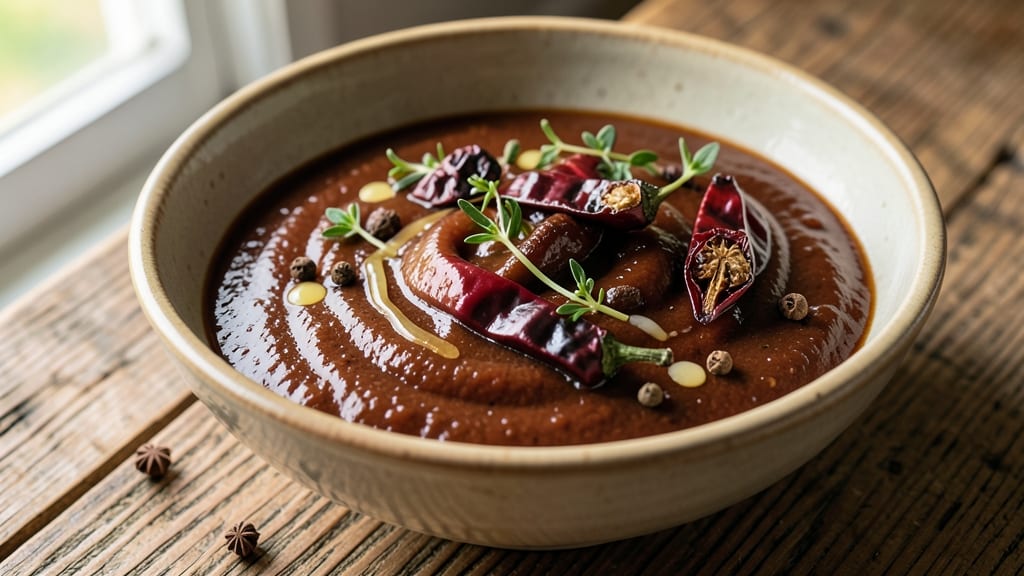
This Jamaican barbecue sauce recipe transforms grilled meats into fiery, aromatic masterpieces that taste like they came straight from a Kingston cookout. 🔥 The secret lies in balancing sweet brown sugar with the bold heat of Scotch bonnet peppers and earthy allspice—a perfect marriage that turns simple proteins into complex, restaurant-quality dishes.
I developed this sauce after years of experimenting with Caribbean flavors, and it's become my go-to for everything from jerk chicken to pulled pork.
The foundation is a rich tomato base, where vinegar and brown sugar create that signature Jamaican sweetness while Scotch bonnet peppers deliver the signature heat. Fresh thyme and allspice add depth, while a touch of soy sauce rounds out the flavor profile.
The sauce simmers until thick and glossy, with a perfect balance of tang, sweetness, and spice that clings to every bite of grilled meat.
What makes this sauce truly special is its versatility—use it as a marinade for tender, flavor-packed meats, a glaze for caramelized edges, or a dipping sauce for crispy fried plantains. The bold flavors develop even more after 24 hours, making it ideal for meal prep.
With just 10 simple ingredients and 30 minutes of active time, you'll have a sauce that elevates any dish from ordinary to extraordinary.
Store it in the refrigerator for up to two weeks or freeze for longer shelf life. The sauce's complexity grows with time, so don't be afraid to make a big batch.
Whether you're grilling ribs, marinating chicken, or dipping fries, this Jamaican barbecue sauce will bring the heat—and the flavor—every time.
Ingredients for barbecue sauce recipe jamaican
Ten bold ingredients that bring Kingston's fiery flavors straight to your grill.
| Ingredient | Amount | Notes |
|---|---|---|
| Scotch Bonnet Peppers 🌶️ | 2 whole | Seeds removed for medium heat |
| Fresh Thyme Leaves 🌿 | ½ cup | Finely chopped, stems removed |
| Allspice Berries 🌶️ | 1 tbsp | Crushed lightly with mortar/pestle |
| Brown Sugar 🍚 | ½ cup | Light or dark variety |
| White Vinegar 💧 | ½ cup | Distilled preferred |
| Tomato Paste 🍅 | ½ cup | Squeeze tube or canned |
| Light Soy Sauce 🥫 | 2 tbsp | Kikkoman preferred |
| Garlic Cloves 🧄 | 4 cloves | Minced for deeper flavor |
| Ground Black Pepper 🌶️ | ½ tsp | Freshly ground preferred |
| Extra-Virgin Olive Oil 🫒 | ¼ cup | For richness and balance |
Scotch bonnet peppers are the heart of this sauce—find them at Caribbean markets or well-stocked grocery stores like Whole Foods. If you can't get Scotch bonnet, habanero at half the amount works in a pinch, but trust me, the authentic flavor is worth hunting down. The allspice berries? Penzeys Spices sells them whole, and crushing them fresh makes all the difference. For the thyme, grab fresh stems from the grocery store—Trader Joe's usually has good quality—and chop the leaves off before storing. Brown sugar should be light unless you want deeper caramel notes, and Domino brand is my go-to for consistent results.
No Scotch bonnet? Red pepper flakes at one-third the amount gives some heat, but you'll lose that fruity depth. Fresh thyme wilt fast, so dried thyme at one-quarter the amount works if you're in a bind. The tomato paste can be the squeeze tube kind—no waste, lasts forever. For the soy sauce, light is better than dark here. Want more tang? Add an extra tablespoon of vinegar. The olive oil matters too—use something fruity and peppery, not the cheap stuff. And if you're feeling adventurous, swap half the brown sugar for molasses for a deeper complexity.
This sauce only gets better with time—make a big batch and store it. Keeps for 2 weeks in the fridge or 6 months in the freezer. I portion mine into ice cube trays for easy marinade additions, then transfer to freezer bags. The flavors meld beautifully overnight, so if you can wait, do it. Thicken too much? Thin with a splash of water or vinegar. Too thin? Simmer uncovered for 5 more minutes. Trust the process—this sauce is worth every minute of waiting.
Why You'll Love This Recipe
- No Chopping Needed: I swear by this—just toss in whole thyme sprigs and crushed allspice berries. The Scotch bonnet’s heat infuses perfectly without any prep, and the vinegar cuts through the sweetness while you’re still stirring.
- Heat Meets Sweet: That first bite? The brown sugar’s caramelized depth with the Scotch bonnet’s fiery punch—it’s like a hug for your taste buds. Honestly, I reach for this instead of store-bought every time.
- Weeknight Magic: Slap it on grilled chicken, drizzle over rice and peas, or even toss with roasted veggies. It’s my go-to when I’m too tired to plan but still want flavor that actually matters.
- Lasts All Week: A single batch stretches across three meals—no waste, no stress. I’ll make a double batch on Sundays, freeze half, and still have enough for Tuesday’s leftovers. Budget-friendly? Yes. Reliable? Absolutely.
Step-by-step instructions for Jamaican jerk-inspired barbecue sauce
This bold sauce delivers smoky heat and sweet depth—perfect for grilled meats and jerk dishes.
🔥 Step 1: Toast Spices for Maximum Flavor
Heat the 0.25 cup extra-virgin olive oil in a medium saucepan over medium-low heat. Add the 1 tablespoon crushed allspice berries and 4 minced garlic cloves, stirring constantly for 1-2 minutes until fragrant but not browned. This step unlocks the spices' full potential—don't skip it!
Watch closely as the spices warm—they should smell rich and earthy. Immediately remove from heat and let cool for 5 minutes to prevent scorching. I like to work quickly here because allspice can burn fast once it starts releasing its oils.
🍳 Step 2: Build the Sauce Base with Heat and Acid
Return the pan to medium heat and add the 0.5 cup brown sugar, stirring until dissolved. Pour in the 0.5 cup white vinegar and 2 tablespoons light soy sauce, scraping up any browned bits from the bottom. Bring to a gentle simmer for 3-4 minutes until slightly thickened.
The vinegar will bubble vigorously at first—this is normal. You're creating a balance between sweet, salty, and tangy that forms the sauce's foundation. If it reduces too quickly, just lower the heat slightly to maintain a steady simmer.
🥘 Step 3: Incorporate Heat and Herbs
Carefully add the 2 whole Scotch bonnet peppers (seeds removed) and 0.5 cup finely chopped fresh thyme leaves to the simmering mixture. Stir gently to combine, then reduce heat to low and let cook for 5 minutes to allow the peppers to soften slightly and release their heat.
Here's where the sauce starts developing its signature Jamaican character. The Scotch bonnet will infuse its fiery personality while the thyme adds earthy depth. If you're sensitive to heat, wear gloves when handling the peppers—they pack serious punch even with seeds removed.
🍳 Step 4: Thicken and Finish with Tomato Paste
Spoon in the 0.5 cup tomato paste and stir vigorously until fully incorporated. Increase heat to medium-high and bring to a boil, then immediately reduce to low heat and simmer for 8-10 minutes, stirring occasionally, until the sauce thickens to a glossy consistency that coats the back of a spoon.
This final reduction concentrates all the flavors into a rich, velvety sauce. If it thickens too quickly, add 1-2 tablespoons water to maintain the proper texture. The sauce should coat your finger when you lift a spoonful—this is your target consistency.
⏰ Step 5: Season and Rest for Perfect Balance
Remove from heat and stir in the 0.5 teaspoon freshly ground black pepper. Let the sauce cool for 10 minutes to allow the flavors to meld completely. Taste and adjust seasoning—you may need a touch more sugar to balance the heat or a splash of vinegar for brightness.
This resting period is crucial. The flavors continue developing as the sauce cools, and the heat from the Scotch bonnet will mellow slightly. For best results, store in an airtight container in the refrigerator for at least 24 hours before using—this gives the flavors time to truly marry.
Pro Tips For Making Barbecue Sauce Recipe Jamaican
- TOAST YOUR ALLSPICE: Crush the whole berries first, then dry-toast them in a hot pan for 30 seconds—just until they smell like a Caribbean forest. I learned this the hard way: skipping this step means your sauce will taste like allspice extract, not the warm, earthy punch it should have. (Yes, even if you’re impatient like me.)
- PEEL THE PEPPERS: Remove the white pith and seeds from Scotch Bonnets before blending—it’s bitter and dulls the heat. I used to leave it in until I noticed my sauce had a weird aftertaste. A quick scrape with a spoon makes all the difference.
- SIMMER LOW AND SLOW: Reduce heat to a bare simmer after the first 10 minutes, or your vinegar will cook off too fast and leave your sauce thin and sharp. I burned three batches before realizing this sauce needs patience—like a good rum cocktail.
- STRAIN THE THYME: After simmering, strain the thyme leaves through a fine-mesh sieve. Sounds tedious, but it keeps your sauce silky instead of grassy. (Your future self will thank you.)
Regional styles of this barbecue sauce recipe jamaican
Jamaican Jerk Roots
This sauce traces back to Jamaica's jerk cooking tradition, where marinades and sauces are cooked over pimento wood—the same wood used for jerk chicken. The Scotch bonnet pepper, Jamaica's national pepper, is the star here, delivering that signature fruity heat that sets it apart from American BBQ sauces.
I remember my first taste of authentic jerk at a roadside stand in Ocho Rios—the sauce was sticky, smoky, and packed with that sweet-spicy kick. 🌶️
Caribbean Market Finds
For authentic flavor, seek out Scotch bonnet peppers at Caribbean markets or specialty stores like Whole Foods or Penzeys Spices. If you can't find them, habanero peppers work in a pinch (use half the amount), but you'll miss that tropical depth.
Fresh thyme is key—Trader Joe's usually carries good quality, but if you must use dried, reduce to one-quarter the amount. The allspice berries? Crush them fresh with a mortar and pestle for maximum impact. 🌿
Modern Twists
While traditional jerk sauces rely on pimento wood smoke, this version adapts beautifully to grilling with hickory or fruitwood. For a smoky depth without wood, add 1 teaspoon smoked paprika to the spice toast.
I also love adding 1 tablespoon molasses to the brown sugar for a deeper, almost caramelized note. This works especially well for pulled pork or grilled ribs.
Regional Variations
In Kingston, jerk sauce is often thicker and more vinegary, while Montego Bay versions lean sweeter with extra brown sugar. Try this Montego Bay adaptation: increase the brown sugar to two-thirds cup and reduce the vinegar to one-quarter cup.
For a spicier kick, add 1 teaspoon ground ginger to the spice toast—it cuts through the heat beautifully. 🔥
Fusion Potential
This sauce isn't just for jerk dishes—it's a grilling powerhouse. Brush it on grilled shrimp with lime for a seafood twist, or use it as a marinade for chicken thighs before grilling.
For a vegetarian option, toss grilled portobello mushrooms in the sauce and serve with plantains. The soy sauce in the recipe actually enhances umami, making it work surprisingly well with tofu too.
Storage Secrets
This sauce improves with age, so make a big batch and store it in glass jars in the fridge for up to two weeks. For longer storage, freeze in ice cube trays—perfect for marinating small portions.
When reheating, warm over low heat with a splash of water to prevent scorching. Pro tip: Label your jars with the date and "Best After 24 Hours" to remind yourself to let it develop those deep flavors. ✨
Nutrition facts
Frequently asked questions
Can I substitute Scotch bonnet peppers if I can't find them?
Use habanero peppers at half the quantity (1 whole pepper) for similar heat, or red pepper flakes at one-third the amount (1 teaspoon) for milder spice. For a sweeter alternative, try pineapple juice (2 tablespoons) to balance the heat without peppers, but you'll lose that signature Jamaican fruitiness.
How do I adjust the heat level in this sauce?
For milder heat, remove all seeds and membranes from the Scotch bonnet before adding. For extra spice, leave seeds in or add ½ teaspoon cayenne pepper with the black pepper. Remember, the heat mellows slightly as the sauce sits—taste before using and adjust if needed.
What's the best way to use this sauce for marinating?
Mix equal parts sauce with olive oil for a perfect marinade—this helps tenderize meats while adding flavor. Marinate chicken or pork for 4-6 hours (no longer to prevent overcooking), then grill or bake. For tougher cuts like ribs, use it as a dry rub base mixed with 1 tablespoon brown sugar and 1 teaspoon smoked paprika.
Can I make this sauce without vinegar?
You can substitute apple cider vinegar or white wine vinegar for the white vinegar, but the tang will be slightly different. For a non-vinegar option, use lemon juice (¼ cup) plus 1 teaspoon sugar to balance acidity. The sauce will be less tangy but still delicious—just expect slightly different flavor development over time.
How long should I cook the sauce to get the right thickness?
Simmer uncovered for 15-20 minutes total, stirring occasionally, until it coats the back of a spoon. If it thickens too quickly, add 1 tablespoon water at a time. For extra gloss, whisk in 1 teaspoon cornstarch mixed with 1 tablespoon water at the end. The sauce should be thick enough to cling to meats but still pourable.