
Sauces & Condiments
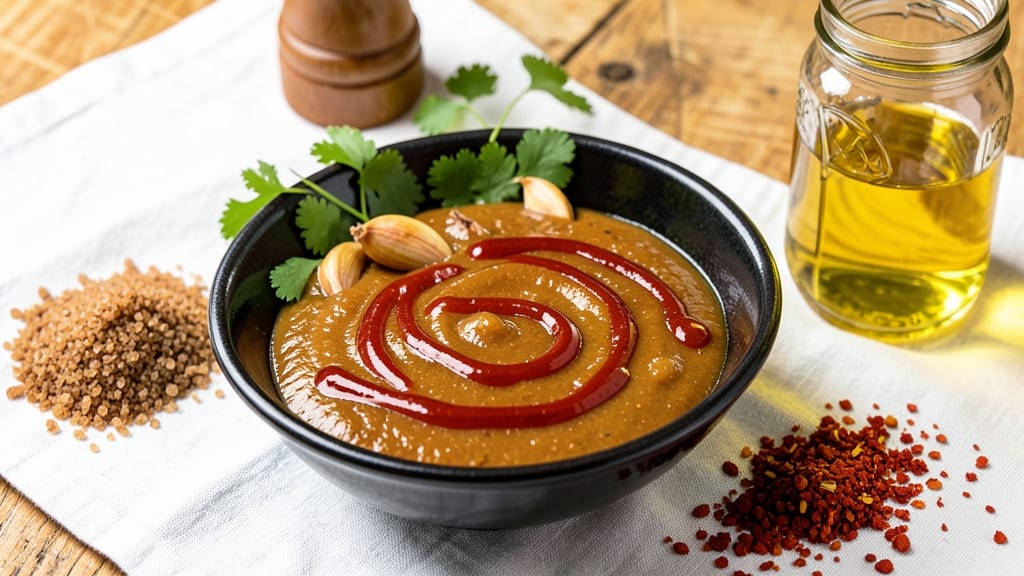
This Philippine barbecue sauce recipe delivers the perfect harmony of sweet, tangy, and smoky flavors that elevate grilled meats to restaurant-quality. 🌟 The secret lies in balancing vinegar, sugar, and a touch of pineapple for depth—just like the sauces you'd find at street-side grills across the islands.
I developed this version after years of experimenting with different ratios, and it never fails to bring that authentic Filipino taste to your kitchen.
The beauty of this sauce is its versatility—it works as a marinade, a dipping sauce, or a finishing glaze for grilled meats.
The combination of garlic, soy sauce, and chili creates a complex flavor profile that's both bold and approachable, while the pineapple adds a subtle sweetness that rounds out the acidity. Unlike store-bought versions, this recipe lets you control the sweetness and spice levels to suit your taste.
What you'll end up with is a glossy, aromatic sauce that clings beautifully to grilled chicken, pork, or even vegetables. It's rich enough to stand alone as a dipping sauce but balanced enough to enhance the natural flavors of your protein.
The best part? It keeps well in the fridge for up to two weeks, so you can make a big batch and have it ready whenever you crave that smoky, sweet taste of the Philippines.
Whether you're serving it with crispy lechon kawali, grilled pork skewers, or even as a tangy topping for rice, this sauce will become a staple in your cooking routine. Here's how to make it—simple, flavorful, and impossible to resist.
Ingredients for barbecue sauce recipe philippines
Nine simple ingredients transform into the ultimate Filipino barbecue sauce—sweet, tangy, and full of depth.
| Ingredient | Amount | Notes |
|---|---|---|
| Cane Vinegar 🍶 | ½ cup | White vinegar works in a pinch |
| Brown Sugar 🍚 | ½ cup | Light or dark, packed |
| Fresh Pineapple Juice 🍍 | ½ cup | Or sub canned pineapple juice |
| Soy Sauce 🍶 | ¼ cup | Light or dark preferred |
| Garlic Cloves 🧄 | 4 cloves | Minced for depth of flavor |
| Chili Flakes 🌶️ | 1 tbsp | Adjust for heat preference |
| Ground Black Pepper 🌶️ | ½ tsp | Freshly cracked for warmth |
| Salt 🧂 | 1 tsp | Kosher or sea salt preferred |
| Sesame Oil 🫒 | 1 tbsp | Toasted for nutty aroma |
The vinegar and sugar are non-negotiable for that classic Filipino tang-sweet balance. Cane vinegar gives the most authentic flavor, but white vinegar works if that's what you've got. For the brown sugar, pack it tightly—no scooping. Fresh pineapple juice is ideal, but canned works too (just drain it well). I always grab Filipino brands like Calypso or Del Monte when I can find them, but any good-quality canned juice will do. The garlic and chili flakes are where the magic happens—don't skip toasting the garlic first for extra depth.
No cane vinegar? Apple cider vinegar is the next best thing. Short on pineapple juice? Extra brown sugar plus a splash of lemon juice mimics the tang. The soy sauce can be swapped for coconut aminos if you're avoiding gluten. For heat, fresh chili minced instead of flakes adds more texture. The sesame oil is optional but adds that nutty aroma that ties everything together—toast it lightly in a dry pan first to deepen the flavor. If you're making this ahead, reduce the sesame oil slightly since it can separate over time.
This sauce gets better as it sits—24 hours in the fridge lets all the flavors meld perfectly. Store it in an airtight jar with a layer of oil on top to preserve freshness. Keeps for up to 2 weeks in the fridge or 6 months frozen. I always double the batch because it disappears fast—perfect for grilling, dipping, or drizzling over rice. The texture thickens as it cools, so thin with a splash of water if needed before serving.
Why You'll Love This Recipe
- Pantry Magic: I swear by this sauce—no special ingredients, just what’s already in my cupboard. That cane vinegar cuts through the sweetness while the brown sugar caramelizes into something irresistible, and honestly? The pineapple juice adds a bright tang that makes it taste fresh off the grill.
- Sweet-Savory Balance: Between us, this sauce nails the Filipino sarsa vibe—garlicky, tangy, and just sweet enough to make your taste buds dance. The soy sauce adds that deep umami punch, while the pineapple keeps it from being too heavy. It’s the kind of flavor that sticks with you long after the last bite.
- Weeknight Hero: This isn’t just for grilling—drizzle it over fried rice, toss it with noodles, or even slather it on steamed fish. I’ve used it for everything from quick weeknight dinners to Sunday family feasts, and it never lets me down. (Yes, even on a Tuesday night.)
- Makes a Batch: I double the recipe every time because it keeps so well in the fridge. The flavors deepen overnight, and it’s the perfect way to stretch a meal into leftovers without sacrificing taste. Plus, it’s cheap to make—way better than store-bought.
Step-by-step instructions for Filipino-style barbecue sauce
This sauce delivers the perfect balance of sweet, tangy, and savory with a hint of smoky depth.
🍳 Step 1: Bloom the Garlic and Spices
Heat a medium saucepan over medium-low heat and add the 1 tablespoon sesame oil. Once the oil shimmers gently, add the 4 cloves minced garlic cloves and 1 tablespoon chili flakes. Cook for 1-2 minutes until the garlic turns golden and fragrant—this prevents bitter flavors and builds the sauce's aromatic foundation.
Here's the thing—don't walk away. Garlic burns faster than you think, and burnt garlic ruins everything. You'll know it's ready when the pan smells intensely garlicky and the spices start to darken slightly at the edges. Remove the pan from heat immediately after the garlic is golden.
🍳 Step 2: Combine Wet Ingredients
Return the pan to medium heat and add the 0.5 cup cane vinegar, 0.5 cup brown sugar, and 0.25 cup soy sauce. Stir constantly for 3-4 minutes until the sugar dissolves completely and the mixture begins to thicken slightly. You're looking for a syrupy consistency that coats the back of a spoon.
I like to press the sugar against the sides of the pan with a wooden spoon to help it dissolve faster. If the sugar clumps, add 1 tablespoon water to help break it down. This is where the sauce's signature sweet-savory balance begins to develop—don't rush this step.
🍳 Step 3: Add Pineapple Juice and Simmer
Pour in the 0.5 cup fresh pineapple juice and bring the mixture to a gentle boil. Once boiling, reduce heat to low and let it simmer uncovered for 10-12 minutes, stirring occasionally. You'll see the sauce reduce and darken slightly as the flavors meld together.
This simmering time is crucial—it allows the vinegar to mellow, the sugar to caramelize just enough, and the pineapple juice to infuse its tropical brightness. You'll notice the sauce thicken noticeably and develop that beautiful glossy sheen that's characteristic of authentic Filipino barbecue sauce.
🔥 Step 4: Season and Finish
Remove the pan from heat and stir in the 1 teaspoon salt and 0.5 teaspoon ground black pepper. Taste and adjust seasoning if needed—you might want to add a bit more salt or sugar to balance the flavors to your preference. The sauce should be sweet, tangy, and slightly salty with a hint of heat from the chili flakes.
Let the sauce cool completely before using it on grilled meats or marinades. The flavors will continue to develop and deepen as it cools. For best results, store any leftovers in an airtight container in the refrigerator for up to 2 weeks—it actually tastes better the next day as the flavors meld further.
Pro Tips For Making Barbecue Sauce Recipe Philippines
- Boil Garlic Low and Slow: I learned this the hard way—crushing garlic cloves into a hot pot and letting them fry until golden before adding any liquid. If you toss them in raw, they’ll turn bitter and cling like glue. Five minutes of gentle simmering is all it takes to soften them without burning.
- Strain the Pineapple Juice: Fresh pineapple juice is the star, but the stringy bits make the sauce look messy. After blending, pour the juice through a fine-mesh strainer or cheesecloth into a bowl. It’s extra work, but the result is silky smooth—no one wants to bite into fiber in their barbecue sauce.
- Simmer Until Syrupy: This isn’t a quick sauce. Let it reduce on medium-low heat until it coats the back of a spoon like thick syrup. Rushing it leaves you with a watery glaze that’ll drip off the grill instead of caramelizing. Twenty minutes of steady simmering guarantees that sticky, glossy finish.
- Balance the Vinegar Early: Adding all the cane vinegar at once can make the sauce taste harsh. Start with half, taste it, then adjust. You’re aiming for tangy, not sour—this sauce should complement, not overpower. If it’s too sharp, a pinch of brown sugar or a splash of pineapple juice fixes it fast.
Regional styles of this dish
Visayan-Style Sauce
In the Visayas region, this sauce gets a tropical twist with extra pineapple juice—sometimes up to ¾ cup—and a splash of coconut milk (about 2 tablespoons) for richness. The result is a thicker, creamier sauce perfect for grilled seafood like tahong (squid) or tanigue (milkfish).
I've made this version at local carinderias, and it's a game-changer for seafood lovers. 🌊
Pampanga-Inspired
Central Luzon's Pampanga province takes their barbecue sauce seriously, often incorporating calamansi juice (about ¼ cup) instead of pineapple for a sharper citrus kick. They also add 1 teaspoon ground coriander and ½ teaspoon turmeric for earthy depth.
This version works beautifully with grilled chicken inato (chicken thighs). The turmeric gives it that signature golden hue you see in many Pampanga dishes.
Bicolano Heat
Down in Bicol, they crank up the heat with fresh siling labuyo chili (about 3-4 chilies, minced) and add 1 tablespoon shrimp paste (bagoong) for umami bomb. The shrimp paste gives it that funky, savory depth that's unmistakably Bicolano.
I've found that using less sugar (¼ cup) balances the intense heat perfectly. This sauce is legendary with grilled pork belly or kinilaw (Filipino ceviche).
Mindanao's Smoky Twist
In Mindanao, they often finish the sauce with a smoky aroma by adding 1 teaspoon toasted annatto seeds (achuete) or a pinch of smoked paprika. The annatto gives it that beautiful orange hue while adding a subtle smokiness that pairs perfectly with their grilled pa-pa (pork belly).
For an extra smoky kick, I've seen home cooks add ½ teaspoon liquid smoke at the very end—just a drop or two makes all the difference. 🔥
Street Food Favorite
At night markets across the Philippines, you'll find vendors selling this sauce with a thicker, stickier consistency—almost like a glaze. To achieve this, they reduce the sauce longer (up to 20 minutes) and add 1 tablespoon cornstarch mixed with 2 tablespoons water at the end.
This version is perfect for dipping grilled skewers or brushing onto lechon kawali (crispy pork belly). The extra reduction makes it cling beautifully to the meat.
Modern Fusion
For a contemporary twist, I've experimented with adding 1 teaspoon fish sauce (instead of some soy sauce) and a touch of honey (1 tablespoon) to replace half the sugar. This version has a deeper umami profile that works surprisingly well with grilled tofu or vegetable skewers.
The honey adds a subtle floral note that balances the acidity beautifully. It's become my go-to for vegetarian grilling nights. 🌱
Nutrition facts
Frequently asked questions
Can I make this sauce without pineapple juice?
If you're out of pineapple juice, substitute with ¼ cup extra brown sugar plus 2 tablespoons lemon juice for brightness. The key is maintaining that sweet-tangy balance—just reduce the simmer time to 8-10 minutes since you're not adding liquid. For extra depth, a splash of coconut milk works too, especially if you're using it with seafood.
How spicy should this sauce be?
The recipe calls for 1 tablespoon chili flakes, which gives a mild but noticeable heat. For less spice, reduce to ½ tablespoon or swap for ¼ teaspoon cayenne pepper. Want it hotter? Add 1-2 fresh siling labuyo chilies (minced) or an extra ½ teaspoon chili flakes. Always taste as you go—the sauce thickens as it cools, so adjust before it sets.
Can I use this sauce as a marinade for non-meat dishes?
Yes! This sauce works wonderfully with tofu, eggplant, or mushrooms—just marinate for 30-60 minutes (tofu absorbs it fastest). For grilled vegetables, brush on 10 minutes before cooking to prevent burning. The acidity helps tenderize plant-based proteins, while the sweetness caramelizes beautifully. Try it with portobello mushrooms or firm tofu cubes for a smoky, sticky glaze.
Why does my sauce turn out too thin?
Sauce thinning usually happens from over-simmering or adding too much liquid. If it's too runny, simmer uncovered for 5-10 more minutes to reduce it. For a quick fix, mix 1 teaspoon cornstarch with 2 tablespoons water, stir into the sauce, and cook for 2 minutes until thickened. Pro tip: Always simmer on low heat—high heat causes rapid evaporation but can burn the sugars.
How can I make this sauce smokier?
For that classic Filipino grillhouse smokiness, add ½ teaspoon smoked paprika or 1 teaspoon liquid smoke at the very end (just before removing from heat). For a deeper aroma, toast 1 teaspoon annatto seeds (achuete) in the sesame oil before adding garlic. If you have access to charred wood chips, simmer the sauce with them covered for the last 5 minutes—just strain before using.