
Sauces & Condiments
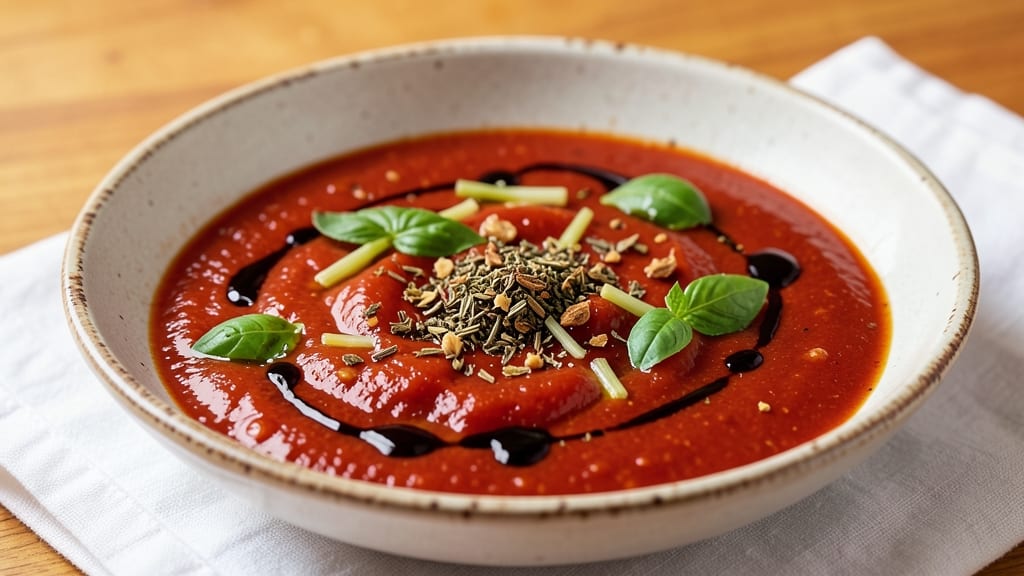
Barefoot Contessa's marinara sauce delivers the kind of deep, complex flavor that elevates every Italian meal—think pasta, pizza, or crusty bread. This isn’t your basic jarred sauce; it’s a slow-simmered masterpiece with a celery crown topping that adds freshness and texture. The secret lies in balancing canned tomatoes, aromatic herbs, and a touch of umami from garlic and olive oil, all simmered until the flavors meld into something extraordinary.
The process is simpler than you’d expect: no fancy techniques, just time and patience. You’ll start with a base of crushed tomatoes, garlic, and olive oil, then build layers of flavor with basil, oregano, and a splash of red wine (optional but recommended).
The sauce simmers gently for at least 45 minutes, allowing the flavors to deepen and develop that signature richness. The celery crown topping—thinly sliced celery sautéed in olive oil—adds a bright, herby contrast that cuts through the richness, making every bite feel like a restaurant-quality experience.
What you’ll end up with is a sauce that’s smooth yet vibrant, with a perfect balance of acidity, sweetness, and umami. It’s versatile enough for weeknight dinners but impressive enough for company, and it keeps well in the fridge for up to a week or freezes beautifully for later.
The celery crown not only enhances the flavor but also adds a stunning visual element that makes your dish look as good as it tastes.
This marinara isn’t just a sauce—it’s the foundation for countless meals. Use it as a base for spaghetti, drizzle it over pizza, or serve it with garlic bread for a no-fuss, flavor-packed dinner.
The best part? Every batch tastes better than the last, as the flavors continue to develop over time. Let’s get started on creating your own restaurant-quality marinara.
Ingredients for barefoot contessa marinara sauce
Nine ingredients transform into restaurant-quality marinara with that signature celery crown topping.
| Ingredient | Amount | Notes |
|---|---|---|
| San Marzano Crushed Tomatoes 🍅 | 28 oz | High-quality, no salt added |
| Extra-Virgin Olive Oil 🫒 | ½ cup | Fruity, peppery variety preferred |
| Garlic Cloves 🧄 | 4 cloves | Freshly minced for bright flavor |
| Dried Oregano 🌿 | 1 tbsp | Italian or Mediterranean blend |
| Fresh Basil Leaves 🌿 | ½ cup | Packed, stems removed |
| Dry Red Wine 🍷 | ¼ cup | Bold, like Cabernet Sauvignon |
| Celery Stalks 🧅 | 2 whole | Thinly sliced for crown topping |
| Sea Salt 🧂 | 1 ½ tsp | Diamond Crystal preferred |
| Black Peppercorns 🌶️ | ½ tsp | Freshly cracked for depth |
| Granulated Sugar 🍚 | 1 tsp | Balances acidity |
San Marzano tomatoes are worth the splurge—their sweetness and low acidity make all the difference. Grab a 28-ounce can from Whole Foods or Trader Joe's; their bulk bins have the best quality. The celery for the crown topping should be crisp and pale green—avoid any with brown spots. For the olive oil, California Extra Virgin brands like Corto or Lucini add that peppery kick. If you're short on time, frozen basil works in a pinch, but fresh is ideal for that signature flavor. The red wine? Any bold, dry red—Cab Sauv, Merlot, whatever's open.
No red wine? Substitute extra tomato paste or beef broth—just add a splash of balsamic for depth. Short on fresh basil? Dried oregano at half the amount keeps the Mediterranean vibe. The sugar might seem odd, but it rounds out the acidity beautifully. For the celery crown, thin slices (about 1/8-inch thick) cook faster and add more texture. If you can't find San Marzano, high-quality crushed tomatoes from Muir Glen work too—just add a pinch more sugar to balance.
This sauce tastes even better the next day—plan ahead. Store in airtight containers with a thin layer of olive oil on top to preserve freshness. Keeps for up to 1 week in the fridge or 3 months frozen. For the celery crown, sauté it just until tender-crisp (about 3 minutes)—don't overcook or it turns mushy. Double the batch and freeze portions for quick weeknight dinners. The celery crown can be prepped ahead and reheated gently before serving.
Why You'll Love This Recipe
- Five-Ingredient Magic: I swear by this recipe because it’s the kind of sauce that turns "I’ll just order takeout" into "Wait, I made this?" The San Marzano tomatoes do all the heavy lifting—sweet, rich, and perfectly balanced—while the olive oil and garlic infuse in minutes. No chopping, no stress, just pure flavor.
- Garlic-Kissed Perfection: That moment when you crush the garlic into the warm oil? Chef’s kiss. It’s the secret weapon here—deep, fragrant, and never overpowering. The oregano and basil finish it off with that bright, fresh punch that makes you want to eat it straight from the pot. (Yes, I’ve been guilty.)
- Weeknight to Weekend: This sauce is my go-to for spaghetti on Tuesdays and lasagna on Sundays. Freeze half for lazy nights, or simmer it longer for braising meat—it’s that adaptable. Honestly, I’ve used it in everything from stuffed shells to grilled cheese, and it never lets me down.
- Pantry Goldmine: Between us, this is one of those recipes where the ingredients cost next to nothing, but the results feel fancy. A can of tomatoes, a bulb of garlic, and a handful of herbs stretch into meals for days. Plus, the leftovers? Better than store-bought, always. My freezer’s full of it.
Step-by-step instructions for slow-simmered umami marinara sauce
Here's how to build rich, layered flavor with a celery crown topping that takes this sauce to restaurant-quality.
Sauté Aromatics in Olive Oil
Heat the 0.5 cup extra-virgin olive oil in a large, heavy-bottomed pot over medium heat. Add the 4 minced garlic cloves and cook for 30 seconds until fragrant but not browned. You'll smell that sweet, pungent garlic aroma—this is your flavor foundation. Immediately add the 2 thinly sliced celery stalks and cook for 5-6 minutes until softened and just beginning to color.
Here's the thing—don't rush this step. The celery should release its natural sweetness and meld with the garlic. If you see the garlic starting to brown, reduce the heat slightly. You want flavor, not bitterness. I like to stir occasionally to ensure even cooking and prevent sticking. This aromatic base will carry through the entire sauce, so take your time developing it properly.
Build the Sauce Base
Add the 1 tbsp dried oregano, 1.5 tsp sea salt, and 0.5 tsp cracked black peppercorns to the pot and stir for 30 seconds to toast the spices. Then pour in the 28 oz San Marzano crushed tomatoes and 0.25 cup dry red wine, scraping up any browned bits from the bottom of the pot with a wooden spoon. This deglazing step captures all those concentrated flavors you've built so far.
Bring the mixture to a gentle boil, then reduce heat to low and let it simmer uncovered for 45-60 minutes. You're looking for a slow, steady simmer where small bubbles occasionally break the surface. Stir occasionally to prevent a skin from forming. The sauce should thicken gradually as it reduces. This long simmering time is what develops that deep, complex umami flavor that sets this sauce apart from quick versions.
Add the Celery Crown Topping
While the sauce simmers, prepare the celery crown topping by finely chopping 1 of the remaining celery stalks (save the other for garnish). When the sauce has reduced by about 25% (it should coat the back of a spoon), add the chopped celery and 1 tsp granulated sugar. Stir well and continue simmering for another 15-20 minutes until the celery is completely tender and the sauce has thickened to your desired consistency.
The sugar here serves two purposes: it balances the acidity of the tomatoes and helps caramelize the celery slightly for extra depth. You'll know it's ready when the sauce clings to the spoon and the celery pieces are soft enough to disappear when stirred. This is where the sauce gets its signature texture—smooth with just enough body to cling to pasta or meat.
Finish with Fresh Basil
Remove the pot from heat and stir in the 0.5 cup fresh basil leaves. Let the sauce sit for 5 minutes to allow the basil to infuse its bright, fresh flavor. Then taste and adjust seasoning if needed. You might need a touch more salt or a splash of water if the sauce is too thick. The basil should brighten the sauce and cut through the richness of the tomatoes.
For serving, ladle the sauce into bowls and garnish with the remaining thinly sliced celery stalk arranged in a crown shape on top. This isn't just decoration—it adds another layer of fresh celery flavor that contrasts beautifully with the rich sauce. The celery crown is what makes this sauce feel special and restaurant-worthy. Serve immediately over pasta, with crusty bread, or alongside your favorite Italian dishes.
Pro Tips For Making Barefoot Contessa Marinara Sauce
- Sweat the Garlic: After mincing the garlic, toss it in the olive oil and let it sit for 2 minutes at room temp—no heat. This softens the edges so it melts into the sauce instead of turning bitter or sticking. I learned this the hard way when my first batch smelled like a garlic factory instead of Italian countryside.
- Simmer Low and Slow: Once the tomatoes hit the pot, drop the heat to a bare simmer—think tiny bubbles, not rolling boil. Skipping this step means a thin, watery sauce instead of the rich, velvety texture you’re after. Trust me, the extra 10 minutes at low heat makes all the difference.
- Toast the Oregano: Crush the dried oregano between your palms before adding it to the oil—this releases the flavor. Then, let it bloom in the warm oil for 30 seconds before tossing in the garlic. Sounds small, but it deepens the herb’s aroma in ways you’ll notice immediately.
- Save the Basil for Last: Tear the fresh basil by hand (don’t chop it—big, messy leaves work best) and fold it into the sauce off the heat. Adding it early turns the sauce bitter, and stirring it in at the end keeps those bright, peppery notes intact. Yes, even if you’re impatient like me.
Troubleshooting your barefoot contessa marinara sauce
Sauce Too Thin?
If your marinara isn't thickening enough during simmering, reduce the heat slightly and let it cook uncovered for an additional 15-20 minutes. Stir occasionally to prevent skin formation.
For faster results, mix 1 tbsp tomato paste with 1 tbsp water and stir it in—this acts as a natural thickener while adding depth. I've found that simmering longer at lower heat (around 180°F) helps the sauce reduce more evenly without burning. 🌡️
Celery Crown Too Bitter?
Overcooked celery crown topping becomes bitter and mushy. To prevent this, sauté the celery for only 3-4 minutes until just tender-crisp. If you accidentally overcook it, balance the bitterness by adding ½ tsp sugar or a pinch of lemon zest to the sauce.
I like to keep a small bowl of ice water nearby to quickly refresh any overcooked celery slices before using them as garnish. 🧅
Sauce Tastes Bland?
Bland marinara usually means insufficient umami development. Boost flavor by adding 1 anchovy fillet (mashed) or 1 tsp fish sauce during simmering. For a vegetarian option, stir in 1 tbsp soy sauce or ½ tsp nutritional yeast.
I've also found that a splash of balsamic vinegar (about 1 tsp) adds complexity without overpowering. Let the sauce sit for 10 minutes after adding these ingredients to allow flavors to meld. 💡
Skin Forming Too Quickly?
Prevent skin formation by keeping the pot uncovered and stirring every 5-10 minutes during simmering. If a skin does form, simply scrape it off with a spoon—it won't affect flavor.
For extra insurance, place a clean kitchen towel loosely over the pot (not touching the sauce) to trap steam while allowing airflow. I've also had success using a medicine dropper to spot-check thickness without disturbing the entire pot. ✨
Celery Crown Not Holding Shape?
If your celery crown collapses when placed on top, it needs more structure. Try slicing the celery 1/16-inch thick instead of 1/8-inch for better stability. For an extra boost, toss the sliced celery with ½ tsp olive oil and pinch of salt before arranging it on top.
I've found that chilling the sauce slightly before garnishing helps the celery maintain its shape better. 💪
Sauce Too Acidic?
Excess acidity often comes from low-quality tomatoes or over-simmering. Balance it by adding 1 tsp sugar or ½ tsp honey to the sauce. For a more sophisticated touch, stir in 1 tsp tomato paste mixed with 1 tsp water—this adds body while mellowing acidity.
I've also had success with a pinch of baking soda (just ⅛ tsp) to neutralize acidity, but use sparingly as it can make the sauce taste soapy if overused. 🍚
Nutrition facts
Frequently asked questions
Why does this marinara sauce need a celery crown topping?
The celery crown isn't just decoration—it adds a bright, fresh contrast to the rich tomato base. The thinly sliced celery sautéed in olive oil brings natural sweetness and texture that cuts through the sauce's depth, making each bite more complex. Plus, it creates that restaurant-worthy presentation!
Can I make this sauce without red wine?
The wine adds depth, but you can substitute 2 tbsp tomato paste mixed with 1 tbsp water or ¼ cup beef broth. For extra umami, add 1 tsp soy sauce or a splash of balsamic vinegar. The sauce will still be delicious—just slightly different in character.
How long can I store this marinara sauce?
This sauce keeps beautifully in the fridge for up to 1 week in an airtight container. For longer storage, freeze portions in 1-cup containers for up to 3 months. The flavors actually improve over time! Just thaw overnight in the fridge before reheating gently on low heat.
What's the best way to use leftover celery crowns?
Save any leftover celery crown pieces for future sauces! Chop them finely and add to your next batch for instant flavor. You can also toss them into salads, blend into soups, or use as a garnish for other dishes. The pre-sautéed celery adds great texture to any dish where you need a fresh, herby element.
Can I make this sauce in a slow cooker?
Yes, but with adjustments. Cook on low for 4-5 hours instead of simmering on the stove. Add the celery crown topping during the last 30 minutes of cooking. The slow cooker will give you a thicker sauce, so you might want to add 2 tbsp water if it gets too concentrated. Stir occasionally to prevent skin formation.