
Sauces & Condiments
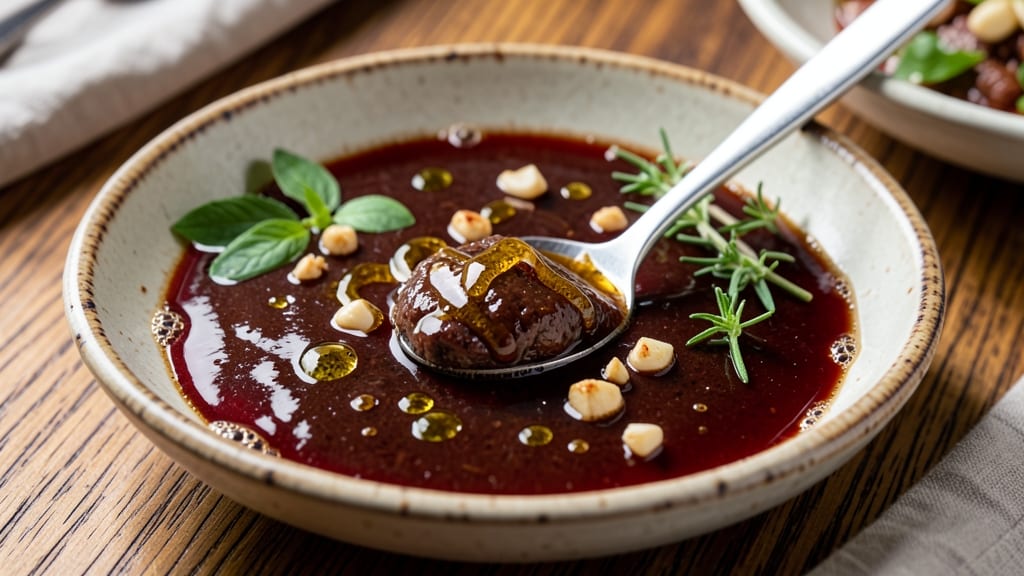
This beef basting sauce recipe transforms ordinary grilling into a flavor experience that locks in juicy tenderness with every baste.
The secret lies in a rich blend of red wine, beef broth, and aromatic herbs that simmer into a velvety, caramelized sauce—perfect for brushing onto steaks, roasts, or even chicken as they cook.
I developed this recipe after years of experimenting with dry, flavorless meats, and the difference is night and day.
The sauce builds depth through slow reduction, creating a glossy finish that seals in moisture while adding layers of savory, slightly sweet complexity.
You'll need just five simple ingredients—red wine, beef broth, garlic, thyme, and a touch of honey—to create a sauce that's restaurant-quality yet easy to make at home. The key is letting it reduce to a thick, syrupy consistency, which clings beautifully to meat without overwhelming its natural flavor.
What makes this sauce truly special is its ability to transform even the simplest cut of beef into something extraordinary. As you baste, the sauce caramelizes on the hot meat, forming a flavorful crust that enhances the natural taste of the steak.
The result? A perfectly seared exterior with juicy, tender meat inside—every bite packed with deep, roasted flavor.
Use this sauce for grilling, roasting, or even pan-searing, and don’t worry about leftovers—it stores well in the fridge for up to a week or freezes for months. Whether you're cooking for a special dinner or a casual weeknight meal, this basting sauce elevates every dish it touches.
Ingredients for beef basting sauce
Five ingredients, bold flavors—this sauce turns dry meat into juicy perfection.
| Ingredient | Amount | Notes |
|---|---|---|
| Dry Red Wine 🍷 | 1 cup | Bold variety like Cabernet Sauvignon |
| Beef Broth 🍲 | 1 cup | Low-sodium preferred for balance |
| Garlic Cloves 🧄 | 4 cloves | Minced for even distribution |
| Fresh Thyme 🌿 | 1 tbsp | Leaves only, finely chopped |
| Honey 🍯 | 1 tbsp | Wildflower preferred for depth |
| Olive Oil 🫒 | 1 tbsp | Extra-virgin for richness |
| Salt 🧂 | ½ tsp | Kosher or sea salt |
| Black Pepper 🌶️ | ¼ tsp | Freshly ground for aroma |
The red wine is non-negotiable here—Cabernet Sauvignon or Merlot from a nice bottle works best (save the cheap stuff for cooking). Trader Joe's or Total Wine have solid affordable options, but honestly any bold, dry red you've got open will do. The beef broth? Low-sodium is key—you don't want to overpower the meat with extra salt. For the garlic, I always use four cloves because it's the magic ingredient that makes this sauce sing. Fresh thyme is ideal, but one teaspoon dried works in a pinch if you're out.
No red wine? Beef broth with a splash of balsamic vinegar gets you close—just reduce it longer. Fresh thyme too expensive? Dried works at one-third the amount. Want to cut the sugar? Skip the honey and add half a teaspoon of maple syrup instead. The olive oil might seem optional, but trust me—it helps emulsify the sauce so it clings beautifully to the meat. For extra richness, add one tablespoon of butter at the end, but keep it separate until you're ready to use it.
This sauce gets better as it reduces, so don't rush it. Store leftovers in a glass jar in the fridge for up to 1 week—it actually improves overnight. For freezing, portion into ice cube trays and transfer to a bag. Thaw in the fridge overnight. Pro tip: Reheat gently on the stove—never microwave, or it'll separate. I always make a double batch because it disappears fast during grilling season.
Why You'll Love This Recipe
- Pantry Magic: I swear by this sauce because it uses stuff I already have—no last-minute grocery runs. That bottle of red wine gathering dust? Perfect. A splash of honey balances the richness, and the thyme adds depth without fuss.
- Deep Umami Boom: The garlic and wine simmer down into this caramelized, savory punch that clings to meat like a hug. Honestly, the first time I tasted it on a steak, I nearly spilled my drink.
- Weeknight Hero: Slap this on grilled chicken, roasted potatoes, or even stir-fried veggies—it’s my go-to for when I’m too tired to plan. The leftovers? Even better the next day, especially on toast with a fried egg.
- Budget Stretch: A little goes a long way, and it turns basic beef into something restaurant-worthy. I’ll be real: this sauce makes my grocery money work harder, especially when I double the batch and freeze half for later.
Step-by-step instructions for beef basting sauce
This sauce locks in deep, roasted flavor while keeping your beef impossibly juicy.
Sauté Aromatics Until Golden
Heat the 1 tablespoon olive oil in a medium saucepan over medium heat. Add the 4 cloves minced garlic cloves and 1 tablespoon finely chopped fresh thyme, stirring constantly for 1-2 minutes until the garlic turns golden and fragrant. This is where all the flavor magic starts—don't walk away, or you'll burn the garlic before it releases its sweet aroma.
I like to press the thyme leaves gently with the back of my spoon first to release their oils. This ensures every drop of flavor gets incorporated into the sauce. You'll know it's ready when the mixture smells like a French bistro on a Sunday morning—bright, herby, and just a little sweet.
Deglaze with Wine and Reduce
Pour in the 1 cup dry red wine and scrape up any browned bits from the bottom of the pan with a wooden spoon. These bits are pure flavor—don't miss them! Let the wine simmer for 3-4 minutes until it reduces by about half, leaving behind a rich, concentrated base. You'll see the liquid go from ruby red to a deeper, almost syrupy consistency.
Here's the thing—if your wine starts to reduce too quickly, lower the heat slightly. You want a slow, steady reduction that builds layers of flavor without burning the alcohol off completely. The sauce should smell like a cross between a wine cellar and a summer garden.
Build Depth with Broth and Honey
Add the 1 cup beef broth and 1 tablespoon honey, stirring to combine. Bring the mixture to a gentle simmer and let it cook uncovered for 5-7 minutes until the liquid reduces by about one-third. The sauce should coat the back of a spoon and have a glossy sheen—this is your signal that it's ready for seasoning.
The honey here does double duty: it adds natural sweetness that balances the acidity of the wine and beef broth, while also helping to caramelize the sauce slightly as it reduces. You'll see the color deepen to a beautiful amber hue, which means the flavors are melding perfectly.
Season and Finish
Remove the pan from heat and stir in the 0.5 teaspoon salt and 0.25 teaspoon freshly ground black pepper. Taste and adjust the seasoning—you might need a tiny pinch more salt depending on your broth. The sauce should taste rich, slightly sweet, and deeply savory with a bright wine acidity cutting through.
For the best results, let the sauce rest for 5 minutes off the heat. This allows the flavors to fully settle and the sauce to thicken slightly. If you're basting immediately, you can use it right away, but if you have time, let it sit—it'll only get better. The sauce should be thick enough to cling to your beef but still pour smoothly.
Pro Tips For Making Beef Basting Sauce
- Simmer Wine First: I learned this the hard way—skip the wine reduction step, and your sauce tastes like you forgot it was there. Deglaze the pan with the red wine on medium-high heat for 2-3 minutes, letting the alcohol burn off before adding broth. This concentrates the flavor without turning your sauce into a diluted punch.
- Mince Garlic Fine: Nothing ruins a smooth sauce faster than a chunk of garlic that clings like a bad memory. Use a knife to finely mince the cloves (or pulse briefly in a food processor) so they dissolve completely into the sauce. Trust me, your taste buds will notice the difference.
- Strain the Thyme: Fresh thyme is fantastic, but the stems are the real party crashers. Strip the leaves from the stems and give them a quick rinse under cold water to remove any dirt. Then, strain the sauce through a fine-mesh sieve—it’s a small effort that keeps your sauce silky instead of stringy.
- Balance Honey Last: Adding honey too early turns it into caramelized sugar sludge. Stir in the honey during the final 2 minutes of simmering, just before you remove the sauce from heat. This keeps it glossy and sweet without overpowering the wine and broth’s depth. (Yes, even if you’re impatient like me.)
Regional styles of this dish
Classic French Basting
This sauce is rooted in classic French béchamel techniques, where wine and broth create a velvety base. In Parisian bistros, they call this jus de viande (meat juice) and use it to baste everything from entrecôte to boeuf bourguignon.
The key difference here is the honey—traditional versions skip it, but I add it for a subtle caramel note that mimics the natural sweetness developed during long braising. 🍷
Texas BBQ Style
In Texas, basting sauce takes on a smoky, sweet profile inspired by the state's love of grilling. Swap the red wine for ½ cup apple cider vinegar and ½ cup beef broth, then add 1 tablespoon brown sugar instead of honey.
Add ½ teaspoon smoked paprika and ¼ teaspoon cayenne for heat. This version works perfectly with Texas-style brisket or ribeye steaks cooked over oak or pecan wood. 🌶️
Italian Grill Master
Italian grillers call this salsa di cottura (cooking sauce) and often use dry white wine instead of red. For an Italian twist, replace the red wine with 1 cup dry Vermentino, add 1 sprig rosemary (remove after simmering), and finish with 1 tablespoon balsamic glaze instead of honey.
This sauce pairs beautifully with Florentine steak or grilled lamb chops, adding a bright, herbaceous note. 🌿
Spanish Salsa de Asar
In Spain, this sauce is called salsa de asar and often includes sherry vinegar for acidity. Replace the red wine with ½ cup sherry vinegar and ½ cup beef broth, then add 1 teaspoon smoked paprika and ½ teaspoon ground cumin.
This version is perfect for **grilled chorizo-wrapped beef or morcilla (blood sausage). The smoky, slightly tangy profile cuts through rich meats beautifully. 🔥
Smoky Kansas City
Kansas City barbecue pits use a tomato-based basting sauce for their signature dry rubs. For a KC twist, reduce ½ cup tomato paste with the wine and broth, then add 1 tablespoon molasses and ½ teaspoon mustard powder.
This sauce works wonders on smoked brisket or pork shoulder**, adding a deep, tangy sweetness that’s a staple at Jack Stack BBQ. 🍖
Japanese Tare Influence
Japanese tare sauces use soy and mirin for umami depth. For a fusion approach, replace the red wine with ½ cup dry sake and ½ cup dashi broth, then add 1 tablespoon soy sauce and 1 teaspoon mirin.
Finish with ½ teaspoon grated ginger for brightness. This sauce elevates grilled gyu don (beef bowl) or miso-marinated beef with a delicate, savory-sweet balance. 🍶
Nutrition facts
Frequently asked questions
Can I make this beef basting sauce ahead of time?
This sauce actually tastes better when made 1-2 days ahead—the flavors deepen as it rests. Store it in an airtight container in the fridge for up to 1 week, or freeze it in ice cube trays for easy portioning. Just reheat gently on the stove before using to restore its glossy consistency. The longer it sits, the more complex the wine and herb notes become!
What's the best way to baste beef with this sauce?
Use a pastry brush or silicone baster to apply the sauce in 3-4 thin layers during cooking. For grilling, baste every 5-7 minutes—this prevents burning while locking in moisture. For roasting, baste every 20-30 minutes until the meat reaches your desired doneness. The key is not over-basting—just enough to create a glossy, flavorful crust without steaming the meat.
Can I use this sauce for chicken or pork instead of beef?
Yes! While designed for beef, this sauce works beautifully with chicken thighs or pork chops. For poultry, reduce the honey to ½ tablespoon to avoid sweetness overpowering the meat. With pork, add ½ teaspoon smoked paprika for extra depth. The wine and herb base remains perfect for any protein—just adjust the sweetness to match your preference.
What if my sauce separates or gets too thick?
If it separates, stir in 1 teaspoon cold water or broth to loosen it up. For a sauce that's too thick, add 1 tablespoon warm water or wine and simmer for 1-2 minutes until smooth. The ideal consistency should coat the back of a spoon but still pour easily. If it's too thin, simmer uncovered for 3-5 more minutes to reduce it further. Remember, the sauce will thicken as it cools!