
Sauces & Condiments
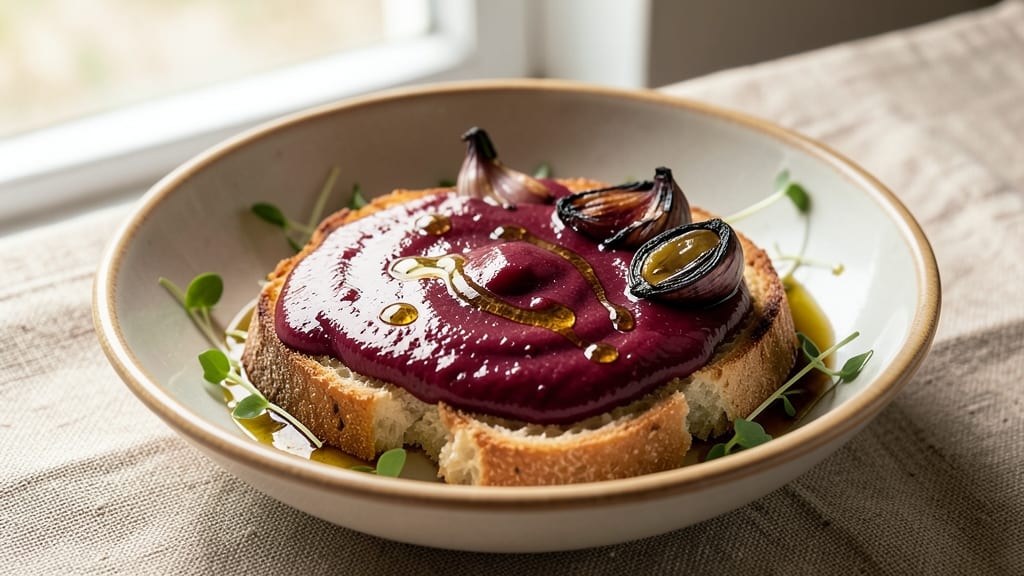
This vegan beetroot sauce recipe transforms humble roasted meats into something extraordinary—deep, earthy, and velvety smooth. 💛 The secret lies in blending cooked beetroot with tangy balsamic vinegar and a touch of garlic, creating a sauce that's rich without being heavy, sweet without being cloying.
I developed this recipe after years of experimenting with ways to elevate simple dishes, and it never fails to impress.
The beauty of this sauce is its versatility—it works as a dramatic drizzle over lamb chops, a bold dip for roasted vegetables, or even a vibrant addition to grain bowls.
What makes it special is the balance: the natural sweetness of beets pairs perfectly with the sharpness of balsamic, while a splash of lemon brightens the depth. The texture is unctuous yet light, clinging beautifully to whatever it graces.
What you'll achieve is a sauce that's restaurant-quality but requires just 10 minutes of prep and 15 minutes of simmering. The ingredients are simple—beets, balsamic, garlic, and a touch of olive oil—but the result is anything but ordinary.
It keeps beautifully in the fridge for up to a week, so you can make a batch ahead for effortless meal prep.
Pair it with roasted chicken, seared steak, or even as a dip for crudités. The possibilities are endless, but the execution is foolproof. Let's get started on this earthy, velvety drizzle that will change how you think about beetroot forever.
Ingredients for beetroot sauce
Simple ingredients that transform into a restaurant-quality earthy drizzle for roasted meats.
| Ingredient | Amount | Notes |
|---|---|---|
| Fresh Beetroot 🍠 | 1 ½ lb | Medium-sized, peeled and chopped |
| Balsamic Vinegar 🍷 | ½ cup | Aged 10+ years for depth |
| Fresh Garlic Cloves 🧄 | 4 cloves | Minced for aromatic base |
| Extra-Virgin Olive Oil 🫒 | ⅓ cup | High quality, fruity |
| Fresh Lemon Juice 🍋 | 2 tbsp | Brightens the sauce |
| Vegetable Broth 💧 | ½ cup | Low-sodium preferred |
| Maple Syrup 🍁 | 1 tbsp | Balances acidity |
| Fresh Thyme Leaves 🌿 | ¼ cup | Or 1 tsp dried thyme |
| Sea Salt 🧂 | 1 tsp | Diamond Crystal preferred |
| Freshly Ground Black Pepper 🌶️ | ½ tsp | Enhances depth |
The beetroot is the star here—organic beets from the store work fine, but farmers market varieties have more intense color. I always grab the medium-sized ones (about 1.5 lbs) because they're sweet and easy to peel. Trader Joe's has great pre-peeled ones if you're short on time, but roasting fresh gives the best flavor. The balsamic matters too—aged 10+ years adds that rich, complex depth you can't get from regular vinegar. Look for it in the gourmet section, not the cooking aisle.
No aged balsamic? Regular balsamic vinegar plus 1 tbsp brown sugar works in a pinch. Fresh thyme out of season? Dried thyme at one-third the amount gets you close, but fresh is ideal. The maple syrup balances the acidity—don't skip it unless you want a super-tangy sauce. For extra richness, add 1 tbsp nutritional yeast (it adds a cheesy depth without dairy). The lemon juice is key for brightness, so freshly squeezed is non-negotiable here—bottled won't cut it.
This sauce keeps beautifully for 1 week in the fridge, sealed in a jar with a thin layer of olive oil on top. For longer storage, freeze in ice cube trays—perfect for single-use portions. It actually improves overnight as the flavors meld. I like to make a big batch on Sundays so I have it ready for weeknight meals. The texture gets thicker when chilled, so just whisk in a splash of water or broth to loosen it up before serving.
Why You'll Love This Recipe
- No Chopping Needed: I roast the beets whole—just peel and slice after. That means zero prep mess, and the caramelized edges? Worth every second of waiting.
- Tangy Sweet Magic: The balsamic and lemon cut through the earthiness of the beets, while the garlic roasts into a nutty depth. It’s rich but bright—like a fancy dip that’s secretly lazy to make.
- Dresses Up Anything: Slather it on grilled chicken, dollop over pasta, or smear it on toast with goat cheese. Even my picky teen asks for it when I serve it with roasted potatoes.
- Leftovers That Last: This sauce keeps for a week in the fridge and only gets better as the flavors meld. I double the batch and freeze half—because why not save myself future stress?
Step-by-step instructions for earthy velvety beetroot sauce
Here's how to transform simple ingredients into a rich, velvety sauce that elevates any roasted meat.
🍳 Step 1: Roast the Beetroot Until Tender
Preheat your oven to 400°F and line a baking sheet with parchment paper. Spread the 1.5 lb fresh beetroot (chopped into 1-inch cubes) evenly across the sheet. Drizzle with 2 tablespoons of the extra-virgin olive oil and sprinkle with ½ teaspoon of the sea salt and ¼ teaspoon of the freshly ground black pepper.
Roast for 30-35 minutes until the beetroot is fork-tender and the edges are slightly caramelized. You'll know it's done when the beetroot gives way easily to a fork and has developed a deep, earthy aroma. Flip the pieces halfway through for even cooking.
👨🍳 Step 2: Build the Sauce Base with Aromatics
While the beetroot roasts, heat the remaining ⅓ cup extra-virgin olive oil in a large saucepan over medium heat. Add the 4 minced garlic cloves and sauté for 1-2 minutes until fragrant but not browned. Here's the thing—garlic burns fast, so keep an eye on it.
Stir in the ¼ cup fresh thyme leaves and cook for another 30 seconds until the thyme releases its piney aroma. Add the ½ cup vegetable broth and bring to a gentle simmer. The mixture should smell like a cozy forest—earthy, herbal, and inviting.
🥘 Step 3: Combine Roasted Beetroot and Simmer
Transfer the roasted beetroot to the saucepan with the aromatics. Stir in the ½ cup balsamic vinegar and 1 tablespoon maple syrup, scraping up any browned bits from the bottom of the pan. These bits pack serious flavor—don't miss them!
Bring the mixture to a gentle simmer over medium-low heat and let it cook uncovered for 15-20 minutes. You want the liquid to reduce by about half until the sauce thickens to a velvety consistency that coats the back of a spoon. Stir occasionally to prevent sticking.
🍋 Step 4: Finish with Brightness and Balance
Once the sauce has thickened, remove it from heat and stir in the 2 tablespoons fresh lemon juice. This brightens the deep, earthy flavors and cuts through the richness. Taste and adjust seasoning—you might need a pinch more sea salt or black pepper to balance the sweetness and acidity.
For the smoothest texture, use an immersion blender to purée the sauce until silky. If you don't have one, transfer it to a regular blender and blend until completely smooth, then return it to the saucepan. The final sauce should be vibrant, velvety, and ready to drizzle over your favorite roasted meats.
Pro Tips For Making Beetroot Sauce
- ROAST THE BEETS UNTIL SOFT: Peeling raw beets is a mess—roast them whole first. Wrap in foil with a splash of water, bake at 400°F (200°C) for 45-60 minutes until they give when squeezed. The skin slides off like magic, and the flavor’s richer than raw.
- PEEL COLD, NOT HOT: Let roasted beets cool for 10 minutes before peeling—hot beets steam and slip, making them impossible to handle. A quick rinse under cold water afterward removes any stubborn bits without wasting time.
- SIMMER THE BALSAMIC LOW: Reduce balsamic vinegar over low heat—high heat turns it bitter fast. Add the garlic and olive oil first, let them sizzle gently, then pour in the vinegar. Stir often and keep it at a bare simmer; patience here makes all the difference.
- SALT THE GARLIC: Mince the garlic cloves and toss them in a pinch of salt before adding to the oil. This draws out moisture, preventing them from burning and ensuring they infuse the sauce with flavor instead of turning acrid. (Yes, even if you’re impatient like me.)
Pro cooking tips for great beetroot sauce
Roasting Perfection
Roasting beets at 400°F for 30-35 minutes transforms them from earthy to intensely sweet and caramelized. I always use a cast-iron skillet for even heat distribution—it's worth the investment.
Flip the beets halfway to ensure even cooking, and don't skip the olive oil drizzle. This creates a barrier that prevents sticking and enhances browning. 🔥
Garlic Timing
Garlic burns faster than you think, so sauté those 4 minced cloves for just 1-2 minutes over medium heat. Watch closely—the moment they turn golden, remove them from the pan.
Overcooked garlic adds bitterness that ruins the delicate balance of this sauce. I keep a small bowl of ice water nearby for emergencies if I overdo it.
Sauce Reduction
The key to velvety texture is reducing the sauce by half over medium-low heat. Use a heavy-bottomed saucepan to prevent scorching. Stir occasionally and scrape up those flavorful browned bits—they're packed with umami goodness. If the sauce thickens too quickly, add 1-2 tablespoons water to maintain consistency.
Blending Secrets
For ultra-smooth results, an immersion blender is my go-to tool—it keeps everything contained and makes cleanup easier. If using a regular blender, work in batches and avoid overfilling.
After blending, return the sauce to the pan to reheat gently. The final texture should coat the back of a spoon like a luxurious drizzle. ✨
Flavor Adjustments
Taste as you go, especially after adding lemon juice. The sauce should balance sweet, tangy, and earthy flavors. Need more brightness? Add another ½ teaspoon lemon juice.
Too sweet? A splash of balsamic vinegar or pinch of salt helps. I keep a small bowl of each nearby for quick adjustments while cooking.
Storage Hacks
This sauce keeps beautifully in the fridge for 1 week in an airtight container. For longer storage, freeze in ice cube trays—perfect for single-use portions. The texture thickens when chilled, so whisk in 1 tablespoon water before serving.
I like to make a big batch on Sundays so it's ready for weeknight meals. 💫
Nutrition facts
Frequently asked questions
Can I use canned beets instead of fresh?
Yes, but with adjustments! Drain and rinse 1 (15 oz) can of beets and chop them into ½-inch cubes before using. You'll need to add 2 tablespoons extra balsamic vinegar and 1 tablespoon maple syrup to compensate for the lack of natural sweetness from roasting. Simmer the sauce for 10 minutes instead of 15 to avoid over-reducing.
How can I make this sauce spicier?
Add ½ teaspoon smoked paprika or ¼ teaspoon cayenne pepper when sautéing the garlic. For heat with depth, stir in 1 teaspoon harissa paste during the final simmer. If you prefer fresh heat, top with chopped jalapeño or red pepper flakes after blending. Always taste first—you can adjust, but you can't remove spice!
What are the best proteins to pair with this sauce?
This velvety sauce shines with grilled lamb chops, roasted chicken thighs, or pan-seared duck breast. For plant-based options, try it over mushroom Wellington, seitan steaks, or grilled eggplant slices. The earthy beets complement rich, fatty proteins perfectly while adding vibrant color to lighter dishes.
Why did my sauce turn out too sweet?
Too much maple syrup or undercooked beets are usually the culprits. Next time, reduce the maple syrup to ½ tablespoon and roast beets 5 minutes longer for deeper caramelization. Balance excess sweetness by adding 1 extra tablespoon balsamic vinegar or a pinch of salt. The acidity from lemon juice also helps cut through sweetness.
Can I make this sauce without a blender?
After simmering, use a potato masher or fork to break the beets into small pieces. For a smoother texture without blending, strain the sauce through a fine-mesh sieve to remove any remaining chunks. The result will be thicker and slightly chunkier but still delicious—perfect for drizzling over hearty dishes.