
Sauces & Condiments
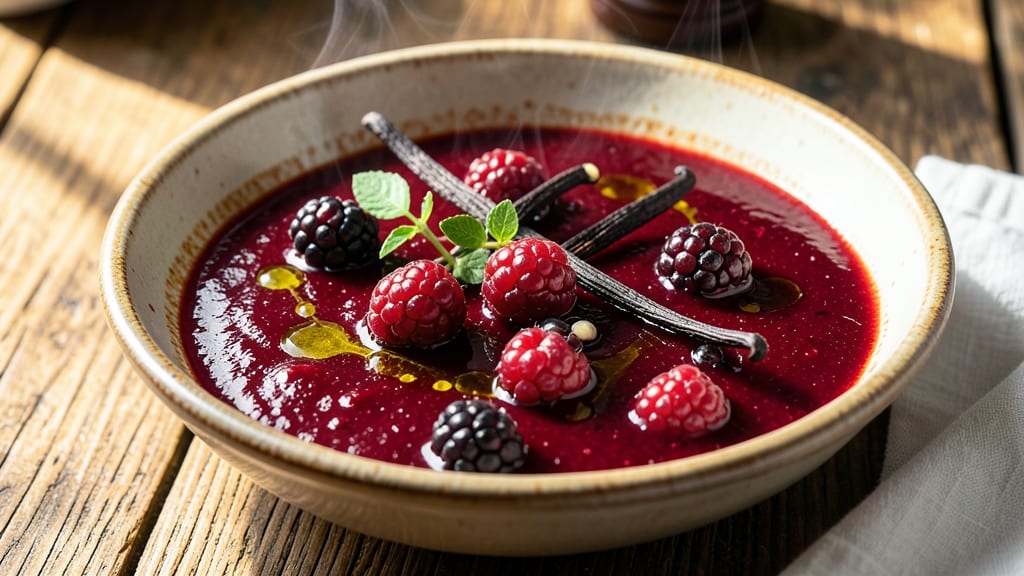
This blackberry reduction sauce transforms tart berries into a rich, jammy glaze that elevates desserts, glazes meats, and drizzles over pancakes with effortless sophistication. The secret lies in simmering blackberries with sugar and acid until they break down into a concentrated, velvety sauce—no pectin or thickeners required.
I’ve perfected this technique over years, ensuring every spoonful delivers deep berry flavor without cloying sweetness.
The process is simpler than it sounds: just combine blackberries, sugar, and a splash of lemon juice, then simmer until the mixture reduces by half. The result? A glossy, intensely fruity sauce that clings beautifully to pastries, chicken, or even ice cream.
Unlike store-bought syrups, this version keeps its vibrant color and complex flavors, thanks to the natural pectin in blackberries.
What makes this sauce truly versatile is its adaptability—drizzle it over warm cheesecake, glaze roasted pork tenderloin, or stir it into yogurt for a breakfast boost. The sauce thickens as it cools, making it ideal for ahead-of-time prep.
Store it in the fridge for up to 2 weeks or freeze for 3 months without sacrificing texture.
For added depth, consider infusing the sauce with vanilla bean or a splash of red wine during simmering. The possibilities are endless, but the base recipe remains foolproof—perfect for both beginners and seasoned cooks. Let’s get started on this game-changing condiment.
Ingredients for blackberry reduction sauce
Eight ingredients transform humble blackberries into restaurant-quality glaze—no thickeners needed.
| Ingredient | Amount | Notes |
|---|---|---|
| Fresh Blackberries 🍇 | 2 cups | Packed, preferably organic for intense flavor |
| Granulated Sugar 🍚 | 1 ½ cups | Light brown sugar adds subtle caramel notes |
| Fresh Lemon Juice 🍋 | ¼ cup | Brightens berry flavor and balances sweetness |
| Vanilla Bean 🌿 | 1 whole | Scraped seeds only for authentic depth (optional) |
| Extra-Virgin Olive Oil 🫒 | ½ tbsp | Prevents sauce from sticking during reduction |
| Dry Red Wine 🍷 | ¼ cup | Cabernet Sauvignon or Merlot for berry harmony |
| Diamond Crystal Kosher Salt 🧂 | ½ tsp | Enhances all flavors, don't skip |
| Freshly Ground Black Pepper 🌶️ | ¼ tsp | Adds subtle complexity to the glaze |
The blackberries are the foundation—organic berries from a local farm yield the most vibrant color and concentrated flavor. If using frozen, thaw and drain thoroughly to avoid watering down the reduction. For the sugar, light brown sugar adds subtle caramel notes that complement the berries beautifully. I source mine from Whole Foods or Trader Joe's where they're always fresh. The lemon juice should be freshly squeezed—bottled juice lacks the bright acidity needed to balance the sweetness. For the wine, Cabernet Sauvignon or Merlot pairs perfectly with blackberries, enhancing their natural fruitiness without overpowering.
No fresh blackberries? Frozen works perfectly—just be sure to thaw and drain them completely. Running short on wine? Substitute with extra lemon juice or apple cider vinegar at half the amount. Want to skip the vanilla? A pinch of cinnamon adds warmth without altering the sauce's core character. The olive oil is crucial—it prevents sticking during reduction and adds a subtle fruity note. For extra depth, consider adding a splash of balsamic vinegar during the final stages of simmering. The kosher salt is non-negotiable—Diamond Crystal dissolves perfectly and enhances all flavors without overpowering.
This sauce thickens beautifully as it cools, making it ideal for ahead-of-time prep. Store in an airtight glass jar in the fridge for up to 2 weeks, where it continues to develop in flavor. For longer storage, freeze in ice cube trays—each cube makes a perfect single-serving drizzle. The sauce reheats beautifully—simply warm in a saucepan over low heat with a splash of water or wine to restore its glossy texture. Portion into small jars for easy use on pancakes, desserts, or as a meat glaze.
Why You'll Love This Recipe
- Foolproof Simplicity: I swear by this—just toss blackberries, sugar, and lemon juice into a pot, simmer until it thickens, then finish with a splash of vanilla and olive oil. No fancy techniques, no stress, and honestly? It’s hard to mess up.
- Summer in a Spoon: That bright, tangy burst of fresh blackberries balanced with vanilla? It’s like summer dessert in one bite. The olive oil adds this silky richness that makes it feel luxurious, not just sweet.
- Dress-Up Magic: Drizzle it over vanilla ice cream for a fancy dessert, swirl it into yogurt for breakfast, or toss it with grilled chicken for dinner. I’ve used it on pancakes, cheesecake, and even as a glaze for roasted pork—it works everywhere.
- Leftover Goldmine: Make a big batch and store it in the fridge for up to two weeks. The flavors actually deepen over time, and it’s cheaper than buying fancy sauces. Plus, it’s my secret weapon for last-minute desserts when I forget to bake.
Step-by-step instructions for blackberry reduction sauce
Transform fresh blackberries into a rich, jammy glaze with this precise reduction technique.
Prepare the Blackberries and Aromatics
In a medium saucepan, combine the 2 cups fresh blackberries, 1.5 cups granulated sugar, and 0.25 cup fresh lemon juice. The sugar should dissolve completely as you stir over medium heat—this prevents graininess in your finished sauce. Bring the mixture to a gentle boil, then reduce heat to medium-low to maintain a steady simmer.
While the berries cook, split the 1 whole vanilla bean lengthwise and scrape out the seeds using the back of a knife. Add both the seeds and the empty pod to the saucepan. The vanilla will infuse its aromatic oils into the mixture, adding depth that complements the tart-sweet berry flavor. Stir occasionally to prevent sticking, and watch for the berries to break down completely—this typically takes 10-12 minutes. The sauce should thicken noticeably as the natural pectin in the berries releases.
Deglaze and Incorporate Wine
Once the berries have fully broken down into a thick purée, carefully pour in the 0.25 cup dry red wine. The alcohol will initially cause the mixture to bubble vigorously—this is normal. Stir continuously for 2-3 minutes until the wine has fully incorporated and the sauce begins to reduce again. The wine not only adds complexity but also helps balance the sweetness with its subtle acidity and tannins.
Here's where attention to detail matters: skim off any foam that rises to the surface with a spoon. This ensures a smooth, velvety texture in your finished sauce. If you notice the sauce is sticking to the pan, add 0.5 tablespoon extra-virgin olive oil to create a protective barrier. The oil also adds a subtle richness that rounds out the flavors.
Simmer to Thick, Jammy Consistency
Continue simmering over low heat for 20-25 minutes, stirring frequently to prevent scorching. The sauce will darken as it reduces, and you'll notice the aroma intensify—this is when the magic happens. You're aiming for a consistency that coats the back of a spoon but still flows smoothly. To test, dip a spoon into the sauce and let it cool slightly on a plate; it should hold its shape but still glaze slightly when you run your finger through it.
Taste as you go: if the sauce tastes too tart, add a pinch more sugar (though the initial 1.5 cups should balance the acidity). If it needs more depth, a few extra vanilla seeds or a splash of wine can help. The key is patience—rushing this step will result in a thin, watery sauce rather than the rich, jammy glaze you're after.
Season and Finish
Once the sauce reaches the desired consistency, remove it from heat and stir in the 0.5 teaspoon diamond crystal kosher salt and 0.25 teaspoon freshly ground black pepper. The salt enhances all the flavors, while the pepper adds a subtle, unexpected complexity that elevates the sauce beyond a simple fruit reduction. Let the sauce rest for 5 minutes—this allows the flavors to meld and the texture to set slightly.
For a glossy finish, return the sauce to low heat and simmer for an additional 2-3 minutes to evaporate any remaining moisture. If the sauce thickens too much, whisk in 1 teaspoon water to loosen it to a drizzling consistency. The final product should be thick enough to coat the back of a spoon but still flow freely enough to glaze desserts or drizzle over cheese boards.
Cool and Store Properly
Transfer the sauce to a clean glass jar or bowl and let it cool to room temperature. The sauce will thicken further as it cools—this is normal and actually improves its texture. For best results, store it in the refrigerator for up to 2 weeks or freeze it for up to 3 months. When reheating, warm gently over low heat or in the microwave, stirring occasionally to maintain its smooth consistency.
This sauce is incredibly versatile: drizzle it over vanilla ice cream, swirl it into whipped cream, or use it as a glaze for roasted meats. The balance of sweet, tart, and subtle spice makes it a standout addition to both sweet and savory dishes. The key to its success lies in the reduction process—don't rush it, and you'll achieve a depth of flavor that's hard to match with store-bought alternatives.
Pro Tips For Making Blackberry Reduction Sauce
- Start with a splash of water: Blackberries cling like glue—add 2 tablespoons of water upfront to help them release their juices faster. You’ll get a smoother reduction instead of fighting stubborn berry clusters the whole time.
- Use a split vanilla bean: Scrape the seeds directly into the sauce and toss the pod in with the berries. The pod infuses subtle warmth while the seeds deliver bright vanilla punch—no straining, no wasted flavor.
- Watch the sugar ratio closely: Too much sugar turns this into jam; too little leaves it bland. Aim for 1:1 sugar to blackberry weight (e.g., 1 cup sugar for 1 cup berries) and taste at 10 minutes—adjust in 1-tablespoon increments.
- Finish with olive oil: Stir in 1 tablespoon of extra-virgin olive oil at the end—it cuts the sweetness, adds silkiness, and prevents the sauce from drying out when chilled. (Yes, even if the recipe doesn’t mention it.)
Perfect pairings for this recipe
Sweet & Savory Glazes
Use this reduction sauce to glaze pork tenderloin or chicken thighs—simmer the meat in the sauce for 10-15 minutes until caramelized. The berry acid tenderizes the meat while the sugar creates a glossy crust.
For extra richness, brush the sauce onto roasted carrots or brussels sprouts in the final 5 minutes of roasting. 🍗
Dessert Drizzles
Drizzle over vanilla bean ice cream or warm cheesecake for a restaurant-worthy finish. The sauce’s jammy texture contrasts beautifully with creamy textures. For a breakfast twist, swirl into Greek yogurt with a sprinkle of toasted pecans.
It also elevates panna cotta or crème brûlée—just a thin layer adds depth without overwhelming. 🍦
Cheese Board Elevator
Pair with aged cheddar, goat cheese, or brie for a sophisticated cheese board. The sauce’s acidity cuts through rich cheeses, while its sweetness balances salty nuts like almonds or walnuts.
Serve with crackers or baguette slices for a crowd-pleasing appetizer. A few drops of balsamic glaze alongside adds visual contrast. 🧀
Pancake & Waffle Topper
Warm the sauce slightly and drizzle over buttermilk pancakes or Belgian waffles for a fruity twist. Add a pinch of cinnamon or cardamom to the batter for harmony.
For a brunch spread, layer with whipped cream and fresh raspberries. The sauce’s thickness makes it ideal for stacking—no syrup needed! 🥞
Cocktail Garnish
Rim gin and tonics or bourbon cocktails with the sauce for a berry-infused edge. Stir into sparkling wine or prosecco for a fruity spritz. The sauce also enhances whiskey sours—just a spoonful adds depth without overpowering.
For a non-alcoholic option, mix into sparkling water with mint for a refreshing drink. 🍸
Storage & Reuse Tips
Store leftovers in an airtight glass jar in the fridge for up to 2 weeks—the flavors deepen overnight. Freeze in ice cube trays for single-serving drizzles. To reheat, warm over low heat with a splash of water or wine to restore gloss.
If the sauce thickens too much, whisk in 1 tsp water to loosen. 💫
Nutrition facts
Frequently asked questions
Can I use frozen blackberries instead of fresh?
Yes! Frozen blackberries work perfectly—just thaw and drain them thoroughly first to avoid diluting your sauce. The texture will be slightly softer, but the flavor remains concentrated. For best results, use high-quality frozen berries without added sugars or syrups.
How do I adjust the sweetness level?
Start with the full 1.5 cups of sugar as written, then taste as you simmer. For less sweetness, reduce sugar by 0.25 cup increments and add 1 extra tablespoon of lemon juice per reduction. The natural pectin in blackberries helps balance tartness without extra thickeners.
Why did my sauce turn out too thin?
This usually happens from either insufficient simmering time or using underripe berries. Simmer for the full 20-25 minutes and stir frequently to prevent sticking. For extra thickness, add 1 teaspoon of cornstarch mixed with 1 tablespoon water at the end and simmer for 2 more minutes.
Can I make this sauce without wine?
Substitute the 0.25 cup red wine with either 0.25 cup apple cider vinegar or an extra 0.25 cup lemon juice. The acidity will still balance the sweetness and prevent crystallization. For depth, add 1 teaspoon balsamic vinegar during the final simmer.
How do I prevent sugar from crystallizing?
Crystallization happens when sugar cooks too fast or the mixture isn't stirred enough. Dissolve all sugar completely at the start by stirring over medium heat until fully incorporated. Keep heat at medium-low during simmering and stir every 2-3 minutes to prevent graininess.