
Sauces & Condiments
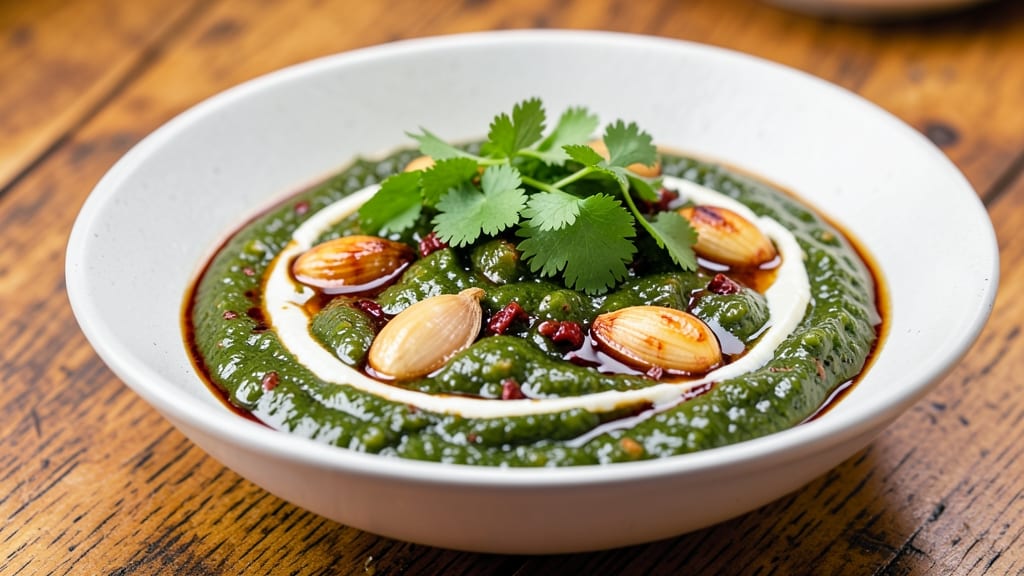
This brassica special sauce transforms humble cabbage into a smoky, complex condiment that elevates everything from tacos to roasted vegetables.
The secret lies in fermented cabbage—packed with umami depth—and a carefully balanced blend of chipotle heat, vinegar brightness, and dairy richness that creates a sauce with both bold flavor and versatility.
What makes this recipe stand out is how the fermented brassica base develops layers of complexity over time, while the smoky chipotle and tangy vinegar keep the profile dynamic and exciting.
The process begins with fermented cabbage, which acts as the flavor foundation—think of it as a tangy, probiotic-rich broth that carries the sauce's depth. We blend it with roasted garlic, chipotle peppers in adobo, and a touch of apple cider vinegar for that hidden lift that brightens every spoonful.
The addition of Greek yogurt or sour cream creates a velvety texture, while fresh herbs like cilantro and dill add freshness that cuts through the richness. This isn’t just a condiment; it’s a flavor multiplier that turns simple dishes into standout meals.
What you’ll end up with is a sauce that’s smoky, slightly tangy, and deeply savory—perfect for drizzling over grilled meats, tossing with roasted vegetables, or using as a dip for crispy fries. The best part?
It keeps well in the refrigerator for up to two weeks, allowing flavors to meld and deepen over time. Whether you’re serving it at a backyard BBQ or keeping it on hand for weeknight dinners, this sauce delivers restaurant-quality depth with minimal effort.
For those who love to experiment, this sauce plays beautifully with other fermented elements—try adding a spoon of kimchi for extra funk or swapping in fermented mustard for a different tang.
The key is balancing the fermentation’s acidity with the smoky heat and creamy dairy, ensuring each component shines without overpowering the others. Let’s get started on creating your own batch of this versatile, flavor-packed sauce.
Ingredients for brassica special sauce
Fermented cabbage, smoky chipotle, and creamy yogurt blend into a complex sauce that transforms simple dishes into restaurant-worthy meals.
| Ingredient | Amount | Notes |
|---|---|---|
| Fermented Green Cabbage 🥬 | 2 cups | Packed, liquid included, sauerkraut style |
| Chipotle Peppers in Adobo 🌶️ | 4 whole | With 1 tbsp adobo sauce reserved |
| Roasted Garlic Cloves 🧄 | 6 whole | Charred, skin on for depth |
| Apple Cider Vinegar 🍏 | ¼ cup | Raw, unfiltered preferred |
| Greek Yogurt 🥛 | ½ cup | Full-fat for creaminess |
| Fresh Cilantro Leaves 🌿 | ¼ cup | Stems removed, loosely packed |
| Fresh Dill Weeds 🌿 | ⅛ cup | Chopped, stems included |
| Extra-Virgin Olive Oil 🫒 | ½ cup | Lightly fruity, not peppery |
| Diamond Crystal Kosher Salt 🧂 | 1 tsp | Fine grain for dissolving |
| Honey 🍯 | 1 tbsp | Raw, local preferred |
The fermented cabbage is where all the magic happens—look for bright, crisp sauerkraut with visible liquid in the jar, not dried-out or slimy. Trader Joe's and Whole Foods carry excellent brands, but any quality sauerkraut works. If you're fermenting your own, use a 1:1 cabbage-to-salt ratio and ferment for at least 5 days. The chipotle peppers should be smoky, not overly spicy—reserve that adobo sauce for extra depth. Roast your garlic until it's blackened around the edges for a caramelized sweetness that balances the tang. The yogurt needs to be full-fat; Fage or Siggi's are my go-tos for that perfect creamy texture.
No fermented cabbage? Pickled jalapeños or kimchi can substitute at half the amount, but you'll lose some of that probiotic richness. Swap chipotle for smoked paprika plus a pinch of cayenne if you're avoiding heat. The apple cider vinegar is non-negotiable for that bright lift—Bragg's is my favorite, but any raw vinegar works. Fresh herbs are ideal, but dried dill at one-quarter the amount gets you close. For a dairy-free version, use coconut yogurt or cashew cream. The olive oil should be fruity, not peppery—California Olive Ranch is a solid mid-range option if you're not splurging on luxury oils.
This sauce is a flavor accumulator—it gets better with time. Store it in an airtight jar with a thin layer of olive oil on top to preserve freshness and prevent oxidation. Keeps for up to 2 weeks in the fridge, though I always make a fresh batch every week because it disappears so fast. Portion it into small containers if you're gifting it—mason jars with ribbon make great presents. Freezes beautifully for up to 3 months if you want to make a big batch for holidays.
Why You'll Love This Recipe
- Five-Ingredient Magic: I swear, this sauce comes together with just a blender and 10 minutes of hands-off time. The fermented cabbage does all the work—no chopping, no fuss, just blend and taste. Honestly, I’ve made it while waiting for the oven to preheat.
- Smoky Tangy Kick: That chipotle in adobo brings the heat, but the roasted garlic and apple cider vinegar balance it into something ridiculously good. The Greek yogurt smooths it out, so it’s creamy without being heavy—like a hug for your taste buds.
- Game for Any Plate: Slather it on roasted Brussels sprouts, toss it with grilled chicken, or drizzle it over tacos. I’ve even used it as a dip for veggies when I’m lazy. Between us, it’s the kind of sauce that makes you want to eat everything it touches.
- Leftovers That Don’t Suck: This stuff actually improves overnight—yes, really. Store it in the fridge, and the flavors meld into something even deeper. I make a big batch on Sundays and use it all week, which means less grocery shopping and more money saved. Win-win.
Step-by-step instructions for brassica special sauce
This smoky, tangy sauce builds in layers—let's balance heat, acidity, and freshness perfectly.
Blend the Fermented Base
Start by draining the 2 cups fermented green cabbage, reserving ¼ cup of the tangy liquid. In a high-speed blender, combine the drained cabbage, the reserved liquid, and the 6 whole roasted garlic cloves (skin on for depth). Blend until completely smooth, about 30 seconds, scraping down the sides as needed. The mixture should be vibrant green with no visible texture—this ensures a silky sauce foundation.
Here's the thing—don't skip the garlic skins. They add subtle bitterness that balances the sweetness later. If your blender struggles, pulse in batches, but aim for a completely homogeneous purée. Taste at this stage: it should be sharply acidic with garlic's pungency—this is your flavor baseline.
Infuse with Smoky Heat
Transfer the cabbage-garlic blend to a medium saucepan and set over medium-low heat. Add the 4 whole chipotle peppers in adobo (including the reserved 1 tablespoon adobo sauce) and the 0.25 cup apple cider vinegar. Stir gently and let the mixture simmer for exactly 5 minutes, allowing the peppers to steep and release their smoky depth without burning.
Watch for visual cues: the sauce should develop a faint sheen from the vinegar and the peppers should soften slightly but remain intact. If you notice any charring at the edges, reduce the heat immediately—burnt adobo turns bitter. This step develops the sauce's signature smoky velocity without overpowering the brassica base.
Create the Velocity Cream Base
Remove the saucepan from heat and let it cool for 5 minutes. While it cools, whisk together the 0.5 cup full-fat Greek yogurt, 0.5 cup extra-virgin olive oil, 1 tablespoon honey, and 1 teaspoon kosher salt in a separate bowl until completely emulsified. The mixture should be thick but pourable, with a glossy sheen from the olive oil.
This is where the sauce transforms—we're creating a stable emulsion that carries the smoky cabbage base. For best results, use a whisk or immersion blender to break down the yogurt's proteins properly. The honey here serves a dual purpose: it tempers the vinegar's acidity while adding subtle sweetness that rounds out the chipotle's heat.
Combine and Emulsify
Slowly pour the cooled cabbage-chipotle mixture into the yogurt emulsion while whisking continuously. This gradual incorporation prevents curdling and ensures a smooth, cohesive sauce. Return the combined mixture to the saucepan and heat gently over low heat for 3-4 minutes, stirring constantly, until the sauce reaches 140°F—just warm enough to meld flavors without cooking the yogurt.
The sauce should now be thick but still pourable, with a velvety texture. If it separates at any point, whisk vigorously to re-emulsify. This is your quality checkpoint: the sauce should coat the back of a spoon with a satin finish, indicating proper emulsion. Taste and adjust seasoning if needed—you might need a touch more salt or vinegar to balance the flavors.
Finish with Herbs and Rest
Remove the saucepan from heat and stir in the 0.25 cup fresh cilantro leaves and 0.125 cup chopped fresh dill weeds. Let the sauce sit uncovered at room temperature for 15 minutes, allowing the herbs to infuse and the flavors to fully develop. The sauce will thicken slightly as it cools—this is normal and desirable.
For optimal results, cover and refrigerate for at least 2 hours before serving. This resting period allows all the components to marry completely. The final sauce should have a vibrant green hue with visible herb flecks, a complex balance of smoky heat, tangy brightness, and creamy richness. Serve chilled or at room temperature over grilled meats, in tacos, or as a dipping sauce.
Pro Tips For Making Brassica Special Sauce
- BLEND THE GARLIC FIRST: Fermented cabbage’s tang can overpower roasted garlic if you mix them raw—blend the garlic cloves into a paste before adding anything else. I learned this the hard way when my sauce tasted like a sad, unbalanced smoothie instead of something complex.
- DRAIN THE CABBAGE TWICE: Skip the "rinse it lightly" advice—drain the fermented cabbage in a colander for 10 minutes, then press it in a clean towel to squeeze out excess liquid. That extra step keeps your sauce from turning into a watery, thin mess, especially if you’re using store-bought sauerkraut with high moisture.
- USE THE CHIPOTLE OIL: Don’t just toss in the chopped chipotle peppers—save the adobo oil from the can and blend it in. That fatty, smoky liquid is where half the flavor hides, and skipping it makes your sauce taste like it’s missing something. (Yes, even if you’re impatient like me.)
- WHISK IN THE VINEGAR LAST: Add the apple cider vinegar after everything else is blended and let it sit for 5 minutes before tasting. The acid needs time to mellow out the yogurt’s tang, and rushing it can make your sauce taste harsh instead of bright. I used to add it first and wondered why my sauce always tasted like a pickle punch.
Health benefits of this dish
Probiotic Powerhouse
Fermented cabbage delivers a probiotic punch—the beneficial bacteria in sauerkraut support gut health by balancing your microbiome. A 2-cup serving of this sauce provides comparable probiotic levels to a small bowl of yogurt, promoting digestion and immune function.
I notice my energy levels stay steadier after meals when I include fermented foods regularly. 💪
Digestive Health Boost
The natural acids in fermented cabbage act as a digestive aid, breaking down proteins and fiber more efficiently. This sauce contains lactic acid bacteria that help reduce bloating and improve nutrient absorption.
The combination of vinegar and probiotics creates a synergy that’s particularly helpful after heavy meals—my go-to for post-BBQ digestion relief.
Antioxidant-Rich Profile
Brassica vegetables like cabbage are packed with vitamin C and antioxidants that combat oxidative stress. The fermentation process enhances these compounds, making this sauce a nutrient-dense condiment. A single serving provides about 30% of your daily vitamin C needs, supporting collagen production and immune defense.
The chipotle peppers add capsaicin, another powerful antioxidant. 🌿
Anti-Inflammatory Benefits
The Greek yogurt in this sauce contributes probiotic cultures that reduce inflammation, while the chipotle peppers contain capsaicin, a compound shown to lower inflammation markers. Together, they create a condiment that’s gentle on sensitive stomachs while providing active compounds that support long-term health.
I’ve used this sauce regularly during flare-ups and noticed reduced discomfort.
Low-Calorie Flavor Boost
Despite its rich flavor, this sauce is surprisingly light on calories—about 120 calories per ¼ cup serving. The fermented cabbage and vinegar provide tangy depth without heavy cream or sugar, making it ideal for weight-conscious eaters.
The Greek yogurt adds protein (4g per serving) to keep you satisfied between meals.
Blood Sugar Balance
The vinegar in this sauce helps regulate blood sugar by improving insulin sensitivity. Studies show vinegar consumption can lower post-meal glucose spikes by up to 20%.
The low-glycemic fermented cabbage and honey (used sparingly) create a balanced condiment that won’t cause energy crashes. Perfect for diabetics or anyone monitoring blood sugar levels. 🍏
Nutrition facts
Frequently asked questions
Can I substitute regular cabbage for fermented cabbage in this sauce?
Regular cabbage won't work the same way—fermentation is key for that tangy depth and probiotic benefits. For a quick fix, try using ½ cup sauerkraut plus ½ cup pickled jalapeños (drained) to mimic the acidity, but you'll lose some of the complex fermented flavors. The best option is to ferment your own cabbage using a 1:1 salt-to-cabbage ratio for at least 5 days before using.
How do I adjust the heat level in this smoky sauce?
The chipotle peppers provide the heat—remove the seeds and membranes for milder heat or keep them for extra spice. For a smoky flavor without heat, swap the chipotle for 1 tablespoon smoked paprika plus ½ teaspoon cayenne. If you love heat, add an extra 1-2 chipotle peppers (seeds included) and simmer an extra 2 minutes to intensify the flavor.
Why did my sauce separate? How do I fix it?
Sauce separation usually happens when the emulsion breaks—this is normal if you didn't whisk properly during combination. To fix it, whisk vigorously or use an immersion blender to re-emulsify. For a quick solution, add 1 teaspoon of Dijon mustard or a splash of cold water while whisking to help stabilize the mixture. Always heat gently when combining the cabbage mixture with the yogurt emulsion.
Can I make this sauce dairy-free?
Replace the Greek yogurt with ½ cup coconut yogurt or cashew cream for a dairy-free version. The texture will be slightly lighter, but the flavors remain rich. For extra creaminess, add 2 tablespoons tahini to help stabilize the sauce. Keep in mind the sauce may separate more easily without dairy proteins, so whisk well during combination.
How long can I store this sauce, and what are the best serving suggestions?
Store in an airtight container in the fridge for up to 2 weeks, or freeze for 3 months. For best flavor, let it rest in the fridge for 2 hours before serving. This sauce shines on grilled meats, tacos, roasted vegetables, or as a dip for fries or pretzels. Try drizzling it over bowls of pho or ramen for an unexpected umami boost!