
Sauces & Condiments
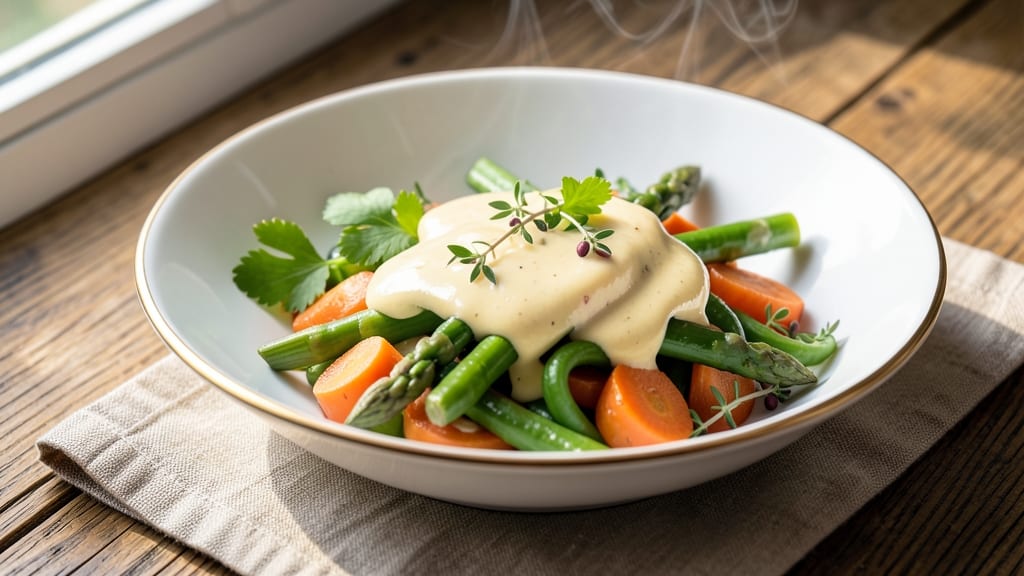
This butter sauce recipe for vegetables transforms simple roasted greens into a restaurant-worthy dish with just five ingredients and 10 minutes of hands-on time.
The secret lies in balancing rich butter with tangy lemon and fresh herbs, creating a velvety drizzle that clings perfectly to asparagus, Brussels sprouts, or green beans. I developed this recipe after realizing how often store-bought sauces fell short of homemade quality—this version delivers depth without overpowering delicate vegetables.
The magic happens when you whisk melted butter with lemon juice and cream over gentle heat, allowing the sauce to thicken just enough to coat without breaking. Fresh herbs like thyme or parsley add aromatic brightness, while a pinch of salt enhances all the flavors.
What makes this sauce truly special is its versatility—it works equally well on roasted, steamed, or even raw vegetables, elevating any side dish to main-course status.
What you'll end up with is a smooth, golden sauce that drizzles beautifully over vegetables, adding richness and a touch of elegance. The lemon keeps it from becoming too heavy, while the herbs provide freshness that cuts through the butter's richness.
This sauce is perfect for weeknight dinners when you want to impress without spending hours in the kitchen.
Once you try this butter sauce, you'll never go back to bottled versions again. It's the kind of simple yet sophisticated technique that makes home cooking feel like a gourmet experience. Ready to transform your vegetables? Let's get started with this foolproof recipe.
Ingredients for butter sauce recipe for vegetables
Five simple ingredients create this velvety butter sauce that turns ordinary vegetables into something extraordinary.
| Ingredient | Amount | Notes |
|---|---|---|
| Unsalted Butter 🧈 | ¾ cup | Cold, cut into tablespoons |
| Heavy Cream 🥛 | ½ cup | Full-fat for best texture |
| Fresh Lemon Juice 🍋 | 2 tbsp | Freshly squeezed, strained |
| Fresh Thyme Leaves 🌿 | 1 tbsp | Or 1 tsp dried thyme |
| Diamond Crystal Kosher Salt 🧂 | ¼ tsp | Adjust to taste |
| Fresh Parsley Leaves 🌿 | 2 tbsp | Chopped, for garnish |
The butter is the star here—European-style unsalted butter (like Plugrá or Land O'Lakes) melts more smoothly and has better flavor. Grab a stick from the dairy section, not the tub margarine. Heavy cream should be full-fat—none of that light stuff. I always buy a pint at Whole Foods or Trader Joe's since it keeps well. Fresh thyme and parsley make all the difference—grab bunches from the grocery store's produce section and strip the leaves off the stems yourself. The lemon juice should be freshly squeezed (the bottled stuff tastes like vinegar).
No heavy cream? Half-and-half works in a pinch, but the sauce won't be as rich. Short on butter? Olive oil at half the amount keeps it vegan-friendly. Dried thyme is fine if you don't have fresh—just use one-third the amount. The salt is crucial—Diamond Crystal kosher dissolves better than table salt. Want extra brightness? Add a pinch of white pepper. For a smoky twist, swap half the butter for smoked butter (like Smoked Gouda butter).
This sauce keeps for 3 days in the fridge, covered with plastic wrap pressed right on top to prevent a skin. Reheat gently over low heat, stirring constantly—it thickens as it cools. For best results, reheat only what you need. Freezes beautifully for up to 3 months—portion into ice cube trays for single servings. I always make extra because it disappears faster than you'd think.
Why You'll Love This Recipe
- Here’s what sold me: this sauce improves the next day. The flavors meld even better, and it reheats like a dream—just a quick warm on the stove with a splash of water or milk. I keep a jar in the fridge for emergencies, and it’s my secret weapon for turning limp veggies into something worth eating. Budget-friendly? Absolutely. Versatile? You bet.
- Five-Ingredient Magic: I swear, this sauce is the kind of recipe that makes me feel like a chef without the fuss. Just butter, cream, lemon, thyme, and salt—no fancy techniques, no last-minute grocery runs. The heavy cream and butter melt together in minutes, while the lemon brightens everything up like a fresh breeze.
- Velvet Creamy Luxe: That first spoonful? Pure satisfaction. The butter and cream create this impossibly smooth, almost velvety texture, but the lemon and thyme keep it from being too heavy. It’s rich without feeling indulgent—honestly, it’s the kind of sauce that makes even the simplest green beans taste like a restaurant dish.
- Weeknight to Dinner Party: Between us, this sauce works for everything. Roasted Brussels sprouts? Drizzled. Steamed asparagus? Covered. Even a quick sautéed zucchini gets a glow-up. And the best part? It’s just as welcome on a tired Tuesday as it is when company’s over—no one will guess it took me five minutes to make.
Step-by-step instructions for rich velvety butter sauce
This sauce transforms simple vegetables into a luxurious dish with minimal effort.
Melt the Butter and Infuse the Flavor
Place the 0.75 cup unsalted butter (cold and cut into tablespoons) in a medium saucepan over medium-low heat. Let it melt slowly, stirring occasionally with a wooden spoon. I like to keep the heat gentle here—this prevents the butter from browning and ensures a smooth, velvety texture.
Once the butter is fully melted but still slightly warm to the touch, add the 1 tablespoon fresh thyme leaves. Let the thyme steep in the butter for 1-2 minutes until the aroma fills your kitchen. This step infuses the butter with deep, earthy flavor that will carry through the entire sauce. Don't rush it; patience here makes all the difference.
Add Cream and Lemon Juice
Reduce the heat to low and pour in the 0.5 cup heavy cream. Stir gently to combine, then add the 2 tablespoons fresh lemon juice. The lemon brightens the richness of the butter and cream, creating a perfect balance of flavors. You'll see small bubbles forming as the mixture begins to warm through.
Let the sauce simmer gently for 3-4 minutes, stirring occasionally. You're looking for a slight thickening—it should coat the back of a spoon but still move smoothly. If it thickens too quickly, reduce the heat further or remove the pan from the heat for a moment. This sauce should be silky, not gluey.
Season and Finish
Taste the sauce and adjust the seasoning with the 0.25 teaspoon diamond crystal kosher salt. Remember, the vegetables you're drizzling this over will contribute their own flavor, so don't over-salt at this stage. The sauce should taste rich, slightly tangy, and perfectly balanced.
Remove the saucepan from heat and let it rest for 1 minute. This brief pause allows the flavors to meld completely. Skim off any excess thyme leaves that have floated to the surface—you want a smooth, elegant finish. The sauce is now ready to transform your roasted vegetables into something extraordinary.
Serve Warm Over Vegetables
Transfer the sauce to a small bowl or pitcher, then drizzle generously over your roasted or steamed vegetables. I like to finish with a sprinkle of 2 tablespoons chopped fresh parsley leaves for a pop of color and freshness. The contrast between the warm, velvety sauce and the vibrant greens creates a dish that's both comforting and elegant.
Serve immediately while the sauce is still warm. The vegetables will absorb the rich flavors beautifully, and every bite will be infused with that perfect balance of buttery richness, bright lemon, and aromatic thyme. This sauce works equally well over asparagus, Brussels sprouts, or even roasted carrots—just make sure your vegetables are cooked to tender perfection first.
Pro Tips For Making Butter Sauce Recipe For Vegetables
- Melt Butter Slowly: Start with cold butter—yes, even if you’re eager to get cooking. Cut it into small cubes and let it melt gradually over medium-low heat, stirring constantly. I learned this the hard way: rushing it with high heat burns the butter before the cream even warms up, and you end up with a bitter, grainy sauce instead of something velvety.
- Strain the Thyme: Don’t just toss in whole thyme sprigs and hope for the best. Bruise the leaves between your fingers or lightly crush them with the flat of a knife before adding them to the sauce—this releases more flavor. Then, strain the finished sauce through a fine-mesh sieve to keep it silky smooth. (Yes, it’s an extra step, but your sauce will taste like it came from a restaurant.)
- Balance the Acid: Add the lemon juice last, and taste as you go. Heavy cream and butter are rich, so a little acid brightens the sauce—but too much will curdle it. Start with 1 teaspoon, stir, then adjust. Pro move: If the sauce looks too thin after adding lemon, whisk in a pat of cold butter to thicken it back up.
- Salt in Stages: Don’t dump all the kosher salt in at once—especially if you’re using unsalted butter. Taste the sauce after combining butter and cream, then add salt in small pinches (about ¼ teaspoon at a time). The lemon juice and thyme will need balancing, and you’ll thank yourself later when the flavor isn’t overwhelming. (And no, you can’t “fix” an oversalted sauce—trust me.)
Best sauces and condiments for this recipe
Classic Herb Variations
Swap thyme for 1 tbsp fresh rosemary (finely chopped) for a piney, aromatic twist that pairs beautifully with roasted root vegetables like carrots and parsnips. For a Mediterranean flair, use 1 tbsp fresh oregano—it adds a slightly bitter, earthy note that complements zucchini or eggplant.
I love this variation with grilled asparagus—the oregano stands up to the charred edges. 🌿
Citrus Brighteners
Lemon juice is my go-to, but orange zest (from 1 small orange) adds a sweeter, floral brightness that works wonderfully with roasted sweet potatoes or butternut squash. For a tangier kick, try 1 tbsp lime juice—it cuts through the richness perfectly when drizzled over sautéed green beans.
I keep a small bowl of zest on hand year-round for quick flavor boosts. 🍊
Creamy Substitutes
Heavy cream is ideal, but Greek yogurt (½ cup, warmed) creates a lighter, tangier sauce that pairs well with steamed broccoli or cauliflower. For a vegan option, replace the cream with ½ cup coconut milk—it adds a subtle tropical note that surprises in the best way.
I’ve also used silken tofu (blended with ¼ cup water) for a protein-packed version that works over stir-fried veggies. 🥛
Smoky & Spiced Twists
Add ½ tsp smoked paprika to the butter before melting for a subtle smokiness that elevates roasted Brussels sprouts or collard greens. For warmth, stir in ¼ tsp ground cinnamon—it’s a secret ingredient in many Southern vegetable dishes.
I also love a pinch of cayenne pepper (⅛ tsp) for a gentle heat that lingers beautifully over roasted bell peppers. 🔥
Nutty & Toasted Add-Ins
Toast 1 tbsp chopped walnuts or pecans in the butter before adding cream for a nutty crunch that contrasts perfectly with tender roasted vegetables. For extra depth, stir in 1 tsp miso paste after removing from heat—it adds umami that pairs well with steamed bok choy or stir-fried cabbage.
I often keep toasted nuts on hand for quick garnishes. 🌰
Cheesy Elevations
Stir in 2 tbsp grated Parmesan at the end for a salty, umami-rich finish that clings to roasted cauliflower or broccoli. For a creamier version, replace half the butter with 2 tbsp mascarpone cheese—it melts into a luxurious texture that feels indulgent.
I’ve also used feta crumbles (2 tbsp) for a briny contrast with roasted zucchini or eggplant. 🧀
Nutrition facts
Frequently asked questions
Can I make this butter sauce without heavy cream?
Yes! For a lighter version, replace the 0.5 cup heavy cream with 0.5 cup whole milk—it’ll be thinner but still delicious. For extra richness, try 0.3 cup cream + 0.2 cup milk. The sauce will coat vegetables beautifully while keeping a lighter texture.
How do I prevent the sauce from separating?
Keep the heat low and stir constantly while simmering. If it starts to curdle, immediately remove from heat and whisk vigorously. For extra stability, whisk in 1 tsp cornstarch mixed with 1 tbsp cold water at the end. The sauce should thicken smoothly without breaking.
What vegetables pair best with this sauce?
This butter sauce shines over roasted Brussels sprouts, grilled asparagus, or steamed green beans. It also works beautifully with roasted carrots, butternut squash, and even sautéed mushrooms. The creamy texture contrasts perfectly with tender, caramelized vegetables.
Can I make this sauce ahead of time?
Store it in an airtight container in the fridge for 3 days. Reheat gently over low heat, stirring constantly to prevent separation. For longer storage, freeze in ice cube trays—thaw overnight in the fridge before reheating. The flavors develop beautifully over time!
Why does my sauce taste too rich?
Too much butter or cream can make the sauce overwhelming. Balance it by adding 1 extra tbsp lemon juice or 1 tsp fresh herbs (like parsley or tarragon). For a lighter finish, drizzle with 1 tsp olive oil before serving. The acidity and freshness cut through the richness perfectly.