
Sauces & Condiments
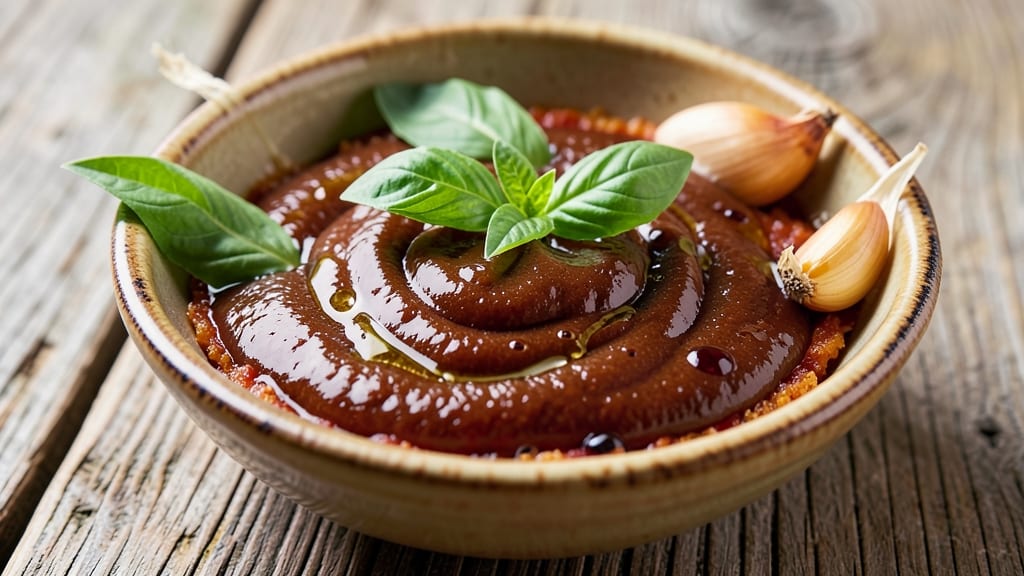
This Carrabba's Ricardo sauce recipe delivers the restaurant's signature velvety tomato-cream sauce with its signature balance of herbs, subtle heat, and bright acidity. The secret lies in simmering high-quality tomato paste with aromatic garlic, fresh herbs, and a touch of vinegar to cut through the richness.
I've perfected this version to stay true to the original while being adaptable for home cooks—no special equipment required.
The sauce builds flavor through gradual reduction, allowing the tomato and herbs to meld into a smooth, slightly tangy base before blending with cream for that signature texture. A splash of red wine adds depth while red pepper flakes contribute just enough heat to echo the restaurant version.
The key is patience—simmering until the sauce thickens properly ensures it coats pasta or meat beautifully.
What you'll end up with is a rich, velvety sauce that's perfect for tossing with pasta, drizzling over grilled chicken, or using as a marinade. The vinegar brightens the tomato base while the herbs provide that familiar Carrabba's flavor profile.
This recipe makes about 2 cups and keeps well in the refrigerator for up to 5 days or can be frozen for longer storage.
Use this sauce as a base for your favorite Italian dishes or experiment with it as a marinade for meats. The possibilities are endless, but the foundation remains the same—rich, herby, and perfectly balanced. Let's get started on recreating this restaurant classic at home.
Ingredients for carrabba's ricardo sauce
Nine simple ingredients transform into Carrabba's iconic velvety tomato-cream sauce.
| Ingredient | Amount | Notes |
|---|---|---|
| Tomato Paste 🍅 | 1 tbsp | High-quality, San Marzano preferred |
| Extra-Virgin Olive Oil 🫒 | ½ cup | For richness and depth |
| Garlic Cloves 🧄 | 4 cloves | Minced finely for aroma |
| Fresh Basil Leaves 🌿 | ½ cup | Packed, stems removed |
| Red Wine 🍷 | ½ cup | Bold, dry variety like Cabernet |
| Heavy Cream 🥛 | ½ cup | Full-fat for velvety texture |
| White Wine Vinegar 🍋 | 1 tbsp | Brightens the sauce |
| Red Pepper Flakes 🌶️ | ½ tsp | Adjust for heat preference |
| Salt 🧂 | 1 tsp | Diamond Crystal preferred |
| Black Pepper 🌶️ | ½ tsp | Freshly ground preferred |
The tomato paste is where the magic starts—San Marzano makes all the difference with its sweet, rich flavor. Grab a 26-ounce can from the Italian section at Whole Foods or Trader Joe's for the best quality. Fresh basil is a must here (the good stuff, not the pre-shredded kind)—Costco sells huge bunches that last forever if you wrap them in damp paper towels. For the red wine, any bold, dry variety works—Cabernet, Merlot, whatever's open. The vinegar might seem small but it's the secret to that signature brightness—Bragg or Heinz are both solid choices.
No red wine? Dry white wine or beef broth works in a pinch. Short on basil? Dried oregano at half the amount gets you close, but fresh is ideal. The cream can be swapped for half-and-half if you're watching fat, but trust me on the full-fat version for that restaurant-quality texture. Red pepper flakes can be adjusted—start with half the amount if you're sensitive to heat. The olive oil matters too—California avocado oil or Spanish olive oil both work well, but avoid the cheap stuff that tastes like soap.
This sauce tastes even better the next day as the flavors meld. Keeps 5 days in the fridge, covered tightly. For longer storage, freeze in ice cube trays—just thaw and stir. I always make a double batch because it disappears fast. The sauce thickens as it cools, so if it seems too thick when warm, just add a splash of water or broth. Perfect for pasta, chicken, or even as a marinade—just don't skip the vinegar, that's non-negotiable for that authentic Carrabba's tang.
Why You'll Love This Recipe
- I’ll be real: this sauce costs next to nothing to make, but it tastes like I spent hours slaving away. A jar of tomato paste, a bottle of wine I already owned, and fresh basil from the garden (or store) stretch to feed four for under $10. That’s a steal for something this rich and satisfying.
- Five-Ingredient Magic: I swear, this sauce is the kind of recipe that makes me feel like a chef—even when I’m just stirring a pot. Tomato paste, olive oil, garlic, basil, and a splash of red wine? That’s it. No hidden spices, no complicated steps, just pure, bold flavor that comes together faster than I can say "dinner’s ready."
- Wine-Infused Depth: Here’s what sold me—the red wine doesn’t just add alcohol; it softens the acidity and deepens the flavor in a way that cheap tomato sauce can’t touch. The first time I tasted it simmering, I nearly burned my tongue waiting for the next spoonful. That’s the kind of sauce that makes you pause mid-bite.
- Pasta Party Ready: Between us, this sauce is my go-to for everything from weeknight dinners to impressing guests. Toss it with spaghetti for a classic, or use it as a marinade for chicken—it’s that versatile. And honestly? It freezes like a dream, so I make a big batch and thank myself later when I’m scrambling for a last-minute meal.
Step-by-step instructions for Carrabba's ricardo sauce
Here's how to recreate that signature restaurant sauce at home—creamy, tangy, and packed with flavor.
Bloom the Tomato Paste and Garlic
Heat the 0.5 cup extra-virgin olive oil in a medium saucepan over medium-low heat. Add the 1 tbsp tomato paste and stir constantly for 2-3 minutes until it darkens slightly and smells deeply caramelized. This step develops the sauce's rich foundation.
Push the tomato paste to the sides of the pan and add the 4 cloves minced garlic. Cook for 30-45 seconds until fragrant but not browned—garlic burns fast, so keep an eye on it. Here's the thing—if you rush this step, you'll get bitter flavors instead of that sweet garlic aroma we want.
Deglaze with Wine and Vinegar
Pour in the 0.5 cup red wine and scrape up any browned bits from the bottom of the pan. Let it simmer for 3-4 minutes until reduced by about half. The alcohol will cook off, leaving behind concentrated wine flavor.
Add the 1 tbsp white wine vinegar and 0.5 tsp red pepper flakes. Stir well and simmer for another 2 minutes. The vinegar brightens the sauce while the red pepper flakes add subtle heat that balances the richness. Don't skip this—it's what makes this sauce taste restaurant-quality.
Simmer the Cream and Season
Reduce heat to low and gradually whisk in the 0.5 cup heavy cream. Simmer gently for 5-7 minutes, stirring occasionally, until the sauce thickens slightly but remains silky. You're looking for a consistency that coats the back of a spoon but isn't gluey.
Season with 1 tsp salt and 0.5 tsp black pepper, then stir in the 0.5 cup chopped fresh basil. Remove from heat immediately—the basil will continue to release its aroma even after cooking. Taste and adjust seasoning if needed, adding more salt or vinegar for brightness.
Finish and Rest for Perfect Texture
Let the sauce sit off heat for 5 minutes—this resting period allows the flavors to meld completely. The sauce should be velvety smooth with just a hint of tang from the vinegar. If it's too thick, whisk in 1-2 tablespoons of warm water to reach your desired consistency.
Here's the secret to using it: this sauce shines on pasta, chicken, or even as a dipping sauce. For pasta, toss it with al dente spaghetti and finish with extra basil. For chicken, pour it over grilled breasts and let it soak in for 2 minutes before serving. Either way, you'll get that same restaurant-quality flavor you love.
Pro Tips For Making Carrabba'S Ricardo Sauce
- Bloom the Garlic Slowly: I learned this the hard way—if you throw minced garlic into olive oil on high heat, it burns before it even flavors. Instead, add whole cloves to the oil first and let them sizzle gently for 30 seconds before crushing them with the back of a spoon. This pulls out the sweetness without bitterness, and the sauce won’t taste like you charred your kitchen.
- Salt the Wine Early: That red wine needs a pinch of salt before it hits the pan. Sounds weird, but it works—it rounds out the acidity and keeps the sauce from tasting sharp later. Use about ¼ teaspoon per cup of wine, stir it in, then let it sit for 5 minutes while you prep other ingredients. (Yes, even if you’re impatient like me.)
- Deglaze with Patience: After the wine boils off, resist the urge to scrape aggressively—those browned bits are flavor gold. Instead, add a splash of water or broth, let it simmer for 2 minutes, then scrape gently with a wooden spoon. Repeat until the sauce is smooth. This isn’t the prettiest method, but it’s the tastiest.
- Toast the Tomato Paste: Spread that tomato paste in a thin layer and cook it dry for 2–3 minutes before adding liquid. It deepens the flavor and prevents a metallic aftertaste. I skip this when I’m lazy, but the sauce is noticeably better when I don’t—like the difference between a flat soda and one with fizz.
Make-ahead tips for leftovers
Prep Ahead Components
Start by prepping your garlic and basil first—they're the flavor powerhouses. Mince the 4 garlic cloves finely and chop the 0.5 cup fresh basil into small pieces. Store them separately in airtight containers in the fridge for up to 3 days.
I like to keep them in small glass jars with damp paper towels to maintain freshness. 🌿
Sauce Base Storage
Make the sauce base (tomato paste, garlic, wine, vinegar) up to 3 days ahead and store it in an airtight container. This lets the flavors develop deeper without the cream, which can separate over time.
When ready to use, simply reheat the base gently, then stir in the fresh cream and basil at the end. This two-step method keeps everything vibrant.
Cream Addition Timing
If you're making the full sauce ahead, hold off adding the 0.5 cup heavy cream until just before serving. Warm the sauce gently, then whisk in the cream and basil off the heat.
This preserves the sauce's silky texture and prevents curdling. I've found that reheating the sauce with cream can make it grainy, so this last-minute addition is key. 🥛
Freezer-Friendly Method
For longer storage, freeze the sauce in ice cube trays—each cube makes about 2 tbsp of sauce. Once frozen, transfer the cubes to a freezer bag and flatten to save space. Thaw overnight in the fridge, then reheat gently on the stovetop.
The texture might thicken slightly after freezing, so add a splash of water or broth to restore smoothness. This method works perfectly for meal prep.
Batch Cooking Tips
Double or triple the recipe for easy meal prep—this sauce keeps well and adds flavor to multiple dishes. Store in glass jars with tight lids in the fridge for up to 5 days.
Label with the date to track freshness. I always make a big batch because it disappears fast—perfect for pasta nights, chicken dinners, or even as a marinade for steak. 🍝
Reheating Like a Pro
Reheat the sauce gently on the stovetop over low heat with a splash of water or broth to prevent sticking. Avoid microwaving—it can make the sauce grainy. If the sauce separates, whisk vigorously to recombine.
For extra richness, add a pat of butter while reheating. This method keeps the sauce velvety and ready to use in minutes. ⏰
Nutrition facts
Frequently asked questions
Can I make this sauce without wine?
If you don't have red wine, substitute with 0.5 cup dry white wine or 0.5 cup beef broth for a similar depth of flavor. The key is using an acidic liquid—white wine vinegar or apple cider vinegar will still provide that signature brightness, just with a slightly different profile. The sauce will be just as delicious, though the wine adds a subtle richness that's hard to replicate.
Why does my sauce look too thick after blending?
This happens when the sauce reduces too much during simmering. The solution? Thin it with 1-2 tablespoons of warm water or broth while whisking gently. If you're making it ahead, the sauce will naturally thicken further as it cools—just stir in a splash when reheating. For immediate use, start with low heat during the cream stage to prevent over-reduction.
What's the best way to use leftover Ricardo sauce?
This versatile sauce works perfectly on grilled chicken, pasta dishes, or even as a marinade for steak or shrimp. For chicken, pour it over grilled breasts and let it soak in for 2 minutes before serving. For pasta, toss with al dente spaghetti and finish with extra basil. It also makes an amazing dipping sauce for bread or crusty garlic bread. The possibilities are endless!
Can I make this sauce dairy-free?
Yes! Swap the heavy cream for 0.5 cup full-fat coconut milk or a cashew cream blend (soaked cashews blended with water). For extra richness, add 1 tablespoon nutritional yeast to mimic the umami depth of cream. The texture will be slightly lighter but still delicious. Just remember that coconut milk has a natural sweetness, so you may need to adjust the salt slightly.
How do I fix curdled sauce?
If your sauce curdles, it's usually from adding cold cream to a hot sauce. The fix? Whisk in 1 tablespoon cold water while stirring vigorously, then simmer gently for 1-2 minutes until smooth. For extra insurance, temper the cream first by whisking it into the warm sauce gradually. If the curdling is severe, strain the sauce through a fine-mesh sieve to remove any lumps. This happens rarely but is easily fixed with patience!