
Sauces & Condiments
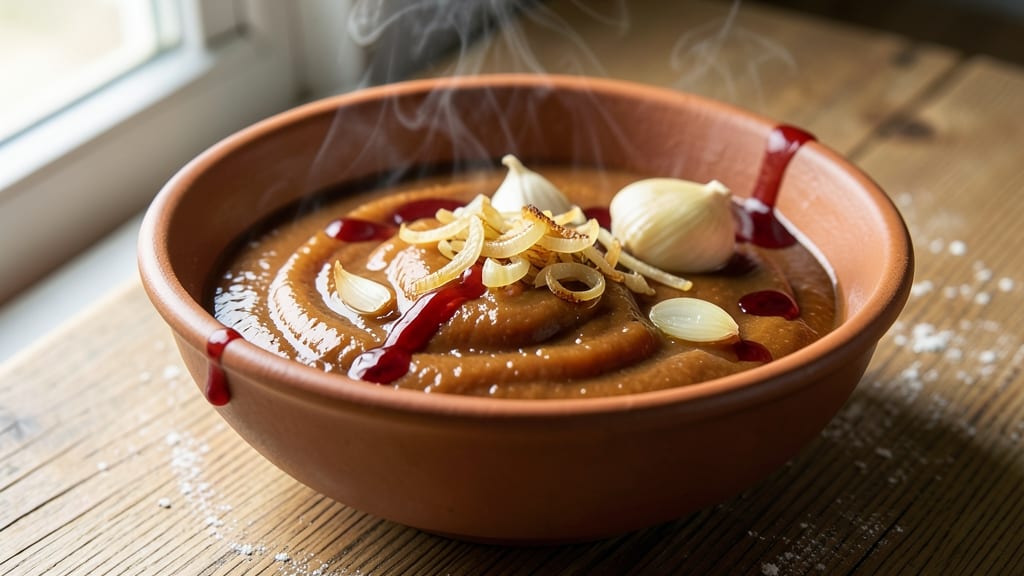
This cassareep sauce recipe unlocks the soul of Caribbean cooking with its deep, umami-rich flavor—perfect for transforming stews, soups, and braised dishes into vibrant, aromatic masterpieces. 🌟 Made from fermented cassava root, this sauce delivers a complex, slightly tangy base that builds layers of depth without overpowering other ingredients.
The process is straightforward, but the results are undeniably restaurant-quality, elevating any dish with a single spoonful.
The beauty of cassareep sauce lies in its versatility and simplicity. With just a few key ingredients—cassareep paste, tomato paste, onions, garlic, and a touch of vinegar—you create a foundation that’s both bold and balanced.
The sauce thickens as it simmers, developing a glossy sheen and an irresistible aroma that fills your kitchen. Whether you're cooking a hearty beef stew or a flavorful vegetable curry, this sauce serves as the secret weapon to authentic Caribbean taste.
What sets this recipe apart is its ability to adapt to your needs. Need it thicker? Simmer longer. Want it more tangy? Add a splash of vinegar.
The sauce keeps beautifully in the fridge for up to two weeks, making it a perfect pantry staple for anyone who loves bold, umami-packed flavors. Plus, as a vegan-friendly sauce, it’s inclusive for all dietary preferences without sacrificing depth or complexity.
Once you taste the difference, you’ll never go back to store-bought sauces. Let’s get started on crafting this essential Caribbean flavor base—your dishes will thank you.
Ingredients for cassareep sauce
Nine simple ingredients transform into Caribbean magic for stews, soups, and braised dishes.
| Ingredient | Amount | Notes |
|---|---|---|
| Cassareep Paste 🌿 | ½ cup | Fermented cassava root base |
| Tomato Paste 🍅 | ¼ cup | High-quality, unsweetened |
| Yellow Onions 🧅 | 1 whole | Medium-sized, finely diced |
| Garlic Cloves 🧄 | 4 cloves | Peeled, minced finely |
| White Vinegar 🍶 | ½ cup | White or apple cider |
| Olive Oil 🫒 | ¼ cup | Extra-virgin preferred |
| Ground Black Pepper 🌶️ | ½ tsp | Freshly ground preferred |
| Salt 🧂 | 1 tsp | Diamond Crystal kosher |
| Water 💧 | 1 cup | Filtered preferred |
| Fresh Thyme Leaves 🌿 | 1 tbsp | Or 1 tsp dried thyme |
Cassareep paste is the heart of this sauce—look for authentic cassareep at Caribbean markets or online (like Amazon or Caribbean specialty stores). The fermented cassava root delivers that deep umami punch that's hard to find elsewhere. If you can't get cassareep, substitute with 2 tbsp soy sauce plus 1 tsp miso paste, though it won't be quite the same. For the tomato paste, San Marzano is ideal—its sweetness balances the tangy cassareep beautifully. Yellow onions should be crisp, not wilted, and Spanish onions have a milder flavor that works perfectly here. The garlic needs to be freshly minced, not pre-minced from a jar—the flavor difference is night and day.
No cassareep? Soy sauce plus miso is your best bet, though it won't replicate the exact depth. Running short on vinegar? Substitute with lemon juice at half the amount—it'll be brighter but still tangy. The olive oil is non-negotiable for richness, but if you're watching calories, avocado oil works just as well. Fresh thyme is ideal, but dried thyme at one-third the amount will do in a pinch. For extra depth, add a pinch of allspice—it's a classic Caribbean touch. The sauce thickens as it simmers, so if you want it thicker, just simmer longer. Need it thinner? Add a splash of water or broth. The beauty of this sauce is its adaptability—play with it until it sings.
This sauce keeps for 2 weeks in the fridge, sealed tightly in a jar. The flavors actually deepen over time, so making a big batch is worth it. For longer storage, freeze in ice cube trays—perfect for adding to recipes later. Each cube makes about 1 tbsp, so you can grab exactly what you need. Label your containers with the date—trust me, you'll forget how long it's been sitting there. The sauce reheats beautifully—just warm it gently on the stove or microwave until steaming. It's vegan-friendly, gluten-free, and packed with umami—your pantry will never be the same.
Why You'll Love This Recipe
- Pantry Staple Power: I swear by this sauce because it lives in my fridge for weeks. That cassareep paste? Deep, caramelized flavor that doesn’t spoil—no sad, wilted herbs here. Just open the jar, stir, and boom: instant depth for whatever you’re cooking.
- Umami Bomb: The first time I tasted the cassareep and tomato paste combo simmered with onions, I nearly dropped my spoon. That vinegar cut isn’t harsh—it’s bright, like a secret handshake for your taste buds. Honestly, it’s the kind of flavor that makes you pause mid-bite.
- Double-Duty Magic: Slather it on grilled chicken, toss it with rice, or drizzle it over plantains—this sauce doesn’t just work, it upgrades everything. Between us, it’s my go-to for both lazy weeknights and when unexpected guests show up. (Yes, even on a Tuesday night.)
- Budget Chef’s Secret: I spent $3 on cassareep paste and made enough sauce to feed my family for a month. The onions and garlic? Cheap as chips. This isn’t gourmet—it’s smart cooking. No fancy ingredients, just pure, reliable flavor that won’t break the bank.
Step-by-step instructions for cassareep sauce
This umami-rich sauce builds layer by layer—let's create Caribbean depth together.
🍳 Step 1: Sauté Onions Until Translucent and Sweet
Heat the 0.25 cup olive oil in a medium saucepan over medium-low heat. Add the 1 whole yellow onions, finely diced, and cook for 8-10 minutes until completely soft and translucent. You'll notice the onions release moisture and develop a subtle sweetness—they should look almost glass-like when done.
Here's the thing—don't rush this step. Properly caramelized onions form the flavor foundation. If they start to brown too quickly, reduce the heat slightly. Stir occasionally to prevent sticking, but avoid over-mixing to maintain even cooking.
🍳 Step 2: Add Garlic and Tomato Paste for Depth
When the onions are perfectly soft, add the 4 minced garlic cloves and cook for 30 seconds until fragrant—you'll smell that unmistakable garlic aroma. Immediately add the 0.25 cup tomato paste and stir vigorously to distribute evenly. Cook for another 2 minutes until the raw tomato taste disappears completely.
This is where the sauce starts developing its complex character. The tomato paste will darken slightly as it cooks, creating a rich base. Don't be tempted to add water yet—we want to build body first through reduction.
🔥 Step 3: Incorporate Cassareep Paste and Vinegar
Now comes the star ingredient. Reduce heat to low and add the 0.5 cup cassareep paste along with the 0.5 cup white vinegar. Stir constantly for 3-4 minutes until the mixture thickens slightly. You'll notice the cassareep's deep umami flavor emerge—this is the heart of your sauce.
I know it seems weird to add vinegar at this stage, but trust me. The acidity helps balance the cassareep's intensity while preventing bitterness. If you smell any harsh vinegar notes, let it cook down for another minute—the alcohol will burn off and leave just the right tang.
🥘 Step 4: Build the Sauce with Water and Seasonings
Pour in the 1 cup water and add the 1 tbsp fresh thyme leaves, 1 tsp salt, and 0.5 tsp ground black pepper. Bring to a gentle simmer over medium heat and let cook uncovered for 15-20 minutes until reduced by about one-third. The sauce should coat the back of a spoon with a velvety texture.
Real talk: This reduction step is crucial. It concentrates the flavors and creates that signature Caribbean sauce consistency. Stir occasionally to prevent sticking, but don't over-stir—you want some natural thickening from the reduction process.
⏰ Step 5: Finish and Strain for Smooth Perfection
Once reduced, remove from heat and let sit for 5 minutes. Then strain through a fine-mesh sieve to remove any thyme stems or onion bits. You want a completely smooth sauce—this is where the professional touch comes in. Press gently on the solids with a spoon to extract every bit of flavor.
Your finished cassareep sauce should be deep amber in color with a rich, complex flavor profile that balances umami, acidity, and sweetness. It's ready to use immediately, but will keep in the refrigerator for up to 1 week—perfect for enhancing stews, soups, or grilled meats.
Pro Tips For Making Cassareep Sauce
- Sweat Onions Low and Slow: Cassareep sauce needs onions that melt into sweetness, not burn into bitterness. Cook them over medium-low heat with a splash of water—yes, even if they look dry—until they’re translucent and just starting to caramelize. I learned this the hard way after turning my sauce into onion-flavored regret.
- Mix Cassareep with Water First: Cassareep paste is thick and stubborn. Stir it into a small amount of warm water or broth before adding it to the pot—this prevents clumping and ensures it dissolves smoothly. Skipping this step means scraping stuck-on paste off your pan later (trust me, it’s not worth it).
- Balance Vinegar Gradually: White vinegar brightens the sauce, but too much upfront makes it taste harsh. Start with half the amount called for, taste, then add more a tablespoon at a time while simmering. You can always fix over-acidity, but you can’t undo a flat sauce.
- Simmer, Don’t Boil: Let the sauce bubble gently at the edges, not roar in the middle. A rolling boil burns the tomato paste and turns the cassareep flavor one-dimensional. Keep it at a steady simmer—this is where depth happens, not speed.
Pro cooking tips for great cassareep sauce
Mastering the Base
Start by sautéing 1 finely diced yellow onion and 4 minced garlic cloves in 2 tbsp olive oil over medium-low heat for 5 minutes—this builds flavor without burning. I always use a nonstick skillet for even cooking.
Let the onions caramelize just until golden, then add ½ cup cassareep paste and stir constantly for 2 minutes to prevent scorching. 🌶️
Balancing Flavors
Add ¼ cup tomato paste and ½ cup water to create a smooth base. Stir in ½ cup white vinegar and 1 tbsp fresh thyme leaves—this tangy-sweet combo is key. Simmer uncovered for 15 minutes, stirring occasionally, until the sauce reduces by about one-third.
Taste and adjust seasoning with ½ tsp salt and ¼ tsp black pepper—the vinegar can be sharp, so balance carefully.
Thickness Control
For a glossy, restaurant-style sauce, simmer uncovered until it reaches your desired consistency—typically 20-25 minutes. Need it thicker? Add 1 tbsp cornstarch mixed with 2 tbsp water as a slurry.
For a smoother texture, blend with an immersion blender for 10 seconds after simmering. The sauce should coat the back of a spoon but still be pourable. 💫
Flavor Boosters
Elevate your sauce with optional additions: ½ tsp ground allspice for warmth, 1 tsp smoked paprika for depth, or 1 tbsp soy sauce for extra umami. I often add a pinch of cinnamon—it’s subtle but adds complexity.
If you love heat, stir in ½ tsp Scotch bonnet powder (reduce other spices slightly). The sauce’s versatility means you can tweak it to match your dish’s needs.
Storage Secrets
Let the sauce cool completely before transferring to an airtight glass jar—this prevents condensation and spoilage. Store in the fridge for up to 2 weeks or freeze in ice cube trays for easy portioning.
To reheat, warm gently on the stove over low heat or microwave in 20-second bursts, stirring between each. The sauce thickens as it cools, so thin with water or broth if needed. ✨
Sauce Versatility
Use this sauce as a base for stews, a glaze for grilled meats, or a dipping sauce for jerk chicken. For vegetable dishes, stir in 1 cup coconut milk and simmer for 5 minutes to create a creamy curry sauce.
The cassareep’s depth shines in pepperpot, oxtail stew, or even black bean tacos. The possibilities are endless—let your creativity guide you!
Nutrition facts
Frequently asked questions
What makes cassareep sauce different from other Caribbean sauces?
Cassareep sauce gets its unique depth from fermented cassava root paste, creating a rich umami flavor unlike any other Caribbean sauce. While sauces like pepper sauce rely on chili heat or tamarind for tang, cassareep delivers a complex, slightly earthy base that works beautifully in stews and braises. The fermentation process gives it that signature depth that's hard to replicate with store-bought substitutes.
Can I make this sauce without cassareep paste?
Yes, but you'll lose some authenticity. For a substitute, mix 2 tbsp soy sauce with 1 tsp miso paste—this combo provides umami depth. The sauce will be more savory than tangy, but still delicious. If you can't find cassareep, Caribbean markets or online retailers like Amazon often carry it. For extra depth, add ½ tsp allspice to the sauce.
How much cassareep sauce should I add to my dish?
Start with 2-3 tablespoons per serving for stews or soups, then adjust to taste. For grilled meats, use 1-2 tablespoons as a glaze. The sauce is concentrated, so a little goes a long way. Taste as you cook—you can always add more, but removing excess is tricky. Remember, it builds flavor as it simmers, so don't overdo it initially.
Why does my cassareep sauce smell strong when cooking?
The strong aroma comes from the cassareep paste's fermentation process—it's normal and will mellow as it cooks! The vinegar also contributes to the initial sharpness, but it mellows into a balanced tang. Simmer uncovered for 15-20 minutes to let the harsh notes burn off. If it still smells too strong, add ½ tsp sugar to balance the acidity.
Can I use this sauce in non-Caribbean dishes?
The deep umami flavor works beautifully in Italian ragù, Mexican mole, or even Asian stir-fries. For a fusion twist, mix 1 tbsp cassareep sauce with 1 cup coconut milk for a creamy curry base. The sauce's versatility comes from its balanced acidity and umami—it enhances rather than overpowers other flavors.