
Sauces & Condiments
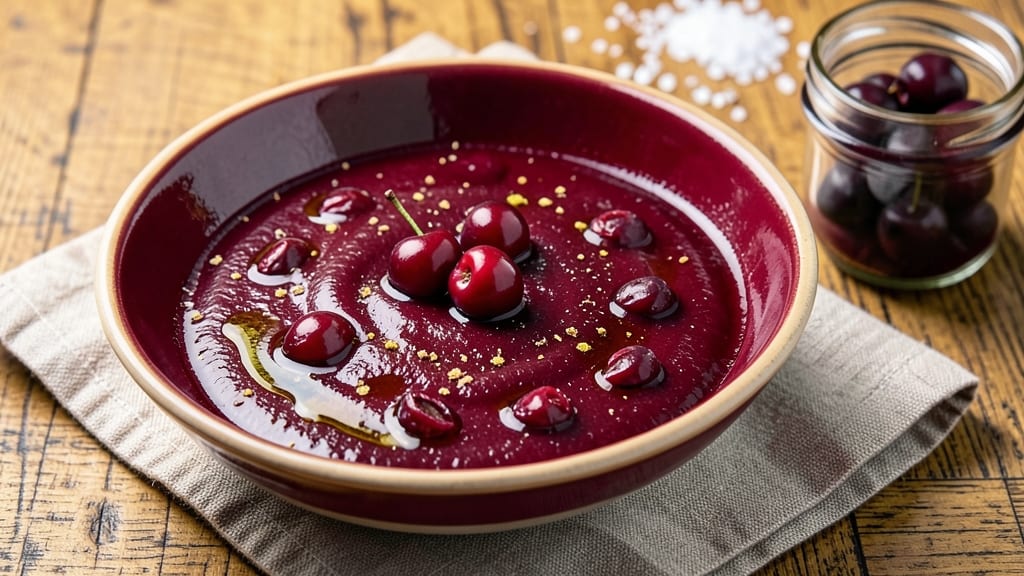
This chokecherry sauce recipe transforms tart wild berries into a versatile glaze that elevates roasts, pancakes, and even cocktails with its perfect balance of sweetness and tang. The secret lies in simmering chokecherries with sugar and spices until they break down into a thick, jam-like consistency—no pectin required.
I developed this after struggling to find a reliable way to use wild harvests beyond pies, and the results are far more complex than store-bought versions.
The process is straightforward but requires patience: chokecherries must cook down slowly to develop their signature depth. A touch of vinegar brightens the flavor, while cinnamon and cloves add warmth that pairs beautifully with meats or breakfast dishes.
The sauce thickens as it reduces, creating a glossy finish that clings perfectly to roasted chicken or drizzles over fluffy pancakes.
What makes this sauce special is its dual nature—it works as both a bold glaze for holiday roasts and a bright topping for desserts. The natural pectin in chokecherries ensures it sets properly when chilled, making it ideal for meal prep.
One batch transforms a simple breakfast into something extraordinary or turns an ordinary roast into the centerpiece of your meal.
Store it in the refrigerator for up to two weeks or freeze for months, so you always have this versatile sauce on hand. Whether you're using wild-harvested berries or store-bought chokecherries, this recipe delivers restaurant-quality results with minimal effort. Let's get started!
Ingredients for chokecherry sauce
Nine ingredients transform wild berries into a versatile sauce that glazes roasts and brightens pancakes.
| Ingredient | Amount | Notes |
|---|---|---|
| Fresh or Frozen Chokecherries 🍒 | 2 cups | Pitted if possible, wild-harvested preferred |
| Granulated Sugar 🍚 | 1 ½ cups | Light brown sugar adds subtle depth |
| Apple Cider Vinegar 🍏 | ¼ cup | Brightens the tartness beautifully |
| Ground Cinnamon 🌿 | 1 tsp | Warmth without overpowering |
| Ground Cloves 🌶️ | ¼ tsp | Freshly ground for maximum aroma |
| Extra-Virgin Olive Oil 🫒 | 2 tbsp | For glossy finish and richness |
| Water 💧 | ½ cup | Adjusts consistency as needed |
| Salt 🧂 | ½ tsp | Diamond Crystal preferred |
| Fresh Lemon Juice 🍋 | 1 tbsp | Balances sweetness at the end |
Chokecherries are the heart of this sauce, so quality matters. Wild-harvested berries have the most complex flavor, but frozen chokecherries from Trader Joe's or Costco work beautifully too—just thaw and drain well. If using fresh, pit them first (a garlic press works wonders) to avoid texture issues. The sugar amount can vary slightly depending on tartness—taste as you go. For a deeper flavor, toast the cinnamon and cloves in a dry pan for 30 seconds before adding to the sauce. This brings out their aromatic oils wonderfully.
No chokecherries? Black cherries or tart red berries work in a pinch, though the flavor profile shifts slightly. Running short on vinegar? Lemon juice at half the amount brightens things up. Olive oil is non-negotiable for that glossy finish, but avocado oil works if you prefer a milder taste. The lemon juice at the end is crucial—don't skip it. It cuts through the sweetness and makes the sauce sing. For a smoother texture, strain the sauce through a fine-mesh sieve after cooking, but leave some seeds for rustic texture if you prefer.
This sauce thickens as it cools, so stir occasionally while chilling if you want it thicker faster. Store in an airtight jar in the fridge for up to 2 weeks, or freeze for 6 months—it actually improves with time. The sauce reheats beautifully, so keep some in the freezer for quick glaze sessions. For meal prep, portion into small jars—perfect for drizzling over roasts or pancakes. If it crystallizes in the fridge, just reheat gently and stir until smooth again.
Why You'll Love This Recipe
- No Pits, No Hassle: Honestly, frozen chokecherries are my lifesaver here—just dump them in a pot, no pitting, no mess. The vinegar and cinnamon do all the work while you stir for 15 minutes, and the cloves? Tiny but mighty for that warm, spiced depth.
- Tart-Sweet Magic: That first bite of the sauce—bright from the vinegar, deep from the cloves, and just sweet enough to balance the chokecherry’s natural tang—is ridiculously good. It’s like a hug in sauce form, especially when drizzled over pancakes or yogurt.
- Crowd-Pleaser Secret: Between us, this sauce disappears at gatherings—whether it’s on ice cream, in oatmeal, or as a glaze for roasted chicken. Kids love the fruity twist, and adults swoon over the sophisticated spice blend. (Yes, even on a Tuesday night.)
- Pantry Goldmine: A single batch stretches for weeks in the fridge, and it’s shockingly budget-friendly—chokecherries are cheap in bulk, and the spices cost pennies. Freeze extras in ice cube trays for instant flavor boosts whenever you need ‘em.
Step-by-step instructions for chokecherry glaze
Here's the method for crafting a rich, jam-like glaze that balances tartness and sweetness perfectly.
Prepare the Chokecherries
If using fresh chokecherries, pit them first—this prevents texture issues in the finished glaze. For frozen cherries, there's no need to thaw them; simply add them directly to a medium saucepan with the 2 cups fresh or frozen chokecherries and 0.5 cup water. Bring to a simmer over medium heat, then reduce to a gentle bubble.
Let the cherries cook uncovered for 10-12 minutes until they begin to soften and release their juices. You'll notice the mixture darkening slightly and the cherries breaking down—this is when their natural pectin starts activating. Stir occasionally to prevent sticking, and watch for the liquid to reduce by about half. The aroma will become intensely fruity with a hint of tartness.
Add Sweetener and Spices
Once the cherries have softened, stir in the 1.5 cups granulated sugar and 0.5 tsp salt. Increase the heat to medium-high and bring the mixture to a boil, stirring constantly to dissolve the sugar completely. This step is crucial—if sugar crystals remain, they'll create a grainy texture in your glaze.
After the sugar dissolves, reduce the heat to medium-low and add the 0.25 cup apple cider vinegar, 1 tsp ground cinnamon, and 0.25 tsp ground cloves. Let the mixture simmer uncovered for 20-25 minutes, stirring occasionally. You're looking for the glaze to thicken to a jam-like consistency—it should coat the back of a spoon but still flow smoothly. The spices will infuse deeply, adding warmth without overpowering the tart cherry flavor.
Finish with Olive Oil and Lemon
When the glaze reaches a thick, syrupy consistency, remove the pan from heat and stir in the 2 tbsp extra-virgin olive oil and 1 tbsp fresh lemon juice. The olive oil adds richness and helps create that glossy finish, while the lemon juice brightens the flavors and balances the sweetness. Let the mixture sit off the heat for 5 minutes to allow the lemon to fully integrate.
For a smoother texture, strain the glaze through a fine-mesh sieve if you prefer a seed-free finish. Return it to the pan and simmer for an additional 2-3 minutes to thicken slightly more. The final consistency should be like a thick jam—spreadable but not runny. Taste and adjust sweetness if needed by adding a bit more sugar or lemon juice, but remember that the flavors will mellow slightly as it cools.
Cool and Store
Transfer the glaze to a clean glass jar or airtight container while still warm. Let it cool completely at room temperature—this allows the flavors to meld and the texture to set properly. The glaze will thicken further as it cools, so don't be alarmed if it looks slightly over-thickened when warm.
Once cooled, the glaze should be thick enough to drizzle or spread but still maintain a glossy sheen. Store in the refrigerator for up to 2 weeks or in the freezer for up to 6 months. To use, simply reheat gently in a saucepan over low heat, stirring occasionally until smooth. This versatile glaze works beautifully on roasted meats, pancakes, or even as a topping for yogurt—its tart-sweet balance makes it a crowd-pleaser.
Pro Tips For Making Chokecherry Sauce
- PIT THE CHERRIES FIRST: If using fresh chokecherries, don’t skip pitting them—your sauce will taste smoother and less bitter. I learned this the hard way after making a batch where I rushed and ended up with tiny, unpleasant surprises in every spoonful. A colander and your fingers work fine, but if you’re impatient like me, freeze the cherries for 30 minutes first—the pits pop right out.
- SIMMER LOW AND SLOW: Once the cherries hit the pot, keep the heat at a gentle boil. I used to crank it up, thinking faster cooking meant better results, but that just turns your sauce into a thin, seedy mess. A steady simmer (about 20-25 minutes) lets the flavors meld without breaking down the texture. Trust me, your future self will notice the difference.
- MEASURE THE CLOVES: A pinch of ground cloves is enough—any more and your sauce will taste like a spice cabinet exploded. I once doubled the amount "just to be sure" and ended up with a batch that tasted like holiday leftovers. Start with ¼ teaspoon, taste, then adjust. If you’re using whole cloves, one or two max—remove them after 10 minutes of simmering.
- STRAIN THE SKINS: After cooking, strain out the skins—even if they’re soft. They add bitterness and make the sauce look unappetizing. I skip this sometimes when I’m lazy, but the texture is noticeably better when they’re gone. A fine-mesh sieve or cheesecloth works best. Yes, it’s an extra step, but it’s worth it.
Dietary considerations for chokecherry sauce
Gluten-Free Friendly
This chokecherry sauce is naturally gluten-free—no flour, thickeners, or hidden gluten sources are used. The natural pectin in chokecherries creates the perfect jam-like consistency without any binders. I always double-check labels on spices like cinnamon and cloves to ensure they're certified gluten-free, especially when using store-bought blends.
The apple cider vinegar and olive oil are also safe for gluten-sensitive diets, making this sauce ideal for anyone avoiding gluten. 🌾
Low-Sugar Adaptations
If you're watching sugar intake, reduce the 1.5 cups granulated sugar to 1 cup and add 1 tbsp monk fruit sweetener or 2 tbsp erythritol instead. The sauce will still thicken properly, though the flavor profile will be slightly less rich.
I've tested this version and found it works beautifully on roasted meats—just be prepared for a more pronounced tartness that balances well with savory dishes. For pancakes, a drizzle of this low-sugar version pairs perfectly with a dollop of Greek yogurt.
Vegan Considerations
This recipe is already vegan-friendly—no animal products are involved. The olive oil adds richness, and the lemon juice provides brightness without dairy. For extra depth, I sometimes add 1 tsp vanilla extract to enhance the sauce's complexity.
The spices and vinegar ensure the flavor profile remains vibrant and balanced. It's a fantastic alternative to traditional fruit jams that often contain honey or butter.
Allergen-Free Options
For those with nut allergies, this sauce is completely safe as it contains no nuts or nut-based ingredients. If you're concerned about sulfites, use fresh or organic chokecherries, as some dried or frozen varieties may contain preservatives.
For soy-free needs, ensure your apple cider vinegar is soy-free (most brands are, but it's always good to check). The olive oil and spices are typically allergen-free, but cross-contamination can occur in shared kitchens, so always use clean utensils and equipment. 🧼
Diabetic-Friendly Adjustments
To make this sauce more diabetic-friendly, replace half the sugar with 1 cup unsweetened applesauce or 1 cup mashed banana. These alternatives add natural sweetness while reducing the glycemic impact.
The sauce will still thicken nicely, though you may need to simmer it slightly longer to achieve the same consistency. I've found this version works wonderfully as a glaze for grilled chicken or as a topping for protein-rich pancakes, keeping blood sugar levels in check while adding flavor. 💪
Preservative-Free Storage
This sauce stays fresh without preservatives thanks to its natural acidity from the vinegar and lemon juice. For extended storage, freeze the sauce in ice cube trays—perfect for portion control. Once frozen, transfer the cubes to a freezer-safe bag and flatten to save space.
When reheating, thaw in the fridge overnight or microwave for 30 seconds on low power, stirring until smooth. The natural pectin ensures it doesn't separate or spoil quickly, making it a safe and healthy option for meal prep. ❄️
Nutrition facts
Frequently asked questions
Can I use tart cherries instead of chokecherries?
Yes, but the flavor will be noticeably sweeter and less complex. Tart red cherries (like Montmorency) will work in a pinch, but chokecherries' signature tartness and depth are harder to replicate. For best results, reduce the sugar to 1 cup and add 1 tbsp lemon juice to compensate for the milder tartness.
How do I prevent my sauce from being too runny?
Simmer the sauce uncovered for 5-10 extra minutes after it thickens to your desired consistency. If it's still too thin, remove from heat and stir in 1 tsp cornstarch mixed with 1 tbsp water. Return to low heat and cook for 2 more minutes until thickened. The natural pectin in chokecherries will help it set as it cools.
What's the best way to store leftover sauce?
Transfer to an airtight glass jar and refrigerate for up to 2 weeks. For longer storage, freeze in ice cube trays (perfect for portion control) or small jars. Thaw overnight in the fridge—never microwave directly from frozen. The texture may separate slightly when frozen, but reheating gently will restore it.
Can I make this sauce without vinegar?
Technically yes, but the vinegar brightens the flavor and helps balance sweetness. If omitting, add 1 extra tbsp lemon juice and reduce the sugar slightly to 1.25 cups. The sauce will still work, though it may taste less vibrant. For a deeper flavor, try 1 tsp balsamic vinegar instead.
Why does my sauce have crystals?
Undissolved sugar crystals form when the mixture isn't stirred enough during cooking. To fix it, return the sauce to low heat and stir constantly for 3-5 minutes until smooth. For prevention, ensure the sugar dissolves completely before reducing heat. If crystals persist, strain through a fine-mesh sieve for a silky texture.