
Sauces & Condiments
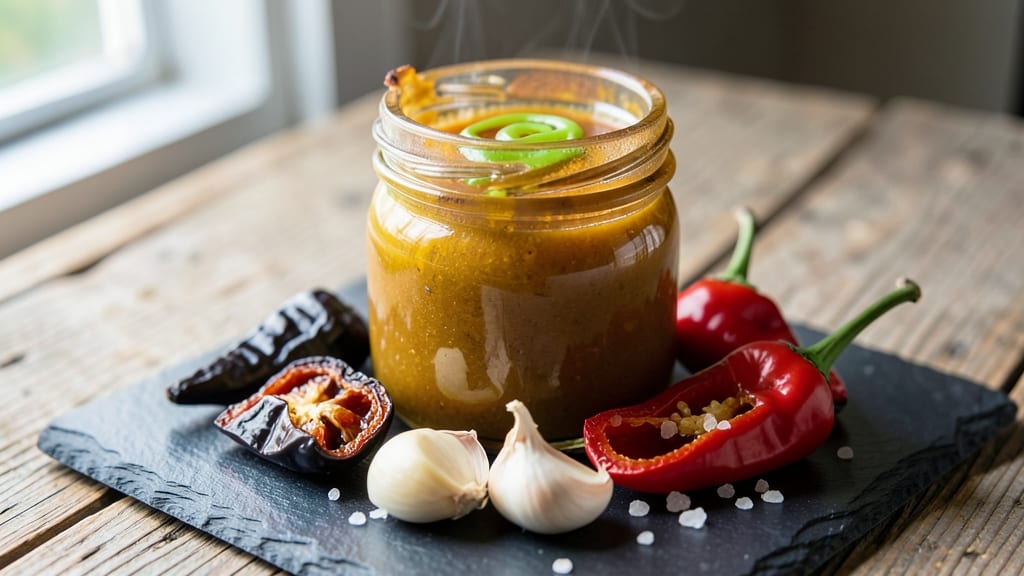
This citrus hot sauce recipe transforms bright lime juice and fiery chili peppers into a versatile condiment that balances sweet, tangy, and spicy notes perfectly.
The secret lies in fermenting the chili mixture for 24 hours—this process deepens the flavor while preserving freshness, creating a sauce with layers of complexity that store-bought versions can't match.
What starts as a simple blend of lime, vinegar, and peppers evolves into something rich and aromatic, with just the right amount of heat to elevate everything from tacos to seafood.
What makes this sauce stand out is its customizable heat level—whether you prefer a gentle kick or mouthwatering spice, adjusting the chili pepper quantity gives you complete control.
The fermentation step isn’t just about flavor; it also softens the peppers slightly, ensuring a smooth texture that won’t overpower your dish. Plus, the bright citrus acidity cuts through richness, making it a perfect pairing for fried foods, grilled meats, or even cocktails.
By the time you’re done, you’ll have a small-batch hot sauce that’s ready to use immediately or age for even deeper flavor over time.
The recipe requires just five core ingredients and takes less than 30 minutes of active prep, but the fermentation process does the heavy lifting while you wait. Unlike commercial sauces loaded with preservatives, this version stays fresh in the fridge for weeks, letting you build your own supply without compromise.
Use it to spice up tacos, drizzle over shrimp, or mix into marinades—this sauce adapts to any dish while keeping the spotlight on its bright, balanced profile. The best part?
You can tweak the recipe to suit your taste, whether that means adding a touch of honey for sweetness or extra garlic for depth. Let’s get started on creating your own batch.
Ingredients for citrus hot sauce
Five ingredients and a little patience turn bright citrus and fiery peppers into restaurant-worthy hot sauce.
| Ingredient | Amount | Notes |
|---|---|---|
| Fresh Lime Juice 🍋 | 1 cup | From about 4-5 limes, freshly squeezed |
| White Vinegar 🍶 | ½ cup | White or apple cider vinegar |
| Serrano Peppers 🌶️ | 4 whole | Seeds removed for milder heat |
| Jalapeño Peppers 🌶️ | 2 whole | Seeds kept for extra spice |
| Garlic Cloves 🧄 | 3 cloves | Freshly minced for depth |
| Salt 🧂 | 1 tsp | Kosher or sea salt |
| Honey 🍯 | 1 tbsp | Optional for sweetness balance |
| Cayenne Pepper 🔥 | ½ tsp | Adjust for desired heat |
The lime juice is non-negotiable here—Mexican Key limes from Trader Joe's give the best zing, but regular limes work fine. Look for peppers with vibrant color (no wrinkly ones) at the store, and Serranos are easier to find than you'd think. The garlic should smell fresh—if it's musty, grab a new bulb. I always double-check the vinegar label to make sure it's 5% acidity or higher for proper fermentation. For the honey, Manuka honey adds a subtle floral note, but any light honey works.
No Serranos? Thai bird's eye peppers pack similar heat, or swap in red jalapeños for a milder kick. Skip the honey if you prefer tartness, but add 1 tsp maple syrup for sweetness instead. The cayenne is optional—start with just a pinch and taste before adding more. For extra depth, toss in 1 tsp fish sauce (if not vegan) or soy sauce for umami. The peppers can be roasted for smokiness if you're feeling fancy, but raw works perfectly fine too.
This sauce gets better with time—ferment for 24 hours before using, but it keeps improving for up to 2 weeks in the fridge. Store in a clean glass jar with a tight lid, and shake it gently before each use. If it gets too thick, add a splash of water or vinegar. The sauce will last 3-4 months in the freezer if you portion it into ice cube trays first. Label everything—trust me on this one.
Why You'll Love This Recipe
- Pantry Magic: I swear by this—no fancy gadgets, just a knife, a cutting board, and a jar. The serranos and jalapeños barely take two minutes to chop, and the vinegar and lime juice do all the heavy lifting while you sip your coffee.
- Bright Heat Balance: That first bite? Zesty lime cuts through the garlic’s punch, while the vinegar keeps it sharp without overpowering. Honestly, it’s the kind of heat that lingers but doesn’t clobber—perfect for when you want flavor, not a fire drill.
- Game for Any Meal: Slather it on grilled shrimp, drizzle it over tacos, or toss it into a vinaigrette. Between us, I’ve even used it to wake up a sad bowl of store-bought ramen. The acidity plays nice with everything, and the heat? Adjustable.
- Lasts Like a Champ: A batch keeps in the fridge for weeks, and the vinegar acts like a preservative, so no weird mold surprises. Plus, it’s cheap to make—way cheaper than buying fancy hot sauces, and you’ll never run out of excuses to use it.
Step-by-step instructions for bright citrus hot sauce
Here's how to blend vibrant lime heat with smoky chili depth in just 15 minutes.
Prep and Roast the Peppers
Preheat your oven to 400°F and line a baking sheet with parchment paper. Place the 4 whole serrano peppers and 2 whole jalapeño peppers directly on the sheet. Roast for 15-20 minutes until the skins blacken and blister in spots—this deepens their smoky flavor and makes them easier to peel.
I like to turn them halfway through for even charring. Watch closely after 12 minutes—when they start to smell intensely smoky, that's your cue they're ready. Let them cool completely before handling, as the steam can burn your fingers. This roasting step transforms raw heat into complex, caramelized flavor.
Blister the Garlic and Build the Base
While the peppers cool, heat a dry skillet over medium heat. Add the 3 cloves garlic and cook for 3-4 minutes until they turn golden brown and release their aromatic oils. Be careful not to burn them—they should smell sweet and nutty, not bitter.
Transfer the cooled peppers to a bowl and cover with a clean kitchen towel. This steaming process helps loosen the skins so they peel easily. Remove the skins using your fingers or a knife, then discard stems and seeds (for milder heat) or keep them (for extra spice). Add the peeled peppers and roasted garlic to a blender.
Blend All Ingredients Together
Add the 1 cup fresh lime juice, 0.5 cup white vinegar, 1 tsp salt, 0.5 tsp cayenne pepper, and 1 tbsp honey to the blender. I like to blend in batches if my blender is small—this ensures everything gets fully incorporated without overfilling.
Blend on high for 30-45 seconds until completely smooth. Taste and adjust seasoning if needed—add more salt for depth, more honey for sweetness, or more cayenne for heat. The sauce should be bright yellow with a vibrant, citrus-forward aroma that makes your mouth water.
Strain and Bottle for Freshness
Strain the blended mixture through a fine-mesh sieve into a clean jar, pressing gently on the solids to extract all the liquid. This step ensures a silky-smooth texture without any pepper skins or garlic bits. The strained sauce should be about 2 cups total.
Seal the jar tightly and store in the refrigerator for up to 2 weeks. The flavors will continue to meld and develop over time, becoming even more complex. For longer storage, transfer to a sterilized glass bottle and refrigerate—this sauce keeps its bright citrus punch and fiery kick for months.
Pro Tips For Making Citrus Hot Sauce
- CHAR THE PEPPERS FIRST: I used to toss raw peppers straight into the blender, but now I char them over a gas flame or under a broiler for 2-3 minutes per side—just until blackened spots appear. This deepens the smoky flavor and mellows the heat slightly, giving your sauce a complexity that raw peppers can’t match. (Yes, even if you’re impatient like me.)
- STRAIN THE GARLIC: After mincing garlic, let it sit for 5 minutes before adding it to the sauce—this releases more flavor. But here’s the real trick: strain it through a fine-mesh sieve if you want silky texture. Whole cloves can turn your sauce grainy, and nobody wants that when they’re drizzling it over tacos.
- DILUTE THE VINEGAR GRADUALLY: Start with half the vinegar called for, taste, then add the rest slowly. Vinegar can overpower lime juice if you’re not careful, and you’ll end up with a mouth-puckering sauce instead of a bright, balanced one. (I learned this the hard way after making a batch that tasted like a science experiment gone wrong.)
- USE AGED LIME JUICE: Let the lime juice sit in the fridge for 24 hours before using—it mellows the acidity and makes the sauce taste richer. I know it’s tempting to use it fresh, but that sharp, green tang will dominate instead of blending smoothly. (Your future self will thank you.)
Storing and reheating this recipe
Refrigerator Storage
Store your citrus hot sauce in an airtight glass jar (I use Ball mason jars) in the fridge for up to 2 weeks—the flavors actually deepen over time as the lime and vinegar marry together.
Always use a clean spoon to avoid introducing bacteria, and give it a gentle shake before each use to redistribute settled spices. The sauce will thicken slightly as it sits, so add a splash of water or vinegar if it becomes too viscous. 💡
Freezer Preservation
For longer storage, portion the sauce into sterilized ice cube trays—each cube equals about 1 tablespoon, perfect for adding heat to dishes without overpowering them. Once frozen solid, transfer the cubes to a freezer-safe bag or container, squeezing out excess air to prevent freezer burn.
This method keeps the sauce fresh for 3-4 months while preserving its bright citrus and fiery kick. Label with the date—trust me, you’ll forget! ❄️
Reheating and Thawing
There’s no need to reheat this sauce—it’s best served cold or at room temperature. If you’ve frozen it, simply remove the desired cubes from the freezer and let them thaw in the fridge for 1-2 hours before using.
For a quick fix, run the frozen cube under warm water for 10-15 seconds to soften slightly, then stir into your dish. The texture will be slightly thicker after freezing, but it’ll return to normal once mixed in. 🔥
Texture Adjustments
If your sauce thickens after refrigeration, thin it with 1-2 teaspoons of water or vinegar—this restores the smooth consistency without diluting the flavor. For a chunkier texture (like a salsa), blend in 1-2 tablespoons of reserved pepper skins or seeds after straining.
I’ve also found that adding ½ teaspoon of xanthan gum to the jar before sealing helps maintain thickness over time, especially if you plan to store it for weeks. 💫
Shelf Life Tips
Watch for signs of spoilage: a sour smell, mold, or a slimy texture mean it’s time to toss it. The bright yellow color should remain vibrant—if it turns dull or cloudy, that’s your cue to start fresh.
To extend shelf life, add ½ teaspoon of citric acid (found in baking aisles) to the jar before sealing—this natural preservative helps keep the sauce fresh for an extra week in the fridge. Always err on the side of caution with homemade hot sauces! ✨
Nutrition facts
Frequently asked questions
Can I use other citrus fruits instead of lime?
Try lemon for a sharper tang or orange juice for sweetness—just adjust the acidity. For example, swap the lime juice for ½ cup orange juice + ½ cup lemon juice to balance sweetness while keeping the citrus brightness. Grapefruit works too but can be bitter, so reduce to ¼ cup and add 1 extra tbsp honey for balance.
How do I control the heat level in this sauce?
Start with seeds removed from all peppers for mild heat, or keep seeds for extra spice. For precise control, remove seeds from jalapeños but leave them in Serranos—this gives a gradual build of heat. If it's still too mild, add ¼ tsp more cayenne pepper per batch. For smoky heat, roast peppers longer (up to 25 minutes) to deepen flavor without adding spice.
Can I make this sauce without roasting the peppers?
Yes! Skip roasting for a fresher, brighter flavor—just blend raw peppers with all ingredients as directed. The sauce will be less smoky but still vibrant and tangy. For extra freshness, add 1 tbsp fresh cilantro to the blend before straining. If you prefer raw peppers, reduce fermentation time to 12 hours to prevent over-acidification.
What’s the best way to use this sauce?
This citrus hot sauce shines on tacos, grilled shrimp, or fried eggs—its bright acidity cuts through richness. Drizzle over ceviche or mix into cocktails**> (like margaritas) for a spicy twist. For dipping, serve with plantain chips or crudités. The honey balances the heat, making it great for sweet-and-spicy glazes too!
Why did my sauce turn cloudy after refrigeration?
Cloudiness usually means the sauce separated due to natural oil separation or over-chilling. Gently shake the jar to redistribute oils, or blend again briefly to re-emulsify. If it’s truly spoiled (sour smell, mold), discard it. To prevent this, store in a glass jar (not plastic) and avoid temperature fluctuations—keep it in the fridge consistently.