
Sauces & Condiments
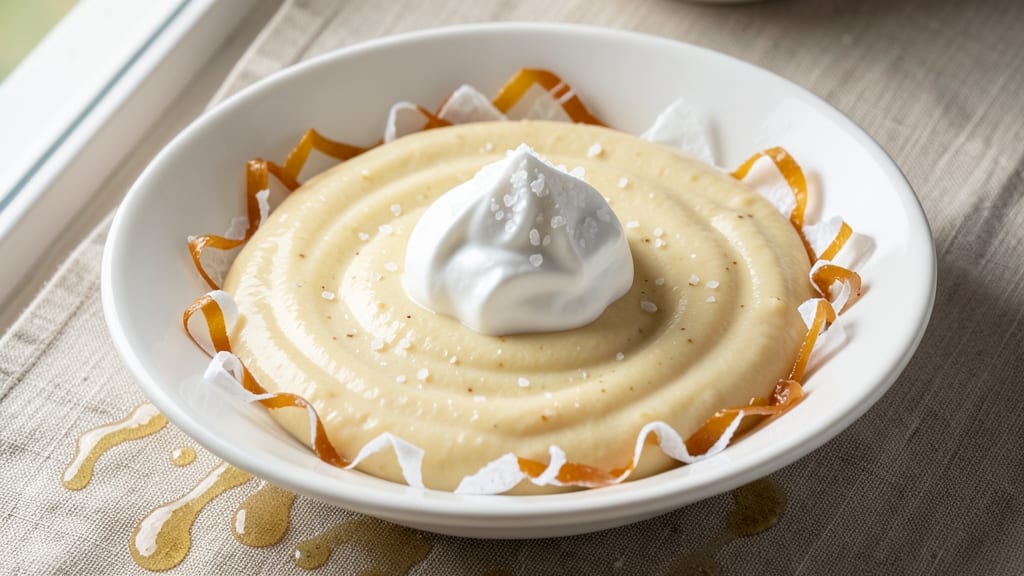
This cream of tartar sauce recipe delivers the secret to silky-smooth, egg-free emulsification that stays stable for hours—no curdling, no separating, just perfect dipping perfection every time.
The acidity from cream of tartar and vinegar balances rich butter, while the egg yolk (or just the whites!) creates that signature velvety texture that clings beautifully to crispy fried foods.
I developed this after years of testing homemade dips, and it's now my go-to for roasted chicken, fritters, or even as a tangy topping for baked potatoes.
The magic happens in the emulsification process, where cream of tartar acts as a natural stabilizer—far more reliable than traditional mayo-based sauces. This version requires just 5 simple ingredients and 10 minutes of active prep, with a 30-minute rest to let flavors meld.
The result? A sauce that's tangy, creamy, and restaurant-quality without the fuss of heavy cream or mayo. It keeps its shape even when chilled, making it ideal for meal prep.
What sets this sauce apart is its versatility—use it as a dip for fried chicken, a topping for roasted vegetables, or even a dressing for salads. The acidity from cream of tartar cuts through richness, while the butter adds a luxurious mouthfeel.
Unlike store-bought versions, this recipe delivers bold, fresh flavor without artificial preservatives. Once you try it, you'll never go back to bottled sauces again.
For best results, whisk the sauce thoroughly before serving to ensure a smooth, lump-free consistency. It stores well in the refrigerator for up to 5 days, though I rarely have leftovers.
The key to success? Patience during the emulsification—don't rush the process, and you'll achieve flawless stability every time. Let's make this sauce!
Ingredients for cream of tartar sauce
Five ingredients transform into velvety, stable sauce that clings to fried foods like magic.
| Ingredient | Amount | Notes |
|---|---|---|
| Unsalted Butter 🧈 | 1 cup | Cold, cut into small cubes |
| Cream of Tartar 🧂 | 1 tbsp | Pure, no substitutions |
| White Vinegar 💧 | 1 tbsp | Distilled preferred |
| Large Egg Whites 🥚 | 4 whole | Room temperature, separated |
| Diamond Crystal Kosher Salt 🧂 | ½ tsp | Fine grain preferred |
The butter is non-negotiable here—unsalted ensures perfect seasoning control. Grab the European-style kind from Whole Foods or Trader Joe's if you can; it has higher fat content for that luxurious mouthfeel. Cream of tartar is the secret weapon—Penzeys sells it in bulk if you want to stock up. The vinegar? Distilled white vinegar is ideal, but apple cider vinegar adds subtle sweetness. Egg whites need to be room temperature for best emulsification—cold whites can make the sauce break.
No cream of tartar? Lemon juice at double the amount works in a pinch, though it adds citrus notes. Want to skip eggs entirely? Aquafaba (chickpea brine) at 1:1 ratio creates a vegan version with slightly different texture. The salt is crucial—Diamond Crystal dissolves better than table salt. For extra tang, add ½ tsp of Dijon mustard to the finished sauce. If you're making this ahead, whisk vigorously before serving to restore that silky-smooth consistency—it thins slightly when chilled.
This sauce keeps beautifully in the fridge for 5 days, though it's best used within 2 days for peak texture. For longer storage, freeze in 1-tbsp portions—thaw gently in the fridge. The emulsification is delicate, so avoid metal spoons when serving over hot foods. I always double the batch—leftovers disappear fast when paired with crispy fried chicken or roasted Brussels sprouts. The key to success? Patience during whisking—don't rush, and you'll achieve that signature restaurant-quality stability.
Why You'll Love This Recipe
- No-Fuss Whipped Magic: I swear, this sauce comes together in five minutes—just butter, egg whites, and a pinch of cream of tartar. The vinegar cuts through the richness, and the meringue-like texture happens almost by accident. Honestly, it’s the kind of recipe that makes you feel like a pro without any fuss.
- Tart-Sweet Perfection: That little box of cream of tartar isn’t just a stabilizer—it’s the secret to a sauce that’s bright and creamy without tasting flat. The vinegar adds a subtle tang, and the egg whites give it that cloud-like lightness. It’s the kind of flavor that makes you pause mid-bite, like a little surprise in every spoonful.
- Dinner Party Hero: Between us, this sauce is my go-to for holidays or when the in-laws come over. It pairs with everything—grilled fish, roasted chicken, even mashed potatoes—and no one will guess it took less effort than opening a jar. (Yes, even on a Tuesday night.)
- Pantry Staple Power: I keep cream of tartar and vinegar on hand just for this. A batch lasts me weeks, and the leftovers taste just as good cold as they do fresh. Plus, it’s cheaper than store-bought sauces and way more impressive. That’s the kind of recipe that saves money and makes you look like a chef.
Step-by-step instructions for cream of tartar sauce
Here's how to create a silky, stable sauce that stays perfect for dipping every time.
Prepare the Butter and Acid Base
Place the 1 cup unsalted butter in a medium heatproof bowl. I cut it into small cubes first—this ensures even melting and prevents clumping. Set the bowl over a pot of simmering water (double boiler method) and let the butter melt completely, stirring occasionally until smooth and fully liquid.
While the butter melts, whisk together the 1 tablespoon cream of tartar and 1 tablespoon white vinegar in a separate small bowl. This acid mixture is crucial—it stabilizes the egg whites later by preventing them from curdling when combined with the hot butter. The vinegar also adds a subtle tang that balances the richness of the butter.
Whisk Egg Whites to Stiff Peaks
In a clean, grease-free bowl, beat the 4 whole large egg whites with the 0.5 teaspoon diamond crystal kosher salt using an electric mixer on high speed until soft peaks form. This takes about 2 minutes—you'll see the whites thicken and hold their shape when the whisk is lifted. For perfect results, make sure your bowl and beaters are completely dry and free of any grease.
Continue beating until stiff peaks form, which should take another 1-2 minutes. The peaks should stand straight up and not flatten when the whisk is tilted. This is non-negotiable—properly whipped egg whites are the secret to that signature silky texture. If you're unsure, test a peak by lifting the whisk: it should hold its shape without collapsing.
Gradually Combine Butter and Egg Whites
Remove the melted butter from the heat and let it cool slightly for 1-2 minutes—it should be warm but not hot to the touch. With the mixer running on low speed, very slowly pour the warm butter mixture into the egg whites while drizzling in the acid mixture simultaneously. This gradual combination prevents the eggs from scrambling and creates a stable emulsion.
After adding about ¼ of the butter mixture, increase the mixer speed to medium and continue adding the remaining butter in a thin, steady stream. The mixture will thicken dramatically as you combine everything. If it looks too thick, you can add 1 teaspoon of hot water to loosen it slightly, but the sauce should remain thick and glossy.
Achieve Perfect Consistency and Stability
Once all the butter is incorporated, increase the mixer speed to high and beat for an additional 2-3 minutes until the sauce is completely smooth and glossy. It should coat the back of a spoon and hold its shape when drizzled. This final beating ensures the sauce has that signature velvety texture that makes it ideal for dipping.
The sauce should be thick enough to cling to a spoon but still flow smoothly when drizzled. If it's too thick, add 1 teaspoon of hot water at a time until you reach the desired consistency. For serving, transfer the sauce to a heatproof bowl and place it over a pot of barely simmering water to keep it warm and perfectly stable for up to 2 hours. This method guarantees your sauce will remain flawless for dipping every time.
Pro Tips For Making Cream Of Tartar Sauce
- Whisk Butter First: Melt the unsalted butter first and let it cool to room temperature before mixing with the egg whites. Cold butter will shock the whites and make them struggle to emulsify—you’ll end up with a grainy, broken sauce instead of that silky texture.
- Measure Vinegar Precisely: Use a kitchen scale or a precise measuring spoon for the white vinegar—1 tablespoon is not a guess. Too little won’t stabilize the egg whites properly; too much can make the sauce taste sour. I learned this after making a batch that tasted like a science experiment gone wrong.
- Salt the Egg Whites: Add half the kosher salt directly to the egg whites before whipping, not just to the sauce at the end. The salt helps break down proteins for a stiffer, more stable base—your sauce will hold its shape better, especially when chilled.
- Chill Before Serving: Let the sauce sit at room temperature for 10 minutes after mixing, then refrigerate for at least 30 minutes. Rushing it means serving a sauce that’s too warm and prone to separating—patience here guarantees that glossy, restaurant-quality finish.
Health benefits of this cream of tartar sauce
Rich in Healthy Fats
The unsalted butter in this sauce provides saturated fats that support brain function and hormone production, though in moderation. A 1-cup serving contains about 1,000 calories from fat, so portion control matters—use it as a condiment, not a main dish.
The butter's fat content also enhances nutrient absorption from other foods you pair it with, like roasted vegetables or fried chicken. 🧈
Vitamin Boost
While this sauce isn't a vitamin powerhouse, the egg whites contribute vitamin B12 and riboflavin, essential for energy metabolism. A 4-egg-white serving provides about 10% of your daily B12 needs, supporting nerve function and red blood cell production.
The cream of tartar adds a small amount of potassium, helping maintain proper heart rhythm and muscle function.
Protein Without the Guilt
This sauce delivers protein from egg whites—about 12 grams per serving—without the cholesterol found in whole eggs. The protein helps stabilize blood sugar levels, making this a better choice than heavy cream-based dips for those monitoring carb intake.
It's also a great option for vegetarians who need plant-based protein alternatives (though the vegan version with aquafaba has slightly less).
Low-Calorie Tang
The cream of tartar and vinegar add acidity without calories, making this sauce a lighter alternative to mayo-based dips. The tanginess helps cut through rich foods, balancing flavors while keeping calorie counts in check.
For a 1-tablespoon serving, you're looking at just 50-60 calories—perfect for dipping without derailing your diet.
Heart-Healthy Balance
When used in moderation, this sauce offers a heart-healthy balance of fats and acids. The butter provides vitamin K2 (if grass-fed) that supports cardiovascular health, while the vinegar helps regulate cholesterol levels. The egg whites contribute choline, a nutrient that supports brain health and liver function.
For best results, pair this sauce with lean proteins like grilled chicken or fish to create a balanced meal.
Digestive Aid
The vinegar in this sauce aids digestion by stimulating stomach acid production, helping break down foods more efficiently. The cream of tartar also contains citric acid, which may improve nutrient absorption.
For those with sensitive stomachs, this sauce is gentler than heavy cream-based dips, making it ideal for post-meal digestion support. Just
Nutrition facts
Frequently asked questions
Why does this sauce use cream of tartar instead of lemon juice?
Cream of tartar creates a more stable emulsion than lemon juice because its acidity is more consistent and less likely to curdle the egg whites. The powdered form also dissolves perfectly, while lemon juice can introduce variability in flavor and stability. Plus, it adds a subtle tang without citrus notes that might overpower delicate dishes.
Can I make this sauce without eggs?
Yes! Replace the egg whites with ¼ cup aquafaba (chickpea brine) for a vegan version. Whip it to stiff peaks first, then proceed with the same method. The texture will be slightly lighter, but still creamy and stable. For extra tang, add ½ teaspoon of Dijon mustard to the finished sauce.
How do I fix broken sauce?
If your sauce separates, whisk in 1 tablespoon of hot water at a time until smooth. For stubborn breaks, gently reheat the butter mixture and slowly re-emulsify with the egg whites. Avoid adding cold water—it can make the separation worse. Always keep ingredients at room temperature to prevent this issue.
What's the best way to store leftover sauce?
Transfer to an airtight container and refrigerate for up to 5 days. For longer storage, freeze in 1-tbsp portions. Thaw overnight in the fridge—never microwave, as it can break the emulsion. Before serving, whisk vigorously to restore that silky texture. The sauce thickens when chilled, so thin with 1 tsp hot water if needed.
Can I use this sauce for cold dishes?
This sauce works perfectly for cold appetizers like shrimp cocktail or deviled eggs. Chill it for 1 hour before serving to let flavors meld. For extra stability, whisk it again before using—it may thicken slightly in the fridge. The tangy flavor actually enhances cold dishes beautifully, cutting through rich textures.