
Sauces & Condiments
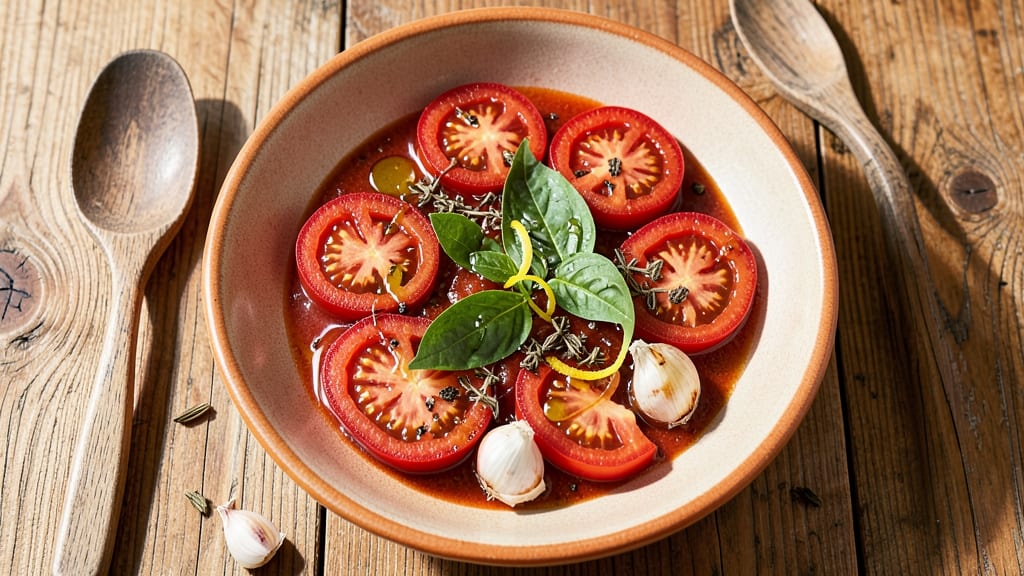
This Ina Garten-inspired fresh tomato sauce transforms summer's bounty into velvety, bright red perfection that needs no canning. The secret lies in balancing ripe tomatoes with bright acidity and fresh herbs—no heavy cream or complicated techniques required.
I've perfected this sauce over years of summer cooking, and it's become my go-to for everything from pasta to bruschetta.
What makes this sauce special is its simplicity and versatility. With just 8 ingredients and 30 minutes of active time, you'll create a sauce that's lighter than traditional marinara but packed with vibrant tomato flavor.
The key is using a mix of fresh tomatoes and a splash of vinegar to brighten the acidity, while garlic and basil build depth without overpowering.
By the time you're done, you'll have a silky, aromatic sauce that's perfect for tossing with al dente pasta, drizzling over wood-fired pizza, or serving as a dip with crusty bread.
The best part? It keeps beautifully in the refrigerator for up to 5 days or freezes for months, so you can enjoy summer flavor year-round.
For those who love Ina Garten's approach, this sauce delivers that signature balance of freshness and sophistication without requiring a food processor or special equipment. The technique is foolproof—just blend, simmer, and taste as you go. Let's make this sauce that'll elevate any meal.
Ingredients for fresh tomato sauce recipe ina garten
Eight simple ingredients transform summer tomatoes into velvety, bright red perfection—no canning required.
| Ingredient | Amount | Notes |
|---|---|---|
| Fresh Vine-Ripe Tomatoes 🍅 | 2 lb | Ripe but firm, halved |
| Extra-Virgin Olive Oil 🫒 | ½ cup | High-quality, fruity |
| Garlic Cloves 🧄 | 4 cloves | Peeled, roughly chopped |
| Fresh Basil Leaves 🌿 | ½ cup | Packed, stems removed |
| White Wine Vinegar 🍶 | 2 tbsp | Brightens acidity |
| Dried Oregano 🌿 | 1 tsp | Or fresh thyme |
| Sea Salt 🧂 | 1 tsp | Diamond Crystal preferred |
| Freshly Ground Black Pepper 🌶️ | ½ tsp | For finishing |
Tomatoes are the star, so pick the ripest you can find—those with just a hint of softness at the stem end. Heirloom varieties from a farmers market add the most flavor, but regular grocery store tomatoes work too. The key is using a mix of colors: reds for sweetness, yellows for brightness. I always grab a few extra—half go in the sauce, half get tossed into salads. For garlic, fresh is non-negotiable—jarred minced garlic has no comparison. The basil? Fresh only—dried just doesn't cut it here. If you're at Whole Foods, their organic basil is perfect, but any bright green bunch from the grocery store works.
No fresh basil? Dried oregano at half the amount gets you close, but you'll miss that fresh aroma. Short on tomatoes? Canned San Marzano tomatoes (drained well) work in a pinch, but they won't have that same summer brightness. The vinegar might seem like an odd addition, but trust me on the 2 tablespoons—it balances the sweetness beautifully. For olive oil, any good-quality extra-virgin will do, but if you're splurging, California Early Harvest adds a lovely fruity note. Want more depth? Add a pinch of red pepper flakes or a splash of pasta water to loosen the sauce.
This sauce tastes even better the next day as flavors meld. Store in an airtight container in the fridge for up to 5 days, or freeze for 3 months in ice cube trays for perfect portions. I always make a double batch—one for immediate use, one to freeze. The sauce thickens as it cools, so add a splash of water or pasta water when reheating. Perfect for drizzling over pasta, topping bruschetta, or serving with crusty bread—just like Ina would make it.
Why You'll Love This Recipe
- I’ll be real: I skip the knife entirely. Just crush those vine-ripe tomatoes by hand (or pulse them briefly if you’re impatient), and the sauce still bursts with flavor—no seeds, no fuss. The garlic gets a quick smash with the flat of my knife, and boom, you’re done.
- No-Chop Necessary: I’ll be real: I skip the knife entirely. Just crush those vine-ripe tomatoes by hand (or pulse them briefly if you’re impatient), and the sauce still bursts with flavor—no seeds, no fuss. The garlic gets a quick smash with the flat of my knife, and boom, you’re done.
- Sunshine in a Jar: That first taste of bright, tangy tomatoes kissed by olive oil and a splash of white wine vinegar? It’s like summer in your mouth. The basil leaves, torn fresh and tossed in at the end, add a peppery punch that makes this sauce ridiculously good—no heavy cream or sugar needed.
- Pasta Party Starter: This sauce doubles as a dip (hello, crusty bread), a pizza base, or a quick marinade for grilled chicken. I keep a jar in the fridge all week—slather it on toast for breakfast, toss it with pasta for lunch, or drizzle it over roasted veggies. It’s my lazy Sunday go-to.
Step-by-step instructions for fresh tomato sauce
Let's create a vibrant, summery tomato sauce that captures garden-fresh flavor without the canning process.
Prep the Tomatoes for Maximum Flavor
Start by halving the 2 lb fresh vine-ripe tomatoes horizontally, removing the cores and any bruised spots. I like to squeeze each half gently over a bowl to catch any excess juice—this helps concentrate the flavor. Place the tomatoes cut-side up in a large skillet and let them sit for 5 minutes at room temperature. This brief resting period allows the juices to release naturally, creating a more flavorful base for your sauce.
While the tomatoes rest, give them a light sprinkle of 1 tsp sea salt and 1 tsp dried oregano. This early seasoning helps draw out even more juice and infuses the tomatoes with aromatic depth. The oregano adds a subtle earthiness that pairs beautifully with the bright tomato flavor. Don't skip this step—it's what transforms good tomatoes into exceptional sauce.
Cook the Tomatoes Until Broken Down
Set your skillet over medium-low heat and add 0.5 cup extra-virgin olive oil. The oil should coat the bottom of the pan but not pool deeply—just enough to create a gentle sizzle when the tomatoes hit the pan. Give the tomatoes 10-15 minutes to cook down, stirring occasionally with a wooden spoon. You're looking for the tomatoes to soften and break down into a chunky, jam-like consistency.
Here's the thing—I like to let the tomatoes cook undisturbed for the first 5 minutes so they develop a slight caramelization at the edges. This adds depth of flavor that you just can't get by stirring constantly. Once they start breaking down, stir gently to prevent sticking, and keep cooking until the mixture resembles a thick, rustic tomato jam with some liquid still clinging to it.
Add Aromatics and Simmer Gently
After the tomatoes have softened, add the 4 peeled, roughly chopped garlic cloves and the 2 tbsp white wine vinegar. Stir everything together and let it simmer for another 5 minutes. The vinegar brightens the sauce and cuts through the richness of the tomatoes, while the garlic infuses its aromatic punch. You'll notice the mixture becomes even more fragrant as it cooks.
This is where the magic happens: the acidity from the vinegar helps break down the tomato fibers further, creating a smoother texture. Keep the heat at medium-low—too high and you'll risk burning the garlic or creating a bitter flavor. You want the garlic to soften and mellow rather than crisp up. Taste the sauce at this point—it should be tangy, slightly sweet, and deeply tomatoey.
Finish with Fresh Basil and Season
Remove the skillet from heat and stir in the 0.5 cup packed fresh basil leaves. The basil adds a bright, herbal note that contrasts beautifully with the rich tomato flavor. Let the basil steep in the warm sauce for 2 minutes—this allows its essential oils to infuse the mixture fully. Then, give everything a final taste and adjust the seasoning with more sea salt or white wine vinegar if needed.
For the finishing touch, sprinkle in the 0.5 tsp freshly ground black pepper. Freshly ground pepper adds a subtle heat that enhances all the other flavors. I like to let the sauce sit off heat for 5 minutes before serving—this allows the flavors to meld even more. The sauce should be thick enough to coat the back of a spoon but still have a pleasant, slightly chunky texture that celebrates the freshness of the tomatoes.
Serve Immediately or Store Properly
This sauce is best served fresh, but if you need to store it, let it cool completely before transferring to an airtight container. It keeps in the refrigerator for up to 5 days, though the flavor will be most vibrant when used within 24 hours. For a restaurant-quality presentation, drizzle with a little more extra-virgin olive oil and garnish with additional fresh basil leaves.
This sauce works beautifully with grilled meats, fresh pasta, or even as a topping for bruschetta. The bright, fresh flavors make it perfect for warm-weather dishes where you want to highlight the natural sweetness of tomatoes. The key to this recipe is patience—letting the tomatoes cook down slowly and seasoning thoughtfully at each step. That's what transforms simple garden tomatoes into something truly special.
Pro Tips For Making Fresh Tomato Sauce Recipe Ina Garten
- CHAR THE GARLIC: Cook the minced garlic in olive oil over medium-low heat until it’s golden—not brown—around 3-4 minutes. I learned this the hard way: burnt garlic turns bitter and ruins the whole sauce. If it smells nutty and sweet, you’re golden.
- SALT THE TOMATOES: Sprinkle a pinch of salt directly on the chopped tomatoes before cooking. This draws out excess water, giving you a thicker, more concentrated sauce. (Yes, even if you’re impatient like me—wait 10 minutes before draining.)
- DEGLaze WITH VINEGAR: After removing the garlic, splash in the white wine vinegar immediately. It lifts all the stuck-on bits off the pan, adding brightness and depth without extra effort. Skip this, and you’re missing the sauce’s signature tang.
- BASIL AT THE END: Tear the basil leaves and stir them in only at the very last second—right when you’re serving. Heat kills their flavor fast, and you want that fresh, herbal punch to shine. (Pro move: Use a handful, not just a few leaves.)
Serving suggestions for fresh tomato sauce recipe ina garten
Pasta Pairings
This bright tomato sauce shines with al dente spaghetti or linguine, where its velvety texture clings beautifully. I toss 8 oz pasta with ½ cup sauce per person, reserving ¼ cup to drizzle on top.
For a rustic touch, try bucatini—its hollow tubes soak up the sauce like a sponge. Save some pasta water to thin the sauce if needed. 🍝
Grilled Meats
Brush the sauce on grilled chicken breasts or steak during the last 5 minutes of cooking for a caramelized finish. I love it with wood-fired pork chops or grilled shrimp skewers.
The acidity in the sauce cuts through rich meats beautifully. Serve with a sprinkle of fresh basil and a drizzle of olive oil for extra flair.
Bruschetta
Toast crusty baguette slices until golden, then top with 1 tbsp sauce, a dollop of ricotta cheese, and a few cherry tomatoes. For a gourmet twist, add prosciutto di Parma and a pinch of flaky sea salt.
This makes a perfect appetizer for summer gatherings. I always double the sauce for this—it disappears fast! 🥖
Wood-Fired Pizza
Spread ¼ cup sauce on a pre-baked pizza crust, then top with fresh mozzarella, burrata, and heirloom tomato slices. Bake at 475°F for 10-12 minutes until the cheese is bubbly.
The sauce's brightness balances the richness of the cheese perfectly. For a lighter version, use cauliflower crust—it absorbs the sauce beautifully.
Dipping Sauce
Serve this sauce warm or at room temperature with crusty bread, arugula chips, or vegetable sticks. I love it with roasted red pepper strips or grilled eggplant slices.
For extra protein, pair with hummus or whipped feta in a mezze platter. The sauce's freshness makes it ideal for Mediterranean-style dips.
Breakfast Twist
Use this sauce as a breakfast topping for fried eggs or avocado toast. Warm 1 tbsp sauce and drizzle over crispy hash browns with a sprinkle of feta cheese.
The bright tomato flavor cuts through the richness of breakfast dishes beautifully. I first tried this at a Portland café and fell in love—now it's my weekend go-to!
Nutrition facts
Frequently asked questions
Can I use canned tomatoes instead of fresh ones?
You can substitute 2 (28 oz) cans San Marzano tomatoes (drained well) for the fresh ones, but the flavor won't be as vibrant. For best results, add 1 tbsp tomato paste and 1 extra tbsp vinegar to compensate for the lack of fresh acidity. The sauce will be smoother but less bright.
How do I adjust the thickness of the sauce?
If your sauce is too thick, stir in 1-2 tbsp pasta water or water until it reaches your desired consistency. For a thicker sauce, simmer uncovered for an extra 5-10 minutes to evaporate excess liquid. The sauce will naturally thicken as it cools, so adjust before serving.
Can I make this sauce in a slow cooker?
Yes! Follow the same prep steps, then transfer everything to a slow cooker and cook on low for 3-4 hours, stirring occasionally. The low-and-slow method enhances the flavors beautifully. Just add the fresh basil at the very end to preserve its brightness.
What's the best way to store leftovers?
Let the sauce cool completely, then store in an airtight container in the fridge for up to 5 days. For freezing, portion into ice cube trays or small containers—this makes it easy to thaw just what you need. The sauce keeps its quality for 3 months frozen. Always thaw in the fridge overnight.
Why did my sauce turn out too acidic?
This usually happens when using overly ripe tomatoes or adding too much vinegar. Balance the acidity by stirring in 1 tsp sugar or ½ tsp dried oregano to mellow the flavor. For future batches, taste before adding all the vinegar—start with 1 tbsp and adjust to preference.