
Sauces & Condiments
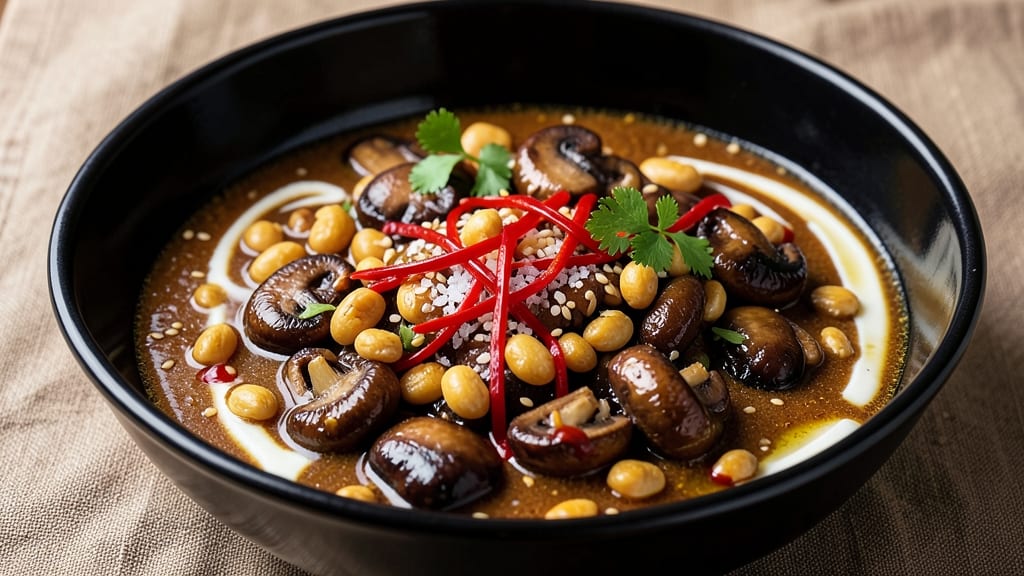
This hot pot peanut sauce recipe transforms ordinary dipping into an experience—creamy, nutty, and packed with a secret vinegar zing that balances richness perfectly. 🌟 The magic lies in blending roasted peanuts with smooth peanut butter, then simmering with aromatics until the sauce achieves that signature velvety texture with just enough tang to cut through the fat.
What makes this sauce special is how it elevates every bite of hot pot ingredients, from tender meats to crisp tofu.
The foundation starts with a simple blend of peanut butter, soy sauce, and a touch of sugar to harmonize flavors, but it’s the vinegar and chili oil that turn this into something extraordinary.
These ingredients might seem small, but they’re the secret weapons that prevent the sauce from becoming too heavy while adding layers of complexity. The result? A sauce that’s rich enough to coat every morsel but light enough to enhance, not overpower.
What you’ll end up with is a smooth, velvety peanut sauce that’s perfect for dipping—creamy yet balanced, nutty yet bright, with just the right amount of heat to keep things interesting. The best part?
It’s incredibly versatile; use it on hot pot ingredients, stir-fries, or even as a marinade for grilled meats. Plus, it keeps well in the fridge for up to a week, so you can make a big batch and enjoy it all week long.
This sauce is all about contrast—creamy peanut butter meets tangy vinegar, nutty depth meets subtle heat. The key is patience during the simmering process, letting the flavors meld without burning. Once you taste the difference between this homemade version and store-bought, you’ll never go back. Let’s get blending!
Ingredients for hot pot peanut sauce
Nine ingredients blend into this creamy, tangy sauce that takes hot pot dipping to new heights.
| Ingredient | Amount | Notes |
|---|---|---|
| Smooth Peanut Butter 🥜 | ½ cup | Natural, no sugar added preferred |
| Roasted Peanuts 🥜 | ¼ cup | Lightly crushed for texture |
| Light Soy Sauce 🥢 | 2 tbsp | Kikkoman or similar brand |
| Rice Vinegar 🍶 | 1 tbsp | White or seasoned variety |
| Chili Oil 🌶️ | 1 tbsp | Homemade or store-bought |
| Granulated Sugar 🍚 | 1 tbsp | Or brown sugar for depth |
| Garlic Cloves 🧄 | 2 cloves | Minced for aromatic base |
| Fresh Ginger 🌿 | 1 tbsp | Finely grated, fresh preferred |
| Sesame Oil 🌰 | 1 tsp | Toasted for nutty aroma |
| Water 💧 | ¼ cup | For thinning consistency |
The peanut butter and peanuts are the stars here—natural, no-sugar-added peanut butter keeps things balanced, while lightly crushed roasted peanuts add texture. Trader Joe's has the best natural peanut butter in tubes, and their roasted peanuts are perfect for this. If you're using store-bought chili oil, check the label—some brands can be too spicy, so Lao Gan Ma is my go-to for a balanced heat. Fresh ginger and garlic are non-negotiable for that aromatic punch, but if you're in a pinch, dried ginger powder works at half the amount.
No soy sauce? Coconut aminos is a great swap, though it'll be slightly sweeter. Running low on rice vinegar? Apple cider vinegar adds a fruity twist—just reduce the amount to 1 teaspoon to avoid overpowering. The sesame oil might seem small, but it's what ties everything together—skip it only if you're avoiding nuts entirely. For a smoother sauce, blend everything first before simmering. If you prefer it chunkier, just crush the peanuts a bit more and stir well. The sugar can be swapped for maple syrup, but it'll add a different depth.
This sauce keeps beautifully—1 week in the fridge sealed in a jar, or 3 months frozen in ice cube trays for single servings. The longer it sits, the better the flavors meld. I like to double the batch and keep it on hand for hot pot nights. If it thickens too much after refrigerating, just add a splash of water or a bit of soy sauce to loosen it up. Pro tip: drizzle a little sesame oil on top before sealing to preserve freshness.
Why You'll Love This Recipe
- Five-Ingredient Magic: I swear by this—just peanut butter, soy sauce, vinegar, chili oil, and a handful of peanuts. No fancy prep, no measuring cups (I eyeball it), and it still tastes like I slaved over it.
- Savory-Sweet Crunch: That first bite? Creamy peanut butter meets tangy vinegar, then bam—roasted peanuts add texture while chili oil brings the heat. It’s the kind of flavor that makes you pause mid-bite, like, "Wait, how is this so good?"
- Leftovers That Shine: Make a double batch and store it in the fridge. Drizzle it over noodles, toss it into stir-fries, or slather it on grilled chicken—it’s my lazy Sunday go-to when I don’t want to cook but still crave something ridiculously good.
- Budget-Friendly Flex: Peanut butter and peanuts are cheap, and this sauce stretches forever. Honestly, I’ve made it for game nights, potlucks, and even as a quick dip for veggies when I’m broke but still want flavor. No guilt, all satisfaction.
Step-by-step instructions for hot pot peanut sauce
Here's how to whip up this addictive sauce that balances rich peanut with tangy vinegar bite.
🍳 Step 1: Toast the Peanuts for Maximum Flavor
Heat a dry skillet over medium heat and add the 0.25 cup roasted peanuts. Toast them for 3-4 minutes, stirring constantly, until they're golden brown and fragrant. You want them to smell toasty and nutty—this enhances the sauce's depth. Let them cool slightly, then roughly chop them with a knife or pulse briefly in a food processor.
Don't skip this step! Freshly toasted peanuts add a smoky dimension that store-bought peanut butter can't match. If you're using pre-toasted peanuts, just give them a quick pulse to break them up slightly—the texture should be somewhere between whole and powdery.
👨🍳 Step 2: Build the Sauce Base with Peanut Butter and Aromatics
In a medium saucepan, combine the 0.5 cup smooth peanut butter, 2 cloves minced garlic, and 1 tbsp finely grated fresh ginger over low heat. Stir constantly for 2-3 minutes until the peanut butter melts completely and the mixture becomes smooth. You'll notice the garlic and ginger dissolve into the peanut butter, creating a fragrant aromatic base.
Here's where it gets good: Add the 2 tbsp light soy sauce and 1 tbsp granulated sugar, stirring to fully incorporate. The sugar helps balance the peanut's richness while the soy sauce adds umami depth. Keep the heat low—peanut butter burns easily when overheated. You should have a thick, glossy paste at this stage.
🔥 Step 3: Add the Secret Tangy Components
Now for the magic ingredients: Pour in the 1 tbsp rice vinegar and 0.25 cup water all at once. Stir vigorously for 1-2 minutes until the sauce begins to thin out. The vinegar might look like too much at first, but trust me—it cuts through the peanut's richness and creates that perfect balance. You want the sauce to be pourable but still coat the back of a spoon.
Add the 1 tbsp chili oil and 1 tsp sesame oil, stirring well to combine. The chili oil adds heat and visual appeal, while the sesame oil contributes nutty aroma. Taste the sauce now—it should be rich, slightly sweet, with a nice tangy kick. If it needs more balance, add another teaspoon of vinegar or a pinch of sugar.
⏰ Step 4: Finish and Adjust to Perfection
Return the sauce to low heat and let it simmer gently for 3-4 minutes, stirring occasionally. This final step allows all the flavors to meld together. You're looking for a sauce that's smooth, glossy, and perfectly balanced—not too thick, not too thin.
If the sauce is still too thick after simmering, add water 1 tablespoon at a time until it reaches your desired consistency. For extra texture, stir in the toasted, chopped peanuts at the end. The sauce should be ready to drizzle over hot pot meats, noodles, or even fresh spring rolls. Serve immediately while warm for the best flavor experience!
Pro Tips For Making Hot Pot Peanut Sauce
- STIR LOW AND SLOW: Peanut butter burns faster than you’d think—keep the heat at medium-low and stir constantly with a silicone spatula. I learned this the hard way when I walked away for "just a second" and ended up with a charred lump that took 10 minutes to salvage.
- TOAST PEANUTS FIRST: Skip the jarred roasted peanuts and dry-toast your own for 5-7 minutes in a 350°F oven until they’re fragrant and golden. The extra crunch and nutty depth make a real difference, and it takes less time than you’d assume.
- BALANCE THE SALT: Light soy sauce already packs salt—taste before adding extra. I used to double the soy and wondered why the sauce tasted flat; now I start with half and adjust. A pinch of sugar (½ tsp) also cuts the bitterness if needed.
- EMULSIFY WITH VINEGAR LAST: Mix the peanut butter and soy sauce first, then slowly drizzle in rice vinegar while whisking vigorously. This prevents separation and gives you that silky, cohesive texture without over-thinning the sauce. (Yes, even if you’re impatient like me.)
Flavor customization for this dish
Sweet and Tangy Twist
Swap the rice vinegar for 1 tbsp honey or maple syrup to create a sweeter, caramelized peanut sauce. Increase the chili oil to 2 tbsp for balance, and add ½ tsp ground white pepper for warmth.
This version works amazingly with grilled meats or as a glaze for tofu. The honey adds a subtle floral note that pairs beautifully with the peanut’s nuttiness. 🌟
Spicy and Smoky
Boost the heat by adding 1 tbsp gochujang (Korean chili paste) and ½ tsp smoked paprika to the simmering sauce. For extra depth, stir in 1 tsp toasted sesame seeds at the end.
This smoky-spicy version is perfect for dipping spicy hot pot ingredients like chili oil-marinated beef or crispy tofu. The gochujang brings a fermented richness that complements the peanut’s creaminess. 🔥
Creamy and Herby
Blend in 2 tbsp Greek yogurt or coconut yogurt after simmering for a lighter, tangier sauce. Add 1 tsp fresh cilantro (finely chopped) and ½ tsp lime zest for a bright, herby finish.
This version is ideal for dipping grilled shrimp or vegetable spring rolls. The yogurt adds a silky texture while the lime zest cuts through the richness. ✨
Umami Bomb
For a deeper savory profile, stir in 1 tbsp miso paste (white or red) and 1 tsp fish sauce during the simmer. Reduce the sugar to ½ tbsp to balance the saltiness.
This umami-packed sauce is perfect for hot pot meats like duck or pork belly, where the miso and fish sauce enhance the natural richness. The miso also adds a subtle fermented complexity that elevates the dish. 💫
Citrusy Zing
Add 1 tbsp fresh lime juice and 1 tsp orange zest to the finished sauce for a bright, citrusy kick. This version pairs beautifully with grilled chicken or crispy wontons.
The citrus cuts through the peanut’s richness while adding a refreshing contrast. For extra zing, drizzle with a touch of chili crisp before serving. 🍋
Thick and Chunky
For a rustic texture, blend in ¼ cup crushed peanuts and 1 tbsp chopped scallions at the end. This version is perfect for dipping crispy fried dumplings or hot pot vegetables.
The chunky texture adds contrast to the smooth peanut base, making every bite more exciting. Serve with extra peanuts on the side for dipping. 🥜
Nutrition facts
Frequently asked questions
Can I make this peanut sauce without peanuts?
The peanuts are essential for the signature nutty flavor, but you can substitute with ¼ cup almond butter or cashew butter for a similar creamy texture. Just reduce the water to 2 tablespoons since nut butters vary in thickness. If avoiding all nuts, try ½ cup tahini (sesame paste) plus 1 teaspoon lemon juice to balance the richness.
How spicy should the chili oil be?
Start with 1 tablespoon mild chili oil—it should add color and warmth, not overwhelming heat. For extra kick, use ½ teaspoon chili flakesstrong> instead or increase to 2 tablespoons of medium-spicy oil. Taste as you go! The vinegar already balances heat, so adjust gradually.
Can I make this sauce ahead of time?
This sauce actually tastes better after 24 hours as flavors meld. Store in an airtight container in the fridge for up to 1 week. Stir well before using—it may thicken slightly. For longer storage, freeze in 1-tablespoon portions for easy dipping. Thaw overnight in the fridge.
What if my sauce is too thick/thin?
For a thicker sauce, simmer uncovered for 2-3 extra minutesstrong> to evaporate moisture. If too thin, stir in 1 teaspoon peanut butterstrong> at a time. For a smoother texture, blend briefly after simmering. The ideal consistency should coat the back of a spoon but still be pourable.
What are the best hot pot ingredients to dip?
This sauce shines with grilled meatsstrong> (duck, pork belly, chicken), crispy tofu, and fresh spring rolls. It also works beautifully with steamed fishstrong> or blanched vegetablesstrong>. For extra fun, serve with crusty breadstrong> or rice noodlesstrong> to scoop up every last drop.