
Sauces & Condiments
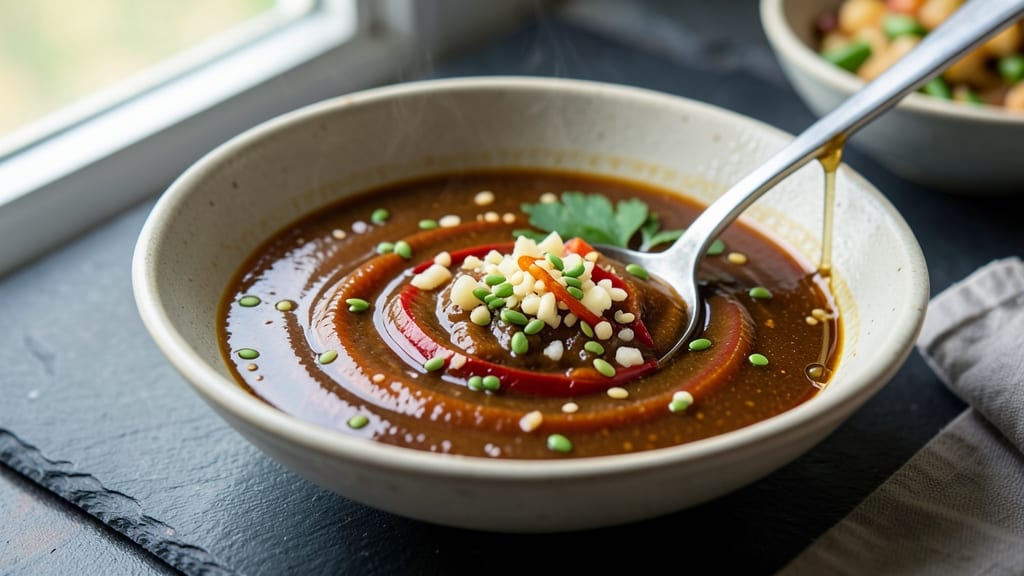
This hoisin stir fry sauce recipe delivers the perfect balance of sweet, savory, and umami that transforms any stir-fry into a restaurant-quality dish. The secret lies in fermented soybean paste, which creates that signature depth, while garlic and ginger add aromatic warmth.
I've refined this recipe over countless wok sessions to ensure a smooth, thick consistency that clings beautifully to proteins and vegetables.
The beauty of this sauce is its versatility—it works equally well as a glaze for meats, a dipping sauce for spring rolls, or a flavor enhancer in noodle dishes. Traditional versions rely on a longer simmer to develop complexity, but this foolproof method delivers professional results in under 20 minutes.
The key is balancing the sweetness with tangy vinegar and a touch of chili for heat, creating layers of flavor that build with each bite.
What sets this recipe apart is its ability to elevate simple ingredients into something extraordinary. The sauce starts with a rich base of fermented soybean paste and brown sugar, then builds complexity through garlic, ginger, and a splash of rice vinegar.
By the time it's done, you'll have a glossy, aromatic sauce that's thick enough to coat but still light enough to enhance rather than overpower.
Perfect for meal prep or last-minute cooking, this hoisin sauce keeps well in the refrigerator for up to two weeks. Double the batch—it disappears faster than you can say "wok hei." Let's make this sauce!
Ingredients for stir fry sauce recipe hoisin
Nine ingredients transform into a glossy, aromatic sauce perfect for wok perfection.
| Ingredient | Amount | Notes |
|---|---|---|
| Fermented Soybean Paste (Hoisin Paste) 🥫 | ½ cup | Store-bought or homemade for authentic flavor |
| Brown Sugar 🍯 | ½ cup | Light or dark, packed into cup |
| Rice Vinegar 🍶 | ¼ cup | White or seasoned, not apple cider |
| Garlic Cloves 🧄 | 6 cloves | Fresh, minced for aromatic depth |
| Fresh Ginger 🌿 | 2 tbsp | Grated, not powdered |
| Sesame Oil 🫒 | 1 tbsp | Toasted, for nutty aroma |
| Red Chili Flakes 🌶️ | 1 tbsp | Adjust for heat preference |
| Salt 🧂 | ½ tsp | Kosher or sea salt |
| Water 💧 | ½ cup | For thinning consistency |
| Cornstarch 🌾 | 1 tsp | Dissolved in 1 tbsp water |
The fermented soybean paste is the heart of this sauce—look for authentic hoisin paste at Asian markets or specialty stores. Lee Kum Kee brand is a reliable choice, but homemade versions using fermented soybean paste and five-spice powder elevate it further. If you can't find it, substitute with 2 tbsp soy sauce plus 1 tbsp molasses, though it won't have the same depth. Fresh garlic and ginger are non-negotiable—they're the aromatic backbone, so don't use powdered substitutes. For ginger, peel it first, then grate it; the oils release better that way.
No rice vinegar? Substitute with apple cider vinegar or white wine vinegar, but reduce to 2 tbsp to avoid over-acidity. Want less heat? Cut the chili flakes to 1/2 tbsp or use 1/2 tsp cayenne instead. The sesame oil adds that signature nutty aroma—don't skip it, but if you're sensitive to strong flavors, use only 1/2 tbsp. For a smoother texture, blend the sauce after cooking. If you need it thicker, add another 1/2 tsp cornstarch slurry (mix 1/2 tsp cornstarch with 1 tsp water).
This sauce keeps beautifully in an airtight container in the fridge for 2 weeks, though it's best used within the first week. For longer storage, freeze in ice cube trays—thaw overnight in the fridge and stir before using. Double the batch if you're prepping for the week; it's perfect for glazing tofu, chicken, or pork. If the sauce thickens upon reheating, just add a splash of warm water and stir. The flavors actually improve after sitting for a few hours, so make it ahead if possible.
Why You'll Love This Recipe
- Here’s what sold me: the hoisin’s deep umami meets the brown sugar’s caramelized bite, then the rice vinegar cuts through like a bright little surprise. It’s not just sweet or salty—it’s both, and that’s the magic.
- Pantry Magic: I swear by this sauce because it uses exactly what I already have—no last-minute grocery runs. That jar of hoisin paste? Already in my cabinet. The brown sugar? Somewhere in the back. Just toss them in a pan with garlic and ginger, and boom—flavor without the fuss.
- Sweet-Savory Balance: Here’s what sold me: the hoisin’s deep umami meets the brown sugar’s caramelized bite, then the rice vinegar cuts through like a bright little surprise. It’s not just sweet or salty—it’s both, and that’s the magic.
- Weeknight Workhorse: Between us, this sauce turns boring stir-fries into something special with zero effort. I’ve drizzled it over eggs for breakfast, tossed it with noodles for lunch, and even glopped it on grilled chicken for dinner. (Yes, even on a Tuesday night.)
Step-by-step instructions for homemade hoisin stir fry sauce
This sauce delivers restaurant-quality depth with just 10 minutes of active work.
Mince Garlic and Ginger for Maximum Flavor
Peel the 6 cloves garlic and finely mince them using a sharp knife. I like to smash each clove with the flat of my knife first to break down the cell walls, then chop into a paste. For the 2 tablespoons fresh ginger, use a microplane or fine grater to create a smooth, paste-like texture—this ensures even distribution throughout the sauce.
The key here is surface area. Finely minced garlic and grated ginger release their flavors more completely during cooking. If using a food processor, pulse briefly to avoid turning the garlic into a paste, which can make the sauce bitter. Set these aromatics aside—they'll form the flavor foundation of your sauce.
Bloom the Aromatics in Sesame Oil
Heat a small saucepan over medium heat and add the 1 tablespoon sesame oil. Swirl to coat the bottom evenly. Add the minced garlic and grated ginger, stirring constantly for 1-2 minutes until the garlic turns golden brown and the ginger becomes fragrant. This process, called blooming, deepens their flavors through caramelization.
Watch carefully—garlic burns quickly. If it starts to darken too much, reduce heat to low and continue stirring. The moment you smell that nutty, toasty aroma, you've unlocked the sauce's complexity. Remove from heat immediately after the garlic browns to prevent bitterness.
Combine Wet Ingredients and Simmer
Return the pan to medium heat and add the 0.5 cup hoisin paste, 0.5 cup brown sugar, 0.25 cup rice vinegar, 0.5 teaspoon salt, and 1 tablespoon red chili flakes. Stir vigorously to dissolve the sugar completely—it should look smooth with no graininess. Pour in the 0.5 cup water and bring to a gentle simmer.
Let the mixture bubble for 3-4 minutes until it thickens slightly. You're looking for a sauce that coats the back of a spoon but still flows easily. If it thickens too quickly, add 1 tablespoon water at a time until you reach the right consistency. The sugar will help balance the sauce's sweet-savory profile as it caramelizes.
Thicken with Cornstarch Slurry
In a small bowl, whisk together the 1 teaspoon cornstarch with 1 tablespoon cold water until completely dissolved. This creates a smooth slurry that will gently thicken your sauce without clumping. Return the saucepan to medium-low heat and slowly pour the cornstarch mixture into the pan while stirring constantly.
Simmer for 1-2 minutes until the sauce reaches your desired consistency—it should coat a spoon but still be pourable. For wok cooking, I prefer a slightly thinner consistency that clings to vegetables and proteins. Taste and adjust seasoning: add more rice vinegar for tang, brown sugar for sweetness, or salt for depth. The sauce should harmonize all flavors with a lingering sweet-spicy finish.
Cool and Store for Maximum Flavor Development
Remove the sauce from heat and let it cool to room temperature. I find that allowing the sauce to sit for 10-15 minutes lets the flavors meld more completely. For best results, transfer to an airtight container and refrigerate. This sauce keeps for up to 2 weeks in the fridge, with flavors actually improving as it sits.
The sauce will thicken further as it cools—this is normal. If you prefer a thinner consistency for immediate use, simply whisk in 1-2 tablespoons water before serving. This versatile glaze works equally well as a dipping sauce, stir-fry coating, or marinade for grilled proteins. The balance of sweet, savory, and spicy makes it perfect for Asian-inspired dishes.
Pro Tips For Making Stir Fry Sauce Recipe Hoisin
- Bloom the Ginger: Grate the ginger fine—like wet sand—and let it sit in the sauce for 5 minutes before tasting. I used to chop it roughly, but this releases the heat and aroma without bitterness. (Yes, even if you’re impatient like me, wait.)
- Sweat Garlic Slow: Cook the garlic in the hoisin paste on medium-low until it’s golden, not brown. After burning three batches, I finally figured out: hoisin’s natural oils are delicate—high heat turns it bitter. Stir every 30 seconds.
- Balance the Sugar: Taste the sauce before adding all the brown sugar—hoisin paste is already sweet. Start with half the amount, then adjust. I skip this and end up with a dessert sauce every time.
- Warm the Vinegar: Heat the rice vinegar with the sauce for 30 seconds—just until it steams. Cold vinegar makes the sauce taste harsh. (Your future self will thank you.)
Perfect pairings for this dish
Protein Pairings
This hoisin sauce transforms simple proteins into showstoppers. For chicken, I marinate 1 lb boneless thighs in 2 tbsp sauce plus 1 tbsp soy sauce for 30 minutes before stir-frying. The sauce caramelizes beautifully on the wok, creating a sticky glaze.
For pork, use 1 lb tenderloin sliced into ½-inch strips—toss with 3 tbsp sauce and 1 tsp five-spice powder for extra depth. 🍗
Tofu lovers, don’t miss out! Press and cube 1 block extra-firm tofu, then pan-fry until golden. Toss with 3 tbsp sauce and 1 tsp sesame oil for a sauce that clings perfectly.
For shrimp, sauté 1 lb peeled shrimp in 1 tbsp oil until pink, then finish with 2 tbsp sauce and a squeeze of lime. The sweet-spicy balance cuts through the richness.
Vegetable Complements
Bell peppers, broccoli, and snap peas absorb the sauce like sponges. I like to blanch 2 cups broccoli florets for 1 minute in boiling water, then toss with 2 tbsp sauce and 1 tsp toasted sesame seeds.
The sauce’s thickness makes it ideal for coating crunchy vegetables—try it with 1 red bell pepper sliced into strips and 1 carrot julienned. For a smoky twist, add ½ tsp smoked paprika to the sauce before tossing with 1 cup shiitake mushrooms. 🥦
Noodle & Rice Pairings
Elevate your rice bowls by drizzling 2 tbsp sauce over 1 cup cooked jasmine rice, then top with 2 tbsp chopped scallions and 1 tsp sesame seeds. For noodles, toss 8 oz rice noodles with 3 tbsp sauce and 1 tbsp soy sauce for a quick takeout-style dish.
I also love using it as a dipping sauce for egg rolls or spring rolls—just warm 2 tbsp sauce with 1 tsp water to thin it slightly. The sauce’s stickiness makes it perfect for clinging to chewy noodles or crispy fried wrappers.
Unexpected Uses
Think beyond stir-fries! Brush ½ cup sauce on 1 lb pork belly slices before roasting at 375°F for 25 minutes—the result is a crackling, caramelized exterior. For a quick glaze, simmer 2 tbsp sauce with 1 tbsp honey and brush over grilled chicken skewers.
Even deviled eggs get a makeover: mix 1 tbsp sauce into the yolk filling for a sweet-savory twist. The sauce’s versatility makes it a pantry staple for both quick meals and special occasions. 💡
Nutrition facts
Frequently asked questions
Can I make this hoisin sauce without fermented soybean paste?
Yes! For a quick substitute, mix 2 tablespoons soy sauce with 1 tablespoon molasses or 1 teaspoon maple syrup. While it won't have the same depth, this combo mimics the sweet-savory balance. For better results, try 1 tablespoon hoisin sauce (store-bought) plus 1 teaspoon soy sauce—this gets you closer to the authentic umami flavor.
How do I adjust the heat level in this sauce?
Start with ½ tablespoon red chili flakes for mild heat, or use ¼ teaspoon cayenne pepper for a smoother spice. For no heat, simply omit the chili entirely. If you love spicy food, add 1 teaspoon sriracha or ½ teaspoon crushed red pepper flakes after cooking. Always taste as you go—you can't easily remove excess spice later!
Can I use this sauce for non-Asian dishes?
This versatile sauce works wonderfully with burgers (as a glaze), grilled chicken, or even roasted vegetables. For Western dishes, reduce the chili to ½ teaspoon and add ½ teaspoon smoked paprika for depth. Try it on pulled pork sandwiches or as a dipping sauce for fries—the sweet-spicy combo is addictive!
Why did my hoisin sauce turn out too thick?
This usually happens from over-simmering or not enough water. Thin it with 1 tablespoon warm water at a time while stirring constantly. For future batches, add an extra 2 tablespoons water during the initial simmer. If it's still too thick, blend in 1 teaspoon water or whisk in ½ teaspoon cornstarch slurry (mix ½ tsp cornstarch with 1 tsp water) to adjust texture.
How can I make this sauce spicier without adding chili?
For heat without chili flakes, add 1 teaspoon fresh grated ginger (boosts natural spice) or ½ teaspoon ground Sichuan peppercorns (for numbing heat). A dash of fish sauce (½ teaspoon) also adds umami depth that enhances perceived spiciness. For a smoky kick, stir in ¼ teaspoon liquid smoke—it deepens flavor without direct heat.