
Sauces & Condiments
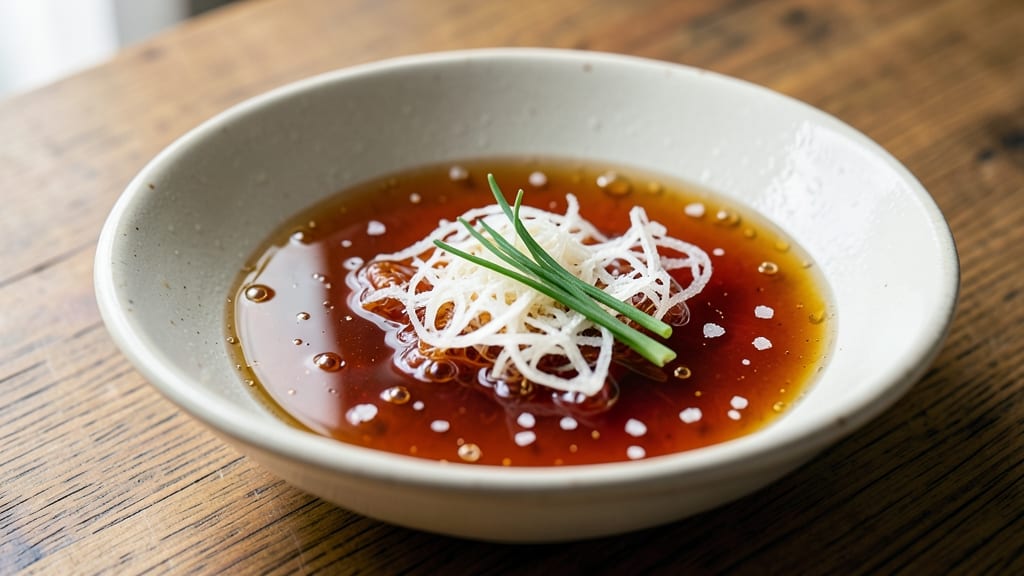
This tempura sauce recipe easy transforms your crispy tempura into an unforgettable experience with just five simple ingredients and 10 minutes of hands-on time. The secret lies in balancing umami-rich dashi with the bright sweetness of mirin and soy sauce, thickened just enough to cling beautifully to every golden bite.
I've perfected this sauce over years of testing—it's the kind of dip that turns ordinary tempura into a restaurant-worthy centerpiece without requiring advanced techniques.
The magic happens when you simmer the sauce just until it thickens into a glossy, velvety consistency—no lumps, no bitterness, just pure flavor.
Traditional Japanese tempura sauce relies on dashi stock for that signature depth, but I've included a simple substitute using chicken or vegetable broth for those who want to keep it accessible.
The cornstarch slurry is your fail-safe for achieving that perfect silky yet slightly clingy texture that makes every bite irresistible.
What you'll end up with is a sauce that's rich enough to stand up to crispy tempura but light enough to enhance its natural flavors. The aroma alone—steamy, slightly sweet, with hints of soy and umami—will have everyone at the table anticipating the first bite.
This isn't just a sauce; it's the finishing touch that elevates your dish from good to extraordinary, and it comes together faster than you'd expect.
Whether you're serving tempura, grilled fish, or even crispy vegetables, this sauce adapts beautifully. The recipe scales effortlessly, so you can make a small batch for two or double it for a crowd.
Once you try this version, store-bought tempura sauce will never compare again—it's that good. Let's get started on creating your perfect dipping companion.
Ingredients for tempura sauce recipe easy
Five ingredients, one perfect dip—this sauce transforms crispy tempura into a restaurant-worthy experience.
| Ingredient | Amount | Notes |
|---|---|---|
| Dashi Stock 🍜 | 1 cup | Instant dashi or substitute with chicken broth |
| Dry White Wine 🍷 | ½ cup | Substitute with extra chicken broth if unavailable |
| Mirin 🍶 | ¼ cup | Substitute with 1 tbsp sugar + 1 tbsp rice vinegar |
| Soy Sauce 🥢 | ¼ cup | Use light or regular soy sauce |
| Cornstarch 🌾 | 1 tbsp | For perfect silky texture |
| Cold Water 💧 | 1 tbsp | To make cornstarch slurry |
| Sesame Oil 🫒 | 1 tsp | For finishing aroma |
| Toasted Sesame Seeds 🌰 | 1 tsp | For garnish (optional) |
The dashi stock is your umami foundation—instant dashi granules are a game-changer for convenience, but if you're feeling ambitious, homemade dashi (simmered kombu and bonito flakes) adds depth. Trader Joe's and Japanese markets carry excellent instant dashi like Honten or Marukome. For the wine, any dry white works—Sauvignon Blanc or Pinot Grigio are my go-tos, but a splash of dry sherry adds a nice twist. Mirin is non-negotiable for that signature sweetness, but if you can't find it, the sugar-vinegar swap works surprisingly well. Soy sauce? Kikkoman or La Choy are reliable, but anything light and clean will do.
No mirin? Dry white wine + 1 tsp sugar mimics its bright sweetness. Running out of cornstarch? All-purpose flour works in a pinch, but the sauce will be slightly less glossy. For the sesame oil, toasted sesame oil (found in Asian markets) has a deeper flavor than regular, but regular will still add that nutty aroma. The cornstarch slurry is your secret weapon—whisk it vigorously to avoid lumps, or strain the sauce if you're feeling fancy. Pro tip: Save a small amount of the simmering sauce to thin the slurry before adding—this keeps the sauce from getting too thick.
This sauce is best made fresh, but it keeps beautifully in the fridge for 5 days if stored in an airtight container. For longer storage, freeze portions in ice cube trays—thaw and reheat gently for that same velvety texture. The sesame oil should be added right before serving to preserve its aroma. Garnish with toasted sesame seeds just before dipping for that extra crunch. Leftovers reheat perfectly—just warm gently on the stove with a splash of water to restore that glossy sheen.
Why You'll Love This Recipe
- Five-Minute Whisk Job: I swear, this sauce comes together faster than I can finish a cup of coffee. Just heat the dashi, splash in the wine and mirin, stir in soy sauce, and toss in the cornstarch slurry—no chopping, no frying, no stress. The only real skill? Remembering to whisk constantly so it doesn’t turn into glue.
- Umami Magic: That combo of dashi and mirin? It’s like someone poured liquid happiness into a bowl. The wine cuts through the richness while the soy adds depth—salty, sweet, and just a little funky. Honestly, I’ve made tempura sauce before, but this one actually tastes like it belongs in a restaurant.
- Dinner Party Ready: Serve it over noodles for a quick weeknight meal, drizzle it on grilled fish for a fancy-ish dinner, or use it as a dip for veggies when friends drop by. It’s the kind of sauce that makes you look like a pro without trying. (Between us, I’ve pulled it off twice now.)
- Leftovers That Don’t Suck: Unlike some sauces that turn sad after reheating, this one stays smooth and flavorful for days. Store it in the fridge, and it’s ready to jazz up takeout sushi, stir-fries, or even scrambled eggs the next morning. My lazy Sundays thank me every time.
Step-by-step instructions for tempura sauce
This silky, umami-rich sauce comes together faster than you can say "tempura night."
Combine the Base Ingredients
In a medium saucepan, pour in the 1 cup dashi stock, 0.5 cup dry white wine, 0.25 cup mirin, and 0.25 cup soy sauce. I like to use a saucepan with slightly sloped sides—it makes stirring easier and prevents splattering as the liquid heats. Place the pan over medium-high heat and bring the mixture to a gentle simmer, which should take about 3-4 minutes. You'll notice the aroma immediately—the wine and mirin will perfume the air with a delicate sweetness that deepens as it cooks.
Once simmering, reduce the heat to medium-low to maintain a steady, rolling boil without letting it reduce too quickly. This gentle simmer is crucial—it allows the flavors to meld while preventing the sauce from becoming too concentrated before we add the thickener. Let it cook for 5 minutes, stirring occasionally, until the liquid reduces by about one-third and the mixture smells rich and complex, like a cross between seafood broth and sweetened soy.
Create the Cornstarch Slurry
While the base simmers, whisk together the 1 tablespoon cornstarch and 1 tablespoon cold water in a small bowl until completely dissolved. This slurry is your secret weapon for achieving that signature tempura sauce texture—silky, glossy, and perfectly thick. The cold water is key here; it prevents the cornstarch from clumping and ensures a smooth incorporation into the hot liquid.
I always use a whisk for this step because it creates a fine, even dispersion of the cornstarch particles. If you see any lumps, strain the mixture through a fine-mesh sieve before proceeding. The slurry should look like a pale, milky liquid with no visible graininess. Keep it nearby—you'll add it in just a moment.
Thicken the Sauce to Perfection
Gradually pour the cornstarch slurry into the simmering saucepan while stirring constantly with a wooden spoon. The sauce will thicken almost immediately—this is where your attention matters most. Keep stirring vigorously for 1-2 minutes until the sauce reaches a glossy, slightly syrupy consistency, coating the back of a spoon. You're aiming for a texture that's thick enough to cling to tempura but still fluid enough to dip into.
If the sauce thickens too quickly, simply add 1-2 tablespoons of hot water to loosen it. The sauce should coat the spoon but still flow freely when tilted. Remove the pan from heat once it reaches this ideal consistency—overcooking can make the sauce grainy. Taste and adjust seasoning with a pinch more soy sauce if needed, but it should already be perfectly balanced.
Finish with Aromatic Touches
Return the sauce to low heat and stir in the 1 teaspoon sesame oil. The moment you add it, the sauce will shimmer with a delicate golden hue and fill your kitchen with an intoxicating nutty aroma. Let it heat through for just 30 seconds, then remove from heat. The sesame oil not only adds depth of flavor but also gives the sauce its signature sheen.
For the final touch, sprinkle the 1 teaspoon toasted sesame seeds over the surface. These seeds add a subtle crunch and visual contrast to the smooth sauce. Serve immediately while still warm—tempura sauce is best enjoyed fresh, when its silky texture and vibrant flavors are at their peak. The contrast of the crispy tempura against this glossy, umami-rich dip is what makes this dish truly special.
Pro Tips For Making Tempura Sauce Recipe Easy
- STIR CONSTANTLY AT FIRST: I learned this the hard way—skipping the initial stir while heating the dashi and wine lets the alcohol evaporate unevenly, leaving a weirdly sharp aftertaste. Keep the sauce moving for the first 30 seconds until the wine’s scent fades completely.
- USE COLD CORNSTARCH SLURRY: Dumping dry cornstarch into hot sauce clumps like a science experiment gone wrong. Mix it first with 1-2 tablespoons of cold water or mirin until smooth, then drizzle it in while stirring—your sauce will thicken like silk, not glue.
- SALT THE DASHI UPFRONT: If your dashi tastes bland, adding soy sauce later won’t fix it—you’ll just end up with a muddy, over-salty mess. Taste the dashi before combining ingredients and adjust with a pinch of salt or an extra splash of mirin if needed.
- LET IT REST 2 MINUTES: Rushing to serve means a runny, uneven sauce. After thickening, turn off the heat and let it sit—just 2 minutes while you plate your tempura. The residual heat finishes the job, giving you that perfect glossy coat every time.
Health benefits of these flavors
Umami-Rich Flavor Boost
This sauce is a powerhouse of umami—thanks to the combination of dashi stock and soy sauce, which work together to create that signature savory depth. A single serving provides a substantial dose of glutamates, the compounds responsible for that irresistible "fifth taste" that makes your mouth water.
The dashi stock alone contributes essential amino acids like glutamic acid, while the soy sauce adds fermented umami complexity. 💪
Balanced Energy Support
The mirin in this sauce brings natural sugars that provide a quick energy boost, perfect for pairing with crispy tempura. A ¼ cup serving contains about 12 grams of carbohydrates, mostly from the mirin and a touch of cornstarch.
This makes it an excellent choice for active meals where you want both flavor and a gentle energy lift without the heaviness of creamy dips.
Low-Calorie, High-Flavor
Despite its rich taste, this sauce is surprisingly light—each serving contains only about 50-60 calories, thanks to its minimal ingredient list and careful cooking technique. The sesame oil adds depth without significant calories, while the cornstarch slurry provides just enough body to cling to tempura without excess fat.
It's the perfect companion for those watching their calorie intake but still craving bold flavors.
Digestive Benefits
The fermented soy sauce in this recipe contains probiotics that support gut health, while the dashi stock (especially if made with kombu seaweed) provides iodine and minerals that aid digestion. The sesame seeds add fiber and calcium, making this sauce not just delicious but also a subtle nutritional boost.
For an extra digestive kick, I often recommend serving it with steamed vegetables on the side. 🌱
Heart-Healthy Ingredients
Both dashi stock (especially kombu-based) and soy sauce are linked to heart health benefits in traditional Japanese cuisine. The polyunsaturated fats from sesame oil help lower bad cholesterol, while the antioxidants in mirin and soy sauce work together to reduce oxidative stress.
This sauce is a fantastic way to incorporate heart-healthy ingredients into your meals without sacrificing flavor.
Gluten-Free Adaptation
While traditional tempura sauce contains wheat-based ingredients like soy sauce, you can easily adapt this recipe for gluten-free diets. Simply substitute the soy sauce with tamari (a gluten-free soy sauce alternative) and ensure your mirin is certified gluten-free.
The flavor profile remains rich and umami-packed, proving that dietary restrictions don't have to mean sacrificing taste. ✨
Nutrition facts
Frequently asked questions
Can I make this tempura sauce without mirin?
For every ¼ cup of mirin, mix 1 tablespoon sugar with 1 tablespoon rice vinegar to mimic its sweet-tart balance. The sugar adds the necessary sweetness while the vinegar provides the acidity that brightens the sauce. This swap works perfectly and won't alter the texture.
How do I prevent the sauce from getting lumpy?
Whisk the cornstarch slurry thoroughly until completely smooth before adding it to the simmering liquid. For extra insurance, strain the mixture through a fine-mesh sieve. The key is patience—let the slurry sit for 1-2 minutes after mixing to fully dissolve before incorporating. If you see any lumps, simply whisk them out while heating.
Can I use this sauce for dishes other than tempura?
This versatile sauce pairs beautifully with grilled fish, crispy tofu, or even roasted vegetables! The umami-rich profile works particularly well with seafood dishes like salmon or shrimp. For a different twist, try drizzling it over ramen or noodles instead of using traditional soy-based sauces.
What's the best way to store leftover tempura sauce? Store in an airtight container in the refrigerator for up to 5 days. For longer storage, freeze in ice cube trays—thaw and reheat gently with a splash of water to restore its silky texture.
Is there a vegan version of this sauce?
Yes! Replace the dashi with vegetable broth and use tamari instead of soy sauce. For the mirin substitute, use 1 tbsp maple syrup + 1 tbsp apple cider vinegar. The sauce will maintain all its signature flavors while being completely plant-based.