
Sauces & Condiments
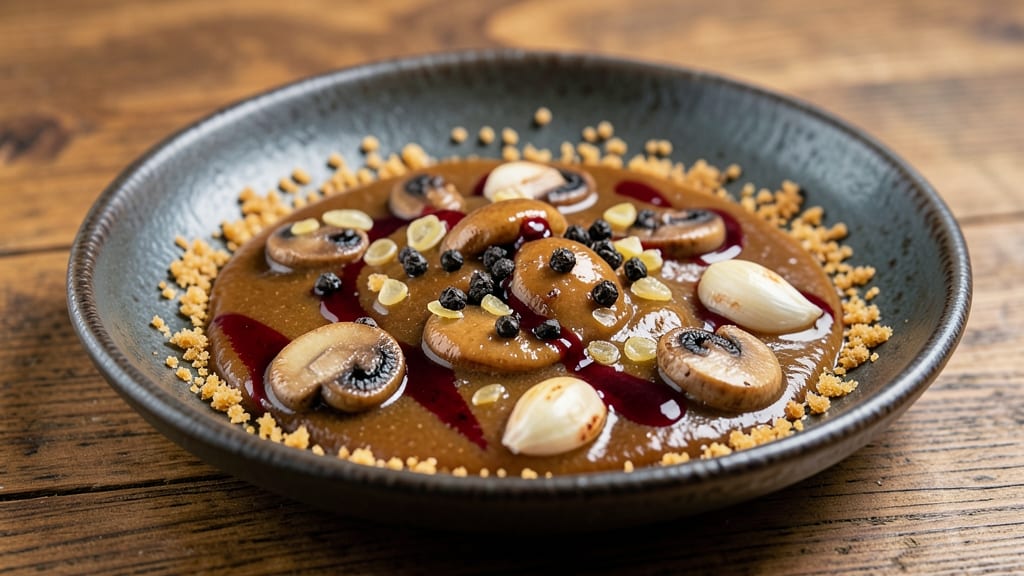
This venison sauce recipe transforms game day into a gourmet experience with its deep umami richness and earthy herb balance—perfect for elevating roasted, grilled, or braised venison.
The secret lies in a slow reduction of red wine and wild mushrooms, creating a velvety sauce that clings to every bite like a restaurant-worthy finish. I developed this after years of hunting trips where store-bought sauces simply couldn’t match the depth of homemade.
What sets this sauce apart is the dual-layered flavor profile: the wine’s acidity brightens the gamey richness of venison, while black peppercorns and rosemary add a forest-floor complexity. The key technique?
Deglazing the pan with wine after searing the mushrooms—this unlocks caramelized depth that transforms ordinary broth into something extraordinary. It’s the kind of sauce that turns a simple venison roast into a centerpiece dish.
By the time you’re done, you’ll have a glossy, aromatic sauce with just the right balance of tang and earthiness—thick enough to coat but light enough to let the venison’s natural flavor shine.
It keeps beautifully in the fridge for up to 5 days or freezes for 3 months, making it ideal for meal prep or holiday gatherings. The best part? Every spoonful tastes like a wild harvest, not a shortcut.
Serve it over sliced venison, drizzle it over roasted root vegetables, or use it as a glaze for grilled cuts. Here’s how to make it—professional results with simple techniques.
Ingredients for venison sauce
Nine ingredients for a sauce that transforms venison into a gourmet masterpiece.
| Ingredient | Amount | Notes |
|---|---|---|
| Dry Red Wine 🍷 | 1 ½ cups | Bold, dry variety like Cabernet Sauvignon |
| Wild Mushrooms 🍄 | 8 oz | Cremini or shiitake, sliced thin |
| Shallots 🧅 | 3 whole | Minced for depth of flavor |
| Garlic Cloves 🧄 | 4 cloves | Peeled and smashed for aromatic punch |
| Beef Broth 🥫 | 1 cup | Homemade or high-quality store-bought |
| Black Peppercorns 🌶️ | 1 tsp | Crushed for robust forest notes |
| Fresh Rosemary 🌿 | 2 tbsp | Chopped, stems removed for aroma |
| Extra-Virgin Olive Oil 🫒 | 2 tbsp | For deglazing and richness |
| Balsamic Vinegar 🍶 | 1 tbsp | For balancing acidity |
| Unsalted Butter 🧈 | 2 tbsp | Cold, cut into small cubes |
| Diamond Crystal Kosher Salt 🧂 | ½ tsp | For seasoning and balance |
The mushrooms are non-negotiable here—they bring that deep umami punch that cuts through venison’s gamey notes. Foraged wild mushrooms are ideal, but cremini or shiitake from the grocery store work perfectly if you're not lucky enough to hunt for them. Look for plump, firm mushrooms with no slimy spots—those are your telltale signs of freshness. The shallots and garlic? Freshly minced makes all the difference—pre-minced from a jar lacks that aromatic depth. I always grab mine from the fresh produce section at Whole Foods because they keep better and taste fresher than the pre-chopped stuff.
No red wine? Dry white wine or even apple cider vinegar can stand in, though the color will be different. If you're using dried mushrooms, soak them first and use the soaking liquid in the sauce—it's liquid gold. The beef broth can be swapped for vegetable broth if you're vegetarian (though the umami will be slightly different). For the rosemary, fresh is best, but if you're stuck with dried, use half the amount. The butter at the end is crucial—it gives that silky texture. European-style butter like Plugrá melts more smoothly, but any good-quality unsalted butter will do.
This sauce is made to be made ahead. It actually tastes better the next day once all the flavors meld together. Store it in an airtight container in the fridge for up to 5 days—it keeps beautifully. For longer storage, freeze it in ice cube trays for easy portioning. Just thaw and reheat gently on the stove. If you're prepping for a big gathering, make a double batch. The leftovers make an incredible pan sauce for venison the next night—just reheat and reduce slightly to thicken.
Why You'll Love This Recipe
- Wine Cabinet Magic: I swear by this sauce—it turns a simple pan of venison into something restaurant-worthy without needing fancy techniques. Just deglaze that same pan with red wine after searing, and let the mushrooms and shallots melt into the broth. That’s where the flavor happens.
- Umami Bomb: The combo of wild mushrooms and beef broth? It’s like a flavor grenade—deep, earthy, and rich without being heavy. A splash of red wine cuts through it just enough to make every bite feel luxurious. (Yes, even on a Tuesday night.)
- Leftovers That Shine: This sauce thickens beautifully when reheated—perfect for tossing with pasta, drizzling over roasted veggies, or even slathering on sandwiches. I’ve had it last four days in the fridge, and it still tastes like I made it fresh. Chef’s move.
- Budget Hunter’s Secret: Venison’s lean, but this sauce turns it into a hearty meal without breaking the bank. Wild mushrooms and shallots add gourmet vibes for pennies, and a cheap bottle of red wine makes it taste like a splurge. Honestly, I make this when I’m low on groceries—and no one ever guesses.
Step-by-step instructions for venison sauce with deep umami flavor
Here's how to build a velvety, herb-forward sauce that complements venison's rich, gamey profile perfectly.
Sauté Shallots and Mushrooms Until Golden
Heat the 2 tablespoons extra-virgin olive oil in a heavy-bottomed saucepan over medium heat. Add the 3 whole shallots that have been minced into tiny pieces and cook for 4-5 minutes until they soften and become translucent. This is where the flavor foundation begins.
Add the 8 ounces sliced wild mushrooms and cook for 6-8 minutes until they release their moisture and begin to brown. The mushrooms should be tender but still hold their shape slightly—this ensures they contribute umami without turning to mush. Stir occasionally to prevent burning, especially toward the end when they start to release more liquid.
Add Garlic and Rosemary for Aromatic Depth
Push the mushrooms to one side of the pan and add the 2 tablespoons chopped fresh rosemary and 4 smashed garlic cloves to the empty space. Cook for 1-2 minutes until the garlic turns golden and fragrant—this prevents it from burning, which would make the sauce bitter. Stir everything together for 30 seconds to distribute the rosemary's piney aroma throughout.
Here's the thing—rosemary can be overpowering if you're not careful. By cooking it with the garlic first, you mellow its intensity while still preserving its earthy notes. The garlic should smell like a forest after a rain, not like a hospital cafeteria.
Deglaze with Red Wine and Reduce
Pour in the 1.5 cups dry red wine and scrape up all the browned bits from the bottom of the pan with a wooden spoon. These bits are packed with flavor that would otherwise go to waste. Let the wine simmer for 5-6 minutes until it reduces by about half—you're looking for a syrupy consistency that coats the back of a spoon.
This reduction step is critical. It concentrates the wine's flavors and removes the alcohol, which would otherwise make the sauce taste harsh. You'll know it's ready when the sauce thickens noticeably and the wine smell gives way to deeper, fruitier notes. If it reduces too quickly, lower the heat slightly to maintain control.
Build the Sauce with Broth and Butter
Add the 1 cup beef broth and 0.5 teaspoon diamond crystal kosher salt, then bring to a gentle simmer. Let it cook for 8-10 minutes until the liquid reduces by about a third, creating a glossy, velvety texture. The sauce should coat the back of a spoon but still be pourable—this is the perfect consistency for clinging to venison.
Remove the pan from heat and stir in the 2 tablespoons cold unsalted butter, cut into small cubes. The butter will melt into the sauce, adding richness and helping to emulsify it for a silky finish. Add the 1 tablespoon balsamic vinegar and the 1 teaspoon crushed black peppercorns, then taste and adjust the seasoning if needed. The vinegar brightens the sauce, cutting through the richness while adding a touch of complexity.
Finish and Serve with Confidence
Return the sauce to low heat and let it warm through for 1-2 minutes, stirring occasionally. The sauce should now be glossy, well-balanced, and ready to elevate your venison. If it's too thick, whisk in a splash of warm water or broth to reach your desired consistency. Serve immediately over sliced venison or use it to deglaze a pan after searing.
This sauce works its magic by marrying the earthy depth of wild mushrooms and rosemary with the bright acidity of balsamic and the richness of butter. The red wine adds a subtle fruitiness that complements venison's natural gamey notes without overpowering them. Trust the process—each step builds on the last to create a sauce that's far more impressive than the sum of its parts.
Pro Tips For Making Venison Sauce
- Cook Shallots Slow: Venison sauce needs sweet, caramelized shallots—not burnt ones. Slice them paper-thin (a mandoline helps) and cook them in the wine on medium-low for 8-10 minutes. Stir occasionally, and resist the urge to rush; they’ll break down into a silky base that’s the sauce’s backbone.
- Deglaze Immediately: As soon as you remove the venison (or sear mushrooms), pour in that red wine hot—don’t let it cool. The heat loosens the browned bits stuck to the pan, which pack more flavor than you’d expect. Scrape with a wooden spoon like you’re digging for buried treasure.
- Salt the Broth Early: Taste the beef broth before adding it to the sauce. Venison’s gamey edge needs balance, and if you salt it later, you’ll end up with a muddled flavor. A pinch of salt now guarantees the sauce won’t taste flat, even if the wine’s tannins overpower later.
- Sauté Mushrooms First: Wild mushrooms release their earthy oils when cooked alone for 5 minutes before adding shallots. Skip this, and your sauce will taste like a watery mushroom broth instead of a rich, umami-packed sauce. High heat for 3-4 minutes—just until they soften, not until they disappear.
Troubleshooting your venison sauce
Sauce Too Thin?
If your sauce isn't coating the back of a spoon after reduction, don't panic. Simmer uncovered for an extra 5-10 minutes—the alcohol evaporates faster when exposed to air.
For immediate thickening, mix 1 tablespoon cornstarch with 2 tablespoons cold water, whisk into the sauce, and simmer until it reaches your desired consistency. I’ve found this works best when done off the heat first to avoid lumps. 💫
Wine Overpowering?
The alcohol in wine can make the sauce taste harsh if not reduced properly. Let it simmer until it reduces by at least 50%—this removes most of the alcohol and concentrates the flavor.
If it’s still too strong, add ½ teaspoon sugar or a splash of balsamic vinegar to balance the acidity. Trust me, this happens more often than you’d think, especially with cheaper wines.
Mushrooms Turning Mushy?
Overcooking mushrooms is a common mistake—they should be tender but still hold their shape. Remove them from the pan once they’re 80% cooked (about 6-7 minutes), then finish cooking with the wine.
If they’re already mushy, strain them out before proceeding with the sauce. For extra umami, reserve the strained mushrooms and serve them on the side with the sauce. 🍄
Sauce Separating?
If your sauce looks oily or separates, it’s likely due to the butter or wine. Remove from heat immediately and whisk vigorously to re-emulsify. For a more stable sauce, add 1 teaspoon Dijon mustard or a splash of warm broth while whisking.
The butter should melt smoothly into the sauce—never add it to a hot sauce, or it’ll clump.
Not Enough Umami?
If your sauce lacks depth, boost the umami with ½ teaspoon fish sauce or 1 teaspoon soy sauce. For a vegetarian option, add 1 tablespoon tomato paste and simmer for 2 minutes.
I’ve also had great results with a pinch of MSG (just ¼ teaspoon), though it’s optional. The key is balancing these additions—start small and adjust to taste.
Storage Issues?
If your sauce develops a skin or smells off after refrigeration, it’s likely due to oxidation. Store it in an airtight glass container with a layer of plastic wrap pressed directly on the surface to prevent exposure.
For reheating, warm gently on low heat or in the microwave at 50% power in 30-second intervals. Never reheat to a boil, or the sauce will break.
Nutrition facts
Frequently asked questions about venison sauce
Can I substitute white wine for red wine in this recipe?
Yes, but expect a lighter color and slightly different flavor profile. Use a dry white wine like Sauvignon Blanc and add an extra ½ teaspoon balsamic vinegar to compensate for the missing depth. The sauce will still work beautifully—just less rich and robust. For best results, stick with red wine for that classic venison sauce experience.
How do I make this sauce vegetarian?
Swap the beef broth for vegetable broth and replace the mushrooms with 1 cup finely chopped portobello caps or 8 oz king oyster mushrooms. For extra umami, add 1 tablespoon soy sauce or ½ teaspoon nutritional yeast when finishing the sauce. The earthy flavors will still complement plant-based dishes wonderfully.
What's the best way to reheat leftover sauce?
Gently reheat over low heat on the stovetop, stirring constantly to prevent separation. For microwave reheating, use 50% power in 30-second intervals, stirring between each. Never bring it to a boil—this can break the sauce's emulsification and make it grainy. A splash of warm water or broth can help restore texture if needed.
Can I use dried mushrooms instead of fresh?
Soak 2 tablespoons dried mushrooms in ½ cup hot water for 20 minutes, then strain and use both the rehydrated mushrooms and the soaking liquid in place of fresh mushrooms. The soaking liquid adds incredible depth—don't skip it! For best texture, finely chop the rehydrated mushrooms before adding to the pan.
What's the secret to balancing gamey venison flavors?
The key trio is acidity (balsamic vinegar), umami (mushrooms), and sweetness (natural sugars in wine). The red wine reduction removes alcohol while concentrating these flavors. For extra balance, add a pinch of sugar if your wine is particularly tart. The rosemary and black peppercorns also help cut through gameiness with their piney, peppery notes.