
Sauces & Condiments
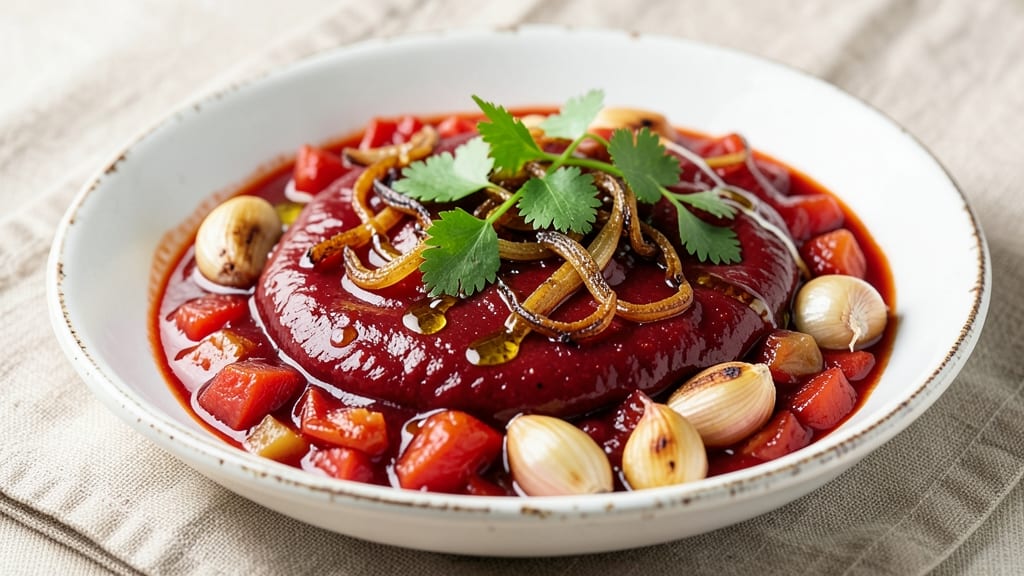
This wet burrito red sauce recipe transforms ordinary burritos into smoky, tangy masterpieces—perfect for dipping, drizzling, or stuffing. The secret lies in balancing chipotle's deep heat with a touch of vinegar for brightness, creating a sauce that's rich, chunky, and addictively flavorful.
I developed this after years of perfecting restaurant-style wet burritos at home, and it's now my go-to for game days, Taco Tuesdays, or whenever I crave that signature smoky kick.
The sauce builds on a simple foundation of tomatoes, garlic, and onions, but the magic happens with the spices and acidity. Chipotle peppers in adobo sauce provide that signature smoky heat, while apple cider vinegar cuts through the richness, keeping each bite balanced.
A quick blend (or not—your choice) ensures a texture that clings to every bite without being overly smooth, giving you that authentic wet burrito experience.
What you'll end up with is a sauce that's versatile enough for burritos, nachos, or even as a dipping sauce—but with depth you won't find in store-bought versions. The flavors only get better as it sits, making it ideal for meal prep.
Store it in the fridge for up to a week or freeze for months, so you always have that restaurant-quality sauce on hand. This isn't just a sauce; it's the star of your next meal.
Ready to elevate your burrito game? The ingredients are simple, but the results are anything but. Whether you're feeding a crowd or treating yourself, this sauce delivers bold, smoky, and tangy flavor that turns ordinary meals into something special. Let's get started—your taste buds will thank you.
Ingredients for wet burrito red sauce
Nine simple ingredients for restaurant-quality wet burrito sauce—smoky, tangy, and packed with flavor.
| Ingredient | Amount | Notes |
|---|---|---|
| Canned Chipotle Peppers in Adobo Sauce 🌶️ | 2 whole | With adobo sauce, not oil |
| Canned Fire-Roasted Diced Tomatoes 🍅 | 1 can | 28 oz can, San Marzano preferred |
| Yellow Onion 🧅 | 1 whole | Medium size, diced |
| Garlic Cloves 🧄 | 4 cloves | Fresh, minced |
| Apple Cider Vinegar 🍎 | 2 tbsp | Raw, unfiltered preferred |
| Extra-Virgin Olive Oil 🫒 | ¼ cup | For richness |
| Ground Cumin 🌿 | 1 tsp | Toasted for depth |
| Smoked Paprika 🌶️ | 1 tsp | Sweet or hot |
| Salt 🧂 | 1 tsp | Kosher or sea salt |
| Black Pepper 🌶️ | ½ tsp | Freshly ground |
The chipotle peppers are non-negotiable—they bring that signature smoky heat. Hatch brand is my go-to, but any quality canned chipotles in adobo work. The tomatoes? San Marzano if you can find them—they're sweeter and less acidic, which balances the chipotle's heat perfectly. Yellow onions add sweetness, but red onions work too if you prefer a sharper bite. The garlic is where the magic happens—toast the cloves in olive oil for 30 seconds first to deepen the flavor. Apple cider vinegar cuts through the richness, so don't skip it. I always grab the raw, unfiltered kind from Trader Joe's—it's tangier and more complex.
No chipotle peppers? Substitute with 1 tbsp smoked paprika plus 1 tsp cayenne for heat, but you'll lose that authentic smoky depth. Running low on San Marzano tomatoes? Fire-roasted crushed tomatoes from a can work in a pinch, but they'll be slightly thinner. Fresh garlic too strong? Garlic powder at half the amount gets you close. The smoked paprika can be swapped for regular paprika, but you'll miss that campfire note. For extra richness, add 1 tbsp of tomato paste—it thickens the sauce slightly and adds umami. The sauce can be made chunky or smooth—pulse in a blender for 10 seconds if you prefer texture, or blend fully for a silky finish.
This sauce tastes even better the next day as the flavors meld. Store in an airtight container in the fridge for up to 1 week—the acidity keeps it fresh longer. Freeze for 3 months in ice cube trays for single-serving portions. I always double the batch because it disappears fast—perfect for burritos, nachos, or as a dipping sauce for tacos. The leftovers? Even more flavorful after sitting overnight, so plan accordingly.
Why You'll Love This Recipe
- Five-Ingredient Magic: I swear, this sauce comes together with stuff you already have. Chipotle peppers in adobo, fire-roasted tomatoes, and a splash of apple cider vinegar—no fancy techniques, just chopping an onion and mincing garlic while you wait for the sauce to simmer.
- Smoky Tangy Kick: That first bite of smoky chipotle with the bright pop of vinegar? It’s the perfect balance—deep, rich, but still fresh. Honestly, I’ve made it three times in a week because it’s just that addictive.
- Meal-Prep MVP: This sauce keeps for days in the fridge, so I make a big batch on Sundays. It turns bland rice into a flavor bomb, or I toss it with eggs for breakfast—same sauce, totally different meals.
- Budget-Friendly Powerhouse: Fire-roasted tomatoes and adobo peppers stretch across multiple meals without breaking the bank. Between us, this is the sauce that makes my grocery budget actually work for me.
Step-by-step instructions for smoky chipotle red sauce
This sauce delivers deep, smoky heat with a bright vinegar tang—perfect for wet burritos or dipping.
Char the Onion and Garlic for Depth
Heat the 0.25 cup extra-virgin olive oil in a heavy saucepan over medium heat. Add the whole yellow onion, sliced into even pieces, and cook for 8-10 minutes until deeply golden brown and caramelized. Stir occasionally—you want those edges to develop a rich, almost burnt-sugar hue. This step builds the sauce's sweet-savory foundation.
When the onion is nearly done, add the 4 cloves minced garlic and cook for 30 seconds until fragrant but not burnt. The garlic should smell pungent and toasty, not bitter. Remove the pan from heat and set aside—this prevents burning, which would make the sauce taste acrid.
Blend the Chipotle and Tomatoes
In a blender, combine the 2 whole canned chipotle peppers in adobo sauce (including 1 tablespoon of the adobo sauce from the can) with the 1 can fire-roasted diced tomatoes. Blend until smooth, about 15-20 seconds. The sauce should be velvety with no visible chunks—this ensures a silky texture in your final dish.
Pour the blended mixture into the saucepan with the onions and garlic. Stir in the 2 tablespoons apple cider vinegar, 1 teaspoon ground cumin, 1 teaspoon smoked paprika, 1 teaspoon salt, and 0.5 teaspoon black pepper. The vinegar will brighten the smoky flavors, while the spices deepen the warmth. Bring the mixture to a gentle simmer over medium-low heat.
Simmer Until Thick and Balanced
Let the sauce simmer uncovered for 15-20 minutes, stirring occasionally. You're looking for a reduction where the sauce thickens slightly and coats the back of a spoon. The color should darken to a rich, deep red, and the aroma should be complex—smoky, slightly sweet, with a hint of acidity. If it thickens too much, add 1-2 tablespoons water to adjust consistency.
Taste and adjust seasoning—you might need a pinch more salt or a splash of vinegar to balance the heat. The sauce should be bold but not overwhelming, with the chipotle providing a slow-building warmth. Let it cool slightly before using—this allows the flavors to meld further.
Strain for Smooth Perfection (Optional)
For an ultra-smooth sauce, strain it through a fine-mesh sieve into a clean bowl or jar. This removes any remaining chipotle seeds or skin, giving you a velvety texture ideal for dipping or drizzling. If you prefer a slightly textured sauce, skip this step—it adds depth and visual appeal.
Store the sauce in an airtight container in the refrigerator for up to 5 days or freeze for 3 months. The flavors deepen over time, making it even better for leftovers. Use it to elevate tacos, burritos, or even as a marinade for grilled meats.
Pro Tips For Making Wet Burrito Red Sauce
- STRAIN THE ADOBO OIL: I learned this the hard way—those chipotle peppers in adobo come swimming in a ridiculous amount of oil, and if you don’t skim it off, your sauce will turn into a greasy mess. Use a fine-mesh strainer or cheesecloth to separate the peppers from the oil, then reserve the oil for another use (or toss it—no judgment). The sauce will be brighter and more balanced without it.
- CHAR THE ONION LOW: Skip the sizzling high-heat approach unless you want a bitter, caramelized onion flavor that fights with the smoky chipotle. Cook the diced onion over medium-low heat until it’s translucent but still pale—about 8-10 minutes. This keeps the sweetness intact and prevents the sauce from tasting like a campfire.
- BLEND IN BATCHES: If you’re making a big batch, don’t dump everything into the blender at once—it’ll fight you. Split the sauce into two rounds: blend the tomatoes, onion, and garlic first, then add the chipotle and vinegar in the second go. This avoids motor overload and ensures the peppers blend smoothly without clogging the blades.
- SALT THE TOMATES: Fire-roasted diced tomatoes are packed with salt—check the label, but they’re often around 400-500mg per half-can. Taste them raw; if they’re already salty, skip adding salt until the very end. Over-salting here ruins the balance, and you’ll be left scrambling to fix it later.
Common mistakes when making perfect results
Overcooking the Onions
I’ve seen this happen more times than I can count—onions turning bitter and acrid because they were cooked too long. The goal is golden brown, not burnt. Once they reach that caramelized stage (about 8-10 minutes), remove them from heat immediately.
Overcooked onions release bitter compounds that ruin the sauce’s balance, making the chipotle heat taste harsh instead of smoky. Pro tip: Use a heavy-bottomed pan to prevent scorching. 🌡️
Skipping the Vinegar
The apple cider vinegar is non-negotiable—it’s what cuts through the richness and balances the smoky heat. Without it, the sauce can taste flat or overly heavy. I’ve made this mistake early on, and the difference is night and day.
Start with the 2 tablespoons called for, but taste as you go—you might need an extra splash if your tomatoes are particularly sweet. Trust me, your burritos will thank you.
Ignoring the Simmer Time
Rushing the 15-20 minute simmer is a common trap. This step isn’t just about reducing liquid—it’s where the flavors meld and deepen. Skipping it leaves the sauce tasting raw and disjointed.
If you’re short on time, simmer at least 10 minutes to let the spices bloom. Patience here makes all the difference in the final product’s complexity.
Using Low-Quality Chipotles
Not all chipotle peppers in adobo are created equal. Cheap, watery adobo sauces dilute the smoky flavor, leaving your sauce tasting weak. I always reach for Hatch brand or another high-quality canned chipotle.
If you’re using a substitute like smoked paprika, you’ll lose that authentic depth. The adobo sauce itself is flavorful—don’t skip adding 1 tablespoon of it to the blend.
Over-Blending the Sauce
Blending the chipotles and tomatoes until completely smooth can turn your sauce into a glue-like paste. The goal is a velvety texture, not a thick, sticky mess. Pulse for 15-20 seconds—just enough to break down the chipotles and tomatoes without eliminating all texture.
A slightly chunky sauce adds depth and visual appeal, especially for wet burritos.
Underseasoning Early
Taste your sauce before it’s fully simmered, and you’ll likely need to adjust seasoning again later. The flavors evolve as the sauce cooks, so don’t be afraid to add a pinch more salt or a splash of vinegar at the end.
I often find I need an extra ¼ teaspoon of salt after simmering. Trust your taste buds—they know what the sauce needs better than any recipe can tell you. 💡
Nutrition facts
Frequently asked questions
Can I make this sauce without a blender?
Skip blending and simply chop the 2 chipotle peppers finely with a knife. The sauce will be chunkier but still packed with smoky flavor. For extra texture, leave the chipotle skins on—just remove the stems and seeds if you want less heat. The onions and tomatoes will provide natural thickness without blending.
How spicy will this sauce be?
The heat comes from the 2 chipotle peppers in adobo, which gives a medium heat with smoky depth. If you prefer milder sauce, reduce to 1 chipotle pepper or remove seeds before blending. For extra kick, add ½ teaspoon cayenne pepper at the end. Always taste before serving!
What’s the best way to reheat this sauce?
Gently reheat in a saucepan over low heat for 3-5 minutes, stirring occasionally. Avoid high heat to prevent separation. For frozen sauce, thaw overnight in the fridge first, then reheat slowly. Never microwave—it can make the sauce watery and dull the flavors.
Can I use this sauce for other dishes besides burritos?
This versatile sauce works perfectly for nachos, tacos, grilled meats, or as a marinade. Drizzle over black beans, quinoa, or roasted veggies for extra flavor. It also makes an amazing dipping sauce for chips, empanadas, or even fries. The smoky chipotle notes pair well with almost any Mexican-inspired dish!
Why does my sauce taste flat after simmering?
Flat flavor usually means the vinegar or spices need balancing. Add ½ teaspoon more salt or 1 extra tablespoon vinegar to brighten it. If the sauce tastes dull, simmer uncovered for 5 more minutes to concentrate the flavors. Freshly toasted cumin can also add depth if needed.