
Sauces & Condiments
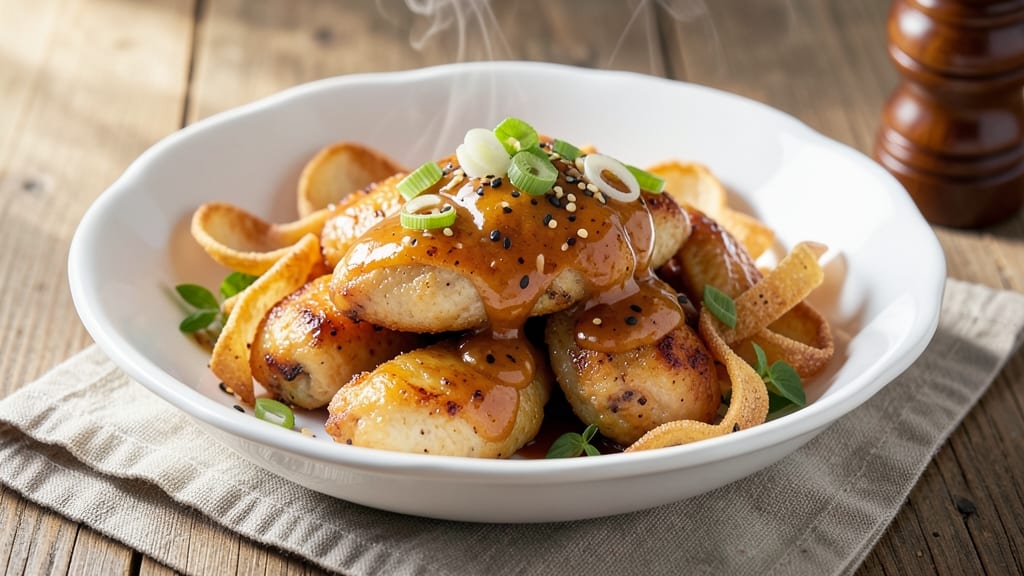
This Aldi General Tso sauce recipe delivers the same velvety-smooth glaze that makes Chinese takeout so addictive—with a secret vinegar kick that balances sweetness and heat perfectly.
The key lies in simmering soy sauce, rice vinegar, and ginger until the flavors meld into a glossy, aromatic sauce that clings to every bite. I've refined this version to achieve that signature restaurant-quality texture without requiring specialty ingredients.
The process is straightforward but precise: first, bloom the garlic and ginger in oil to build flavor, then combine with soy sauce, vinegar, and a touch of sugar for that signature sweet-spicy balance. A splash of cornstarch slurry thickens the sauce to the perfect consistency—neither too thin nor cloying.
The result is a sauce that's rich enough to stand alone but versatile enough to elevate any dish.
What sets this sauce apart is its ability to transform ordinary proteins into restaurant-worthy meals. Use it to coat crispy chicken, toss with stir-fried vegetables, or serve as a dipping sauce for dumplings.
The sauce keeps well in the refrigerator for up to 2 weeks or can be frozen for longer storage, making it perfect for meal prep.
For best results, let the sauce sit for 10 minutes after cooking to allow flavors to develop fully. The vinegar provides a subtle tang that cuts through the sweetness, while the cornstarch ensures that signature glossy finish.
This isn't just a copycat recipe—it's a better version that captures the essence of General Tso's sauce at home.
Ingredients for aldi general tso sauce
Nine simple ingredients transform into that addictive General Tso glaze—no shortcuts, just restaurant-quality flavor.
| Ingredient | Amount | Notes |
|---|---|---|
| Vegetable Oil 🫒 | 2 tbsp | For blooming garlic and ginger |
| Garlic Cloves 🧄 | 4 cloves | Minced finely for depth |
| Fresh Ginger 🌿 | 1 ½ tbsp | Grated finely, no need to peel |
| Light Soy Sauce 🍶 | ½ cup | Aldi brand preferred for balance |
| Rice Vinegar 🍶 | ¼ cup | White vinegar works in pinch |
| Granulated Sugar 🍬 | 2 tbsp | Adjust for preferred sweetness |
| Red Pepper Flakes 🌶️ | 1 tsp | Adjust for heat preference |
| Cornstarch 🌾 | 1 tbsp | For perfect glossy finish |
| Water 💧 | 2 tbsp | For cornstarch slurry |
| Sesame Oil 🫒 | 1 tsp | Optional for nutty aroma |
The sauce starts with garlic and ginger—Aldi's fresh ginger works perfectly for this, but if yours is woody, grab a small knob from the produce section. Light soy sauce is key here; the dark variety adds too much color. I always double-check the label to make sure it's 100% soy sauce with no added sugar. The rice vinegar is what gives this sauce its signature tang—don't skip it! If you're feeling fancy, grab some Chinkiang vinegar from the Asian market for an even deeper flavor, but white rice vinegar does the job beautifully.
No cornstarch? Arrowroot powder works just as well, but you'll need about 15% more. Running out of sesame oil? Toasted sesame seeds sprinkled at the end add that nutty aroma without the oil. The red pepper flakes are non-negotiable for that signature heat—adjust to taste, but don't leave them out entirely. For a quicker version, you can use pre-minced garlic and ginger from the Asian aisle, but fresh always tastes better. The sugar helps balance the acidity, but if you're watching your intake, reduce it to 1 tbsp and add a splash more vinegar instead.
This sauce keeps like a dream—2 weeks in the fridge sealed in a jar, or 3 months frozen in ice cube trays for single-use portions. The flavors actually improve after chilling overnight, so make extra if you can. I like to portion it into small containers for easy meal prep—perfect for tossing with stir-fried veggies or drizzling over crispy chicken. If it thickens too much after refrigerating, just add a splash of water and stir. And trust me, the first time you taste this sauce fresh off the stove, you'll want to make a whole batch.
Why You'll Love This Recipe
- Pantry Magic: I swear by this sauce because it uses stuff I already have—no fancy shopping required. That jar of soy sauce? The ginger root gathering dust? Boom, you’re halfway there.
- Umami Bomb: The garlic and ginger sizzle in oil until they’re almost caramelized, then the soy and vinegar hit like a flavor grenade. Sweet, tangy, and savory—it’s the kind of sauce that makes you lick the pan.
- Sauce for Everything: Slather it on chicken, toss it with noodles, or drizzle it over stir-fried veggies. Honestly, I’ve even used it as a marinade for tofu. It’s the ultimate lazy-cook shortcut that still feels special.
- Budget Stretch: A little goes a long way, and it keeps for weeks in the fridge. I make a big batch, freeze half, and suddenly takeout-level flavor is always at my fingertips—without the takeout price tag.
Step-by-step instructions for Aldi General Tso sauce
This sauce delivers that signature sweet-spicy balance with a velvety finish—here's how to nail it every time.
Bloom the Aromatics in Oil
Heat the 2 tablespoons vegetable oil in a medium saucepan over medium heat until shimmering but not smoking. Add the 4 minced garlic cloves and 1.5 tablespoons finely grated fresh ginger, stirring constantly for 30-45 seconds until fragrant but not browned. This step unlocks the sauce's depth—don't rush it or you'll burn the garlic before it releases its sweetness.
Watch closely as the aromatics dance in the oil. When they're just beginning to turn golden around the edges—that's your cue. Remove from heat immediately if they start to darken, as burned garlic will make the sauce bitter. The oil should smell like a warm spice market, not like a charred campfire.
Build the Sauce Base
Return the pan to medium heat and add the 0.5 cup light soy sauce, 0.25 cup rice vinegar, and 2 tablespoons granulated sugar. Stir vigorously to combine, then add the 1 teaspoon red pepper flakes. Let the mixture simmer uncovered for 5-7 minutes, stirring occasionally, until it reduces by about one-third and thickens slightly.
Here's where the magic happens: the vinegar cuts through the sweetness while the soy sauce deepens the umami. You'll see tiny bubbles form along the edges and the sauce will begin to coat the back of a spoon. This reduction step concentrates the flavors—don't walk away, or you'll miss the perfect moment when it transforms from liquid to sauce.
Create the Glossy Finish
In a small bowl, whisk together the 1 tablespoon cornstarch and 2 tablespoons water until smooth. Slowly pour this slurry into the simmering sauce while stirring constantly. The moment you add it, the sauce will thicken dramatically—keep stirring for 1-2 minutes until it reaches a glossy, velvety consistency that coats the spoon completely.
This is the secret to that restaurant-quality shine. If it thickens too much, add 1 teaspoon water at a time until you reach that perfect balance between cling and pour. The sauce should coat the back of a spoon but still flow smoothly when drizzled. Remove from heat immediately after reaching this texture—overcooking will make it grainy.
Finish with Nutty Depth
Return the pan to low heat and stir in the 1 teaspoon sesame oil. The aroma will transform instantly—nutty, toasty, and irresistible. Taste and adjust seasoning: add more soy sauce for saltiness, sugar for sweetness, or red pepper flakes for heat. The sauce should sing with all five flavors—sweet, salty, sour, umami, and a subtle kick.
Let the sauce sit off heat for 5 minutes before using. This resting period allows the flavors to meld completely. The sauce will thicken slightly more as it cools, so aim for that glossy finish while it's still hot. For best results, use immediately over crispy fried chicken or noodles—this sauce was made for action!
Pro Tips For Making Aldi General Tso Sauce
- Bloom the Ginger First: I used to just chop fresh ginger and toss it in—big mistake. Instead, microwave a small piece (about 1-inch) for 20 seconds to soften it, then mash it into a paste with a pinch of salt. This releases more flavor and blends smoother into the sauce, especially when you’re stirring in the light soy and rice vinegar later.
- Control the Heat: Start with medium heat when you add the garlic and ginger—too hot and they’ll burn before the oil even gets hot enough. Once the garlic turns golden (about 30 seconds), drop the heat to low and let it simmer. I learned this the hard way after my sauce tasted bitter from overcooked aromatics.
- Balance the Vinegar Last: Add the rice vinegar after the sauce has thickened slightly from the soy sauce and any added cornstarch. Taste first—if it’s too sharp, a splash of water or a pinch of sugar (yes, really) can mellow it out. I skip this step half the time, and the sauce ends up too tangy.
- Use Cold Soy Sauce: Refrigerate your light soy sauce for 10 minutes before adding it to the pan. Cold soy sauce blends more evenly and prevents the sauce from curdling when you stir in the vinegar. Sounds weird, but it works—my sauce thickens better and stays glossy.
Perfect pairings for aldi general tso sauce
Crispy Chicken Pairing
This sauce was literally designed for fried chicken—specifically the kind with a golden, shatter-prone crust you get from double-dredging in buttermilk and flour. I like to use Aldi's frozen buttermilk biscuits as a shortcut for the crust, then toss the fried pieces in warm sauce.
The heat from the chicken melts the sauce slightly for that perfect cling. For extra crunch, sprinkle 1 tablespoon crushed peanuts on top before serving. 🍗
Stir-Fry Vegetable Match
Transform a simple veggie stir-fry into a restaurant-worthy dish by tossing bell peppers, broccoli, and snap peas in the sauce after cooking. The sweet-spicy glaze caramelizes beautifully on the vegetables, especially when you add 1 tablespoon honey to the sauce before tossing.
For protein, stir-fry chicken breast or tofu alongside the veggies—both absorb the sauce perfectly. Serve over jasmine rice to soak up every last drop. 🥦
Dumpling Dipping Sauce
Turn store-bought or homemade potstickers into an appetizer by serving them with this sauce on the side. The tangy-sweet balance cuts through the rich pork filling beautifully. I like to add 1 teaspoon grated ginger and 1 clove minced garlic to the warm sauce right before dipping for extra freshness.
For a fun presentation, drizzle the sauce over a small plate of dumplings and serve with chopsticks and a small bowl of hot mustard for dipping. 🥟
Rice Bowl Elevator
This sauce transforms basic white rice bowls into flavor-packed meals. Start with a bed of rice, top with sliced cucumber, shredded carrots, and a fried egg, then drizzle with the warm sauce.
The egg adds richness while the veggies provide crunch. For a protein boost, add grilled shrimp or shredded rotisserie chicken. The sauce's glossy texture makes even simple bowls feel gourmet. 🍚
Noodle Game-Changer
Toss lo mein noodles or udon with this sauce and a handful of scallions for an instant takeout-style dish. The sauce clings to the noodles perfectly, creating that signature restaurant sheen. For extra depth, add 1 teaspoon toasted sesame seeds and 1 tablespoon chopped cilantro after tossing.
Serve with sliced green onions on top for freshness. The best part? This sauce keeps well for 2 weeks, so you can make a big batch for the week. 🍜
Breakfast Fusion Twist
Who says General Tso sauce is just for dinner? Drizzle it over scrambled eggs or pancakes for a sweet-spicy breakfast twist. The heat wakes you up while the sweetness balances the richness. For a full meal, serve with crispy hash browns and sliced avocado.
The sauce also works amazingly on bacon—toss cooked bacon strips in warm sauce and broil for 2-3 minutes to crisp the edges. 🍳
Nutrition facts
Frequently asked questions
Can I make this sauce without cornstarch?
Yes! You can substitute 1 tbsp arrowroot powder or even 1 tbsp all-purpose flour for the cornstarch. Just whisk it with 2 tbsp water first to create a smooth slurry. The sauce will be slightly less glossy but still delicious. For a thicker texture without starch, simmer the sauce uncovered for an extra 5 minutes to reduce it further.
Why does my sauce taste too sweet?
The sugar balances the acidity from the vinegar, but you can adjust it easily. If it's too sweet, add 1 extra teaspoon of rice vinegar or ½ teaspoon more red pepper flakes to cut through the sweetness. For a more authentic taste, try adding ½ teaspoon of Chinkiang vinegar (available at Asian markets) for deeper complexity. Taste as you go!
How do I store leftover sauce?
Store in an airtight container in the fridge for up to 2 weeks—it actually tastes better after resting overnight! For longer storage, freeze in ice cube trays (thaw in the fridge) or silicone molds for single-use portions. The sauce may thicken when refrigerated—just add 1 teaspoon water and stir to restore consistency before using.
Can I use this sauce on non-Chinese dishes?
This versatile glaze works wonderfully on burgers, tacos, or even grilled steak. The sweet-spicy balance pairs surprisingly well with pulled pork sandwiches or roasted Brussels sprouts. For a breakfast twist, drizzle it over pancakes or waffles—the heat wakes up your taste buds while the sweetness balances the richness.
What if I accidentally burned the garlic?
Don't panic! Burnt garlic adds bitterness, but you can fix it by adding ½ teaspoon extra sugar or 1 extra teaspoon rice vinegar to balance the flavor. If the taste is still off, start fresh with a new batch—this sauce relies on fresh, fragrant aromatics for its depth. Next time, watch the pan closely and remove it from heat as soon as the garlic turns golden.