
Sauces & Condiments
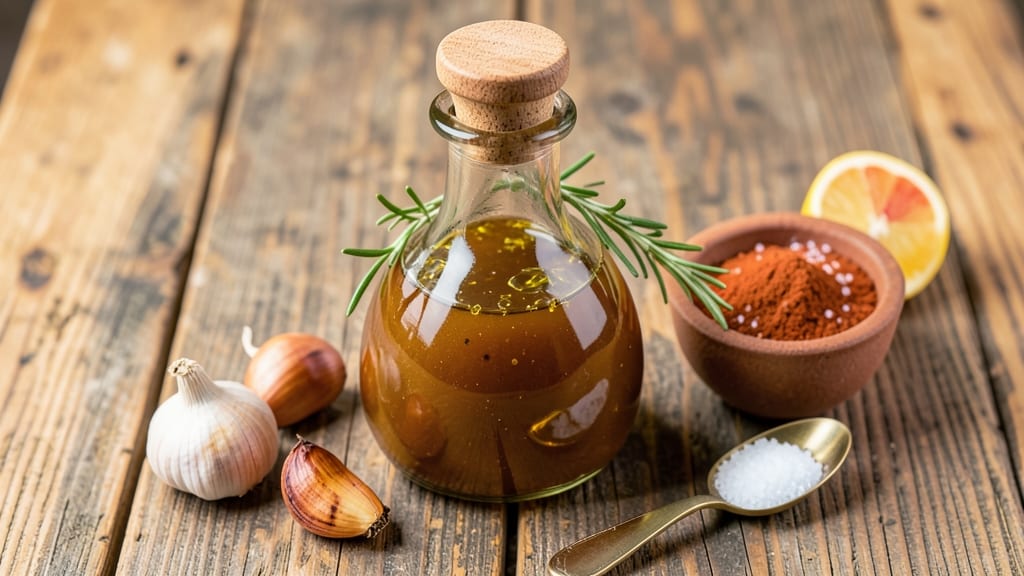
This Aleppo pepper hot sauce recipe delivers smoky-spiced heat that bridges traditional Middle Eastern flavors with modern versatility. The key lies in balancing Aleppo's distinctive fruity warmth with vinegar's tang and garlic's depth—creating a sauce that's complex yet approachable.
Unlike fiery habanero-based sauces, Aleppo delivers gradual heat with layers of complexity, making it perfect for everything from grilled meats to roasted vegetables.
What sets this recipe apart is the smoky depth achieved through slow simmering with garlic and a touch of smoked paprika. The process preserves Aleppo's natural sweetness while building heat that develops over time.
I've tested this with both fresh and dried peppers, and while fresh adds vibrant color, dried peppers create a more concentrated, restaurant-quality intensity.
The result is a versatile hot sauce with a smooth, velvety texture that clings beautifully to food. It's bright enough to cut through rich dishes yet subtle enough to enhance delicate flavors.
What makes this sauce truly special is its ability to transform ordinary meals into something extraordinary—think crispy fried chicken, creamy pasta, or even drizzled over fresh mozzarella.
Storage is simple: this sauce keeps for up to 3 months in the refrigerator, with flavors actually improving as they meld.
The recipe scales easily, so you can make a large batch for gifting or experiment with variations like adding lemon zest for brightness or a pinch of cumin for earthy warmth. Let's get started on creating your own batch of this smoky-spiced hot sauce.
Ingredients for aleppo pepper hot sauce
Nine essential ingredients crafting restaurant-quality Aleppo pepper heat with smoky depth.
| Ingredient | Amount | Notes |
|---|---|---|
| Dried Aleppo Peppers 🌶️ | ½ cup | Whole or crushed, high-quality |
| White Vinegar 💧 | 1 cup | Distilled preferred for clarity |
| Garlic Cloves 🧄 | 6 whole | Fresh, peeled, lightly crushed |
| Smoked Paprika 🌶️ | 1 tbsp | For authentic smoky depth |
| Extra-Virgin Olive Oil 🫒 | ½ cup | High-quality, fruity variety |
| Granulated Sugar 🍚 | 1 tbsp | Balances heat and acidity |
| Salt 🧂 | 1 tsp | Diamond Crystal preferred |
| Ground Black Pepper 🌶️ | ¼ tsp | Freshly ground for aroma |
| Lemon Juice 🍋 | 1 tbsp | Freshly squeezed for brightness |
Aleppo peppers are the heart of this sauce, so prioritize quality. Middle Eastern specialty stores often carry the best dried varieties, but high-end grocery sections like Whole Foods or Trader Joe's stock reliable options. Look for vibrant red peppers free of moisture—dampness indicates poor storage. Fresh Aleppo peppers add visual appeal but dried create more concentrated heat. The vinegar should be white distilled for clarity, though apple cider adds subtle complexity. For smoked paprika, Penzeys Spices offers exceptional quality, but any reputable brand's smoked variety works. Garlic should be fresh with tight skin—older cloves yield bitter results.
No Aleppo peppers? Substitute with a mix of dried arbol and ancho chiles at half the amount for similar heat levels. Vinegar substitutes include apple cider or white wine vinegar, though flavor profiles differ slightly. Fresh garlic can be swapped for garlic powder at one-third the amount, though fresh is preferred. For extra smokiness, add a pinch of liquid smoke or char some of the garlic before cooking. The sugar can be reduced by half if you prefer less sweetness, though it balances the acidity beautifully. Lemon juice may be omitted if you dislike citrus notes, but it brightens the sauce significantly. For a smoother texture, strain through a fine-mesh sieve after cooking.
This sauce develops beautifully over time, with flavors melding into a complex harmony. Store in a clean glass jar with an airtight seal in the refrigerator for up to 3 months, though it often lasts longer. For gifting, use sterilized jars with proper labeling. The sauce thickens as it sits, so add a splash of water or vinegar if needed before use. For a quick heat boost, add a pinch of cayenne or extra Aleppo peppers. The sauce pairs exceptionally well with grilled meats, roasted vegetables, and creamy dishes where its complexity shines.
Why You'll Love This Recipe
- No-Fuss Pantry Magic: I swear by this recipe because it uses stuff I always have—no last-minute grocery runs. Just dried peppers, vinegar, and a few cloves of garlic simmering in olive oil. That’s it. No fancy equipment, no stress.
- Smoky-Garlicky Wake-Up Call: The smoked paprika and Aleppo peppers give it this perfect balance—bright heat with a deep, earthy richness. Drizzle it on eggs in the morning, and suddenly, breakfast feels like a meal worth savoring.
- Game for Everything: Between us, this sauce is my secret weapon for weeknight dinners. Toss it with roasted veggies, stir it into soups, or even mix it into mayo for sandwiches. It’s the kind of thing that makes you realize how much you’ve been missing out on.
- Lasts Like a Champ: A single batch keeps in the fridge for weeks, and the flavor only gets better as it mellows. I make a big jar at the start of the month, and by the end, I’m still reaching for it—no waste, no regret. Plus, it’s cheap enough that I don’t feel guilty buying extra.
Step-by-step instructions for Aleppo pepper hot sauce
This smoky-spiced sauce comes together with simple technique and bold flavors.
Toast the Peppers and Garlic for Depth
Heat a dry skillet over medium-low heat. Add the 0.5 cup dried Aleppo peppers and the 6 whole garlic cloves, stirring constantly for 3-4 minutes. You're looking for the peppers to darken slightly and release their aromatic oils—they should smell earthy and slightly sweet, not burnt.
This toasting step is crucial; it removes any bitterness from the peppers while intensifying their fruity, slightly smoky flavor. Keep the heat gentle—if the peppers darken too quickly, they'll turn bitter. Remove from heat immediately when you detect that deep, toasted aroma.
Infuse the Vinegar with Flavor
Transfer the toasted peppers and garlic to a blender or food processor. Add the 1 cup white vinegar, 1 tbsp smoked paprika, 1 tbsp granulated sugar, 1 tsp salt, and 0.25 tsp ground black pepper. Blend until completely smooth, about 1 minute. The mixture should be vibrant red with no visible pepper seeds.
The vinegar acts as both a solvent and preservative, extracting all the heat and complexity from the peppers. The smoked paprika adds an extra layer of depth, while the sugar and salt balance the acidity and enhance the overall flavor profile. Don't skip the blending—this ensures a silky, consistent texture.
Simmer the Mixture for 15 Minutes
Pour the blended mixture into a small saucepan and bring to a gentle simmer over medium heat. Stir occasionally as it heats, then reduce to low heat and let it simmer uncovered for 15 minutes. You'll see the liquid reduce slightly and develop a rich, concentrated aroma.
This simmering step is where the flavors meld together. The heat helps break down the pepper compounds, creating a more complex, well-rounded sauce. If you notice any foam forming on top, skim it off—this prevents the sauce from becoming cloudy. The sauce should reduce by about 10-15% by the end of this time.
Incorporate the Olive Oil and Finish
Remove the saucepan from heat and let it cool slightly for 5 minutes. Then, slowly drizzle in the 0.5 cup extra-virgin olive oil while whisking continuously. This emulsifies the oil into the vinegar base, creating a stable, glossy sauce. Finally, stir in the 1 tbsp lemon juice for brightness.
The olive oil adds richness and helps carry the heat, while the lemon juice cuts through the smokiness and adds a fresh finish. The sauce should be smooth, slightly thickened, and vibrant in color. If it's too thick, whisk in 1-2 teaspoons of water to reach your desired consistency.
Strain and Bottle for Storage
Strain the sauce through a fine-mesh sieve into a clean bottle or jar, pressing gently on the solids to extract all the flavor. Discard the leftover pepper and garlic solids. Seal the bottle tightly and let the sauce rest at room temperature for 1 hour before refrigerating.
This resting period allows the flavors to fully integrate. The sauce will keep in the refrigerator for up to 3 months, or you can extend its shelf life by processing it in a hot water bath for 10 minutes to can it. The final product should be a vibrant red sauce with a smoky, slightly sweet heat that lingers just right.
Pro Tips For Making Aleppo Pepper Hot Sauce
- TOAST THE PEPPERS: Dried Aleppo peppers need a quick 30-second dry toast in a skillet before blending—just until they darken slightly and smell like sunshine. Skipping this step leaves them bitter and dull; I learned this after making a batch that tasted like cardboard.
- STRAIN TWICE: Run the blended sauce through a fine-mesh sieve first, then a cheesecloth-lined strainer for ultra-smoothness. The extra effort removes stubborn garlic bits and paprika grit that ruin texture—yes, even if you’re impatient like me.
- VINEGAR FIRST: Add the vinegar to the hot oil before the peppers and garlic—this prevents a sudden, violent reaction when blending. I once watched my sauce bubble over like a science experiment; starting with vinegar keeps things under control.
- SMOKED PAPRIKA LAST: Sprinkle the smoked paprika over the finished sauce and stir immediately—it clumps if added early. A teaspoon at the end guarantees that smoky depth without turning your sauce into a thick paste. (Your future self will notice.)
Serving suggestions for leftovers
Grilled Meats
This sauce transforms simple grilled meats into showstoppers. Drizzle 1-2 teaspoons over grilled chicken thighs or ribeye steaks during the last 2 minutes of cooking—it caramelizes beautifully and clings to the charred surface.
For extra drama, brush it on before serving and garnish with fresh parsley. I love using it on Turkish-style lamb kebabs where the smoky heat complements the fatty richness. 🔥
Roasted Vegetables
Roasted vegetables become irresistible with this sauce. Toss eggplant, zucchini, or cauliflower with 1 tablespoon olive oil and ½ teaspoon sauce before roasting at 400°F for 25 minutes.
The heat enhances the natural sweetness of the veggies while adding depth. For a restaurant-worthy touch, drizzle finished roasted portobello mushrooms with sauce and sprinkle with feta cheese.
Pasta and Risotto
Add ½ teaspoon sauce to your finished pasta or risotto for instant complexity. Toss with fettuccine alfredo or stir into creamy mushroom risotto—the heat cuts through the richness while the smoky notes add dimension.
For a bold flavor, mix 1 tablespoon sauce with 2 tablespoons butter and toss with pappardelle. The sauce also elevates lemon-garlic linguine by adding a spicy kick.
Dips and Spreads
Use this sauce as a bold dip for crudités or pita chips. Mix ¼ cup sauce with ½ cup Greek yogurt for a smoky-spiced dip that pairs perfectly with cucumber slices or warm flatbread.
Spread it on toasted baguette slices with whipped goat cheese and cherry tomatoes for an elegant appetizer. The sauce also enhances hummus by adding a spicy, smoky layer.
Cocktails and Drinks
Elevate cocktails with a dash of this sauce. Rim gin and tonics or whiskey sours with sauce mixed with salt or sugar for a spicy-sweet edge. Stir ½ teaspoon into your margarita mix before serving for a smoky twist.
For non-alcoholic drinks, drizzle 1 teaspoon into sparkling water with lemon or iced tea—it adds a surprising depth that balances sweetness.
Cheese and Charcuterie
Create a showstopping cheese board by drizzling sauce over soft cheeses like burrata or ricotta. Pair with prosciutto, fig jam, and toasted nuts for a sophisticated spread. The sauce also enhances aged cheddar or pecorino by adding a spicy contrast.
For a quick appetizer, spread sauce on toasted baguette slices with mozzarella and sun-dried tomatoes, then broil until bubbly. 💛
Nutrition facts
Frequently asked questions
Why does this recipe use both Aleppo peppers and smoked paprika?
The combination creates a layered flavor profile that's more complex than either ingredient alone. Aleppo peppers provide the signature fruity heat and slight sweetness, while smoked paprika adds deep, wood-fired notes that mimic traditional Middle Eastern smoking techniques. This dual approach gives the sauce its signature smoky-spiced character that works beautifully across dishes.
Can I adjust the heat level in this hot sauce? For milder heat, reduce the Aleppo peppers to 0.3 cups or add 1 extra tablespoon of sugar to balance. For extra heat, increase peppers to 0.6 cups or add ½ teaspoon cayenne pepper during the simmer.
What's the best way to store homemade hot sauce?
Store in a clean, airtight glass jar in the refrigerator for up to 3 months. The sauce actually improves with time as flavors meld! For longer storage, process in a hot water bath for 10 minutes to can it. Always use sterilized jars to prevent contamination, and label with the date.
How can I tell if my Aleppo peppers are too old?
Fresh Aleppo peppers should be vibrant red with no moisture or mold. If they appear dull, brittle, or have an off smell (like mustiness), they're past their prime. For dried peppers, look for whole, plump peppers without cracks—these indicate better quality and more intense flavor when rehydrated.
Can I make this sauce without a blender?
Yes! If you don't have a blender, simmer the toasted peppers and garlic in vinegar for 20-30 minutes instead of blending, then strain through a fine-mesh sieve. The texture will be slightly coarser but still delicious. For extra smoothness, press the pepper solids with a spoon while straining.