
Sauces & Condiments
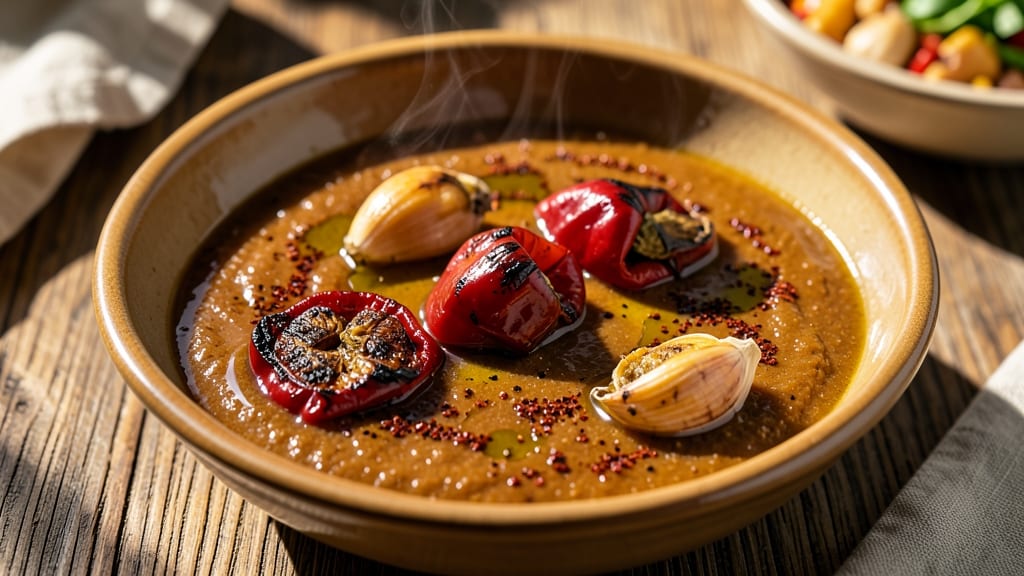
This Aleppo sauce recipe transforms simple roasted peppers into a velvety, smoky condiment that elevates every dish it touches.
The secret lies in charring peppers over an open flame, then blending them with garlic, olive oil, and a blend of cumin, paprika, and salt—each element working together to create depth that store-bought versions can't match.
I developed this recipe after years of experimenting with Middle Eastern flavors, and it's become my go-to for adding complexity to vegetarian dishes without overpowering them.
The process is straightforward but requires patience: roasting the peppers until blistered and smoky, then carefully peeling off the skins to reveal tender flesh underneath. No special equipment is needed—just a stovetop or grill, a food processor, and a few pantry staples.
The result is a sauce that's smooth yet textured, with a perfect balance of heat and earthiness that makes it irresistible for dipping, drizzling, or spreading.
What sets this sauce apart is its versatility—it transforms hummus into a restaurant-worthy dish, turns flatbread into a flavor explosion, and adds a smoky finish to grilled vegetables. The blend of spices creates layers of warmth that linger on the palate, while the olive oil keeps it rich and velvety.
Once you try homemade, you'll never go back to bottled versions.
The best part? This sauce keeps beautifully in the refrigerator for up to two weeks, so you can make a batch and use it throughout the week. Whether you're serving it as a dip with crudités or drizzling it over roasted cauliflower, it's a game-changer for any meal.
Let's get started on creating your perfect Aleppo sauce.
Ingredients for aleppo sauce
Nine simple ingredients create this restaurant-quality Aleppo sauce that's smoky, spiced, and perfect for dipping or drizzling.
| Ingredient | Amount | Notes |
|---|---|---|
| Red Bell Peppers 🍅 | 3 whole | Large, firm, no blemishes |
| Extra-Virgin Olive Oil 🫒 | ¾ cup | High quality, fruity flavor |
| Garlic Cloves 🧄 | 4 cloves | Fresh, peeled, slightly crushed |
| Ground Cumin 🌿 | 1 tbsp | Toasted for deeper aroma |
| Aleppo Pepper 🌶️ | 2 tbsp | Mild heat, smoky flavor |
| Sweet Paprika 🌶️ | 1 tbsp | For vibrant color and sweetness |
| Sea Salt 🧂 | 1 tsp | Fine grain preferred |
| Lemon Juice 🍋 | 1 tbsp | Freshly squeezed, bright flavor |
| Water 💧 | ¼ cup | For blending consistency |
The peppers are the heart of this sauce—roast them until charred and blistered for that authentic smoky depth. Trader Joe's or local farmers markets often have the sweetest, firmest varieties. If you can't find red bell peppers, yellow or orange work too. The Aleppo pepper is key—it's milder than cayenne but packs that signature warmth. Penzeys Spices carries it if your grocery store doesn't stock it. Toast your cumin seeds in a dry pan for 30 seconds before grinding—that extra step makes all the difference.
No Aleppo pepper? Substitute half cayenne and half smoked paprika for heat, or just use extra smoked paprika for a deeper flavor without the kick. Fresh garlic is ideal, but jarred minced garlic works in a pinch. The lemon juice brightens everything—don't skip it. For a smoother sauce, strain out any remaining pepper skins after blending. This sauce is incredibly versatile—drizzle it on roasted veggies, mix into hummus, or use as a marinade. The olive oil should be the good stuff—none of that cheap cooking oil.
Store your sauce in a clean glass jar with a tight seal. Keeps beautifully in the fridge for up to 2 weeks, though I usually use mine up faster. For longer storage, freeze in ice cube trays—perfect for single servings. The flavors actually improve after a day or two as everything melds together. If it thickens too much, just stir in a splash of water or olive oil. This sauce is a crowd-pleaser—make extra—you'll want to use it on everything.
Why You'll Love This Recipe
- No Charred Peppers Needed: Honestly, I’ve made this sauce when I forgot to grill the peppers—just roast them whole in the oven until blistered. The smoky depth still comes through, and honestly? You’d never guess they weren’t charred.
- Smoky-Sweet Magic: That roasted red bell pepper gives it a natural sweetness, while the Aleppo pepper adds warmth without overpowering. The cumin? It’s the secret—just a pinch, but it ties everything together like a hug.
- Weeknight to Party Ready: Drizzle it over grilled chicken for a quick weeknight dinner, or toss it with feta and olives for a crowd-pleasing mezze spread. Same sauce, two totally different vibes—no extra work.
- Pantry Staple Powerhouse: I’ve had a jar of this sauce sitting in my fridge for weeks, and it only gets better with time. Plus, the ingredients? All stuff you’re probably already buying. Budget-friendly, shelf-stable, and always useful.
Step-by-step instructions for Aleppo sauce
Here's how to create the perfect balance of smoky depth and bright freshness in your homemade sauce.
Roast the Red Bell Peppers Until Charred
Preheat your oven to 450°F and line a baking sheet with parchment paper. Place the 3 whole red bell peppers directly on the sheet, cutting sides down. Roast for 25-30 minutes, turning occasionally, until the skins are completely charred and blistered in several places.
Here's the thing—you want those peppers to be blackened in spots, but not burned. When you see deep char marks and the peppers feel soft when gently squeezed, they're ready. This charring develops the smoky flavor that defines Aleppo sauce. Let them cool completely before handling—they'll be hot!
Blister the Garlic in Olive Oil
While the peppers roast, heat 0.75 cup extra-virgin olive oil in a small saucepan over medium-low heat. Add the 4 cloves garlic cloves and cook for 3-4 minutes until they're golden brown and fragrant, but not burned. Watch closely—they can go from perfect to bitter in seconds.
Remove the pan from heat immediately when you see the garlic turning golden. Let it cool slightly, then strain out the garlic cloves, leaving behind the infused oil. This aromatic oil will carry the sauce's depth of flavor. Don't skip this step—it's what makes your sauce truly exceptional.
Combine All Ingredients for the Sauce Base
Transfer the cooled roasted peppers to a blender or food processor. Peel off the charred skins (they'll come right off) and remove the stems and seeds. Add the strained garlic oil, 1 tbsp ground cumin, 2 tbsp aleppo pepper, 1 tbsp sweet paprika, and 1 tsp sea salt to the blender.
Blend on high for 1-2 minutes until completely smooth. You're looking for a thick, paste-like consistency. If it's too thick, add 1-2 tablespoons of the 0.25 cup water at a time until you reach a pourable but still thick consistency. This sauce should coat the back of a spoon but still flow smoothly.
Finish with Lemon Juice and Adjust Seasoning
Pour the blended mixture back into the saucepan and place it over low heat. Stir in the 1 tbsp lemon juice and simmer gently for 5-7 minutes, stirring occasionally. The lemon brightens all the smoky, spiced flavors and balances the richness of the olive oil.
Taste and adjust seasoning if needed. You might want to add a pinch more salt or a touch more aleppo pepper for heat. Remember, you can always add more, but you can't take it out. Let the sauce cool completely before storing—this allows all the flavors to meld together perfectly.
Pro Tips For Making Aleppo Sauce
- CHAR THE PEPPERS DRY: Blister the red bell peppers directly over a gas flame (or under a broiler) until blackened in spots—this concentrates their sweetness and smoky depth. I used to roast them in the oven and wondered why my sauce never had that intense, caramelized punch.
- USE RAW GARLIC: Add the minced garlic cloves raw to the sauce at the very end, just before blending. Cooking it first turns bitter and overpowers the delicate Aleppo pepper notes—trust me, I’ve ruined batches by ignoring this.
- SKIP THE CUMIN IF IT’S TOO EARTHY: If your ground cumin tastes harsh or metallic, swap it for a pinch of smoked paprika instead. The warmth still works, but without that metallic aftertaste that can make the sauce taste like a spice shop mistake.
- BLEND WITH LEAVES OF OIL: After cooking, stir in 2 tablespoons of extra-virgin olive oil before blending—this keeps the sauce silky and prevents it from separating later. (Yes, even if you’re impatient and want to skip it, your sauce will thank you.)
Flavor customization for this aleppo sauce
Spice Level Control
Adjust the heat to your preference by modifying the Aleppo pepper amount. For mild sauce, use 1 tbsp instead of 2 tbsp—this keeps the smoky depth while reducing the gentle kick. If you want medium heat, stick with the original 2 tbsp.
For spicy sauce, add an extra ½ tsp cayenne pepper or 1 tsp smoked paprika for complexity. I often make a mild batch for hummus and a spicier version for grilled meats. 🌶️
Smoky Depth Variations
For extra smokiness, roast the peppers directly over an open flame (gas stove or grill) for 5-7 minutes before oven roasting. This adds a campfire-like intensity. Alternatively, char the peppers on a grill pan for a quick, smoky flavor boost.
For lighter smokiness, reduce oven time to 20 minutes—just enough to soften without deep charring. I find grilled peppers work best for summer dishes.
Herb Infusions
Brighten the sauce with fresh herbs like 1 tbsp chopped parsley or 1 tsp dried oregano for Mediterranean flair. Add ½ tsp ground coriander for a citrusy note that pairs beautifully with roasted vegetables.
For a Middle Eastern twist, stir in 1 tsp za'atar after blending—it adds a tangy, earthy dimension. I love adding fresh herbs right before serving to keep them vibrant. 🌿
Texture Adjustments
For a smoother sauce, strain through a fine-mesh sieve after blending to remove any remaining pepper skins or seeds. For a chunkier texture, leave some seeds in or pulse the peppers briefly in the food processor.
A thicker consistency works best for dips, while a thinner sauce (add 1-2 tbsp water) is ideal for drizzling. I prefer a medium-thick texture that coats the back of a spoon but still flows easily.
Sweet-Spicy Balance
Add 1 tsp honey or ½ tsp maple syrup to the blended mixture for a sweet-spicy twist that works beautifully with grilled chicken or flatbreads. For tangy brightness, increase the lemon juice to 2 tbsp—this cuts through richness in creamy dishes like baba ganoush.
I often make a sweet version for dessert pairings with dark chocolate or nuts. 🍯
Regional Twists
For a Turkish-inspired version, add 1 tsp sumac and ½ tsp cardamom to the spice blend. A Lebanese-style sauce includes 1 tbsp tahini mixed into the final blend for nutty depth. For Greek influence, swap Aleppo pepper for 1 tbsp dried oregano and add 1 tsp dried mint.
Each variation keeps the smoky base but adapts to local flavors. I love experimenting with these regional blends for special occasions. 🗺️
Nutrition facts
Frequently asked questions
Can I substitute bell peppers for other roasted vegetables?
While bell peppers create the signature smoky depth, you can experiment with roasted eggplant or zucchini for a different texture. However, the flavor won't be identical—the sweetness and char of bell peppers are key. For a closer match, try roasted red chiles (like ancho or guajillo) for extra heat and complexity.
How do I make this sauce spicier without Aleppo pepper?
If you can't find Aleppo pepper, blend 1 tbsp smoked paprika with ½ tsp cayenne pepper for heat. For a deeper smoky flavor, add ½ tsp liquid smoke (just a drop!). Start with less—you can always add more, but you can't remove it. Always taste as you go!
Can I make this sauce ahead of time?
Yes! This sauce actually tastes better after 24 hours as the flavors meld. Store in an airtight container in the fridge for up to 2 weeks. For longer storage, freeze in ice cube trays—perfect for single servings. Thaw overnight in the fridge. The texture may thicken slightly when cold, so stir in a splash of water or olive oil when ready to use.
What's the best way to use leftover Aleppo sauce?
Drizzle it over grilled vegetables, mix into hummus, or use as a marinade for chicken or lamb. It also elevates flatbreads, roasted potatoes, or even as a dip for crudités. For something unexpected, stir it into pasta sauce or use as a finishing sauce for risotto. The possibilities are endless!
Why did my sauce turn out too thick or too thin?
If too thick, stir in 1-2 tbsp water or olive oil to reach a pourable consistency. If too thin, simmer uncovered for 5-10 minutes to reduce. The ideal texture should coat the back of a spoon but still flow smoothly. For dips, aim for a thicker consistency, while drizzling works best with a thinner sauce. Adjust gradually—you can always fix it!