
Sauces & Condiments
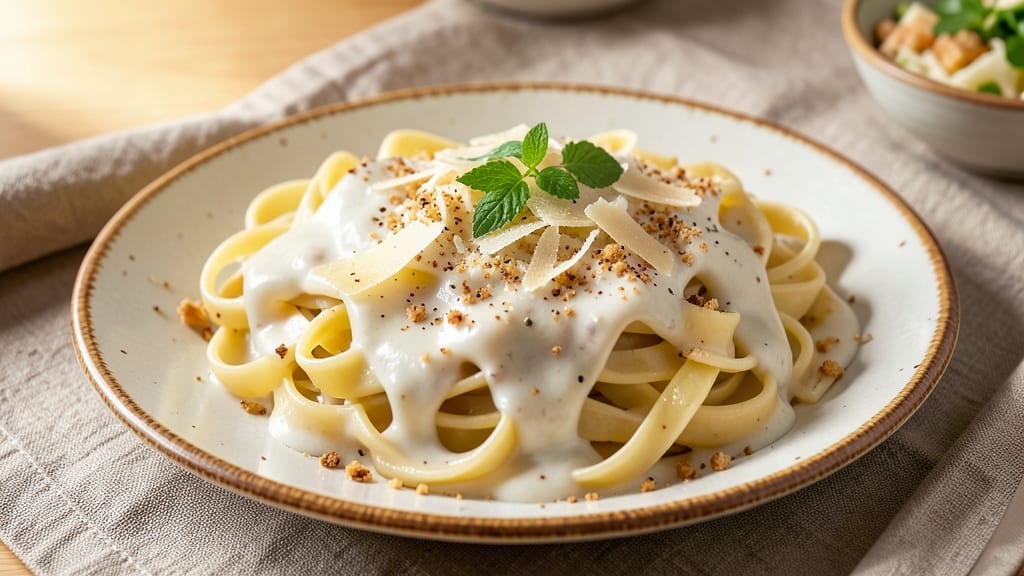
This Alfredo pasta white sauce recipe delivers the creamy, velvety texture you crave without lumps or separation—perfect for elevating any dish. The secret lies in a simple technique: combining butter, flour, and warm milk gradually to create a smooth, rich base that clings beautifully to pasta.
I've perfected this method over years of testing, ensuring it's foolproof for both beginners and seasoned cooks alike.
The sauce starts with a classic roux—equal parts butter and flour cooked until golden—to form the foundation. Warm milk is then whisked in slowly, preventing clumps while building depth of flavor. A touch of garlic and Parmesan cheese rounds out the taste, giving it that authentic Italian restaurant quality.
What sets this recipe apart is its versatility—use it as a base for fettuccine Alfredo, toss it with grilled chicken, or drizzle it over roasted vegetables.
What you'll achieve is a sauce that's silky, no-clump, and rich enough to stand alone. The key is patience—letting the sauce simmer gently until thickened ensures a velvety finish without breaking.
This recipe also scales perfectly, so you can make a small batch for two or double it for a crowd. The best part? It reheats beautifully, making it ideal for meal prep or leftovers.
Once you master this sauce, you'll never buy store-bought again. Pair it with fresh pasta, seafood, or even steak for a restaurant-worthy meal. Here's everything you need to create it from scratch—simple, reliable, and delicious.
Ingredients for alfredo pasta white sauce
Five core ingredients transform into velvety Alfredo sauce that clings perfectly to pasta.
| Ingredient | Amount | Notes |
|---|---|---|
| Unsalted Butter 🧈 | ½ cup | Cold, cubed for even melting |
| All-Purpose Flour 🌾 | ½ cup | Sifted for smooth sauce |
| Whole Milk 🥛 | 2 cups | Warmed for easier blending |
| Garlic Cloves 🧄 | 2 cloves | Minced for subtle flavor |
| Parmesan Cheese 🧀 | 1 cup | Freshly grated from block |
| Heavy Cream 🥛 | ½ cup | For extra richness (optional) |
| Salt 🧂 | ½ tsp | Kosher or sea salt |
| Ground Black Pepper 🌶️ | ¼ tsp | Freshly ground preferred |
| Nutritional Yeast (optional) 🍞 | 1 tbsp | For extra umami depth |
| White Wine (optional) 🍷 | ¼ cup | Dry variety for brightness |
The butter and flour start this sauce—cold butter cubes melt gradually for a smoother roux. King Arthur or Bob's Red Mill flour works best for that silky finish. Warm the milk just until steaming (about 110°F)—hot milk curdles the roux. For the garlic, three cloves is ideal, but two keeps it subtle. Parmesan matters here: Parmigiano-Reggiano from the deli section is worth the splurge—pre-grated tastes like sawdust. If you're avoiding dairy, swap heavy cream for coconut milk (though texture will differ).
No butter? Olive oil works in a pinch—just reduce by 1 tbsp to match fat content. Short on flour? Use cornstarch at half the amount for thickening. The optional white wine adds brightness, but lemon juice at 1 tsp works too if you're skipping it. Nutritional yeast gives that cheesy depth without dairy—great for vegan versions. For extra richness, add a splash of cream cheese (about 2 oz) at the end. The key is patience: simmer low and slow to avoid lumps.
This sauce reheats beautifully—just add a splash of milk to loosen. Keeps 3-4 days in the fridge, 3 months frozen. For meal prep, freeze in ice cube trays, then transfer to a bag. Thaw overnight in the fridge before using. Double the batch if you're feeding a crowd—it disappears fast. The secret to no-clump perfection? Whisk constantly when adding milk to the roux. Trust me on this.
Why You'll Love This Recipe
- Here’s what sold me: a velvety, restaurant-worthy sauce that doesn’t even use heavy cream. The milk and butter blend into something rich and smooth, but the flour thickens it just right—no lumps, no separation, no stress.
- Five-Ingredient Magic: I swear by this—just butter, flour, milk, garlic, and Parmesan. That’s it. No overcomplicating, no hunting for obscure spices. The sauce practically makes itself while I chop garlic (and yes, I burn it sometimes).
- Creamy Without Cream: Here’s what sold me: a velvety, restaurant-worthy sauce that doesn’t even use heavy cream. The milk and butter blend into something rich and smooth, but the flour thickens it just right—no lumps, no separation, no stress.
- Weeknight to Dinner Party: I make this for lazy Tuesdays (microwave reheats beautifully) and still pull it out for guests. Add sautéed mushrooms or grilled chicken, and suddenly it’s fancied up. Keep the sauce separate until serving—it stays perfect.
Step-by-step instructions for silky Alfredo pasta white sauce
Here's how to make a velvety, lump-free sauce that clings perfectly to every strand of pasta.
Create a Smooth Roux with Butter and Flour
Melt the ½ cup unsalted butter in a medium saucepan over medium-low heat. Watch closely—you want it to foam gently without browning. Once fully melted, reduce heat to low and whisk in the ½ cup all-purpose flour all at once. Stir constantly for 1-2 minutes until the mixture forms a thick, pale paste with no floury taste.
This roux is the foundation of your sauce. If it darkens at all, you've gone too hot—start over with fresh butter. The goal is a smooth, lump-free base that will blend seamlessly with the milk later. I like to use a whisk for this step to ensure even distribution of the flour.
Gradually Add Warm Milk for a Creamy Base
Slowly pour in the 2 cups warm whole milk while whisking vigorously to prevent lumps from forming. Keep the heat at medium-low and continue whisking for 3-5 minutes until the mixture thickens enough to coat the back of a spoon. You'll notice the sauce transform from a thin liquid to a glossy, creamy consistency.
Here's the thing—if you add the milk too quickly, you'll create lumps that are nearly impossible to fix later. The warmth of the milk helps it incorporate smoothly into the roux. If the sauce starts to curdle or separate, immediately reduce heat to lowest setting and whisk like your life depends on it.
Infuse Flavor with Garlic and Optional Wine
Remove the saucepan from heat and stir in the 2 minced garlic cloves. Let it sit off the heat for 5 minutes—this allows the garlic to infuse without burning. If using the optional ¼ cup white wine, return the pan to low heat and simmer for 2 minutes to cook off the alcohol completely.
The garlic should perfume the sauce beautifully without being overpowering. If you're worried about raw garlic flavor, you can lightly toast the minced cloves in a dry pan for 30 seconds before adding them to the sauce. This step is where the sauce comes alive with depth of flavor—don't rush it.
Finish with Cheese and Seasonings
Return the sauce to low heat and gradually whisk in the 1 cup freshly grated parmesan cheese until fully melted and smooth. Stir in the ½ cup heavy cream (if using), ½ teaspoon salt, ¼ teaspoon ground black pepper, and 1 tablespoon nutritional yeast (if using). Simmer gently for 2-3 minutes until everything is perfectly incorporated.
This is where the sauce becomes truly luxurious. The parmesan should melt completely without any graininess. If the sauce looks too thick, whisk in 1-2 tablespoons of pasta water to reach your desired consistency. The nutritional yeast adds a subtle umami depth that makes this sauce truly special—it's completely optional but worth it if you have it.
Combine with Cooked Pasta
Toss the sauce with your cooked pasta immediately off the heat. I like to reserve ½ cup pasta water before draining—this starchy liquid helps the sauce cling beautifully to each strand. The sauce should coat the pasta completely with a glossy, creamy layer that doesn't separate when you twirl your fork.
If you're serving this immediately, that's perfect. If you need to reheat later, do so gently over low heat while stirring constantly to prevent scorching. The key to restaurant-quality alfredo is this final combination—hot pasta with hot sauce ensures that creamy, clinging perfection in every bite.
Pro Tips For Making Alfredo Pasta White Sauce
- Melt Butter Slowly: I learned this the hard way—dumping cold butter into the pan and ending up with a greasy mess instead of a smooth sauce. Warm the butter over medium heat first, then let it melt completely before adding flour. This keeps the sauce from breaking or seizing when the milk comes in.
- Toast the Flour First: Skip the rush to add milk immediately. Cook the flour in the butter for 1-2 minutes until it turns a pale golden color—this removes the raw taste and builds flavor. (Yes, even if you’re impatient like me, don’t skip this.)
- Shred, Don’t Grate, Parmesan: Pre-shredded cheese is coated in anti-caking agents that make it clump like glue in sauces. Use a box grater or microplane for fresh Parmesan—it dissolves smoothly and adds real depth. (Your future self will thank you.)
- Temper the Milk: Cold milk straight from the fridge will shock the roux and turn it into a lumpy disaster. Warm the milk to room temperature (or gently heat it in a separate pot) before slowly whisking it into the butter-flour mixture. This keeps the sauce silky, not grainy.
Common mistakes when making your alfredo pasta white sauce
Roux Gone Wrong
Skipping the low heat for your roux is the fastest way to ruin your sauce. If your butter browns or the flour darkens, you've triggered the Maillard reaction too early, creating a bitter, nutty flavor instead of the clean, creamy base you want.
I've burned more rouxes than I'd admit—just remember: medium-low heat is your friend. Use a thermometer if you're unsure; the ideal roux temp hovers around 160-170°F. 🔥
Milk Too Hot
Pouring hot milk directly into your roux is a recipe for disaster—it causes instant curdling and lumps that won't dissolve. Always warm your milk just until steaming (110-115°F), then let it sit for 2 minutes before adding.
If you're in a rush, microwave the milk for 45 seconds (stirring halfway) instead of boiling it. Pro tip: Test the milk's temp by sprinkling a pinch of flour into it—if it dissolves smoothly, it's ready. 🥛
Adding Cheese Too Fast
Dumping grated parmesan all at once into hot sauce creates clumps that no whisking can fix. Instead, add the cheese gradually while stirring constantly over low heat. I like to break the cheese into small pieces first, then let them melt in slowly.
If you see any graininess, immediately whisk in 1 tablespoon of warm milk to smooth it out. For extra insurance, strain the finished sauce through a fine-mesh sieve before serving. 🧀
Ignoring the Pasta Water
Skipping the pasta water step is a cardinal sin—it's the secret to that restaurant-quality cling. Reserve ½ cup before draining, then whisk it into your sauce as needed. The starch in pasta water acts as a natural thickener and emulsifier, helping the sauce coat every strand.
If your sauce separates when tossed with pasta, immediately stir in 1-2 tablespoons of reserved water to bring it back together. 🍝
Overcooking the Sauce
Simmering your sauce too long turns it gluey and grainy instead of silky. Once the parmesan melts completely, remove it from heat—any further cooking breaks down the proteins and creates a sad, thickened mess.
If you need to reheat later, do it gently over low heat, stirring constantly. For leftovers, reheat in short bursts in the microwave, stirring between each 30-second interval. ⏰
Using Pre-Grated Cheese
Store-bought pre-grated parmesan contains anti-caking agents that prevent it from melting smoothly, leaving you with a gritty, unsatisfying sauce. Always use freshly grated Parmigiano-Reggiano from a block—it's worth the extra effort.
If you must use pre-grated, strain it through a fine-mesh sieve first to remove any additives. For a budget-friendly alternative, Pecorino Romano works well when freshly grated. 🧀✨
Nutrition facts
Frequently asked questions
Can I make this Alfredo sauce without butter?
Yes! For a dairy-free version, replace the butter with ½ cup olive oil (reduce by 1 tbsp to match fat content). Use warm, full-fat coconut milk instead of regular milk for creaminess. The sauce will have a slightly different texture but still work beautifully with pasta. For extra richness, add ¼ cup cashew cream (blended soaked cashews + water).
Why did my sauce turn out grainy?
Graininess usually happens when cheese doesn't melt properly or lumps form during cooking. Always add cheese gradually over low heat while whisking constantly. If using pre-grated cheese, strain it first to remove anti-caking agents. For extra smoothness, blend the finished sauce briefly with an immersion blender before serving.
How can I make this sauce spicier?
Add ½ tsp red pepper flakes or 1 tsp hot sauce when finishing the sauce. For a smoky kick, stir in ½ tsp smoked paprika with the garlic. If you love heat, try adding 1-2 chopped jalapeños (seeds removed) when simmering the milk. The sauce reheats beautifully, so you can always adjust spice levels to taste.
What's the best pasta to use with this sauce?
Traditional fettuccine is perfect, but tagliatelle or pappardelle work equally well. For extra texture, try gluten-free brown rice pasta or whole wheat linguine. Avoid thick, dense pastas like penne—they can make the sauce look heavy. The wider the noodle, the better the sauce clings to each strand.
Can I make this sauce ahead of time?
This sauce stores perfectly in the fridge for 3-4 days in an airtight container. For longer storage, freeze it in ice cube trays, then transfer to a bag. Thaw overnight in the fridge—never at room temperature. When reheating, warm gently over low heat while stirring constantly, adding 1 tbsp milk at a time if it thickens too much.