
Sauces & Condiments
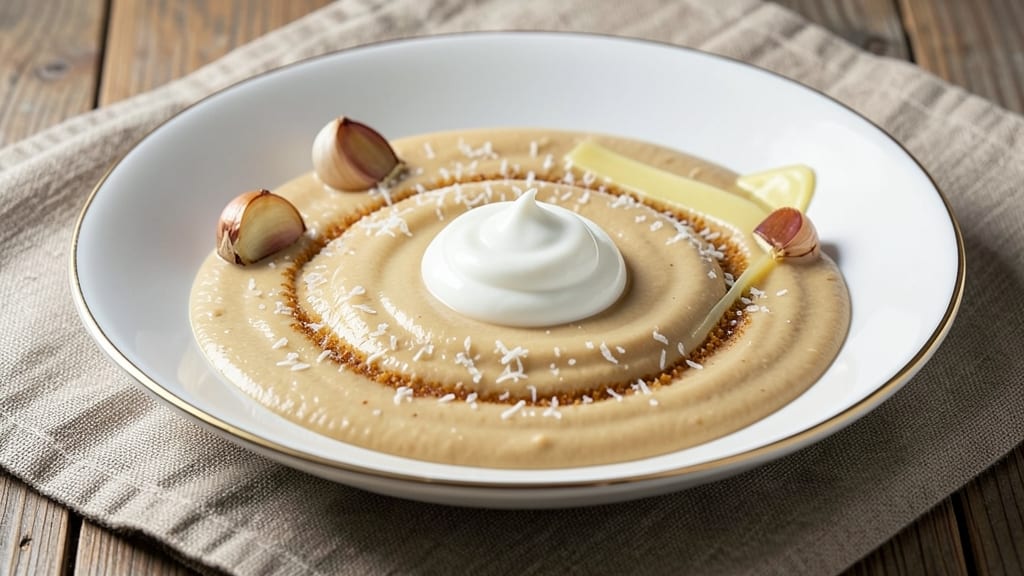
Mastering Babish's signature no-boil egg emulsion transforms creamy Alfredo sauce from a tricky task into a foolproof process. The secret lies in precise ratios of butter, cream, and Parmesan, combined with a raw egg yolk to create that signature velvety texture without cooking.
This method delivers restaurant-quality results in just 15 minutes, with no risk of curdling or grainy bits.
The foundation starts with a light roux—equal parts butter and flour cooked until nutty but not browned—before adding warm cream and freshly grated cheese. The raw egg yolk binds everything together, creating an emulsion so smooth it clings to fettuccine like a second skin.
Babish’s approach emphasizes technique over complexity, making it accessible for home cooks while delivering professional-level flavor.
What sets this recipe apart is its versatility and stability. The sauce thickens as it cools, making it ideal for tossing with pasta or drizzling over grilled dishes.
Store leftovers in the fridge for up to 5 days, or freeze for longer storage—simply reheat gently to restore that silky consistency. For variations, swap heavy cream for half-and-half or add roasted garlic for depth, but the classic version remains unmatched.
Perfect for weeknight dinners or special occasions, this Alfredo sauce proves that creamy perfection doesn’t require complicated steps. The key is patience—letting the sauce thicken gradually ensures a finish that’s rich, smooth, and impossible to resist. Let’s get started on the technique that makes Babish’s sauce legendary.
Ingredients for alfredo sauce recipe babish
Nine essential ingredients craft Babish's legendary no-boil Alfredo emulsion—technique over complexity.
| Ingredient | Amount | Notes |
|---|---|---|
| Unsalted Butter 🧈 | ½ cup | Cold, cubed for roux |
| All-Purpose Flour 🌾 | ½ cup | Diamond Crystal preferred |
| Heavy Cream 🥛 | 1 ½ cups | Full-fat for richness |
| Parmesan Cheese 🧀 | 1 ½ cups | Freshly grated from block |
| Large Egg Yolks 🥚 | 3 whole | Room temperature preferred |
| Garlic Cloves 🧄 | 2 cloves | Minced for depth |
| Salt 🧂 | ½ tsp | Diamond Crystal kosher |
| White Pepper 🌶️ | ¼ tsp | Freshly cracked preferred |
| Nutmeg 🌿 | ¼ tsp | Freshly grated for warmth |
| Extra-Virgin Olive Oil 🫒 | 1 tbsp | For finishing emulsion |
The butter and flour form the light roux, the foundation of this emulsion. Use unsalted butter—salted can disrupt the balance—and cook it to a nutty brown, not golden. Diamond Crystal flour absorbs differently than regular brands, so measure precisely. For the Parmesan, freshly grated from a block is non-negotiable; pre-grated contains anti-caking agents that make the sauce grainy. The heavy cream should be full-fat and cold—warm cream can cause separation. Store butter in the fridge (not the pantry) to maintain cold temperature when measuring.
No heavy cream? Half-and-half with an extra tablespoon of butter works in a pinch, though texture will differ slightly. Substitute Parmesan with Pecorino Romano at 1:1 ratio—it’s sharper and melts beautifully. For a dairy-free version, replace the cream with full-fat coconut milk—the sauce will be lighter but still velvety. The egg yolks must be room temperature—cold yolks can cause the emulsion to break. If you’re concerned about raw eggs, pasteurized yolks are a safe alternative. The olive oil at the end isn’t just for flavor; it stabilizes the emulsion—don’t skip it.
This sauce thickens as it cools, so reheat gently over low heat—aggressive heating can cause separation. Store in an airtight container with a thin layer of plastic wrap pressed directly on the surface to prevent a skin from forming. Keeps 5 days refrigerated—the flavor deepens overnight. For freezing, portion into ice cube trays, then transfer to a bag; thaw in the fridge and reheat slowly. The emulsion is delicate post-freeze, so use it within 3 months—it won’t regain its original silkiness after that.
Why You'll Love This Recipe
- I’ll be real: this tastes like a restaurant dish, but the ingredients cost less than takeout. Butter and flour are pantry staples, and a block of parmesan lasts forever. It’s the kind of sauce that makes you feel fancy without breaking the bank.
- Five-Ingredient Magic: I swear by this recipe because it’s that simple—just butter, flour, cream, parmesan, and yolks. No fancy techniques, no hidden ingredients, just pure, velvety perfection that tastes like you slaved over it (but you didn’t).
- Rich Without Effort: Here’s what sold me—the heavy cream and egg yolks create this unreal silkiness, while the parmesan adds that sharp, salty punch. It’s creamy but not heavy, and the flour? Just enough to thicken it right without turning it gluey.
- Pasta Party Ready: Between us, this sauce is my go-to for date night or lazy Sundays because it works with anything—fettuccine, chicken, even veggies. Double the batch, freeze half, and boom, you’ve got a weeknight lifesaver.
Step-by-step instructions for Babish's signature no-boil egg emulsion
Master this technique and you'll achieve a velvety, restaurant-quality Alfredo without boiling eggs.
Create a Smooth Roux
In a medium saucepan, melt the 0.5 cup unsalted butter over medium-low heat. Once fully melted, add the 0.5 cup all-purpose flour all at once and whisk vigorously for 2-3 minutes until the mixture turns a pale golden color and smells nutty. This is your roux—the foundation of the sauce—and it should coat the back of a spoon smoothly.
Watch the color carefully—it should be pale golden, not brown. If it darkens, you've overcooked it, which will give the sauce a bitter taste. Keep whisking constantly to prevent lumps from forming. The roux is the secret to thickening the sauce without adding any graininess.
Infuse the Roux with Aromatics
Reduce the heat to low and add the 2 cloves minced garlic, 0.5 teaspoon salt, 0.25 teaspoon white pepper, and 0.25 teaspoon nutmeg. Stir for 1 minute until the garlic is fragrant but not browned—this ensures depth of flavor without bitterness. The spices will bloom and infuse the roux, creating a flavor base for the entire sauce.
Here's the thing—garlic burns quickly, so don't walk away. You'll know it's ready when the mixture smells aromatic but not burnt. The nutmeg adds warmth, while the white pepper provides a subtle, sophisticated finish. This step is where the sauce's character begins to develop.
Gradually Incorporate the Heavy Cream
Slowly pour in the 1.5 cups heavy cream while whisking continuously. Start with a thin stream and gradually increase to a steady pour. The sauce will thicken immediately as the cream absorbs into the roux. Keep whisking for 3-4 minutes until the mixture is smooth and coats the back of a spoon.
This gradual addition prevents lumps from forming and ensures a silky texture. The sauce should be thick but pourable, not gluey. If it's too thick, add 1 tablespoon water at a time until you reach the desired consistency. The goal is a velvety, coatable sauce that clings beautifully to pasta.
Prepare the Egg Yolk Emulsion
In a separate bowl, whisk together the 3 whole large egg yolks until they're pale and slightly thickened. This step is critical—room-temperature yolks emulsify better, so if they're cold, let them sit at room temperature for 10 minutes before using. The yolks will bind the sauce and create its signature richness.
Don't skip this step. Cold yolks can cause the sauce to curdle, ruining the entire emulsion. The yolks should be smooth and homogeneous, with no streaks of white. This is the moment that matters: the yolks will transform the sauce from a simple cream base into a luxurious, velvety Alfredo.
Temper and Emulsify the Sauce
Remove the saucepan from heat and let it cool slightly for 1-2 minutes. Then, very slowly pour the sauce into the bowl with the egg yolks while whisking constantly. This tempering process ensures the eggs cook gently and create a stable emulsion. Once all the sauce is incorporated, return the mixture to the saucepan over low heat.
Whisk continuously for 2-3 minutes until the sauce thickens and reaches 160°F—it should coat the back of a spoon smoothly. The sauce is now fully emulsified, meaning the fat and liquid are permanently combined. If it starts to curdle, immediately remove it from heat and whisk vigorously to rescue it. The final sauce should be silky, smooth, and glossy, with no lumps or graininess.
Finish with Parmesan and Olive Oil
Reduce the heat to lowest setting and gradually whisk in the 1.5 cups freshly grated Parmesan cheese until fully melted and smooth. The cheese should dissolve completely, adding a sharp, salty depth to the sauce. Finally, stir in the 1 tablespoon extra-virgin olive oil for a finishing touch that enhances the sauce's richness.
The sauce is now ready to use. It should be creamy, luxurious, and perfectly balanced—not too heavy, not too thin. Serve immediately over your choice of pasta, tossing well to coat each strand. The sauce will cling beautifully, creating a dish that's both elegant and comforting. This is the technique that makes Babish's Alfredo stand out—no boiling eggs, no lumps, just pure, velvety perfection.
Pro Tips For Making Alfredo Sauce Recipe Babish
- Whisk the Yolks Cold: Temper those yolks like you’re defusing a bomb—slow and steady. Warm the heavy cream first (just off the heat), then drizzle it into the yolks while whisking constantly. I learned this the hard way when I dumped hot cream in and ended up with scrambled eggs instead of sauce.
- Toast the Flour Right: Cook the butter and flour on medium heat until it’s a rich golden brown—think nutty aroma, not burnt. High heat skips the flavor; low heat risks raw flour taste. Crank it up to medium and walk away for 2 minutes. That’s the thing that matters most for depth.
- Grate the Parmesan Fresh: Pre-shredded cheese is the enemy here—it’s coated with anti-caking agents that turn your sauce grainy. Use a microplane or fine grater and work fast, or store the grated cheese in the fridge until ready. Your sauce will thank you with a silky texture.
- Finish with Cream Heat: After adding the egg yolks, return the sauce to low heat and stir until it just coats the back of a spoon. No boiling—just a gentle simmer. I was skeptical until I tried it; the sauce thickens perfectly without scrambling the yolks.
Common mistakes when making this recipe
Overcooking the Roux
The most common mistake is letting the roux turn golden brown instead of pale golden. When butter and flour darken, they develop a bitter, nutty flavor that ruins the sauce. I’ve burned more than my share of rouxes—always keep heat at medium-low and whisk constantly.
A properly cooked roux should smell nutty but not toasted. If it darkens, start over with fresh butter and flour. 🔥
Adding Cream Too Fast
Pouring heavy cream into the roux too quickly creates lumps that never dissolve, no matter how much you whisk. The key is a slow, steady stream while whisking vigorously. I learned this the hard way when my first batch looked like cottage cheese.
If lumps appear, strain the sauce through a fine-mesh sieve before adding the egg yolks. This ensures a silky texture.
Cold Egg Yolks
Using cold egg yolks is a recipe for disaster—they can cause the sauce to curdle or separate. Room-temperature yolks blend smoothly and create a stable emulsion. If your yolks are straight from the fridge, let them sit for 10 minutes before whisking.
I’ve rescued many a ruined sauce by whisking vigorously and adding a splash of warm cream, but prevention is always better than cure.
Skipping the Tempering Step
Pouring hot sauce directly into cold egg yolks shocks them and causes curdling. The sauce must cool slightly before tempering. I’ve seen home cooks dump hot sauce into yolks and watch in horror as it turns grainy.
Always let the sauce rest for 1-2 minutes before combining with yolks, then whisk gently over low heat to finish.
Overheating the Final Sauce
Once the Parmesan is added, keep heat at its lowest setting. Boiling the sauce breaks the emulsion, making it separate into greasy and watery layers. I’ve had to start over more times than I’d like to admit because of this.
If the sauce starts to bubble, remove it from heat immediately and whisk until it smooths out. The goal is 160°F, not a rolling boil.
Using Pre-Grated Cheese
Pre-grated Parmesan contains anti-caking agents that make the sauce grainy and clumpy. Freshly grated cheese melts smoothly and adds depth of flavor. I keep a block of Parmesan in my fridge and grate it myself—it’s worth the effort.
If you must use pre-grated, strain it through a fine-mesh sieve to remove any additives before adding to the sauce.
Nutrition facts
Frequently asked questions
Why does this recipe use raw egg yolks instead of cooked?
The raw egg yolks create a stable emulsion that gives Babish's Alfredo its signature velvety texture without curdling. When gently heated with the sauce, they cook just enough to bind the fat and liquid permanently, creating a smooth, luxurious finish. This method delivers restaurant-quality results without the risk of scrambled eggs in your sauce!
Can I make this sauce without heavy cream?
Yes, but the texture will differ. Replace the 1.5 cups heavy cream with 1.5 cups half-and-half plus 1 tablespoon butter for a lighter version. For a dairy-free option, use 1.5 cups full-fat coconut milk—the sauce will be slightly thinner but still creamy. The key is maintaining the proper fat ratio to create the emulsion.
How do I fix a sauce that separated or curdled?
If the sauce separates, immediately remove it from heat and whisk vigorously. For minor separation, add 1 tablespoon cold water and whisk until smooth. If it curdled, strain through a fine-mesh sieve to remove any lumps, then whisk in 1 teaspoon cornstarch mixed with 1 tablespoon cold water—this helps restore the emulsion. Always reheat gently over low heat to prevent further issues.
What's the best pasta to pair with this sauce?
Babish's Alfredo sauce clings beautifully to fettuccine, tagliatelle, or pappardelle—wide, flat noodles that maximize surface area for coating. For extra decadence, try fresh egg pasta, which absorbs the sauce like a dream. Avoid thick, ridged pasta like penne, as it won't hold the sauce as well.
How far ahead can I make this sauce?
This sauce tastes even better the next day! Store it in an airtight container with plastic wrap pressed directly on the surface to prevent a skin from forming. It keeps for 5 days refrigerated—the flavor deepens as it rests. For freezing, portion into ice cube trays, then transfer to a bag. Thaw in the fridge and reheat gently over low heat—never microwave, as it can break the emulsion.