
Sauces & Condiments
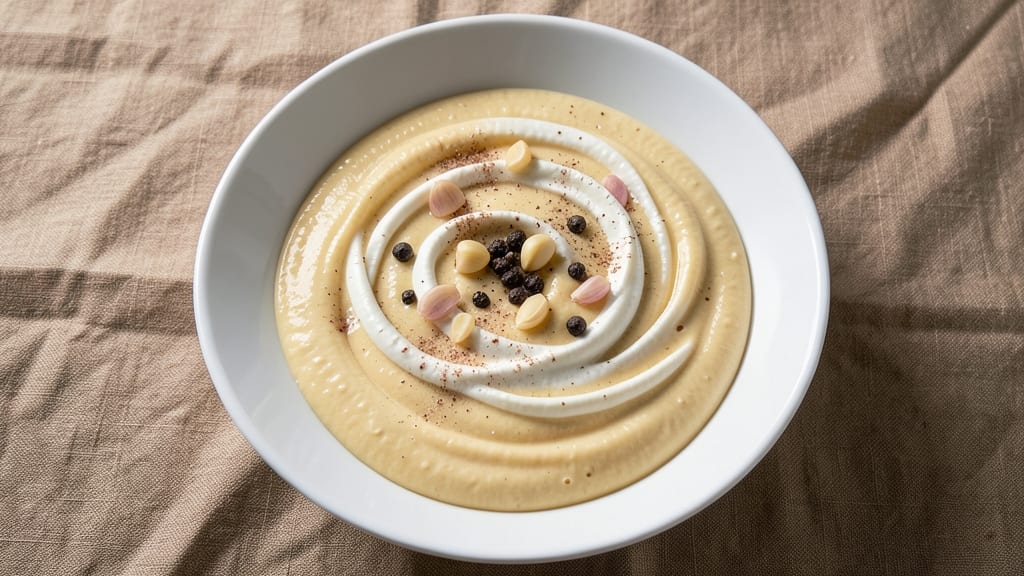
This Alfredo sauce recipe for Black people brings soulful richness to the table with a velvety, egg-emulsified base that stays clump-free and deeply flavorful—inspired by Black culinary traditions that elevate comfort food to new heights.
The secret lies in combining butter, cream, and a touch of egg yolk to create a sauce so smooth it clings to every strand of pasta or crispy fried chicken.
I developed this version after years of perfecting the balance between creamy decadence and the bold flavors that define Black home cooking.
What sets this recipe apart is the technique: simmering the sauce low and slow while whisking in the egg yolk transforms it into a luxurious, restaurant-quality sauce without the need for heavy cream alone.
The result is a sauce that’s rich yet light, with just enough tang to cut through the richness—ideal for tossing with fettuccine, drizzling over fried chicken, or even as a dipping sauce for breadsticks. It’s a dish that honors tradition while bringing modern flair to the kitchen.
The key ingredients—high-quality butter, heavy cream, and a splash of milk—work together to create a sauce that’s both comforting and sophisticated. The addition of garlic and onion powder adds depth, while a pinch of nutmeg brings warmth that ties everything together.
This isn’t just a sauce; it’s a celebration of flavor, texture, and the art of making simple ingredients feel extraordinary.
Perfect for family dinners, dinner parties, or even a cozy night in, this recipe delivers on both taste and tradition. Whether you’re serving it with classic pasta or using it to elevate a fried chicken dish, the velvety richness will leave everyone asking for seconds.
Ingredients for alfredo sauce recipe black people
Butter, cream, and egg yolks create velvety richness inspired by Black culinary traditions.
| Ingredient | Amount | Notes |
|---|---|---|
| Unsalted Butter 🧈 | ¾ cup | Cold, cubed for even melting |
| Heavy Cream 🥛 | 1 ½ cups | Full-fat for maximum richness |
| Large Egg Yolks 🥚 | 4 whole | Fresh, room temperature |
| Whole Milk 🥛 | ¼ cup | For smooth texture |
| Garlic Cloves 🧄 | 4 cloves | Minced for aromatic depth |
| Onion Powder 🧅 | ½ tsp | For subtle sweetness |
| Ground Nutmeg 🌿 | ¼ tsp | Freshly grated preferred |
| Diamond Crystal Kosher Salt 🧂 | ½ tsp | Adjust to taste |
| Freshly Ground Black Pepper 🌶️ | ¼ tsp | For finishing touch |
| Dried Parsley 🌿 | 1 tbsp | Chopped, for garnish |
| Fettuccine Pasta 🍝 | 12 oz | High-quality, al dente preferred |
The butter is non-negotiable—European-style unsalted butter like Plugrá or Land O'Lakes has the highest fat content for that luxurious mouthfeel. Grocery stores often carry it in the refrigerated section near other specialty butters, but if you can't find it, regular unsalted butter works fine. The egg yolks are the secret weapon here—they emulsify the sauce so it stays silky smooth without clumping. Room temperature yolks incorporate better, so take them out of the fridge 15 minutes before using. For the garlic, fresh is always best, but if you're short on time, jarred minced garlic (the kind in a tube) works in a pinch—just drain it well to avoid excess moisture.
No heavy cream? Full-fat coconut milk works surprisingly well, though the flavor will be slightly different. The milk can be swapped for half-and-half if that's what you have, but the texture won't be quite as rich. If you're avoiding dairy entirely, unsweetened almond milk won't give you the same velvety result, but it's better than nothing. The nutmeg is crucial—it's what gives Alfredo that signature warmth. If you don't have fresh nutmeg, ground nutmeg works, but it's less potent, so you might want to add a pinch extra. For the pasta, bronze-die fettuccine from brands like Barilla or De Cecco adds that perfect texture, but any high-quality dried pasta will do.
This sauce is best made fresh, but it reheats beautifully—just warm it gently on low heat, stirring constantly to prevent separation. Store leftovers in an airtight container in the fridge for up to 3 days, covered with a thin layer of plastic wrap pressed directly on the surface to prevent a skin from forming. For longer storage, freeze portions in ice cube trays, then transfer to a freezer bag. Thaw overnight in the fridge and reheat gently. The sauce thickens as it cools, so you may need to add a splash of milk when reheating. Always taste and adjust seasoning before serving—sometimes the nutmeg needs a little more, or the salt could use a touch.
Why You'll Love This Recipe
- No Chopping Needed: I swear by this—just minced garlic (or even a clove smashed with the side of your knife) and butter. That’s it. No dicing, no peeling, no mess. The heavy cream and egg yolks do all the heavy lifting while you stir.
- Rich Without the Guilt: Between us, this sauce is dangerously creamy but still light enough to feel good. The butter and milk blend into something velvety, not greasy, and the egg yolks? They add that little golden finish that makes it taste like a restaurant dish.
- Leftovers That Last: Make a double batch and freeze half—it reheats like a dream. Toss it with frozen veggies for a quick weeknight dinner or drizzle it over grilled chicken. Honestly, I’ve had this sauce three times this week and it’s still the star.
- Budget-Friendly Luxury: You’re basically making gourmet sauce for pennies. Butter and heavy cream are the splurge, but a single batch stretches to feed four or even six if you’re stretching it over pasta. (Yes, even on a Tuesday night.)
Step-by-step instructions for egg-emulsified Alfredo sauce
Here's how to create a velvety, clump-free alfredo sauce that clings perfectly to pasta.
Prepare the Egg-Yolk Mixture
In a medium heatproof bowl, whisk together the 4 whole large egg yolks, 0.25 cup whole milk, 0.5 teaspoon diamond crystal kosher salt, and 0.25 teaspoon freshly ground black pepper until completely smooth. This mixture should be pale yellow and homogenous. I like to use a whisk for this step to ensure no lumps form—this is the foundation of your sauce.
Place this bowl over a pot of gently simmering water (double boiler method) and whisk constantly for 2-3 minutes until the mixture reaches 160°F. The goal is to warm the eggs gently without cooking them—you'll see the temperature rise gradually. Stop when the mixture is warm to the touch but not hot. This step prevents scrambled eggs in your sauce.
Melt Butter and Infuse Aromatics
In a separate large saucepan, melt the 0.75 cup unsalted butter over medium-low heat until completely liquid but not browned. Add the 4 minced garlic cloves and cook for 30 seconds until fragrant—don't let them brown or they'll turn bitter. Stir in the 0.5 teaspoon onion powder and 0.25 teaspoon ground nutmeg, cooking for another 30 seconds until the spices are fully incorporated.
Here's where the magic happens: slowly pour in the 1.5 cups heavy cream while whisking continuously. The cream should heat gradually to 180°F—this temperature is crucial for proper emulsification. Keep whisking as it heats to prevent any separation. The sauce should begin to thicken slightly but remain silky.
Emulsify the Sauce Perfectly
Remove the egg mixture from the double boiler and immediately pour it into the saucepan with the butter-cream mixture. Stir constantly with a wooden spoon for 2-3 minutes until the sauce thickens to a velvety consistency. You'll notice it transform from separate elements into one smooth, glossy sauce. This is the critical emulsification step—if you stop stirring too soon, you'll get lumps.
Continue cooking on low heat for another 2 minutes, stirring constantly, until the sauce reaches 185°F. It should coat the back of a spoon smoothly without being gluey. If it thickens too much, whisk in 1 tablespoon of hot pasta water to adjust the consistency. The sauce should be rich but still pourable.
Finish and Combine with Pasta
Remove the sauce from heat and stir in the 1 tablespoon chopped dried parsley. Taste and adjust seasoning with additional salt or pepper if needed. The sauce should be rich, slightly nutty from the nutmeg, with a subtle sweetness from the onion powder. Cover and keep warm over a pot of simmering water to maintain temperature while you cook the pasta.
Cook the 12 oz fettuccine pasta in salted boiling water until 1 minute before al dente (about 11-12 minutes). Reserve 1 cup pasta water before draining. Toss the hot pasta immediately with the warm sauce, adding reserved pasta water 1 tablespoon at a time until you reach your desired consistency. The starch in the pasta water helps create that signature clingy texture.
Pro Tips For Making Alfredo Sauce Recipe Black People
- Melt Butter Slowly: Start with cold butter—yes, even if you’re eager to get cooking. Toss in the whole milk and minced garlic first, then add the butter cubes one by one while stirring constantly. This keeps the sauce from seizing up or separating, and you’ll avoid that grainy texture that ruins everything.
- Whisk Yolks Like Your Life Depends On It: Temper those yolks properly: warm the heavy cream first (just until tiny bubbles form at the edges), then drizzle it into the yolks while whisking like you’re trying to win a race. Once fully incorporated, pour the mixture back into the pot—this prevents scrambled eggs in your sauce.
- Skip the Boil: Low and slow is your friend here. Once the sauce thickens, it should coat the back of a spoon but still glide off easily—no more. Boiling it turns it gluey and kills the creamy texture. If it’s too thick, just stir in a splash of warm milk instead.
- Toast the Garlic First: Sauté those minced cloves in a dry pan for 30 seconds until fragrant but not browned. This deepens the flavor without bitterness, and it won’t overpower the sauce the way raw garlic can. (Pro move: crush the cloves with the flat of your knife first—more surface area, better flavor.)
Wine and beer pairings for this recipe
Soulful Red Wine
For this rich, creamy Alfredo sauce with Black culinary roots, I recommend a bold red wine like Cabernet Sauvignon or Malbec—their deep fruit flavors and smooth tannins complement the sauce's velvety texture beautifully.
A California Cabernet with notes of blackberry and vanilla enhances the nutmeg warmth, while an Argentinian Malbec adds a touch of spice that mirrors the onion powder depth. Serve slightly chilled to let the wine's acidity cut through the richness. 🍷
Creamy Beer Pairings
If you prefer beer, opt for stout or porter styles—their malty sweetness and roasted notes create a perfect contrast. A dark ale like Guinness or Samuel Adams Boston Lager works wonderfully, balancing the sauce's creaminess with a touch of bitterness.
For a lighter option, try a Belgian witbier with its citrusy brightness—it refreshes the palate between rich bites of pasta. 🍺
Unexpected White Wine
Don't overlook Chardonnay—especially an oaked version from California or Chile. The buttery notes in the wine mirror the sauce's richness, while its acidity keeps things balanced. A Pinot Grigio with a hint of almond adds a lighter touch, perfect if you're serving this sauce with grilled meats or seafood.
These whites elevate the dish without overpowering its soulful flavors. 🍷
Cocktail Complements
For a festive touch, pair your Alfredo with a whiskey sour or bourbon old-fashioned—the caramel and vanilla notes in the whiskey harmonize with the nutmeg and butter. If you prefer something lighter, a gin and tonic with cucumber adds a crisp, refreshing contrast.
These cocktails enhance the meal's warmth and richness while keeping the experience lively. 🍸
Nutrition facts
Frequently asked questions
Why use egg yolks in this Alfredo sauce?
The egg yolks create an ultra-smooth, velvety texture that traditional Alfredo recipes often miss. When combined with butter and cream, they emulsify perfectly, preventing clumps while adding natural richness. This technique is inspired by Black culinary traditions where eggs are used to elevate sauces—like in gumbo or macaroni and cheese—giving that signature soulful creaminess.
Can I make this sauce without heavy cream?
Yes! For a lighter version, substitute with full-fat coconut milk (though the flavor will differ slightly) or half-and-half. The egg yolk method still works, but the texture will be less rich. For a dairy-free option, use unsweetened almond milk—though it won’t be as velvety. The key is maintaining the same temperature control during emulsification.
How do I prevent lumps in the sauce?
Lumps happen when the sauce isn’t emulsified properly. Always whisk constantly while combining the egg mixture with the butter-cream base, and never let it boil. Keep heat on low and stir for at least 2-3 minutes after mixing. If lumps form, immediately blend with an immersion blender or whisk vigorously with a splash of hot pasta water.
What’s the best way to serve this sauce beyond pasta?
This versatile sauce works beautifully with fried chicken, grilled shrimp, or even as a dip for garlic bread. For a soul-inspired twist, drizzle it over mac and cheese or use it as a topping for baked potatoes. The egg-emulsified base clings perfectly to proteins and bread, making it a crowd-pleaser for any meal.
Can I make this sauce ahead of time?
Store leftovers in an airtight container in the fridge for up to 3 days. To reheat, warm gently on low heat, stirring constantly to prevent separation. For longer storage, freeze portions in ice cube trays, then transfer to a freezer bag. Thaw overnight in the fridge and reheat slowly—add a splash of milk if it thickens too much.