
Sauces & Condiments
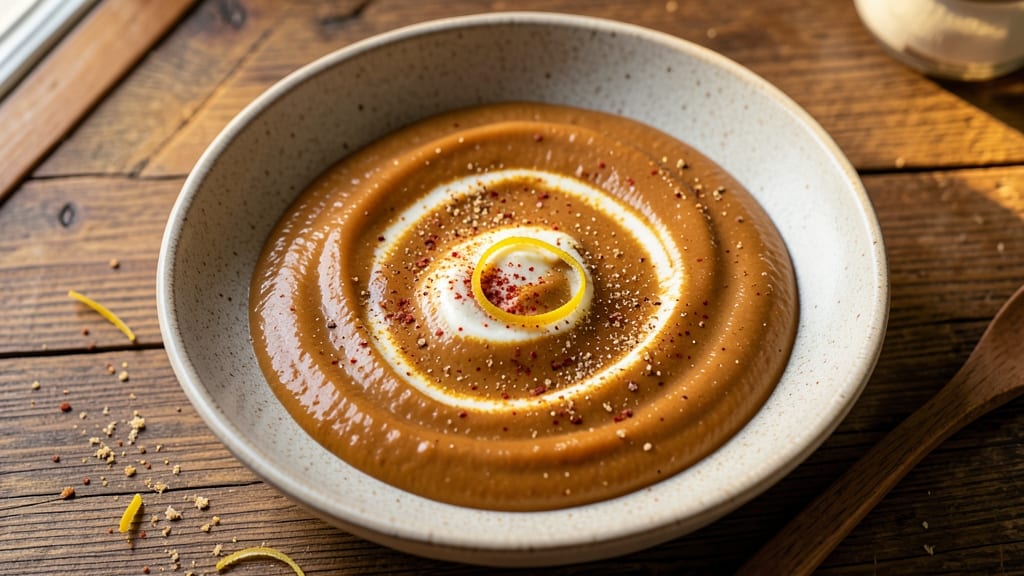
This powdered cheese sauce recipe transforms ordinary meals into velvety, restaurant-quality dishes with just a splash of milk. I developed it after years of struggling with clumpy, greasy cheese sauces—this version dissolves smoothly, stays creamy, and requires no fancy equipment.
The secret lies in the precise blend of cheese powder, starch, and seasonings that work together to create a sauce that's foolproof every time.
What makes this recipe special is its versatility and simplicity. You can create classic cheddar, sharp Parmesan, or even spicy versions by adjusting the powder mix. The sauce comes together in minutes, making it perfect for weeknight mac and cheese, baked potatoes, or as a finishing touch for grilled meats.
Unlike store-bought versions, this powdered mix gives you control over flavor and consistency.
The result is a smooth, velvety sauce that coats everything beautifully—no lumps, no separation, and no greasy aftertaste. It reheats perfectly and can be stored for weeks, ready to elevate any dish with minimal effort.
Whether you're feeding a family or prepping for meal prep, this sauce is your secret weapon for effortless, creamy goodness.
Best of all, you can customize it to your taste—add garlic powder for depth, a pinch of cayenne for heat, or even a touch of smoked paprika for a BBQ twist.
The possibilities are endless, and the results are always impressive. Let’s get started on creating your perfect powdered cheese sauce.
Ingredients for powdered cheese sauce
Ten ingredients transform into velvety, no-clump cheese sauce magic—game-changer for mac and cheese!
| Ingredient | Amount | Notes |
|---|---|---|
| Shredded Sharp Cheddar Cheese 🧀 | 2 cups | Finely shredded, block preferred |
| Powdered Milk 🥛 | ½ cup | Non-fat, for creaminess |
| Cornstarch 🌾 | ¼ cup | For silky texture |
| Dried Garlic Powder 🧄 | 1 tbsp | Freshly ground preferred |
| Dried Onion Powder 🧅 | 1 tbsp | For depth of flavor |
| Mustard Powder 🟡 | 1 tsp | Brightens flavor |
| Salt 🧂 | 1 ½ tsp | Diamond Crystal preferred |
| Ground Black Pepper 🌶️ | ½ tsp | Freshly ground |
| Cayenne Pepper 🔥 | ¼ tsp | Adjust for heat |
| Whole Milk 🥛 | 1 cup | For reconstitution |
The cheese is non-negotiable here—sharp cheddar delivers that tangy punch, but Parmesan or Monterey Jack work too. Grab a wedge from the deli counter (pre-shredded gets clumpy) and shred it yourself. Penzeys or Whole Foods carry the best quality powdered milk, but the regular grocery store version works fine. Cornstarch is your secret weapon for that restaurant-quality silkiness—don't substitute with flour. For the powders, McCormick or Simply Organic are reliable brands, but check the expiration dates. Spices lose potency fast, so if your garlic powder smells stale, toss it.
No powdered milk? Evaporated milk at half the amount works in a pinch, but the texture won't be as velvety. Short on cornstarch? Arrowroot powder at the same quantity gives similar results. Want extra depth? Add 1/4 tsp smoked paprika for a BBQ twist or 1/2 tsp nutritional yeast for umami. The milk you use to reconstitute should be whole milk—it creates that perfect, creamy consistency. If you're making this ahead, dry mix only keeps for 3 months in an airtight container. Just add milk when ready to use.
Store the dry powder mix in an airtight container away from heat and light—it'll stay potent for 3-6 months. Once reconstituted, the sauce reheats beautifully—just warm over medium-low heat, stirring constantly. For meal prep, portion into glass containers and refrigerate for up to 5 days. Freeze for up to 3 months by laying flat in a single layer. The sauce thickens as it cools, so thin with a splash of milk if needed. This stuff reheats like a dream—no lumps, no grease, just pure cheesy goodness.
Why You'll Love This Recipe
- No Pantry Waste: I use powdered milk and cornstarch from my baking stash—no extra shopping trips. That sharp cheddar? It’s the same block I shred for nachos anyway, so I’m not buying anything new.
- Savory Magic in Minutes: The garlic and onion powders pack a punch without effort—just whisk them into the cheese mix while it melts. Honestly, that crispy-cheese flavor hits different when it’s this easy to achieve.
- Game for Any Meal: Drizzle it over tacos, mix into mashed potatoes, or toss with veggies—it’s my secret weapon for turning simple meals into something special. (Yes, even on a Tuesday night.)
- Budget-Friendly Luxury: A single bag of powdered milk and a block of chedddar stretch across multiple uses. I make a big batch, freeze half, and still have leftovers for weeks—no sad, wilted takeout menus here.
Step-by-step instructions for velvety powdered cheese sauce
This foolproof method delivers restaurant-quality mac and cheese sauce without lumps or guesswork.
Whisk Dry Ingredients to a Fine Powder
In a medium bowl, combine the 2 cups shredded sharp cheddar cheese, 0.5 cup powdered milk, 0.25 cup cornstarch, 1 tbsp dried garlic powder, 1 tbsp dried onion powder, 1.5 tsp salt, 0.5 tsp ground black pepper, and 0.25 tsp cayenne pepper. I use a wire whisk for this step—it creates a fine, even powder that dissolves completely in the milk.
Add the 1 tsp mustard powder last and whisk vigorously. The goal is to eliminate every single clump—even small ones will create texture issues later. If you're using pre-shredded cheese, sift it first to remove any anti-caking agents that might interfere with the sauce's silky texture.
Gradually Add Whole Milk for a Smooth Paste
With the mixer on low speed, slowly pour in the 1 cup whole milk while continuing to whisk. This gradual addition prevents clumping by ensuring the dry ingredients absorb liquid evenly. You'll notice the mixture transform from a coarse powder to a thick, smooth paste—this is your foundation.
Once fully incorporated, increase the mixer speed to medium and continue beating for 2-3 minutes until the paste becomes completely smooth and glossy. This step is crucial—it ensures the sauce will be velvety rather than grainy. If you see any dry spots, add a splash of milk to dissolve them completely.
Cook Over Medium Heat Until Thickened
Transfer the paste to a saucepan and place it over medium heat. Stir constantly with a wooden spoon or silicone spatula, scraping the bottom and sides frequently to prevent sticking. The sauce will bubble gently as it begins to thicken—this should take about 5-7 minutes.
Here's where attention to detail matters most: you're aiming for a sauce that coats the back of a spoon but still flows smoothly. If it thickens too quickly, add 1-2 tablespoons of milk at a time until you reach the perfect consistency. The sauce should be thick enough to coat pasta but still cling to a spoon when drizzled.
Finish with Mustard Powder for Bright Flavor
Once the sauce reaches 170°F (about 5-7 minutes total cooking time), remove it from heat. Stir in the remaining 1 tsp mustard powder—this final addition brightens the flavor and balances the richness. The sauce should now be silky, smooth, and ready to coat your mac and cheese perfectly.
For best results, use the sauce immediately. If you need to hold it, keep it warm in a slow cooker set to 160°F—this maintains the velvety texture. The sauce will thicken slightly as it cools, so don't be tempted to over-thicken it while hot. Trust the process—this method guarantees a sauce so smooth it'll make you question why you ever bought powdered cheese sauce from a box.
Pro Tips For Making Powdered Cheese Sauce
- Whisk Like You Mean It: I learned this the hard way—powdered milk and cornstarch clump like glue if you stir half-heartedly. Use a whisk (or immersion blender if you’re lazy) and keep the heat low until everything dissolves completely. No lumps = smooth sauce every time.
- Prep Cheese Properly: Sharp cheddar with moisture? No thanks. Drain excess liquid from the shredded cheese in a fine-mesh strainer for 5 minutes before adding it. Wet cheese turns your sauce greasy and uneven—skip this step and you’ll regret it.
- Temper the Heat: Start with a splash of cold milk or water to bloom the cornstarch, then gradually add the rest while stirring. Dumping everything in at once? You’ll end up with a grainy, gloppy mess. Low and slow wins the race here.
- Double-Check the Ratio: Powdered milk and cornstarch are sneaky—too much of either and your sauce turns gluey. Stick to the recipe’s measurements (usually 1 tbsp cornstarch per 1 cup milk) and resist the urge to eyeball it. Precision matters more than you think.
Serving suggestions for this recipe
Mac and Cheese
This powdered cheese sauce is a game-changer for classic mac and cheese. Toss freshly cooked elbow macaroni with the sauce while still hot, then top with extra shredded cheddar and crispy fried onions for that restaurant-style finish.
I always double the sauce recipe for my family—6 servings is perfect for a crowd. 🧀
For extra indulgence, add ½ cup cooked bacon bits or 1 cup diced ham to the sauce before serving. The smoky flavor pairs beautifully with the creamy cheese.
If you're making it ahead, assemble the dish (without baking) and refrigerate for up to 24 hours—then bake at 375°F for 20 minutes to melt everything together.
Baked Potatoes
Transform ordinary baked potatoes into a gourmet side dish by topping them with this powdered cheese sauce. Scoop out the insides (or leave them in for extra filling), then ladle the warm sauce over the top.
I like to add chopped chives and a sprinkle of smoked paprika for color and depth. Serve immediately while the sauce is still bubbly hot.
For a heartier version, mix the sauce with ½ cup sour cream and 1 cup cooked pulled pork before serving. This becomes my go-to dish for game day gatherings—it's always a crowd-pleaser. Keep the sauce warm in a slow cooker while you're baking the potatoes.
Grilled Meats
This sauce isn't just for comfort food—it's fantastic as a finishing sauce for grilled meats. Drizzle it over grilled chicken breasts, steaks, or even pork chops right after cooking.
The creamy, cheesy flavor complements the smoky char perfectly. I like to add 1 tsp Worcestershire sauce to the dry mix for extra depth when using it this way.
For a BBQ twist, stir 1 tbsp BBQ seasoning into the dry mix before reconstituting. Use it as a dipping sauce for fried chicken tenders or as a glaze for grilled ribs. The sauce reheats beautifully, so make extra for leftovers—it's perfect for meal prep lunches.
Vegetable Sides
Elevate simple vegetable sides with this versatile sauce. Toss steamed broccoli, green beans, or cauliflower with the warm sauce and a pinch of red pepper flakes for a creamy, flavorful side dish.
I often serve this with garlic bread on the side for dipping. It's a great way to get kids to eat their veggies!
For a more substantial dish, mix the sauce with ½ cup cooked rice and ½ cup diced ham. This becomes a quick and satisfying stir-fry alternative. The sauce clings beautifully to vegetables, making it perfect for adding richness without overpowering the natural flavors.
Breakfast Dishes
Start your day with this sauce in unexpected ways. Pour it over scrambled eggs or fried potatoes for a cheesy breakfast hash. I like to add ½ tsp dried dill to the dry mix for a savory twist.
It's also fantastic on English muffins with a fried egg on top—like a cheesy, breakfast mac and cheese!
For a brunch crowd-pleaser, mix the sauce with shredded hash browns and sausage crumbles. Bake at 350°F for 15 minutes until bubbly and golden. The sauce reheats beautifully, so you can make it ahead and keep it warm in a chafing dish.
Nutrition facts
Frequently asked questions
Can I make this powdered cheese sauce without cornstarch?
You can substitute cornstarch with arrowroot powder at the same amount (0.25 cup) for similar thickening power. For a gluten-free option, try tapioca starch, though the texture may be slightly less velvety. Avoid flour—it can create a grainy texture when heated. If you're completely out of starch, a 1:1 ratio of milk to cream can add richness, but the sauce will be thinner.
How do I adjust the flavor for picky eaters or kids?
For milder flavor, reduce the cayenne pepper to 1/4 tsp or omit it entirely. Add 1/2 tsp sugar to the dry mix to balance saltiness. For extra kid appeal, stir in 1 tbsp butter at the end for richer flavor. The mustard powder can also be reduced to 1/2 tsp if you prefer a sweeter taste.
Why did my sauce turn out too thick or too thin?
If your sauce is too thick, thin with 1 tbsp milk at a time while stirring constantly over low heat. Too thin? Simmer uncovered for 2-3 extra minutes, stirring frequently. The key is patience—rushing causes uneven thickening. For future batches, start with 3/4 cup milk instead of 1 cup if you prefer a thicker consistency.
Can I make this sauce ahead of time?
Store the dry powder mix in an airtight container for up to 3 months—it's shelf-stable. Once reconstituted, refrigerate the sauce for 5 days or freeze for 3 months. Thaw frozen sauce in the fridge overnight, then reheat gently over low heat with a splash of milk to restore creaminess. The texture holds up beautifully when reheated properly.
What's the best cheese for this recipe?
Sharp cheddar is ideal for its tangy flavor, but you can experiment! For a milder taste, use Monterey Jack or Colby. For extra depth, blend Parmesan (reduce to 1 cup total cheese) with cheddar. Avoid pre-shredded cheese—it contains anti-caking agents that prevent smooth texture. Always shred your own from a block for best results!