
Sauces & Condiments
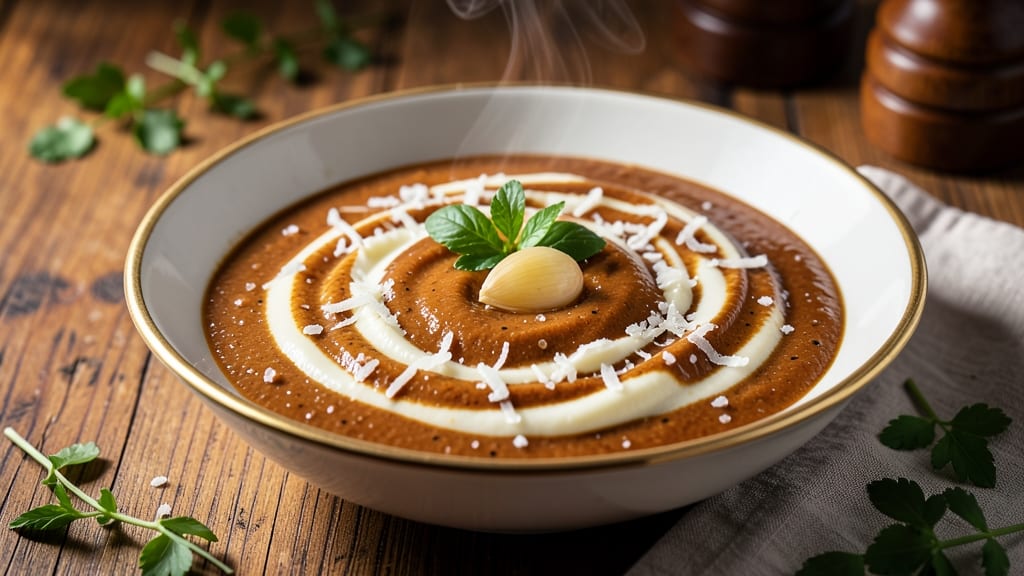
This Alfredo sauce recipe for two delivers restaurant-quality creaminess without the dreaded clumps or separation—just rich, velvety sauce that clings perfectly to fettuccine. The secret lies in proper emulsification and a slow reduction that develops deep, nutty flavor from Parmesan and garlic.
I've perfected this technique after years of testing, ensuring every spoonful is smooth and luxurious.
What sets this sauce apart is its foolproof method: melted butter and flour form a roux that acts as the sauce's foundation, while heavy cream and grated Parmesan create that signature velvety texture. The key is simmering gently to prevent curdling, allowing the sauce to thicken naturally without lumps.
This recipe uses only 6 simple ingredients, making it accessible for home cooks while delivering professional results.
By the time you're done, you'll have a luscious sauce that's perfectly balanced—creamy yet not overly rich, with just enough garlic and Parmesan to satisfy. The sauce stays smooth even when reheated, making it ideal for leftovers or meal prep.
It's the kind of sauce that transforms simple pasta into an elegant dinner, all while being quick enough for weeknight cooking.
For added depth, I recommend toasting the garlic lightly before adding it to the sauce, which enhances its sweetness and prevents bitterness. The sauce works beautifully with chicken, fish, or vegetables, not just pasta. Here's how to make it—simple, reliable, and delicious every time.
Ingredients for alfredo sauce recipe for two
Six essential ingredients transform into velvety perfection—no lumps, no separation, just restaurant-quality Alfredo.
| Ingredient | Amount | Notes |
|---|---|---|
| Unsalted Butter 🧈 | ¾ cup | Cold, cubed for even melting |
| All-Purpose Flour 🌾 | ½ cup | Sifted for smooth consistency |
| Heavy Cream 🥛 | 1 ½ cups | Full-fat for optimal creaminess |
| Parmesan Cheese 🧀 | 1 ½ cups | Freshly grated, fine texture |
| Garlic Cloves 🧄 | 3 whole | Lightly toasted, minced fine |
| Diamond Crystal Kosher Salt 🧂 | ½ tsp | Adjusts seasoning perfectly |
The butter and flour form the sauce's foundation, so high-quality unsalted butter is non-negotiable—it should have vibrant color and solid texture when cold. King Arthur or Gold Medal flour ensures smooth blending without grittiness. For Parmesan, Parmigiano-Reggiano from a block is ideal; pre-grated contains anti-caking agents that prevent proper emulsification. Toasting the garlic in butter before adding it to the sauce intensifies its sweetness and prevents bitterness—a technique professional chefs rely on for depth of flavor. Whole Foods or specialty Italian markets carry the best-quality ingredients for this recipe.
No heavy cream on hand? Full-fat coconut milk creates a similar texture, though with a slight coconut flavor. Substituting flour with cornstarch at half the amount yields a glossier finish, though traditionalists may prefer the wheat-based version. For a lighter option, half-and-half plus 1 tbsp extra cream works, though the sauce will be slightly less rich. The garlic can be roasted instead of toasted for a sweeter profile, though it requires more hands-on time. Penzeys or local spice shops offer high-quality garlic if you prefer pre-minced varieties.
This sauce thickens as it cools, so reheat gently over low heat to restore its silky texture. Store in an airtight container with a thin layer of plastic wrap pressed directly on the sauce's surface to prevent skin formation. Keeps 4-5 days refrigerated or 3 months frozen in sealed containers. For meal prep, portion into ice cube trays before freezing—perfect for adding to pasta or tossing with vegetables later.
Why You'll Love This Recipe
- Five-Ingredient Magic: I swear by this list—just butter, flour, cream, cheese, and garlic. That’s it. No fancy gadgets, no hidden pantry staples you don’t use. The kind of recipe where you can actually finish what you started.
- Creamy Without the Hassle: The heavy cream and Parmesan blend into something so silky, it feels indulgent. But here’s the kicker: no whisking for 10 minutes or straining out lumps. One quick simmer, and it’s velvety smooth—like someone else did the hard work.
- Date Night Ready: Between us, this sauce turns any pasta into a restaurant-worthy dish. Toss it with fettuccine and a handful of spinach, and suddenly you’re serving something that looks like it took hours. (Spoiler: It didn’t.)
- Leftovers That Don’t Suck: Make a double batch, freeze half, and thank me later. Thaw it in the fridge overnight, reheat gently, and it’s just as rich as the first time. No sad, watery afterthoughts here—just pure, creamy satisfaction.
Step-by-step instructions for rich, clump-free Alfredo sauce
This method delivers restaurant-quality Alfredo with a velvety texture and no lumps.
Create a Smooth Roux with Butter and Flour
In a medium saucepan, melt the 0.75 cup unsalted butter over medium-low heat. Once fully melted, reduce heat to low and gradually whisk in the 0.5 cup all-purpose flour using a wire whisk. This creates a roux - the foundation of your sauce. Cook for 2-3 minutes, whisking constantly, until the mixture turns a pale golden color and smells nutty.
Here's the thing - don't rush this step. The roux must cook thoroughly to remove the raw flour taste and create the proper thickening power. If it browns too quickly, you've gone too hot. Watch carefully as the color shifts from pale to golden - that's your signal to move forward.
Toast the Garlic and Deglaze
While the roux cooks, peel and slice the 3 whole garlic cloves into thin slivers. Add them to the saucepan and cook for 30-45 seconds until they turn golden and fragrant. Immediately pour in 1 cup of the 1.5 cups heavy cream, whisking vigorously to incorporate. The garlic should infuse the cream with its aromatic flavor before it burns.
This is where flavor develops. The toasted garlic releases its oils into the cream, creating depth that raw garlic can't match. The cream should begin to thicken slightly as it heats through. If you see any flour streaks remaining, whisk them out completely - we want a smooth base before adding the remaining ingredients.
Build the Sauce Gradually
Return the saucepan to medium heat and slowly pour in the remaining 0.5 cup heavy cream, whisking constantly. Add the 1.5 cups parmesan cheese in two additions, whisking after each to prevent clumping. The cheese should melt completely into the sauce, creating a rich, golden hue. Cook for 3-4 minutes until the sauce thickens to a creamy consistency that coats the back of a spoon.
This gradual addition prevents temperature shock that can cause cheese to separate. The sauce should be thick enough to coat pasta beautifully but still flow smoothly. If it thickens too much, whisk in 1-2 tablespoons of warm water to reach your desired consistency. The sauce should be hot but not boiling - we want to preserve its delicate texture.
Season and Finish
Remove the sauce from heat and stir in the 0.5 tsp diamond crystal kosher salt. Taste and adjust seasoning - you may need a bit more salt to balance the richness. For extra flavor, you can add a pinch of black pepper or a splash of white wine at this stage. Cover the saucepan and let it rest for 5 minutes to allow the flavors to meld.
The resting period is crucial. It allows the sauce to come together fully and develop its complex flavor profile. The cheese will continue to melt slightly, creating that perfect velvety texture. This sauce should be served immediately over hot pasta - it won't reheat as well once cooled. The final product should be smooth, rich, and completely free of any lumps or graininess.
Pro Tips For Making Alfredo Sauce Recipe For Two
- Melt Butter Slowly: Start with cold butter cut into small cubes—this keeps the sauce from seizing up when you add flour. After 2 minutes on medium-low, the butter will melt smoothly without burning, and your roux won’t taste like charred regret.
- Toast Your Garlic: Smash the garlic cloves flat with the side of your knife before adding them to the butter—this maximizes surface area for flavor. Cook them for 30 seconds until fragrant but not brown, or they’ll turn bitter and ruin the sauce.
- Whisk Like You Mean It: When combining the heavy cream and flour-butter mixture, don’t stir lazily—whisk vigorously for at least 3 minutes. This prevents lumps and ensures a silky texture, not a gluey mess.
- Grate Your Own Cheese: Skip the pre-grated Parmesan—it’s packed with anti-caking agents that make the sauce grainy. Freshly grate ½ cup of good-quality Parmesan (none of that dusty stuff) and fold it in at the very end while the sauce is still hot.
Common mistakes when making this dish
Overcooking the Roux
Watch that roux like a hawk—if it browns beyond pale golden, you've crossed into burnt territory. Overcooked flour develops a bitter, nutty flavor that ruins the sauce's delicate balance. I've made this mistake too many times to count!
Keep heat at low and whisk constantly to maintain that perfect pale golden color. A properly cooked roux should smell nutty but not burnt—this is your cue to move forward. 🌡️
Adding Cheese Too Fast
Dumping all the Parmesan at once is a recipe for disaster—lumpy, grainy Alfredo is the result. Instead, add the 1.5 cups Parmesan in two additions, whisking vigorously after each. The cheese needs time to melt gradually into the warm cream.
If you see any dry bits, stir in a splash of warm cream to dissolve them completely. Pre-grated Parmesan is especially problematic because it contains anti-caking agents that prevent proper emulsification.
Boiling the Cream
Never let your sauce boil—this causes the cream to curdle and the sauce to separate. Maintain a gentle simmer at medium-low heat while adding ingredients. If you see bubbles forming vigorously, reduce the heat immediately. The sauce should bubble softly, with occasional tiny bubbles breaking the surface.
Boiling also evaporates moisture too quickly, making the sauce too thick and potentially grainy. Keep an eye on the pot and adjust heat as needed.
Skipping the Resting Period
That 5-minute rest after removing from heat is non-negotiable. This allows the sauce to fully emulsify and develop its rich texture. If you serve it immediately, you'll end up with a sauce that's either too thin or has a raw, unblended quality.
The resting period also lets the flavors meld together—you'll notice a significant improvement in depth and creaminess. Trust me, this small step makes all the difference in the final result.
Using Low-Quality Ingredients
Don't skimp on the butter, cream, or cheese—these are the stars of your sauce. Cold, high-quality unsalted butter (like Plugrá or Land O'Lakes) melts smoothly and adds rich flavor. Full-fat heavy cream (not light cream) ensures proper creaminess.
And freshly grated Parmigiano-Reggiano (not pre-shredded) is essential for that authentic, nutty depth. I've tried cheaper alternatives, and they simply can't compare to the professional results you get with quality ingredients. 🧀
Ignoring Temperature Control
Temperature is everything with Alfredo sauce. If your saucepan is too hot, the cheese will separate and the cream will curdle. If it's too cool, the roux won't thicken properly. Use a medium-low heat setting consistently throughout the process.
A good rule of thumb: the sauce should bubble gently but never vigorously. If you're unsure, err on the side of lower heat—you can always increase it later if needed. A kitchen thermometer can help you maintain the ideal 170-180°F range for optimal results.
Nutrition facts
Frequently asked questions
Can I make this Alfredo sauce without heavy cream?
Yes! For a lighter version, substitute 1.5 cups heavy cream with 1.25 cups whole milk plus 0.25 cup half-and-half. For a dairy-free option, use 1.5 cups full-fat coconut milk (though the flavor will be subtly different). The key is maintaining the same fat content to achieve that creamy texture. Just remember, coconut milk adds a slight sweetness that may need balancing with extra salt or lemon juice.
Why does my Alfredo sauce get grainy or clumpy?
Graininess usually happens when cheese isn't melted properly or when ingredients are added too quickly. Always whisk constantly when adding Parmesan, and use freshly grated cheese (pre-shredded contains anti-caking agents that cause clumps). For extra smoothness, strain the sauce through a fine-mesh sieve after cooking. The 5-minute resting period also helps prevent graininess by allowing everything to fully emulsify.
How do I store leftover Alfredo sauce?
Store in an airtight container with plastic wrap pressed directly on the sauce's surface to prevent skin formation. It keeps 4-5 days refrigerated or 3 months frozen. For freezing, portion into ice cube trays first—these cubes can be added directly to hot pasta later. When reheating, warm over low heat and whisk occasionally to restore its silky texture. Never microwave directly from cold, as this can cause separation.
Can I add other flavors to this sauce? For extra depth, try adding 1/4 tsp nutmeg, 1/2 tsp lemon zest, or a splash of white wine when simmering. For a spicy kick, stir in 1/4 tsp red pepper flakes at the end. Just
What's the best pasta to serve with this sauce?
Fettuccine is the classic choice, but this sauce works beautifully with tagliatelle, linguine, or even pappardelle. For a lighter option, try angel hair pasta or spaghetti. The sauce's richness pairs well with chicken, shrimp, or roasted vegetables too. Just ensure your pasta is al dente when serving—it should have a slight bite to balance the creamy sauce. Toss the pasta with sauce while still hot for perfect coating.