
Sauces & Condiments
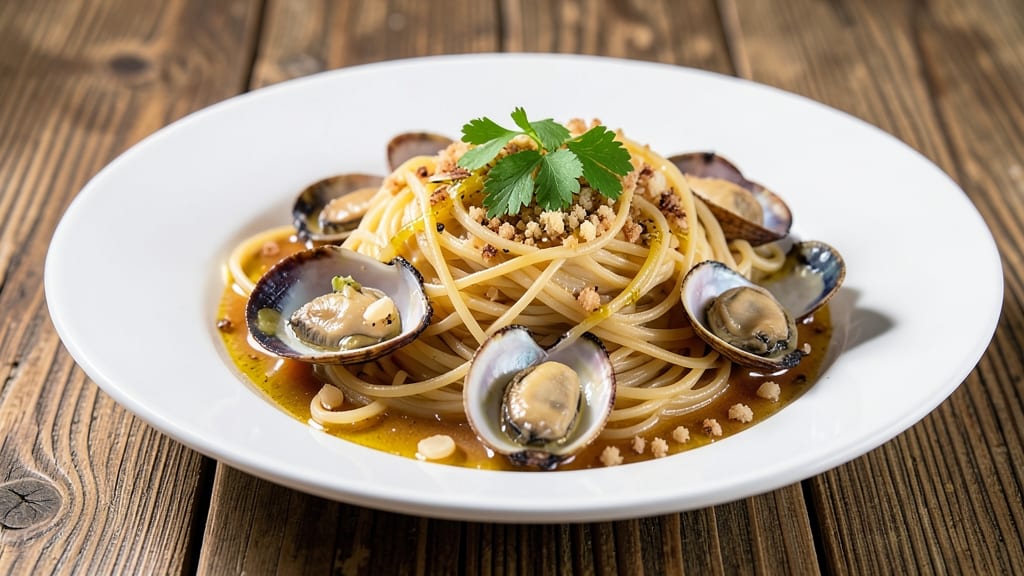
This angel hair pasta with clam sauce delivers the perfect harmony of briny clams, aromatic garlic, and tender al dente noodles—all in under 30 minutes.
The secret lies in balancing fresh clams (or canned for convenience) with white wine and broth, creating a sauce that clings to every strand of pasta like a velvety embrace.
Whether you're serving this as a pescatarian main or a showstopping appetizer, the rich umami flavors and delicate texture make it a standout dish.
The process is simpler than it sounds: start by cooking your angel hair pasta to al dente perfection, then transform basic pantry staples into a luxurious clam sauce.
Sauté garlic until fragrant, deglaze with white wine, and let the clams steam open in their own juices before reducing everything into a silky, flavor-packed sauce. The key is timing—adding the pasta at the right moment ensures it absorbs the sauce without turning mushy.
By the time you plate it, you’ll have a dish that looks as impressive as it tastes: golden noodles twined with clams, their briny sweetness balanced by the garlic’s warmth.
Garnish with fresh parsley or a squeeze of lemon for brightness, and you’ve got a restaurant-worthy meal that’s surprisingly easy to recreate at home. This is the kind of dish that turns a simple weeknight into a memorable dining experience.
The beauty of this recipe is its versatility—use fresh clams for the most authentic flavor or canned for convenience, and adjust the wine and broth to your preference. Serve it as a light main course with crusty bread on the side or as an appetizer for a crowd.
The sauce’s richness pairs beautifully with the delicate texture of angel hair, making every bite a perfect balance of texture and flavor. Once you try this, you’ll never settle for anything less than homemade again.
Ingredients for angel hair pasta with clam sauce
Fresh clams and al dente angel hair—just 13 ingredients for a restaurant-worthy dish.
| Ingredient | Amount | Notes |
|---|---|---|
| Angel Hair Pasta 🍝 | 8 oz | Dry weight, al dente preferred |
| Fresh Clams 🦪 | 1 ½ lb | Steamer clams or littlenecks |
| Garlic Cloves 🧄 | 6 cloves | Thinly sliced, not minced |
| Dry White Wine 🍷 | ½ cup | Sauvignon Blanc or Pinot Grigio |
| Clam Juice or Fish Stock 💧 | 1 cup | Homemade or quality store-bought |
| Heavy Cream 🥛 | ¼ cup | Full-fat for richness |
| Extra-Virgin Olive Oil 🫒 | 2 tbsp | For sautéing garlic |
| Lemon Juice 🍋 | 1 ½ tbsp | Freshly squeezed |
| Fresh Parsley 🌿 | ¼ cup | Chopped, for garnish |
| Salt 🧂 | 1 ½ tsp | Kosher or sea salt |
| Ground Black Pepper 🌶️ | ½ tsp | Freshly ground |
| Red Pepper Flakes 🌶️ | ¼ tsp | Optional for heat |
| Crusty Bread 🍞 | 1 loaf | For serving, optional |
Clams are the star here, so freshness is non-negotiable. Hit the seafood counter for steamer clams or littlenecks—they should smell briny, not fishy. Whole Foods or your local fishmonger are best bets. No fresh clams? High-quality canned clams (like Brooklyn Flake) work in a pinch, but drain them well. The garlic needs to be freshly sliced—pre-minced loses flavor fast. For the wine, anything dry and crisp works, but Sauvignon Blanc has that bright acidity we're going for. If you're making this ahead, store clams in the fridge until ready to use.
No white wine? Dry vermouth or extra fish stock works in a bind. Heavy cream too rich? Swap for half-and-half or coconut milk—just watch the sauce consistency. Fresh parsley wilting? Dried parsley at one-third the amount gets you through. The red pepper flakes are optional but add a nice kick—Trader Joe's sells great ones in little jars. For the pasta, Barilla or De Cecco are my go-tos—they hold up perfectly to the sauce. If you're short on time, pre-cook the pasta and reheat it in the sauce at the end.
Clams release their juices fast, so work quickly once you start cooking them. The sauce keeps well—2-3 days in the fridge, but the pasta gets mushy if reheated. Store components separately: sauce in a jar, pasta in a container. For a crowd, double the clams and sauce, but keep the pasta separate until serving. Garnish with lemon and parsley right before eating—brightness matters. The crusty bread? Warm it in the oven for 5 minutes before serving—crunch is everything.
Why You'll Love This Recipe
- No-Chop Nightmare: I swear by this recipe because the prep is actually minimal. You’re only dicing garlic—no onions, no celery, no fancy mise en place. Toss in the clams, deglaze with wine, and let the stock do the work while you boil the pasta. That’s it. No stress, no fuss, just dinner.
- Wine-Infused Magic: Between us, the white wine isn’t just for flavor—it’s the secret weapon. The alcohol cooks off, leaving behind this bright, almost citrusy depth that makes the clams taste like they’re fresh off the dock. Add a splash of clam juice or stock, and suddenly you’ve got a sauce that’s rich but never heavy.
- Date Night or Lazy Sunday: This dish is my go-to for both fancy and casual nights. Dress it up with a sprinkle of parsley and crusty bread for a dinner party, or serve it straight from the pot with a cold beer for a no-brainer Sunday lunch. It’s that kind of reliable.
- Leftovers That Don’t Suck: Honestly, I make this just to have leftovers. The sauce thickens beautifully when reheated—no slimy texture, no sad clams. Store it in the fridge for up to 3 days, and it’s still the star of my lunchbox. Plus, it’s cheaper than takeout, so win-win.
Step-by-step instructions for angel hair pasta with clam sauce
This dish comes together faster than you'd think—just follow the sequence.
Prepare the Clams and Garlic
Rinse the 1.5 lb fresh clams thoroughly under cold water to remove any sand or debris. Discard any clams that are open and don't close when tapped gently or those with broken shells. Thinly slice the 6 cloves garlic cloves (about 1/16-inch thick) and set aside.
In a large bowl, combine the clams with 1.5 tsp salt, 0.5 tsp ground black pepper, and 0.25 tsp red pepper flakes. Toss gently to coat evenly. This seasoning ensures the clams absorb flavor without overpowering their natural brininess. Let them sit at room temperature for 10 minutes while you prepare the rest of the ingredients.
Cook the Clams and Build the Sauce Base
Heat 2 tbsp extra-virgin olive oil in a large skillet over medium-high heat until shimmering. Add the sliced garlic and sauté for 30 seconds until fragrant but not browned—you want to preserve its sweetness, not burn it. Add the seasoned clams to the pan and cover immediately.
Cook for 4-5 minutes until the clams open. You'll see their shells pop open as they release steam—this is your cue they're done. Remove the clams from the heat and set them aside, reserving the liquid in the pan (about 1/2 cup). Strain this clam juice through a fine-mesh sieve to remove any grit, then set it aside with the clams.
Develop the Sauce with Wine and Stock
Return the skillet to medium heat and pour in the 0.5 cup dry white wine. Let it simmer for 2 minutes until reduced by half, scraping up any browned bits from the bottom of the pan with a wooden spoon. This deglazing step captures all the garlic flavor.
Add 1 cup clam juice or fish stock and bring to a gentle simmer. Let it reduce by one-third (about 3-4 minutes) until slightly thickened. The sauce should coat the back of a spoon but still be fluid. Here's the thing—if it reduces too quickly, add a splash of water to maintain balance.
Finish with Cream and Acid
Reduce the heat to low and stir in the 0.25 cup heavy cream. Let it warm through for 1-2 minutes, stirring constantly to prevent curdling. The cream will create a velvety texture that balances the briny clams. Add 1.5 tbsp lemon juice and taste—you want a bright, tangy finish that cuts through the richness.
Return the cooked clams to the skillet and toss gently to coat them in the sauce. Let them warm through for 1 minute, then remove from heat. The clams should be fully integrated into the sauce, their juices mingling with the cream and wine.
Cook the Pasta and Combine
While the sauce finishes, bring a large pot of water to a rolling boil and add 1.5 tsp salt. Cook the 8 oz angel hair pasta until al dente (about 4-5 minutes). Drain, reserving 1/2 cup pasta water, then return the pasta to the pot.
Toss the pasta with the clam sauce until fully coated, adding reserved pasta water as needed to reach your desired consistency. The sauce should cling to each strand of pasta without making it soggy. Garnish with 0.25 cup chopped fresh parsley and serve immediately with 1 loaf crusty bread on the side for dipping.
Pro Tips For Making Angel Hair Pasta With Clam Sauce
- STEAM THE CLAMS FIRST: I learned this the hard way—dumping raw clams straight into the pan without prepping them first means you’ll lose half their flavor to the pot. Give them a quick 2-minute steam in a colander over boiling water (lid on) to purge any grit and loosen the shells. This also makes them easier to shuck later—no more wrestling with stubborn clams.
- USE THE PASTA WATER WISELY: The starchy pasta water is your sauce’s secret weapon here. After cooking the angel hair, reserve a generous cup before draining—this thickens the clam sauce without needing extra flour. Just swirl a ladleful into the pan when you’re deglazing with wine, and the sauce will cling like it’s supposed to.
- DEGLAZE HOT, THEN SLOW: After searing the garlic (and any clam bits), pour in that white wine immediately—the pan should be smoking. Let it bubble hard for 30 seconds, then reduce to a simmer. Skipping this step means you’ll end up with a dull, watery sauce instead of something bright and layered. (Yes, even if you’re impatient like me.)
- SHUCK CLAMS ON THE COUNTER: No need for a fancy shucking board—just grab a clam, tap the edge with a knife to loosen it, then twist the shell. The muscle will pop right off. Toss the opened shells back into the pan after deglazing to add a briny depth to the sauce. (Does it look weird? Yes. Does it work? Every single time.)
Essential equipment for angel hair pasta with clam sauce
Skillet Essentials
You’ll need a large, heavy-bottomed skillet—I recommend a 12-inch stainless steel like All-Clad or Calphalon—to handle the clams and sauce without scorching. The deep sides make tossing pasta easier later. A wooden spoon (not metal) prevents scratching while deglazing with wine. 🔥
Pasta Tools
Use a fine-mesh colander with large holes to drain angel hair pasta—regular strainers clog easily. A pasta fork helps toss the delicate strands without breaking them. For extra precision, I keep tongs nearby to transfer cooked clams without shell fragments.
Sauce Control
A fine-mesh sieve is critical for straining clam juice—it removes grit while preserving flavor. A small whisk blends the cream smoothly into the sauce. For timing, a kitchen timer ensures the wine reduces exactly 2 minutes before adding stock.
Garnish Kit
Fresh parsley needs a sharp chef’s knife and cutting board—I chop it on a marble slab for better control. A microplane for lemon zest adds visual appeal. Keep a small bowl nearby to hold chopped herbs until serving to prevent wilting.
Optional Upgrades
For pro results, add a thermometer to monitor sauce temp—ideal range is 160-170°F. A pasta water reservoir (like OXO’s) keeps starchy water handy for adjusting sauce consistency. For wine lovers, a carafe decants dry whites to remove sediment before using.
Nutrition facts
Frequently asked questions
Can I substitute canned clams for fresh?
Use 1 (14.5 oz) can of chopped clams, drained well, instead of fresh. For best results, rinse them under cold water to remove excess salt. The texture will be slightly softer than fresh, but the flavor remains rich and briny. Just reduce the clam juice in the recipe by 1/4 cup since canned clams don't release as much liquid.
Why did my clams stay closed when cooking?
Clams should open during cooking—if they don't, they're likely bad. Discard any that remain closed after 5 minutes of cooking. Fresh clams should pop open when exposed to heat. For future batches, buy from reputable seafood markets and check for closed shells that open when tapped before cooking.
How can I make this dish vegetarian?
Swap the clams for 1 cup chopped king oyster mushrooms or hearts of palm. Sauté them with the garlic until tender, then proceed with the wine and stock reduction. Add 1 tbsp nutritional yeast to the sauce for an umami boost that mimics clam flavor. The texture will be different but still delicious!
Can I prepare this ahead of time?
Yes, but separately! Cook the pasta al dente and store it in the fridge for up to 1 day. Make the sauce ahead (without cream) and reheat gently. When ready to serve, toss the pasta with the warmed sauce and finish with fresh cream, lemon juice, and parsley. Never reheat the sauce with cream until serving to prevent curdling.
What white wine works best for this recipe?
Look for a dry, crisp white wine with medium acidity. Sauvignon Blanc or Pinot Grigio are ideal—they brighten the dish without overpowering. Avoid sweet wines like Riesling. If you're wine-free, use dry vermouth or extra fish stock. The key is acidity to balance the richness of the cream and clams.