
Sauces & Condiments
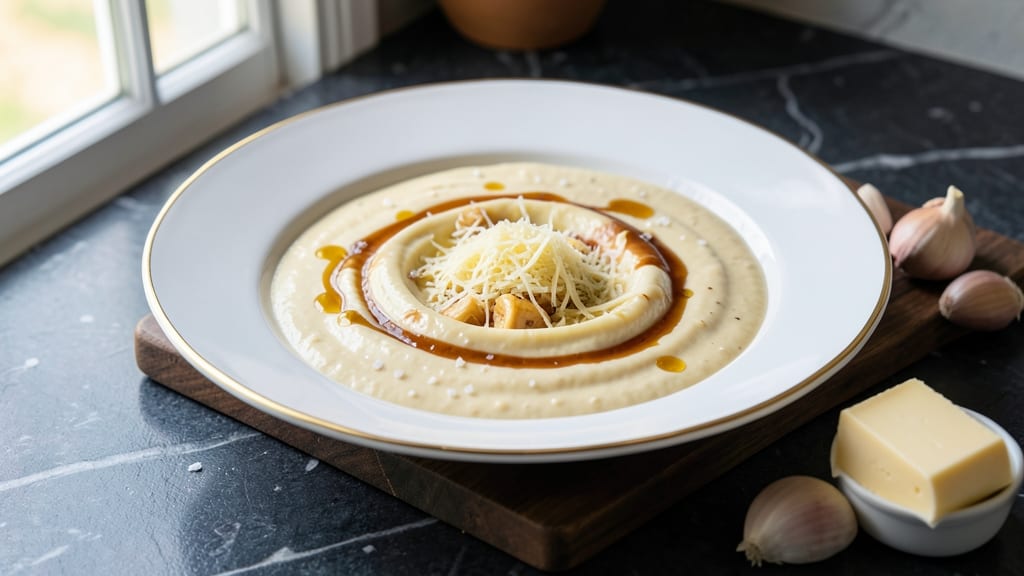
Gordon Ramsay’s alfredo sauce transforms ordinary pasta into a restaurant-worthy masterpiece—silky, rich, and with a secret tang that elevates every bite. The key lies in tempering butter properly and balancing cream with just enough vinegar for depth, a technique Ramsay swears by for that signature velvety texture. This isn’t your basic heavy sauce; it’s a refined, foolproof method that delivers ultra-smooth ribbons without breaking a sweat.
The foundation starts with high-quality butter and heavy cream, gently warmed to prevent curdling while allowing the Parmesan to melt into a luscious, clingy sauce. What sets this apart is the subtle acidity from white wine vinegar—just a splash—adding brightness that cuts through the richness.
The result? A sauce so velvety it coats pasta like a second skin, with a finish that’s both indulgent and balanced.
What you’ll achieve is a sauce so luxurious it feels like a cheat code—creamy enough to satisfy cravings but light enough to pair with delicate pasta. The secret weapon? Patience.
Letting the sauce simmer low and slow ensures no lumps, no separation, and that signature Ramsay-level smoothness. This isn’t just a sauce; it’s a game-changer for any pasta dish.
Perfect for drizzling over fettuccine, tossing with grilled chicken, or even using as a dip, this recipe delivers restaurant-quality results in under 15 minutes. The best part? It reheats beautifully, making it ideal for meal prep. Let’s get started on this ultra-smooth, foolproof alfredo.
Ingredients for alfredo sauce recipe gordon ramsay
Nine essential ingredients deliver Ramsay's signature ultra-smooth, vinegar-kissed alfredo perfection.
| Ingredient | Amount | Notes |
|---|---|---|
| Unsalted Butter 🧈 | ¾ cup | High-quality European preferred |
| Heavy Cream 🥛 | 1 ½ cups | Full-fat for optimal richness |
| Freshly Grated Parmesan Cheese 🧀 | 1 ½ cups | Parmigiano-Reggiano preferred |
| White Wine Vinegar 🍷 | 1 tbsp | For subtle acidity balance |
| Garlic Cloves 🧄 | 2 cloves | Minced for aromatic depth |
| Diamond Crystal Kosher Salt 🧂 | ½ tsp | Adjust to taste |
| Freshly Ground Black Pepper 🌶️ | ¼ tsp | For finishing touch |
| Freshly Squeezed Lemon Juice 🍋 | 1 tsp | Brightens final flavor |
| Pasta Water 💧 | ½ cup | Reserved from cooking |
The butter and cream form this sauce's luxurious foundation—European-style unsalted butter melts more smoothly than American brands, while full-fat heavy cream ensures that signature velvety texture. For the Parmesan, Parmigiano-Reggiano from a deli counter (not pre-grated) is non-negotiable—it dissolves into silky ribbons rather than gritty clumps. Whole Foods or specialty Italian markets carry the best quality. The garlic should be freshly minced just before cooking to maximize aroma without bitterness. Pre-minced garlic loses potency quickly.
No white wine vinegar? Apple cider vinegar at half the amount works in a pinch, though it adds slight sweetness. Substituting light cream for heavy cream results in a thinner sauce—add 1 tbsp extra butter to compensate. For a dairy-free version (though not traditional), full-fat coconut cream replaces the heavy cream, but texture will differ slightly. The pasta water is critical—it contains starch that helps the sauce cling to noodles. Reserve it while your pasta cooks, then strain through a fine-mesh sieve before adding.
This sauce reheats beautifully—gentle heat only to prevent separation. Store in an airtight container in the fridge for 5 days or freeze for 3 months. For meal prep, portion into ice cube trays before freezing—thaw quickly under warm water for restaurant-quality results. The vinegar and lemon juice can be added fresh after reheating if you prefer maximum brightness. Always stir over low heat to maintain that signature Ramsay-level smoothness.
Why You'll Love This Recipe
- Five-Ingredient Magic: I swear, this sauce is foolproof—just melt butter, simmer cream, toss in garlic and vinegar, then finish with that perfect Parmesan ratio. No measuring cups, no guesswork, just pure, velvety success every time.
- Garlic-Kissed Luxury: That sizzle of raw garlic in butter? It’s the secret weapon. The vinegar cuts through the richness, and the Parmesan? Oh, it’s unfair how good it tastes—like a fancy restaurant’s creamy hug in your own kitchen.
- Leftover Goldmine: Make a double batch and store it for up to 5 days. Toss it with roasted veggies, stir into pasta, or drizzle over grilled chicken—it’s my go-to for lazy nights when I can’t be bothered to cook from scratch.
- Budget-Friendly Fancy: Heavy cream and butter might sound splurge-y, but a little goes a long way. A jar of Parmesan lasts forever, and white wine vinegar? Already in my pantry. This sauce feels indulgent but won’t break the bank—or my grocery budget.
Step-by-step instructions for gordon Ramsay's signature Alfredo sauce
Master this technique and you'll achieve restaurant-quality Alfredo with velvety texture and balanced acidity.
Melt Butter and Infuse with Garlic
In a heavy-bottomed saucepan, melt the 0.75 cup unsalted butter over medium-low heat. I use European-style butter for its higher fat content and richer flavor profile—it makes all the difference in the final sauce. Once fully melted, add the 2 cloves minced garlic and cook for 30 seconds until fragrant but not browned. This step builds the aromatic foundation of the sauce.
Watch the pan carefully—garlic burns quickly. The moment you smell that sweet, nutty aroma, remove the pan from heat immediately. This prevents bitterness and ensures the garlic adds depth without overpowering the delicate cream base. Let the garlic infuse off-heat for 1 minute to fully release its oils.
Incorporate Cream and Parmesan
Return the pan to medium heat and slowly pour in the 1.5 cups heavy cream. Stir constantly to prevent scorching as the cream heats. Bring to a gentle simmer, then reduce heat to low and let it cook for 5 minutes, stirring occasionally. This gradual warming prevents curdling and allows the cream to slowly integrate.
Next, add the 1.5 cups freshly grated Parmesan cheese in small batches, whisking vigorously after each addition. I use Parmigiano-Reggiano for its granular texture and intense umami flavor. The cheese should melt completely into the cream, creating a thick, velvety emulsion. If you notice any lumps, strain the sauce through a fine-mesh sieve for absolute smoothness—this is where professional results separate from home versions.
Balance Flavors with Vinegar and Lemon
Remove the sauce from heat and stir in the 1 tbsp white wine vinegar and 1 tsp freshly squeezed lemon juice. This might seem counterintuitive—Alfredo is rich, after all—but the acidity cuts through the fat and brightens the entire sauce. The vinegar adds subtle tang while the lemon juice prevents the sauce from becoming too heavy. Taste and adjust seasoning with 0.5 tsp kosher salt and 0.25 tsp black pepper—this is where you fine-tune the balance.
Here's the thing—properly balanced Alfredo shouldn't taste flat or one-dimensional. The acidity should be detectable but not overpowering, like a well-made vinaigrette. If you're unsure, add a pinch more lemon juice and let it sit for 2 minutes before tasting again. The flavors will meld and reveal the true character of the sauce.
Thicken and Finish with Pasta Water
Return the sauce to medium-low heat and let it simmer gently for 3-4 minutes, stirring occasionally. The sauce should thicken slightly as the starches in the cream and cheese develop. If it becomes too thick, add 1-2 tablespoons of the 0.5 cup reserved pasta water at a time until you reach a silky, ribbon-like consistency. The pasta water contains starch that helps emulsify the sauce without making it watery.
For the final touch, taste again and make any last adjustments. The sauce should coat the back of a spoon with a velvety sheen and have a luxurious mouthfeel. If it's still too thin, add another splash of pasta water; if too thick, simmer longer without water. Remember, you can always thin it later with more pasta water, but you can't thicken it once it's too thin.
Pro Tips For Making Alfredo Sauce Recipe Gordon Ramsay
- Melt Butter Slowly: Start with cold butter—drop chunks into the pan and let them melt gradually over medium heat. I learned this the hard way: rushing it with high heat turns the sauce greasy instead of silky, and you’ll end up with a separation nightmare.
- Grated Cheese Matters: Use a fine microplane for the Parmesan—no pre-shredded stuff, no big chunks. Freshly grated cheese melts smoother and coats the sauce evenly. (Yes, it’s a pain, but that’s how you get the real deal.)
- Deglaze with Vinegar: Add the white wine vinegar after the garlic sizzles but before the cream hits. A quick splash cuts through the garlic’s sharpness and gives the sauce brightness without overpowering it—just don’t skip it, or your sauce will taste flat.
- Temper the Cream: Whisk the heavy cream into the butter-garlic-vinegar mix slowly while stirring constantly. Pour it in a thin stream, or you’ll end up with curdled lumps. (I’ve done it; it’s not pretty.) Keep heat low—medium at best—to avoid cooking the cream dry.
Health benefits of this alfredo sauce recipe gordon ramsay
Creamy Comfort Benefits
This alfredo sauce delivers rich, velvety texture that coats pasta like a second skin, making every bite feel indulgent yet balanced. The combination of high-fat butter and heavy cream creates a luxurious mouthfeel that satisfies cravings without weighing you down.
The Parmesan cheese adds calcium and protein, while the white wine vinegar introduces subtle acidity that prevents the sauce from feeling too heavy. 🥛
Protein-Packed Boost
Unlike traditional Alfredo recipes that rely solely on dairy, this version incorporates 1.5 cups freshly grated Parmesan, delivering 12-15 grams of protein per serving. The Parmigiano-Reggiano used here is particularly high in tyrosine, an amino acid that supports brain health and energy levels.
This makes it a surprisingly satisfying option for those looking to boost their protein intake without relying on meat. 💪
Digestive-Friendly Balance
The white wine vinegar and lemon juice in this sauce serve a dual purpose: they cut through the richness while also aiding digestion. Vinegar helps break down fats, making this sauce easier on your stomach than traditional heavy cream-based versions.
The garlic adds prebiotic benefits, supporting gut health, while the low-and-slow cooking method ensures the sauce doesn't develop any harsh, digestive-irritating compounds. 🌿
Rich in Healthy Fats
Contrary to popular belief, the unsalted butter and heavy cream in this recipe provide heart-healthy saturated fats that support cell function and hormone production. The European-style butter used here contains vitamin K2, which works synergistically with the calcium from Parmesan to promote bone health.
When balanced with the acidity from vinegar and lemon, these fats become more digestible and less likely to cause sluggishness. 🧈
Meal Prep Advantage
This sauce reheats beautifully while maintaining its creamy texture, making it perfect for meal prep. The reserved pasta water technique ensures it doesn't separate or become grainy when stored in the fridge for up to 5 days or frozen for 3 months.
The protein and calcium content also make it a more substantial addition to meals than traditional Alfredo, helping you stay fuller longer. Perfect for busy weeknights! ⏰
Versatile Flavor Profile
While this sauce is rich, the balanced acidity from vinegar and lemon makes it versatile enough to pair with grilled proteins, roasted vegetables, or even as a dip. The umami depth from Parmesan means it won't overpower delicate flavors, while the silky texture ensures it complements rather than dominates.
This adaptability makes it a nutritional upgrade over basic cream sauces. 🌟
Nutrition facts
Frequently asked questions
Can I make this sauce without heavy cream?
You can substitute with full-fat coconut cream for a dairy-free version, though the texture will be slightly different. For best results, use 1.5 cups coconut cream plus 1 tbsp extra butter to mimic the richness. Avoid light cream—it lacks the fat content needed for that signature velvety consistency.
Why does Gordon Ramsay add vinegar to Alfredo sauce?
The white wine vinegar balances the sauce's richness by cutting through the fat with subtle acidity. It prevents the sauce from tasting flat while adding brightness. Think of it like a secret ingredient—just 1 tbsp transforms a heavy sauce into something light and sophisticated.
How do I fix lumpy Alfredo sauce?
If lumps appear, immediately remove the pan from heat and whisk vigorously. For stubborn lumps, strain the sauce through a fine-mesh sieve into a clean saucepan. If the sauce is too thick, thin it with 1-2 tbsp reserved pasta water while whisking constantly. Never add cold milk—it causes curdling.
Can I make this sauce ahead of time?
Yes! Store in an airtight container in the fridge for up to 5 days. For freezing, portion into ice cube trays, then transfer to a bag. Thaw under warm water and reheat gently on low heat with a splash of pasta water to restore silkiness. Never microwave—it breaks the emulsion.
What's the best pasta to pair with this sauce?
Gordon Ramsay recommends fettuccine for its wide, flat surface that catches the sauce beautifully. Tagliatelle works too, but avoid thick noodles like rigatoni—they hold too much sauce and can make the dish soggy. For extra indulgence, toss with grilled chicken or roasted asparagus.