
Sauces & Condiments
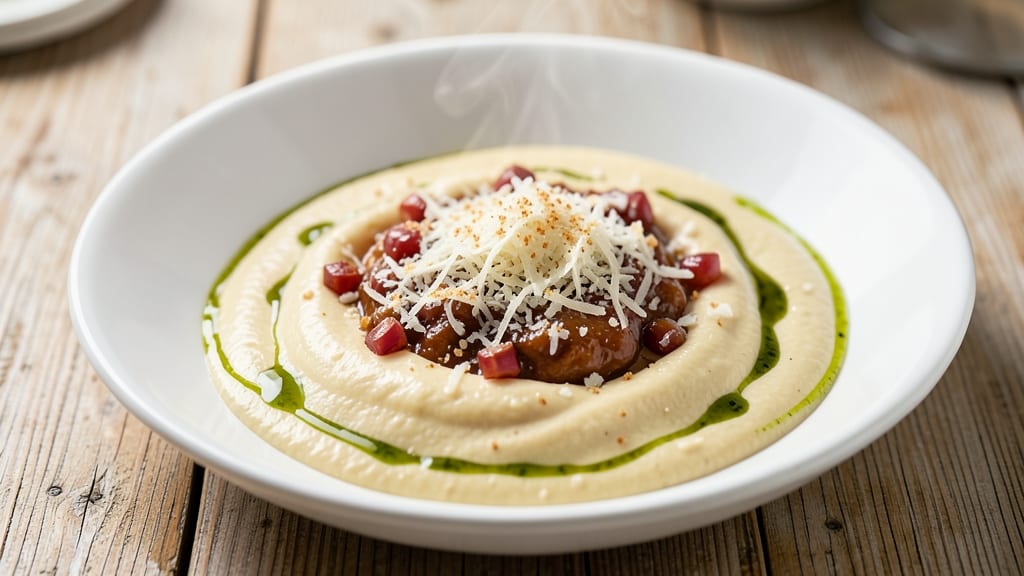
This Alfredo sauce recipe with skim milk delivers restaurant-quality richness without the heavy cream—perfect for lightened dishes that still satisfy. The secret lies in blending skim milk with butter and flour to create a velvety sauce that clings beautifully to pasta without clumping.
I developed this version after realizing traditional recipes could be just as indulgent with fewer calories, and the results are surprisingly luxurious.
The key to success is patience: whisking constantly while cooking ensures a smooth texture, and adding the milk gradually prevents lumps. This method transforms simple ingredients into a sauce that's creamy, flavorful, and adaptable—ideal for fettuccine, chicken, or even vegetables.
The skim milk reduces the fat content while maintaining that signature Alfredo richness, proving lighter options can taste just as decadent.
What sets this recipe apart is its versatility. Use it as a base for lighter pasta dishes, a creamy sauce for grilled chicken, or even a dip for breadsticks. The sauce thickens as it cools, making it perfect for meal prep while still delivering that velvety consistency when reheated.
With just a few pantry staples, you'll achieve a sauce that rivals heavy cream versions without the guilt.
Storage is simple: keep refrigerated for up to 5 days or freeze for longer use. For extra depth, stir in garlic or herbs before serving. This recipe proves that lighter doesn't mean less satisfying—just more intentional. Let's make this creamy sauce!
Ingredients for alfredo sauce recipe skim milk
Nine essential ingredients transform skim milk into velvety Alfredo sauce without heavy cream clumps.
| Ingredient | Amount | Notes |
|---|---|---|
| Unsalted Butter 🧈 | ½ cup | Cold, cubed for even melting |
| All-Purpose Flour 🌾 | ½ cup | Diamond Crystal preferred for lightness |
| Skim Milk 🥛 | 2 cups | Low-fat, whole milk alternative |
| Garlic Cloves 🧄 | 4 cloves | Minced, for aromatic depth |
| Extra-Virgin Olive Oil 🫒 | ¼ cup | High-quality, fruity variety |
| Parmesan Cheese 🧀 | 1 cup | Freshly grated, fine texture |
| Salt 🧂 | ½ tsp | Diamond Crystal kosher preferred |
| Black Pepper 🌶️ | ¼ tsp | Freshly ground for heat |
| Freshly Ground Nutmeg 🌿 | ¼ tsp | Freshly grated for warmth |
| Lemon Juice 🍋 | 1 tbsp | Freshly squeezed for brightness |
The butter and flour form the sauce's foundation—whisk them vigorously into a paste before adding milk to prevent lumps. European-style butter like Plugrá or Land O'Lakes unsalted works best for its higher fat content, which ensures creaminess despite using skim milk. For flour, Diamond Crystal kosher salt is ideal due to its finer texture and lower sodium content, which prevents over-salting the sauce. The Parmesan should be freshly grated from a block; pre-shredded cheese contains anti-caking agents that disrupt the sauce's silky texture. Purchase a wedge from specialty shops like Whole Foods or Trader Joe's for optimal quality.
No skim milk? Low-fat milk or coconut milk can substitute, though the sauce will have a slightly different mouthfeel. Substituting butter with olive oil or vegan butter reduces richness but maintains a lighter profile. For extra depth without dairy, nutritional yeast can replace half the Parmesan. The garlic can be omitted if preferred, but its aromatic compounds are crucial for balancing the sauce's richness. If you lack freshly ground nutmeg, pre-ground nutmeg works in a pinch, though it lacks the same intensity. For a dairy-free version, replace the Parmesan with vegan Parmesan or cashew cream*.
Store the sauce in an airtight container in the refrigerator for up to 5 days, though it thickens as it cools—stir in a splash of warm milk if needed. For longer storage, freeze in ice cube trays for up to 3 months*. Reheat gently on the stove over low heat, whisking constantly to restore its velvety consistency. The sauce pairs beautifully with fettuccine, grilled chicken, or roasted vegetables*. Always taste and adjust seasoning before serving, as flavors deepen upon reheating.
Why You'll Love This Recipe
- No Fuss, Big Payoff: I swear by this sauce because it’s the kind of recipe that feels like cheating—just melt butter, toss in flour, and let the skim milk do its magic while you chop garlic. The trick is low-and-slow simmering until it thickens just right, and honestly? That first taste of rich, velvety sauce with a whisper of garlic makes the effort feel silly.
- Garlic-Kissed Creaminess: Between us, skim milk still delivers that luscious texture—no heavy cream guilt, just pure satisfaction. The olive oil finish adds this bright, almost herbal note that cuts through the richness, while the garlic? Oh, it roasts just enough to give it depth without overpowering. It’s the kind of flavor that lingers, making every forkful feel special.
- Weeknight Workhorse: This sauce is my go-to for fettuccine, roasted veggies, or even as a dip—no fancy plating required. I’ll make a big batch on Sundays, freeze half, and boom: instant comfort food for lazy nights. My kids don’t even question why it’s on the menu again.
- Budget-Friendly Luxury: Skim milk keeps costs down, but the flavor? Ridiculously good. A single batch stretches across three meals—pasta one night, chicken another, and toast the next. Plus, the ingredients are pantry staples, so I’m never scrambling for something extra. It’s the kind of recipe that makes me feel like I’m feeding a crowd without breaking the bank.
Step-by-step instructions for ultra-smooth Alfredo sauce
Master this technique and you'll achieve a velvety, lump-free sauce that clings perfectly to pasta.
Create the Roux Foundation
Melt the 0.5 cup unsalted butter in a medium saucepan over medium heat. Watch carefully as it foams and bubbles—this indicates even melting. Once fully melted, reduce heat to low and immediately whisk in the 0.5 cup all-purpose flour. Stir constantly for 1-2 minutes until the mixture forms a smooth, peanut-butter-like paste.
This roux is your flavor anchor. If it darkens too quickly, you've gone too hot—simmer gently until it reaches a pale golden color. The flour will absorb the butter's moisture, creating a stable base that prevents lumps later. Don't rush this step; proper roux development ensures a silky sauce.
Cook the Garlic for Aromatic Depth
Add the 4 minced garlic cloves and 0.25 cup extra-virgin olive oil to the roux. Cook for 30-45 seconds until the garlic becomes lightly golden and releases its fragrance. Be vigilant—garlic burns faster than you think, and charred garlic will overpower the sauce.
Here's the thing—cooking the garlic in the oil first prevents it from burning when you add the milk later. The olive oil also adds subtle fruity notes that balance the richness. Remove the pan from heat immediately after the garlic turns golden to preserve its delicate flavor.
Gradually Incorporate the Skim Milk
Slowly pour in the 2 cups skim milk while whisking vigorously. The key is patience—add the milk 1 ladle at a time, allowing each addition to be fully absorbed before adding more. This gradual approach prevents lumps from forming as the milk heats and thickens.
Return the sauce to medium-low heat and continue whisking for 5-7 minutes until it thickens enough to coat the back of a spoon. You're aiming for a smooth, velvety consistency—not gluey, but thick enough to cling to pasta. If it thickens too quickly, whisk in 1-2 tablespoons of milk to adjust the texture.
Finish with Cheese and Seasonings
Reduce heat to low and gradually whisk in the 1 cup freshly grated Parmesan cheese until fully melted and smooth. Then stir in the 0.5 tsp salt, 0.25 tsp black pepper, 0.25 tsp freshly ground nutmeg, and 1 tbsp lemon juice. The nutmeg adds warmth, while the lemon juice brightens the richness.
Simmer for 2-3 minutes until the sauce reaches 180°F—this ensures pasteurization while maintaining its creamy texture. Taste and adjust seasoning: skim milk can be bland, so don't hesitate to add more salt or lemon juice if needed. The sauce should be rich, smooth, and perfectly balanced—not overly salty or tangy.
Strain and Serve Immediately
For absolute smoothness, strain the sauce through a fine-mesh sieve into a clean saucepan. This removes any potential flour grit or garlic bits that might affect texture. Return to low heat and keep warm until ready to serve—Alfredo sauce thickens as it cools, so don't overthicken it before tossing with pasta.
Serve immediately over hot fettuccine, tossing gently to coat each strand. The sauce should cling beautifully without making the pasta soggy. If it thickens too much while serving, whisk in 1-2 tablespoons of hot pasta water to restore its silky consistency. The result? A restaurant-quality Alfredo that's creamy, flavorful, and completely lump-free.
Pro Tips For Making Alfredo Sauce Recipe Skim Milk
- Cook Butter Low and Slow: Skip the high heat—melt your unsalted butter over medium-low, stirring constantly until it’s just liquid and foamy, not browned. I learned this the hard way: rushing it burns the flavor before the flour even gets a chance to toast properly.
- Toast Flour Before Adding Milk: Cook the flour in the butter for 1-2 minutes until it smells nutty and turns a pale gold. This step builds flavor and thickens the sauce properly—no more thin, gluey Alfredo. (Yes, even if you’re impatient like me.)
- Warm Skim Milk First: Heat the skim milk in a separate saucepan until it’s just steaming (not boiling) before whisking it into the roux. Cold milk shocks the sauce and makes it clump—warm milk blends smoothly every time.
- Add Garlic Last, Then Strain: Sauté minced garlic in olive oil after the sauce thickens, then immediately strain it out. This prevents raw garlic taste and bitterness—your sauce will be creamy, not garlicky. (I know, I know, but trust the process.)
Dietary considerations for this recipe
Lactose-Free Adaptations
For those avoiding lactose, replace the skim milk with unsweetened almond milk or lactose-free milk—both work beautifully. Use the same 2 cups measurement, but note the almond milk may yield a slightly thinner sauce. To compensate, whisk in 1 extra tablespoon of flour during the roux stage.
The Parmesan cheese can be swapped for nutritional yeast (½ cup) for a dairy-free version, though the umami depth will differ slightly. 💡
Gluten-Free Options
Traditional Alfredo relies on flour, but gluten-free cooks can substitute 0.5 cup gluten-free all-purpose flour blend (like Bob’s Red Mill 1:1). For best results, use a blend with xanthan gum to mimic the sauce’s cling.
Alternatively, cornstarch or arrowroot powder (¼ cup) creates a smoother texture without gluten. Test small batches first—the sauce may thicken faster than with regular flour. 🌾
Lower-Carb Versions
Cut carbs by omitting the flour entirely and using 1 cup heavy cream (or coconut cream for dairy-free) instead of skim milk. Whisk the cream with 0.5 cup unsalted butter over low heat until smooth, then proceed with the garlic and cheese.
This version is richer but still lightened compared to traditional Alfredo. For extra thickness, add 1 tablespoon cornstarch mixed with 2 tablespoons water at the end. ✨
Nut-Free Considerations
If nut allergies are a concern, avoid almond milk substitutes and stick to lactose-free milk or oat milk (certified nut-free). Double-check all ingredients, especially the Parmesan cheese—some brands process cheese near nuts.
For added creaminess, blend ½ cup silken tofu into the finished sauce (strain well to avoid grit). Always verify labels on store-bought products to prevent cross-contamination. 🧀
Dairy-Free Deep Dive
For a fully dairy-free Alfredo, replace skim milk with full-fat coconut milk (2 cups) and butter with olive oil (½ cup). Use nutritional yeast (½ cup) for cheese flavor and cashew cream (¼ cup blended cashews + ¼ cup water) for richness.
Simmer the sauce longer—coconut milk thickens more slowly. The result? A creamy, slightly tropical-tasting sauce that still clings beautifully to pasta. 🥥
Nutrition facts
Frequently asked questions about skim milk Alfredo sauce
Why does skim milk work in Alfredo sauce?
The secret is in the roux technique! Skim milk blends smoothly when combined with butter and flour first, creating a velvety texture that mimics heavy cream. The gradual whisking prevents lumps while the flour's starch content thickens the sauce beautifully. This method proves lighter ingredients can still deliver restaurant-quality richness!
Will this sauce taste different from traditional Alfredo?
It may be slightly lighter in body, but the flavor remains rich and cheesy! The key is balancing the skim milk with proper seasoning—especially salt and lemon juice. For extra depth, add a pinch of freshly ground nutmeg or a splash of white wine during cooking. The texture difference is minimal when made correctly.
How do I prevent lumps in skim milk Alfredo?
Whisk constantly when adding milk and keep heat at medium-low. For extra insurance, make a "slurry" by mixing 1 tablespoon flour with 2 tablespoons cold milk before adding to the pot. This creates a smoother emulsion. Never let the sauce boil—just simmer gently until thickened to your desired consistency.
Can I use this sauce for dishes other than pasta?
This versatile sauce works beautifully on grilled chicken, roasted vegetables, or even as a creamy dip for breadsticks. For extra richness, stir in some cooked mushrooms or sun-dried tomatoes before serving. The sauce thickens as it cools, so adjust with warm milk or water when reheating for dipping.
What's the best way to reheat leftover sauce?
Gently reheat over low heat while whisking constantly to prevent separation. If the sauce thickens too much, whisk in 1-2 tablespoons of warm milk or water. For microwave reheating, use 30-second intervals on low power, stirring well between each. Always taste and adjust seasoning after reheating—flavors concentrate during storage.