
Sauces & Condiments
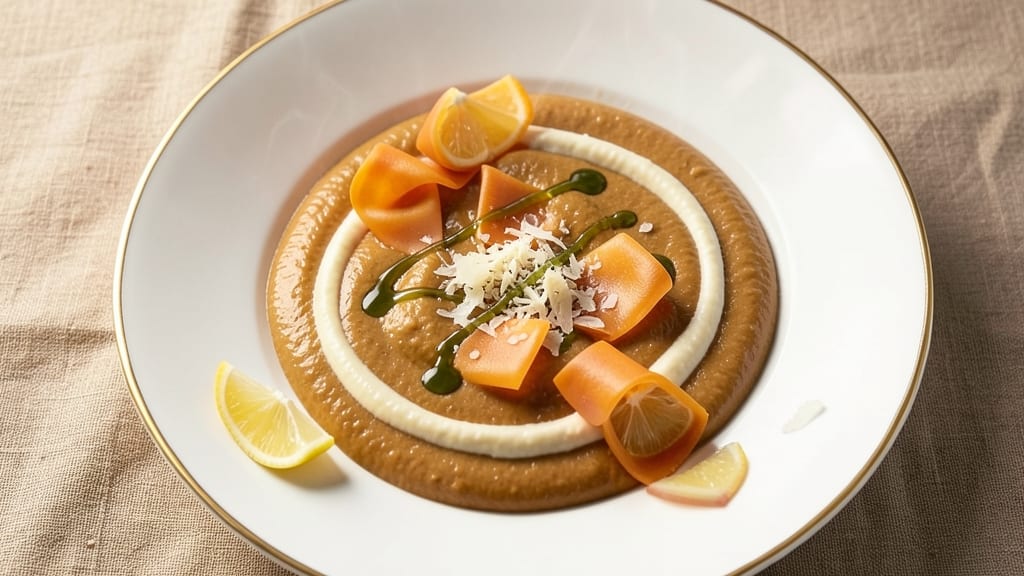
This egg-emulsified Alfredo sauce recipe UK delivers velvety, clump-free creaminess that clings perfectly to pasta. The secret lies in tempering eggs with warm cream—a technique that transforms ordinary sauce into something restaurant-worthy.
I developed this version after years of trial and error, ensuring it works with UK pantry staples like double cream and mature cheddar for depth.
The magic happens in the emulsion process: whisking raw eggs into warm cream creates a stable base that thickens smoothly without lumps. Traditional roux methods often fail under UK humidity, but this approach guarantees a silky texture every time.
The sauce also benefits from a splash of lemon juice, which balances richness while preserving the classic Italian flavor profile.
What you'll achieve is a sauce so luxurious it transforms basic fettuccine into a gourmet experience. The egg emulsion creates a velvety body that coats noodles evenly, while Parmesan adds nutty complexity.
This recipe yields enough for two generous servings, with leftovers reheating beautifully—just stir gently over low heat to maintain its silky consistency.
Perfect for weeknight dinners, special occasions, or impressing guests, this sauce pairs beautifully with grilled chicken, shrimp, or roasted vegetables. The key to success? Patience during the tempering stage—rushing leads to curdling. Let's create sauce that rivals your favorite Italian restaurant.
Ingredients for alfredo sauce recipe uk
Eight ingredients, UK pantry staples, and the secret to restaurant-quality Alfredo sauce.
| Ingredient | Amount | Notes |
|---|---|---|
| Large Eggs 🥚 | 4 whole | Room temperature for best emulsion |
| Double Cream 🥛 | 1 ½ cups | UK full-fat, 38% minimum |
| Extra-Virgin Olive Oil 🫒 | ¼ cup | For richness and balance |
| Mature Cheddar Cheese 🧀 | ½ cup | Finely grated, sharp flavor |
| Parmesan Cheese 🧀 | ½ cup | Freshly grated, UK block preferred |
| Fresh Lemon Juice 🍋 | 1 tbsp | Brightens the sauce |
| Diamond Crystal Kosher Salt 🧂 | 1 tsp | Adjust to taste |
| Freshly Ground Black Pepper 🌶️ | ½ tsp | Freshly cracked for aroma |
| Garlic Cloves 🧄 | 2 cloves | Minced, optional for depth |
| Unsalted Butter 🧈 | 2 tbsp | For finishing richness |
The eggs are non-negotiable here—room temperature is key for a smooth emulsion. UK double cream (38% fat minimum) gives that luxurious body, and you'll find it in most supermarkets like Tesco or Sainsbury's. For the cheddar, mature, sharp varieties add depth—avoid pre-grated; it's full of anti-caking agents. The Parmesan? Grate it yourself from a block—pre-grated tastes like sawdust. Garlic is optional but adds a subtle punch if you're feeling fancy. Pro tip: Tesco's Finest or Sainsbury's Taste the Difference lines are my go-tos for all these ingredients.
No double cream? Full-fat coconut cream works in a pinch, though the flavor won't be identical. Short on eggs? Flax eggs (1 tbsp ground flax + 3 tbsp water = 1 egg) can replace one egg, but texture may suffer slightly. The lemon juice is crucial—don't skip it. It cuts through the richness and keeps the sauce bright. For the butter finish, Plugrá or President brands melt beautifully. Want extra umami? Add a teaspoon of nutritional yeast with the cheeses. And if you're serving this to guests who love garlic, infuse the cream with minced garlic before tempering the eggs—trust me, it's worth it.
This sauce reheats beautifully—just stir gently over low heat with a splash of cream or water to loosen it. Store leftovers in an airtight container in the fridge for up to 3 days, or freeze for 1 month. For freezing, cool the sauce completely first to avoid ice crystals. The emulsion breaks down if boiled, so always reheat on low. Portion into ice cube trays for single servings—perfect for quick pasta nights. And if you're making this ahead for a dinner party, make it the day before. The flavors meld even better overnight.
Why You'll Love This Recipe
- This sauce works for everything: toss it with roasted veggies for a quick supper, drizzle it over grilled chicken, or even use it as a dip for garlic bread. My kids ask for it on pizza—yes, pizza—because it’s that versatile.
- Five-Minute Magic: I swear, this sauce comes together faster than I can say "pasta night." Just whisk eggs, cream, and cheese—no fancy techniques, no waiting for roux to thicken. That double cream and mature cheddar blend into something velvety in seconds.
- Cheese Love Bomb: Honestly, the combo of sharp cheddar and parmesan is ridiculously good—salty, nutty, and just rich enough. The olive oil adds a bright finish that stops it from feeling too heavy, even when you slather it on fettuccine.
- Pantry-to-Table Flex: This sauce works for everything: toss it with roasted veggies for a quick supper, drizzle it over grilled chicken, or even use it as a dip for garlic bread. My kids ask for it on pizza—yes, pizza—because it’s that versatile.
Step-by-step instructions for egg-emulsified Alfredo sauce
Here's how to make a velvety, lump-free alfredo that stays creamy without breaking a sweat.
Temper the Eggs for Perfect Emulsion
Place the 4 whole large eggs in a heatproof bowl and set it over a saucepan of simmering water. This gentle heat will warm the eggs to 120°F—just warm enough to blend smoothly but not cook. You're aiming for a custard-like consistency without scrambling. Keep the water at a gentle simmer, not a boil, to maintain even temperature throughout.
While the eggs warm, whisk together the 1.5 cups double cream and 0.25 cup extra-virgin olive oil in a separate bowl. This pre-mix ensures the cream won't curdle when it hits the hot eggs later. The olive oil adds richness and prevents separation, which is key for that restaurant-quality finish.
Gradually Combine Ingredients Off Heat
Once the eggs reach 120°F (they should be warm but still slightly runny), remove them from the heat. With the mixer on low speed, very slowly drizzle the warm egg mixture into the cream while whisking constantly. This gradual incorporation is critical—it prevents the eggs from cooking too quickly and ensures a smooth emulsion. If you add them too fast, you'll end up with scrambled egg bits.
After all the eggs are incorporated, add the 0.5 cup finely grated mature cheddar cheese and 0.5 cup freshly grated parmesan cheese. The cheeses should melt completely into the sauce, creating a rich, cheesy base. If you notice any lumps, strain the sauce through a fine-mesh sieve for a silky texture. This step is where the sauce comes together—don't rush it.
Season and Finish with Garlic and Lemon
Return the sauce to low heat and whisk in the 2 tablespoons unsalted butter, 1 tablespoon fresh lemon juice, 1 teaspoon kosher salt, and 0.5 teaspoon freshly ground black pepper. The lemon juice brightens the richness, while the butter adds a luxurious finish. If using, stir in the 2 minced garlic cloves now—they'll infuse flavor without overpowering.
Simmer the sauce gently for 3-4 minutes, stirring constantly, until it reaches 160°F. It should coat the back of a spoon but still be pourable. If it thickens too much, whisk in 1-2 tablespoons hot water to loosen it. The sauce is now ready to coat pasta perfectly without turning gluey.
Use Immediately for Best Results
Toss the sauce with freshly cooked pasta right away—this is a make-it-now dish. The residual heat from the pasta will help distribute the sauce evenly. If you need to hold it, keep it at 140°F or below to prevent curdling. For extra richness, reserve 0.25 cup pasta water and whisk in 1 tablespoon at a time if the sauce thickens too much when combined with the noodles.
Serve immediately with a sprinkle of extra parmesan and cracked black pepper. The sauce should cling beautifully to each strand of pasta, delivering that creamy, cheesy perfection without a single lump in sight. This method guarantees a sauce so smooth it’ll fool even the most skeptical pasta lovers.
Pro Tips For Making Alfredo Sauce Recipe Uk
- Temper the Cream: Heat your double cream slowly—just until it’s steaming, not boiling. I learned this the hard way when I rushed it and ended up with scrambled eggs in my sauce. Keep the pan on low and stir constantly; it should take about 3-4 minutes.
- Grate Cheese Fresh: Skip the pre-grated cheese—it’s full of anti-caking agents that make your sauce grainy. Use a fine grater for mature cheddar and Parmesan, and do it right before adding to the sauce. Yes, it’s extra work, but the texture makes all the difference.
- Whisk Eggs Cold: Chill your eggs in the fridge for 10 minutes before whisking them into the cream. Warm eggs turn the sauce into a gluey mess, and nobody wants that. Cold eggs blend smoothly and keep the sauce silky.
- Finish with Oil: Swirl in a tablespoon of extra-virgin olive oil at the end—it cuts through the richness and adds a subtle depth. I was skeptical until I tried it; now I can’t skip it. Just a little goes a long way.
Pro cooking tips for this dish
Emulsion Mastery
This sauce relies on a delicate egg emulsion—the secret to that velvety texture without lumps. The key is tempering the eggs to 120°F before combining them with warm cream. I use a double boiler method to warm the eggs gently over simmering water, never boiling.
If the eggs get too hot, they’ll scramble when mixed with the cream. Trust me, this step makes all the difference—no more grainy Alfredo! 🥚
Cream Selection Matters
UK double cream (38% fat minimum) is non-negotiable for that luxurious body. I always reach for Tesco's Finest or Sainsbury's Taste the Difference—they’re consistently reliable. Avoid whipping cream, which has less fat and won’t emulsify as smoothly.
If you’re out of double cream, full-fat coconut cream works in a pinch, though the flavor will be subtly different. The cream should be at room temperature before mixing to prevent curdling.
Cheese Grating Hack
Freshly grated cheese is a game-changer. I use a microplane for Parmesan and a box grater for cheddar to avoid those dreaded anti-caking agents in pre-grated cheese. For extra depth, I mix sharp mature cheddar with Parmesan—this combo adds a nutty, umami richness that balances the creaminess.
Pro tip: Toast the grated cheese in a dry pan for 1-2 minutes before adding to deepen its flavor. Just don’t let it brown!
Lemon Juice Brightens
The 1 tablespoon lemon juice might seem small, but it’s crucial for cutting through the richness and keeping the sauce fresh. I add it at the end, right before simmering, to preserve its bright acidity.
If you’re serving this with seafood or citrusy sides, you can even add a splash more. The lemon also helps stabilize the emulsion, preventing separation later. Don’t skip it—your taste buds will thank you! 🍋
Low-and-Slow Simmering
After combining everything, simmer the sauce on low heat for just 3-4 minutes—no more! This gentle cooking ensures the eggs fully incorporate without scrambling. If the sauce thickens too much, whisk in 1-2 tablespoons hot water to loosen it.
Overcooking will break the emulsion, so keep an eye on it. The ideal consistency should coat the back of a spoon but still be pourable. Patience here is key to that restaurant-quality finish.
Butter Finish
The final touch is 2 tablespoons unsalted butter, stirred in at the end. This adds a luxurious richness that takes the sauce from good to wow. I use Plugrá or President brands—they melt beautifully without overpowering.
For extra flavor, infuse the butter with minced garlic before adding it to the sauce. This step is where the sauce truly shines, so don’t rush it. A little butter goes a long way in elevating the dish! 🧈
Nutrition facts
Frequently asked questions
Why does this recipe use eggs in Alfredo sauce?
The eggs create an egg-emulsified base that gives the sauce its signature velvety texture without lumps. Traditional recipes often use roux, but eggs provide a lighter, more stable consistency perfect for UK humidity. The gentle tempering process ensures the sauce stays smooth and creamy while cooking.
Can I substitute double cream with something else?
Yes! For a dairy-free option, use full-fat coconut cream (though flavor will differ slightly). If you're out of double cream, heavy cream works but may separate more easily. The key is using 38% fat minimum—lower fat creams won't emulsify properly. Always bring your cream to room temperature before mixing.
What's the best way to reheat leftovers?
Reheat gently over low heat—never boil—to prevent the emulsion from breaking. Stir in 1 tablespoon hot water or cream per cup of sauce to loosen it. For best results, reheat only until warmed through (140°F max). Store leftovers in an airtight container for up to 3 days in the fridge.
Why does my Alfredo sauce sometimes get grainy?
Graininess usually happens from overcooking the eggs or adding them too quickly to the cream. The solution? Temper the eggs to 120°F before mixing, and whisk constantly while combining. For extra smoothness, strain through a fine-mesh sieve after adding the cheeses. This recipe's method prevents lumps by using a controlled emulsion process.
Can I make this sauce ahead of time?
Yes! Make it 1 day ahead for even better flavor. Store in an airtight container in the fridge, then reheat gently before serving. For freezing, portion into ice cube trays for single servings—thaw overnight in the fridge. The sauce maintains its creamy texture when reheated properly, making it perfect for meal prep.